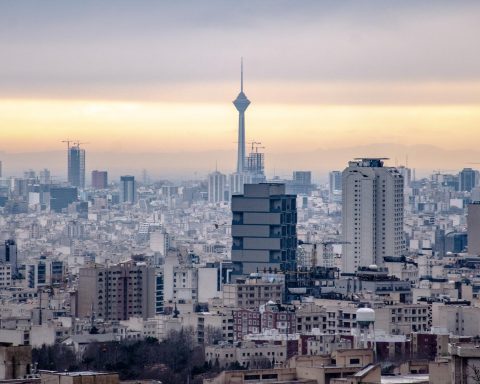

WASHINGTON, June 18 (Parliament Politics Magazine) – Researchers have utilized high-frequency satellite imagery to track the vital signs of six major global metropolises, identifying a distinctive urban pulse that characterizes how cities grow and evolve.
By moving beyond traditional, static mapping methods, this study offers a new way to document the metabolic processes of urban environments in near real-time.
The research focused on Dubai, Lagos, Mexico City, Mumbai, Seattle, and Shenzhen. Scientists analyzed these locations to capture dynamic changes, such as new building construction, infrastructure improvements, demolition, and expansion into green spaces. This approach provides a more granular understanding of how cities function, contrasting with historical reliance on infrequent census data or annual economic reports.
Understanding Urban Dynamics
The study, published in the Proceedings of the National Academy of Sciences, challenges the long-held belief that urbanization follows a smooth and steady trajectory. Instead, the researchers found that urban growth is characterized by complex, irregular patterns that shift over time.
“We got the inspiration from the human pulse, which tells us different information about our health than weight or height,” said study lead author Zhe Zhu, a professor of remote sensing and director of the Global Environmental Remote Sensing Laboratory at the University of Connecticut’s Department of Natural Resources and the Environment.
The project utilized dense satellite data from NASA’s Landsat and the European Space Agency’s Sentinel-2 satellites. By examining these images, the team categorized urban development into three distinct behaviors: spiky growth, where expansion happens in intense, abrupt bursts; cyclical development, which moves through boom-and-rest phases independent of annual seasons; and asynchronous growth, where different neighborhoods in the same city develop at uncoordinated times.
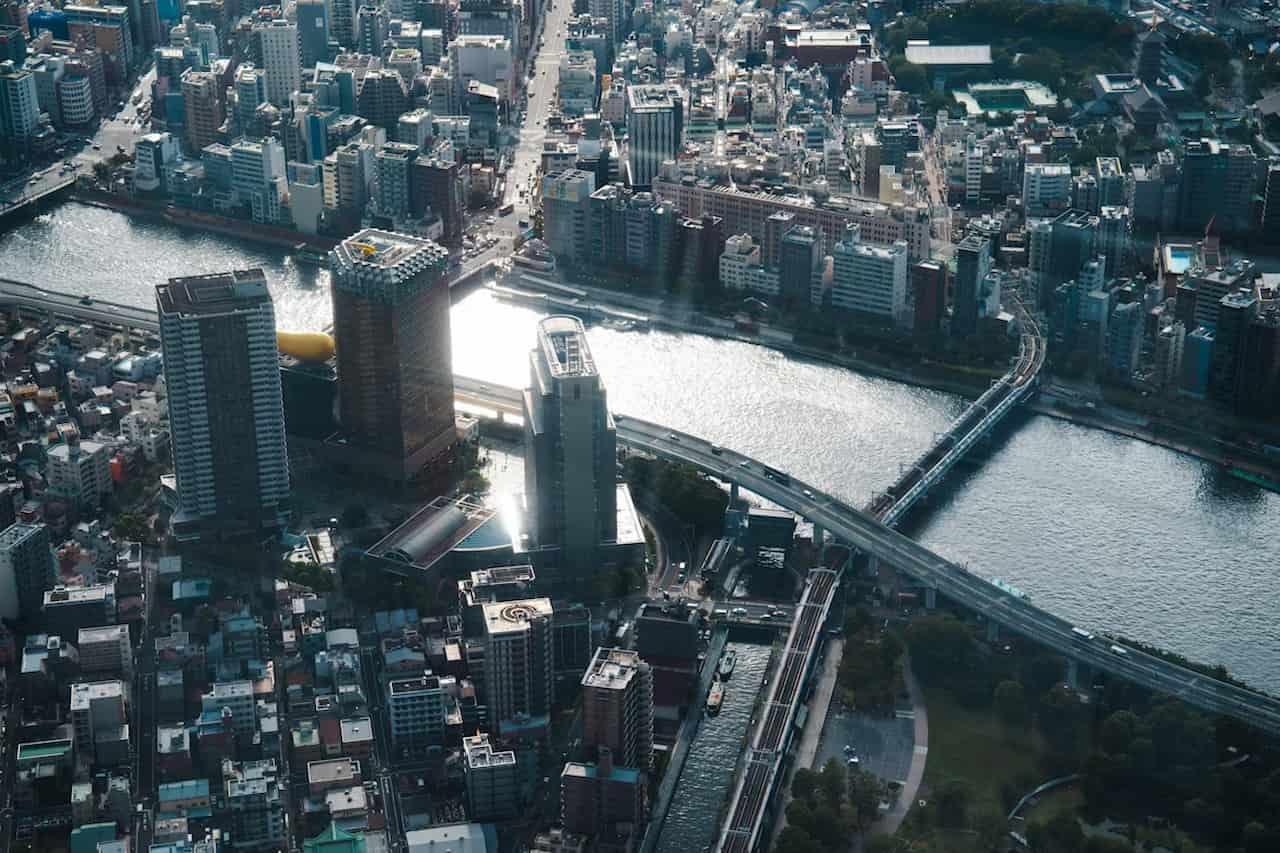
Diverse Development Patterns
Each of the six cities exhibited a unique urban pulse influenced by its specific political and economic conditions. Shenzhen, which transformed from a small fishing village into a major megacity, showed the highest intensity of growth. Its development was marked by massive, clustered spikes that reflected rapid, state-led mobilization of capital.
Dubai displayed a pulse driven by speculative, capital-intensive coastal megaprojects. These developments tended to spike abruptly before entering periods of relative pause. In contrast, Lagos exhibited a highly fragmented pulse. Growth in the Nigerian city was marked by long periods of inactivity that were frequently punctuated by brief, intense surges of expansion.
Seattle represented a different model, with a steady, market-driven pulse focused on redevelopment and densification. Meanwhile, Mumbai and Mexico City emerged as highly resilient urban centers. Both cities demonstrated less structural disruption during major global shocks, such as the COVID-19 pandemic, compared to their counterparts.
Monitoring Economic Vitality
The researchers noted that their method serves as a diagnostic tool for urban planners and policymakers. By monitoring the urban pulse, authorities can detect early warning signs of economic stress or stagnation. This allows for proactive intervention, potentially preventing infrastructure collapse or the overheating of labor and material markets.
The study also highlighted how global shocks, such as the COVID-19 pandemic, caused a synchronized cardiac arrest in development worldwide. The recovery process, however, was entirely unequal. Shenzhen experienced a sharp, coordinated dip followed by a rapid rebound, while Lagos transitioned into a muted pulse characterized by smaller, incremental changes. Mumbai and Mexico City remained largely insulated, demonstrating that global crises do not manifest in the same way across different urban bodies.
By documenting these vital signs, the researchers aim to shift how cities are analyzed. Instead of relying on static maps that offer an incomplete picture, this high-frequency monitoring allows for a deeper appreciation of the nuances involved as a metropolis evolves. The findings suggest that the future of urban planning may depend on the ability to interpret these real-time signals to maintain the health and stability of growing cities.