MOSCOW, June 19 (Parliament Politics Magazine) – Russia stated on Friday it remains open to dialogue with European countries but will not accept ultimatums, as signs emerge that the European Union may seek renewed contact with the Kremlin after a long period of diplomatic isolation since the start of the war in Ukraine.
Kremlin spokesman Dmitry Peskov indicated that common sense necessitates such contacts given the vast number of complex bilateral issues on the agenda. However, he emphasized that European nations must fundamentally change their approach toward Moscow to facilitate any meaningful progress.
“The Europeans have a very serious misconception: They assume that negotiations with Russia must be conducted from a position of strength and based on Russia’s weakness. This is the biggest mistake. Such talk will lead nowhere,” Peskov told reporters.
He questioned whether this stance originated from incompetence, misinformation, or sheer lack of judgment, labeling the current European strategy as objectively flawed.
“These strikes will continue,” he added.
Russian President Vladimir Putin has previously expressed openness to discussions with European governments, provided those nations make the initial move, citing their prior decisions to sever existing ties. The European Union has maintained a hardline stance, having imposed 20 rounds of sanctions on Russia since the invasion began.
Shifting European Diplomatic Posture
After distancing itself from the conflict for over a year and leaving mediation efforts largely to United States President Donald Trump, the European Union has recently begun reaching out to Moscow with increased caution.
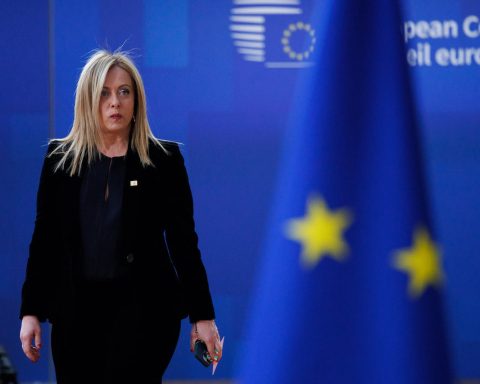
An EU official confirmed on Wednesday that the office of European Council President Antonio Costa held brief contacts at a diplomatic level with the Kremlin in recent weeks. The intent behind these discussions was to open communication channels that had been frozen since the start of the hostilities.
Austrian Chancellor Christian Stocker supported this shift in an interview with the Financial Times published on Thursday. He suggested that the EU should capitalize on the current momentum surrounding peace talks in Ukraine to push for reopened negotiations directly with Putin.
Despite these efforts, Peskov maintained that Russia is only willing to participate if there is genuine openness to engagement. He explicitly rejected any attempts to turn the process into an exercise in moralizing or the issuance of ultimatums.
Internal Divisions Within the European Union
The initiative led by Costa’s office has surfaced deep-seated divisions among EU leaders during a recent summit in Brussels. While some capitals support the cautious outreach, others argued that the move lacked proper coordination and suggested the bloc should instead focus on increasing pressure on Moscow.
Several member states remain steadfast in the belief that the EU should prioritize sanctions and military support rather than offering any potential concessions. This friction reflects a broader uncertainty within Europe regarding how to manage the ongoing regional crisis.
Escalating Battlefield Realities
The diplomatic maneuvering occurs against the backdrop of an intensifying military campaign. Ukraine reports that it is turning the tide of the war through an intensified series of drone strikes deep inside Russian territory, targeting refineries, ports, and other key infrastructure.
Moscow disputes the assessment that these strikes are altering the course of the conflict. The Kremlin insists it will continue its military operations to achieve its stated objectives if no diplomatic settlement is reached.
On Friday, the governor of the Moscow region reported that an eight-year-old girl was killed in a massive Ukrainian attack that struck the capital and surrounding areas a day earlier. The assault, involving hundreds of drones, ignited a fire at a major oil refinery in southeast Moscow for the second time in three days.
When asked about the situation, Peskov confirmed that the attacks are continuing and that appropriate measures are being taken to mitigate the consequences. He dismissed questions about the impact of the strikes, suggesting that observers should also look at the destruction in Ukrainian cities that have been hit by Russian forces.