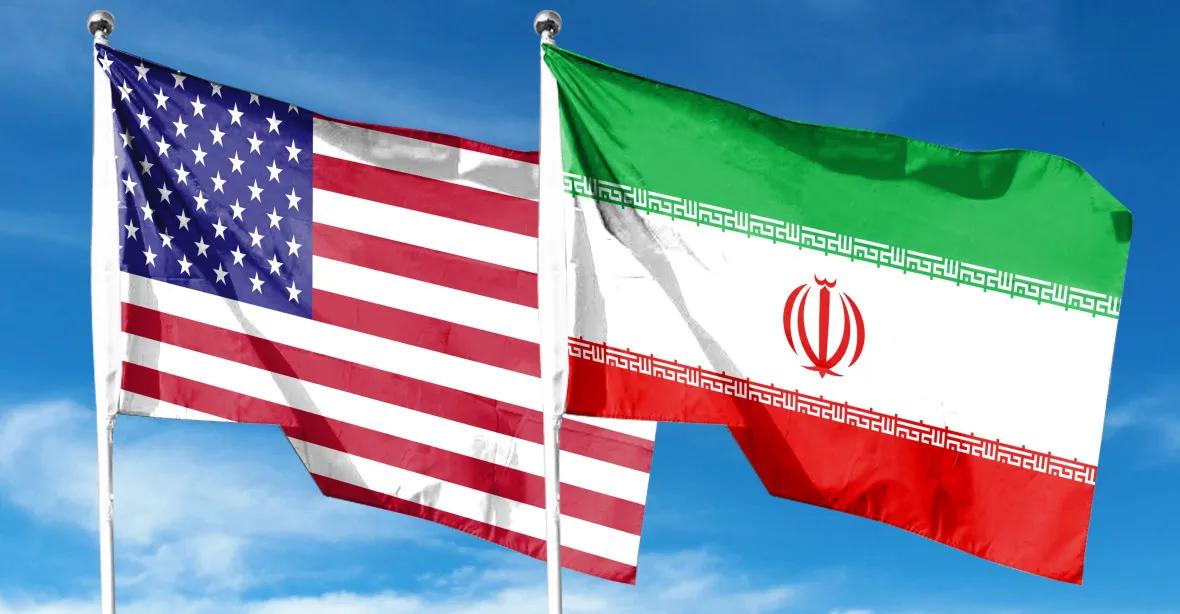
LONDON, June 21 (Parliament Politics Magazine) – High-level technical talks concerning a US and Iran peace deal have officially commenced in BÜRGENSTOCK, Switzerland. Following an initial memorandum signed last week, delegations aim to finalize terms within 60 days to end active conflict, reopen the Strait of Hormuz, and address ongoing regional instability.
Fragile Ceasefire and Regional Friction
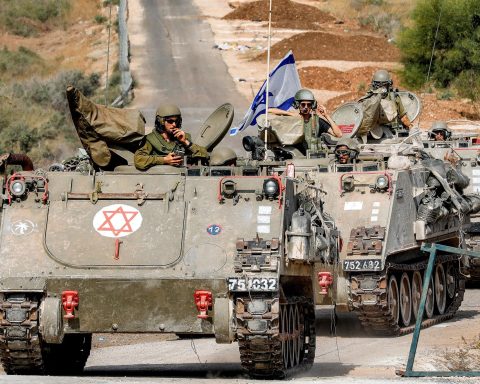
Despite the recent signing of a preliminary agreement, the atmosphere in Switzerland is heavily burdened by escalating violence in Lebanon. The MoU includes a commitment to end military operations on all fronts, including Lebanon, but persistent clashes between Israel and Hezbollah have threatened to unravel the accord before it gains traction. Iran has publicly accused Israel of violating the ceasefire, utilizing these events to justify its temporary closure of the Strait of Hormuz.
President Donald Trump heightened the urgency of the situation from Washington. In a series of statements, the President demanded that Iran immediately cease the activities of its proxies in Lebanon. Trump explicitly warned that the United States would initiate significant military action if these provocations continued, placing a clear military ultimatum alongside the diplomatic table.
Negotiating the Strait of Hormuz
A central pillar of the ongoing US and Iran peace deal involves the restoration of commercial transit through the Strait of Hormuz. As a vital global chokepoint for 20% of the world’s oil and natural gas, the strait’s status is of immense economic consequence. While Iran announced a blockade as a retaliatory measure against Israeli strikes, satellite tracking data indicates that maritime traffic has persisted, albeit with fluctuations.
The current negotiations aim to move beyond reactive measures to establish a sustainable maritime transit regime. For Washington, the priority remains ensuring the free flow of energy commodities. For Tehran, maintaining a level of strategic control over the waterway remains a core objective, balancing its economic need for oil exports against its desire to leverage the strait as a diplomatic bargaining chip.
Nuclear Ambitions and Sanctions
While the initial agreement covers immediate military de-escalation, it leaves the most complex questions—specifically regarding Iran’s nuclear program and the future of U.S. sanctions—for the next two months. Diplomats confirmed that Sunday’s opening sessions bypassed nuclear details to focus on immediate security crises. However, the path to a final US and Iran peace deal is inherently tied to progress on these deeper issues.
Washington has adopted a conditional approach, signaling that comprehensive sanctions relief will be strictly tethered to verifiable nuclear concessions. Conversely, Tehran insists that any final agreement must reflect the fulfillment of previous commitments. As the 60-day negotiation window advances, the success of this initiative will depend on whether both parties can bridge the gap between temporary de-escalation and a permanent diplomatic settlement. The international community, led by regional mediators, continues to monitor these proceedings, viewing them as a pivotal development for stability across the Middle East.