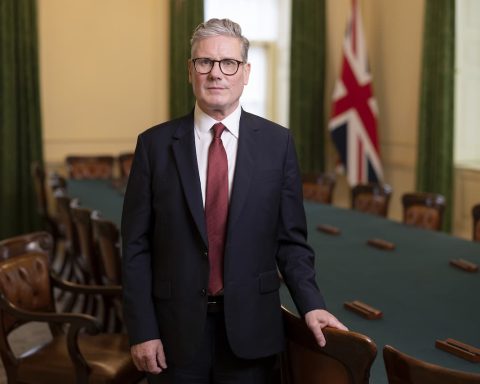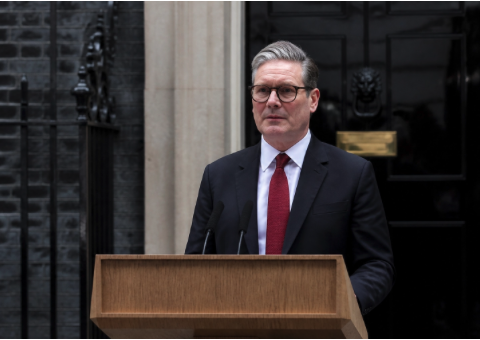
LONDON, June 22 (Parliament Politics Magazine) – British Prime Minister Keir Starmer announced on Monday, that he would resign, marking the end of a brief 23-month tenure and setting the stage for the United Kingdom to appoint its seventh prime minister in a single decade.
This transition arrives exactly ten years after the 2016 Brexit referendum, a vote that fundamentally altered the nation’s political trajectory and initiated a period of sustained instability.
A decade of political churn
The political landscape in Britain has shifted rapidly since the 2016 vote to leave the European Union. That decision, which saw the UK vote 52 percent to 48 percent in favor of withdrawal, forced the resignation of then-Prime Minister David Cameron. His departure began a cycle of leadership changes as the nation struggled to navigate the complex negotiations of exiting the EU while managing domestic economic pressures.
Following Cameron, Theresa May took office but eventually resigned in 2019 after failing to secure parliamentary support for her exit strategy. Boris Johnson subsequently led the Conservative Party to a major victory, oversaw the formal departure from the EU in 2020, but was eventually ousted in 2022 following a series of ministerial resignations. Liz Truss succeeded him, though her time in office lasted only 44 days after her economic proposals roiled financial markets. Rishi Sunak then served as prime minister until his party’s defeat in the 2024 general election.
The end of the Starmer premiership
Starmer, who took office in July 2024 with a significant parliamentary majority, faced persistent challenges throughout his time in Downing Street. His administration struggled to address deep-seated economic issues, including stagnant growth, high national debt, and rising public costs. These difficulties were exacerbated by broader geopolitical volatility that strained the country’s public finances.
Internal and external pressures mounted significantly in recent months. The Labour Party experienced substantial losses in local elections across England, Scotland, and Wales, which weakened Starmer’s position within his own party. The rise of Reform UK, led by Nigel Farage, further complicated the political math as the party began to consistently outperform Labour in national opinion polls.
“We said we would end the chaos and we will,” Starmer had told supporters upon taking office in 2024, yet the accumulation of recent events rendered his position untenable.
Mounting crises and cabinet exits
The final weeks of Starmer’s leadership were defined by a series of departures and policy setbacks. Health Minister Wes Streeting resigned after declaring a loss of confidence in Starmer’s leadership, simultaneously suggesting that he would seek the top job himself. Shortly after, Defence Minister John Healey stepped down, citing ongoing disagreements regarding the adequacy of defence spending amid increasing security threats.
The administration also faced intense criticism regarding the vetting process for high-level appointments. A notable scandal involved the appointment of Peter Mandelson as the UK ambassador to Washington. Mandelson was later removed from the position following reports regarding his previous associations with the late convicted sex offender Jeffrey Epstein, leading to widespread scrutiny of the Prime Minister’s decision-making and administrative oversight.
Furthermore, Starmer was forced to abandon planned reforms to the national welfare system after facing significant pushback from members of his own party. This U-turn was viewed by analysts as a signal of his waning authority over backbenchers and his difficulty in implementing his legislative agenda.
The search for a new leader
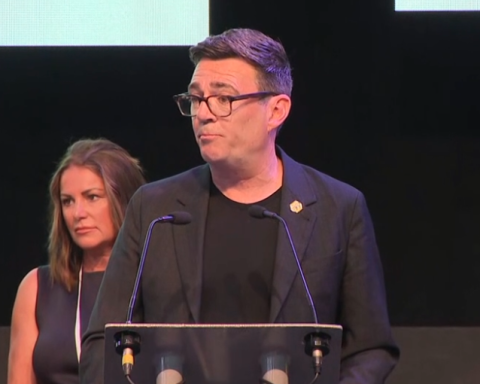
As the country prepares for its next leader, attention has shifted to potential successors within the Labour Party. Greater Manchester Mayor Andy Burnham has emerged as a prominent figure following a successful electoral win in the north of England. By securing a parliamentary seat in Makerfield, Burnham demonstrated an ability to defeat Reform UK candidates, an achievement that has garnered significant support among Labour MPs who are concerned about their own electoral prospects.
The process to select the new leader is expected to be swift, as the party aims to restore stability following the recent resignation. The incoming prime minister will face the immediate challenge of addressing the “economic black hole” previously described by Labour officials, as well as managing the public’s expectations regarding living standards and the state of public services.
Economic challenges
The structural hurdles facing the UK remain substantial. Beyond the immediate leadership transition, the government must grapple with a welfare bill that remains a significant portion of national expenditure. Tax policy also remains a contentious issue; in October 2024, Finance Minister Rachel Reeves implemented tax increases amounting to 40 billion pounds annually, primarily through raised employer social security contributions.
This move resulted in the tax burden reaching record levels for a peacetime economy, drawing sharp criticism from the business community. While the government argued these measures were necessary to stabilize the national finances, the resulting impact on business investment and economic sentiment has remained a point of debate.
Future of the political landscape
The political environment in the UK continues to be shaped by the fallout of the 2016 referendum. The decade-long cycle of turnover has drawn comparisons to periods of volatility in other European nations, with observers questioning the long-term effects of such frequent leadership changes on policy continuity and international standing.
As the political parties reorganize, the primary focus will likely remain on economic recovery and the ability of the next administration to manage national debt while addressing the demands of the electorate. With Reform UK continuing to influence the national discourse, the traditional two-party system faces ongoing pressure to respond to shifting voter preferences.
The transition to a seventh prime minister in ten years marks a significant moment in modern British history. The coming months will determine whether this change leads to a period of sustained governance or if the cycle of instability will continue to dominate the national agenda.