NEW DELHI, June 22 (Parliament Politics Magazine) – India announced progress in normalising relations with China following high-level diplomatic discussions between senior officials in Delhi.
Indian National Security Adviser Ajit Doval met with Chinese Foreign Minister Wang Yi on the sidelines of the BRICS National Security Advisers’ meeting on Monday.
The Ministry of External Affairs described the exchange as constructive and forward-looking. Both leaders reviewed recent developments in the bilateral relationship and acknowledged significant steps taken toward a gradual return to normal diplomatic engagement. This meeting marks a shift for the two nations, which have experienced years of friction following a border clash in 2020.
The discussions held in New Delhi served as a platform for both nations to address the prolonged tensions that have impacted bilateral cooperation. As the host of the BRICS National Security Advisers’ meeting, India provided the venue for officials to navigate the complexities of their relationship.
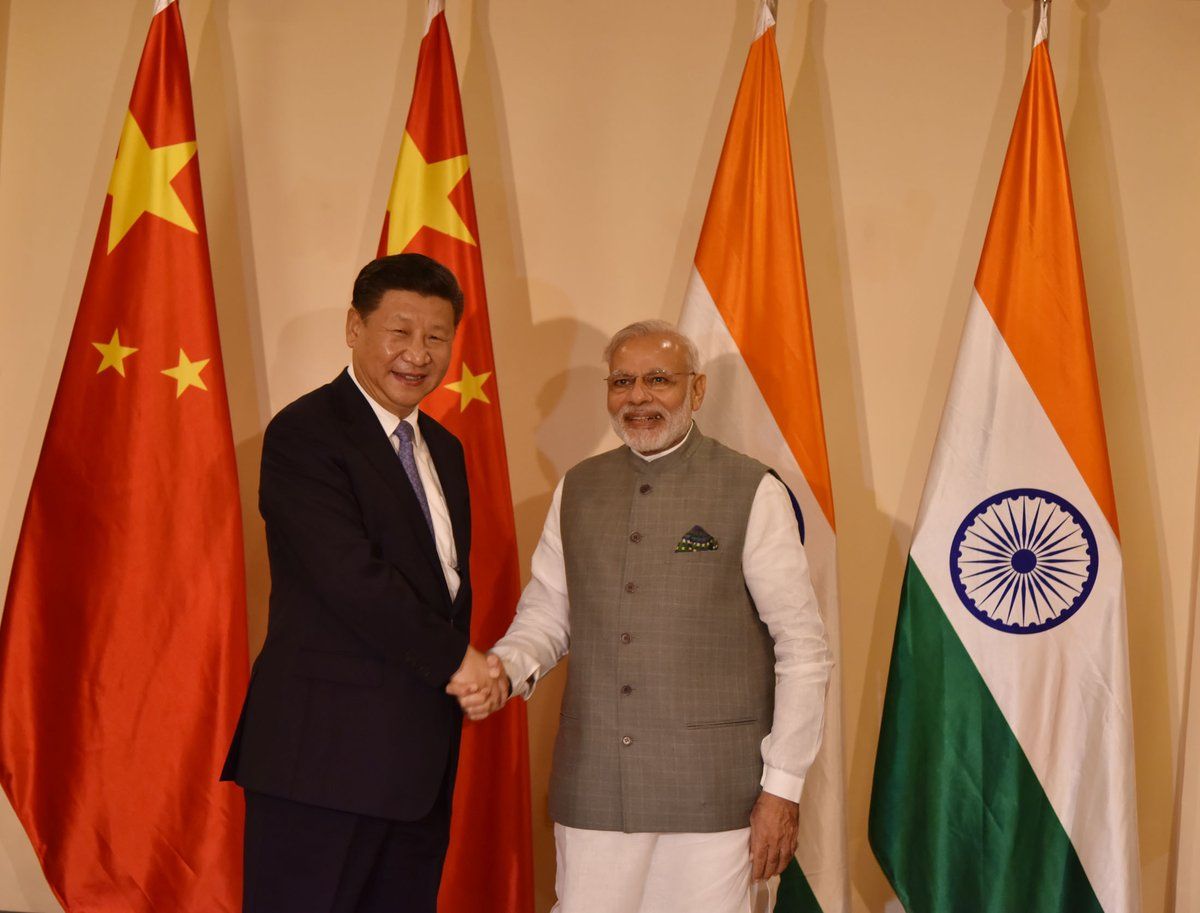
The engagement builds on a thawing process that gained momentum during the 2024 BRICS Summit in Kazan, where Prime Minister Narendra Modi and President Xi Jinping first held talks to address shared concerns. The recent meeting in New Delhi further solidified this intent to move past the hostile posture that characterised the period following the Galwan Valley incident.
To prevent the boundary dispute from paralysing wider state relations, both nations are adopting a dual-track strategy. This method separates the management of volatile border issues along the Line of Actual Control from economic and civic cooperation. By compartmentalising these issues, officials aim to maintain stable communication channels while addressing core areas of friction.
Practical steps are already under consideration to reflect this shift. These include the potential easing of visa restrictions, the resumption of direct commercial flights, and the revival of cultural and educational exchange programmes. Such measures are intended to rebuild the human and economic links that were largely frozen after 2020.
Despite the political freeze, economic ties have remained robust. China continues to be one of India’s primary trading partners, with bilateral trade figures reaching notable highs in recent years. This economic dependency, particularly in areas like active pharmaceutical ingredients and rare earth minerals, has provided a practical incentive for both nations to seek a stable diplomatic baseline.
The current move toward normalisation is viewed by observers as a pragmatic stabilisation effort. Rather than a total strategic reset, the focus remains on mitigating global uncertainties and ensuring that the border dispute does not escalate into further military friction.
“The two leaders discussed recent developments in their relationship and noted progress towards gradual normalisation,” stated a release from the Indian foreign ministry.
Future meetings are expected to follow, as both governments seek to translate this diplomatic breakthrough into granular policy adjustments. While binding legal frameworks and specific details regarding the border remain to be drafted, the recent talks represent a functional return to high-level dialogue.