LONDON, June 23 (Parliament Politics Magazine) – The United Kingdom government is considering new regulations that would compel social media companies to prioritise trusted news sources within their platforms.
The proposal aims to increase the visibility of public service media and regulated news providers to combat the spread of mis- and disinformation.
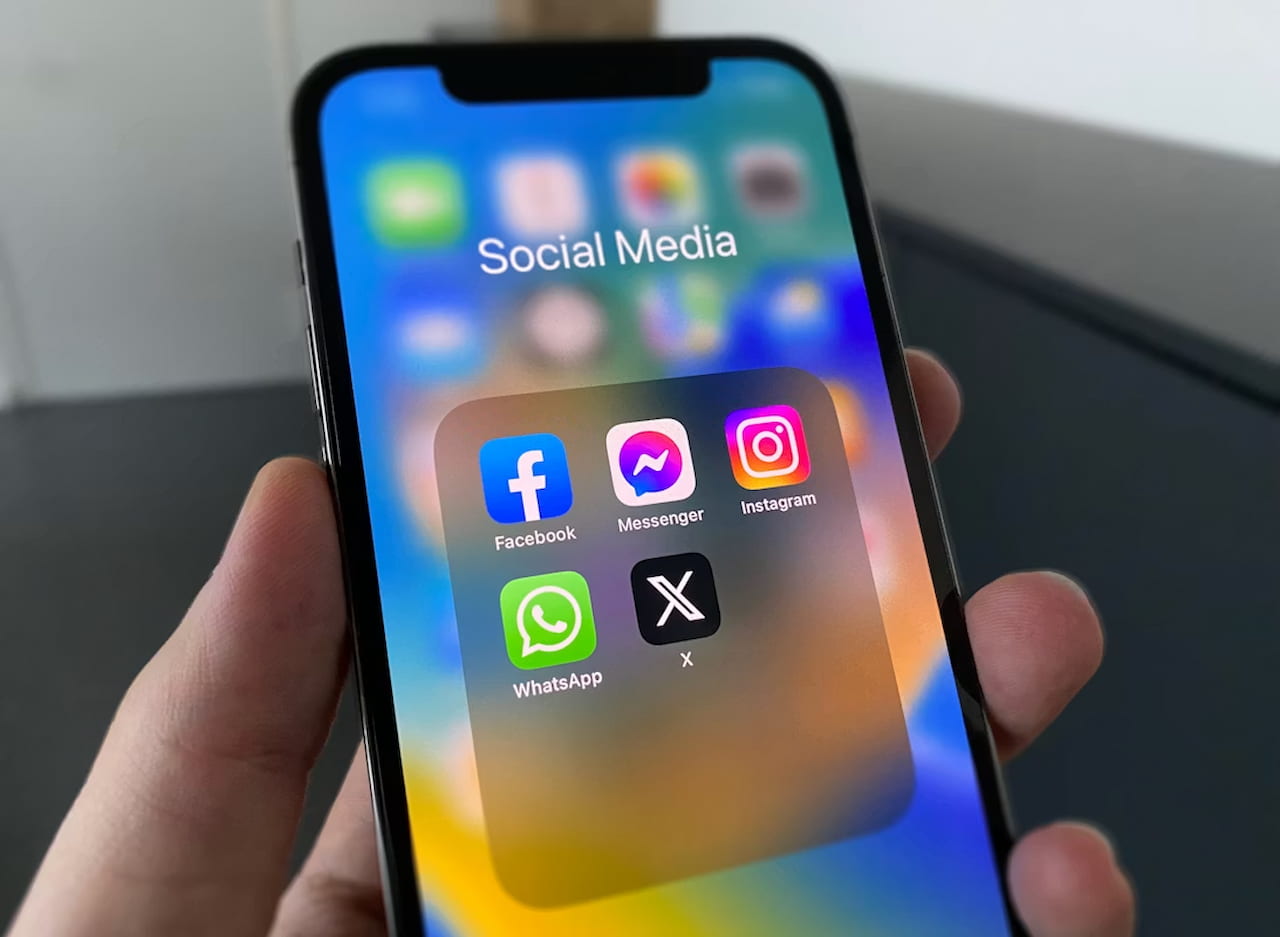
The Department for Culture, Media and Sport is looking to require major platforms, including Meta’s Facebook, Alphabet’s YouTube, and TikTok, to adjust their algorithms. Under the plan, content from public service broadcasters such as the BBC, ITV, and Channel 4 would become easier for users to find in their social media feeds and search results.
This initiative is part of a broader government strategy to update the public service media system, helping traditional broadcasters compete with global streaming services and changing consumption habits. Data from the media regulator Ofcom indicates that social media serves as a primary news source for the majority of UK adults and approximately three-quarters of young people aged 16 to 24.
Separate research from Ofcom published in 2024 found that four in 10 UK adults encountered misinformation online within a single month. Government officials suggest that boosting the presence of regulated news providers could prove vital for maintaining access to accurate information, especially during national or global crises.
“It is vital that we make sure that people have better access to trusted and accurate news and that our regulated public service media is seen and heard in the fierce battle against mis- and disinformation,” said Culture Minister Lisa Nandy.
The proposal follows other recent efforts by the British government to tighten control over the social media sector, including the announcement of a ban on under-16s using most social media platforms. The current move to influence how platforms rank content is expected to face significant scrutiny from the tech industry.
Social media firms have previously argued that such mandates could override user choice and unfairly disadvantage independent content creators. Industry representatives suggest that forced algorithmic changes may lead to conflicts regarding how platforms manage their proprietary technology.
The government’s plan effectively attempts to apply existing television prominence rules, which require smart TVs to feature public service broadcasters, to digital social media feeds. This development is part of an ongoing review of the UK media landscape, which also includes potential shifts to internet-based television and extended protections for major sporting events.