ISLAMABAD, June 23 (Parliament Politics Magazine) – Pakistan’s central role in brokering a peace deal to end the Iran-United States war has brought the country significant diplomatic acclaim. While this success has elevated the nation’s international profile, analysts are now debating whether this newfound goodwill can translate into a meaningful economic dividend or if the country remains trapped by persistent structural weaknesses.
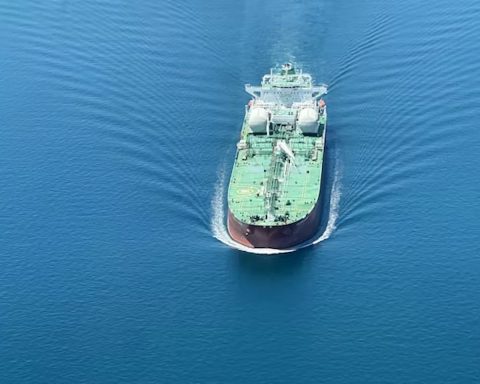
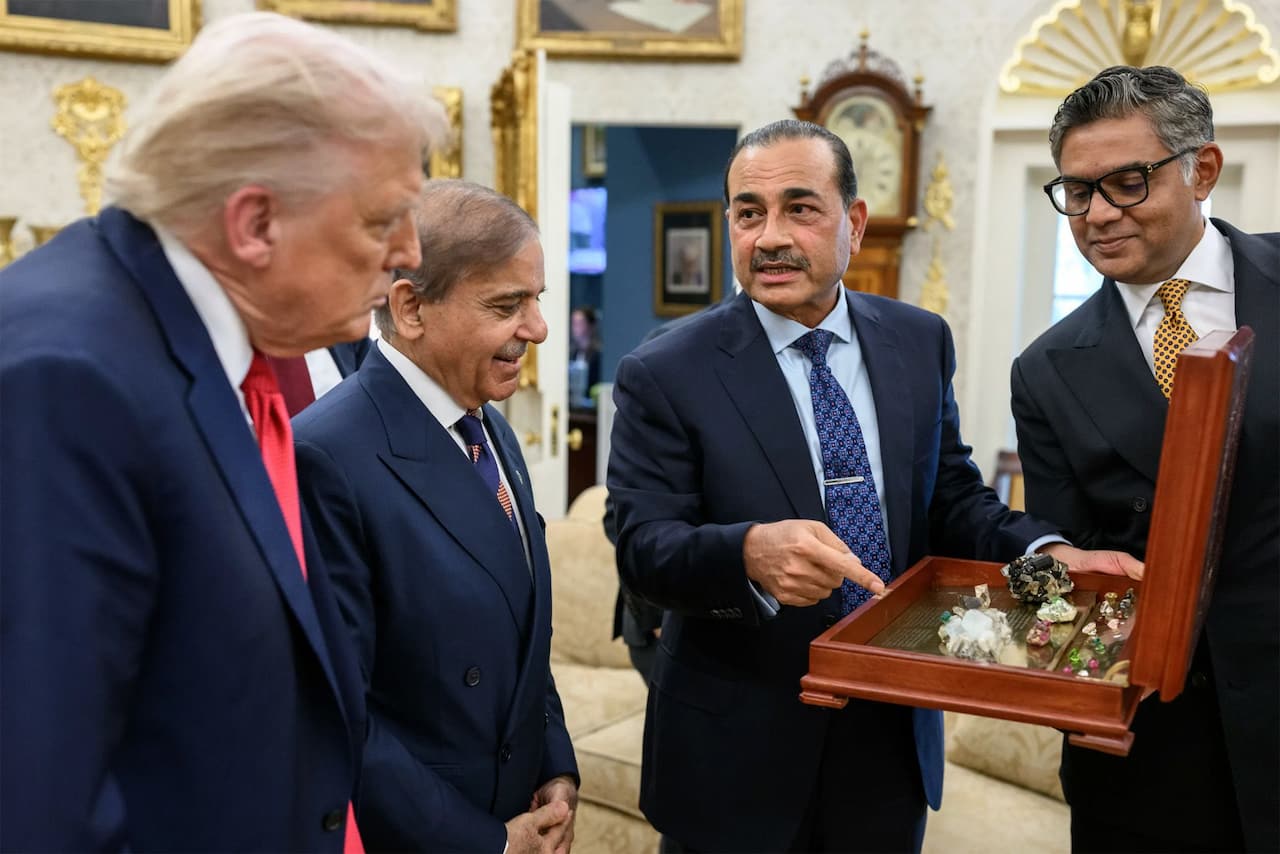
Prime Minister Shehbaz Sharif and army chief Field Marshal Asim Munir recently participated in final talks held in Buergenstock, Switzerland. This marked the successful conclusion of months of intense diplomatic negotiations led by Islamabad. The effort aimed to de-escalate a conflict that threatened to disrupt the Strait of Hormuz, endanger global oil supplies, and destabilize the international economy.
Seeking Credibility in Global Markets
The diplomatic breakthrough has provided Pakistan with an opportunity to reshape its reputation. Officials within the government suggest that by positioning itself as a reliable mediator, the country may become a more attractive destination for foreign direct investment.
“A nation that delivers stability at home and helps advance stability abroad becomes a more credible destination for investment,” said Khurran Schehzad, adviser to Pakistan’s finance minister.
Schehzad added that a growth-oriented agenda, combined with a reputation as a force for regional peace, places the country in a unique position to draw capital into infrastructure, technology, and human development sectors. Despite this optimism, the government is navigating a challenging economic landscape. Official targets for the upcoming fiscal year include economic growth of 4.0% and inflation of 8.2%. This follows a fiscal year 2026 that saw projected growth of 3.7% and average inflation hovering at 6.7% during the July-May period.
Opportunities for Regional Integration
Beyond immediate financial inflows, experts point to the potential for deeper regional integration. Alex Vatanka, director of the Iran program at the Middle East Institute in Washington, noted that Pakistan has a major opportunity to integrate more closely with the broader Middle East. Such a move could lead to long-term economic partnerships that encompass both trade and security.
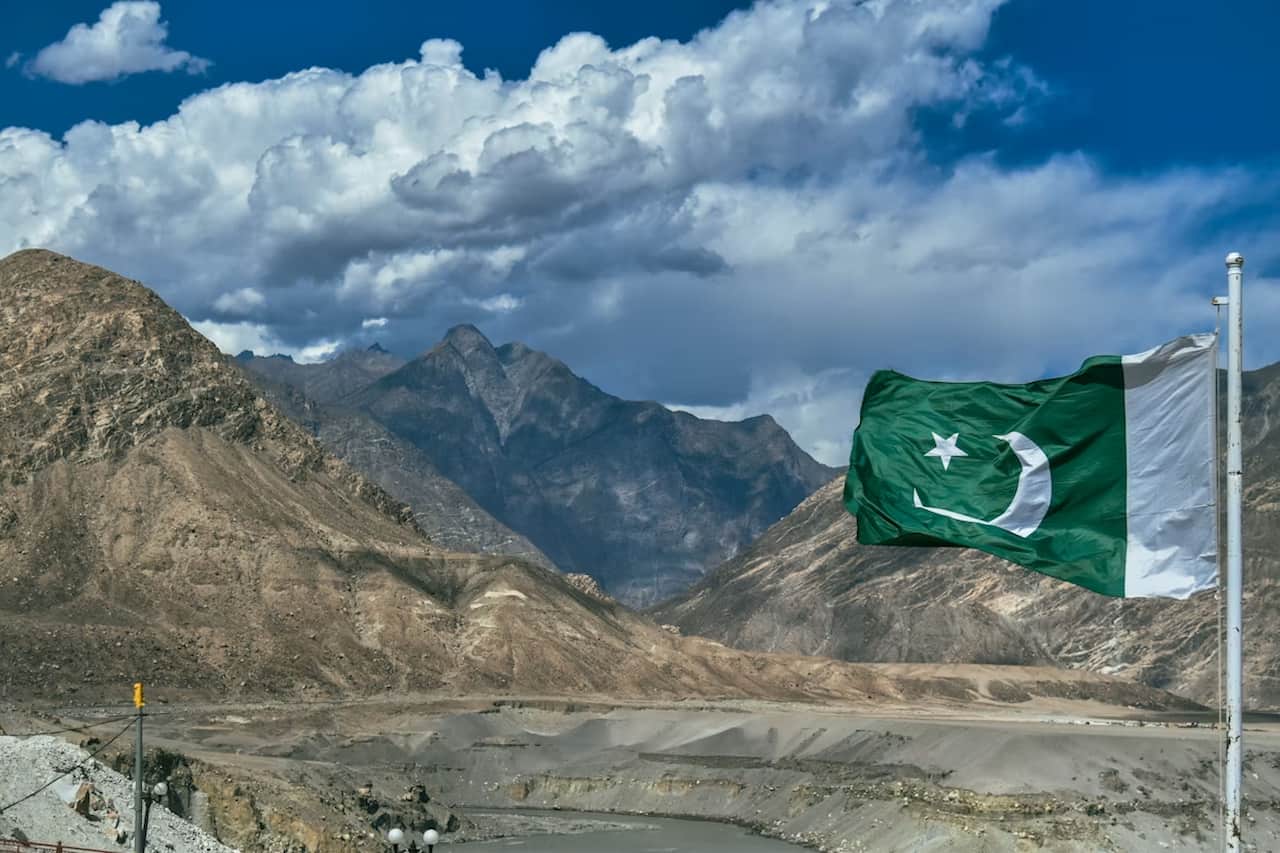
Former finance minister Miftah Ismail suggested that potential sanctions relief on Iran could pave the way for increased bilateral trade. He pointed specifically to the land border in Balochistan as a critical channel that could formalize trade flows if the regional environment remains stable.
The Challenge of Structural Reform
Despite the diplomatic victory, many economists remain cautious about the long-term impact on Pakistan’s domestic economy. History suggests that geopolitical alignment does not automatically cure systemic issues. Following the post-9/11 era, Pakistan secured debt rescheduling and multilateral support but struggled to utilize those gains to fix structural vulnerabilities.
Khurram Husain, an economic commentator, observed that while the current situation mirrors the post-9/11 period, the nature of Pakistan’s involvement is fundamentally different. By acting as a mediator rather than a party to a conflict, Pakistan now holds leverage by being useful to multiple powers simultaneously, including Washington, Tehran, China, and Gulf states.
However, critics argue that the core issues a narrow tax base, high manufacturing costs, weak export volumes, and consistent reliance on the International Monetary Fund remain unaddressed. Ismail emphasized that foreign support is insufficient without significant internal changes. He noted that the country’s high external debt repayments continue to necessitate IMF intervention regardless of the current diplomatic success.
Prioritizing Long-Term Development
Experts are urging the government to move away from seeking short-term financial aid. Asim Ijaz Khawaja, a professor at the Harvard Center for International Development, advised that the focus should be on initiatives that raise productivity. This includes seeking academic exchanges, technology transfers, preferential market access for IT services and textiles, and the establishment of green investment frameworks.
Atif Mian, a professor at Princeton University, proposed a “peace pivot.” He argued that Pakistan should prioritize regional energy links with Iran and deeper integration with Turkey and Gulf nations through co-dependent industries rather than relying on debt relief or cash deposits.
Meanwhile, Western nations have begun signaling a potential shift in economic engagement. British minister for the Middle East, Hamish Falconer, recently visited Islamabad to express gratitude for the mediation efforts. He indicated that the United Kingdom sees significant scope for deepening trade links and confirmed that a British trade minister is expected to visit in the coming months. Diplomatic sources from other Western nations have confirmed that their governments are currently exploring similar paths toward stronger economic ties with Islamabad.
Addressing Social Inequity
Economists also highlight that the disconnect between the ruling elite and the broader population remains a risk. Adeel Malik, an associate professor at Oxford University, warned that the current system has failed to address deep-seated grievances among the youth and the middle class. Without broad-based economic reforms, he suggested that any gains from the current diplomatic situation might only provide a temporary reprieve rather than a lasting solution to the country’s economic insecurity.