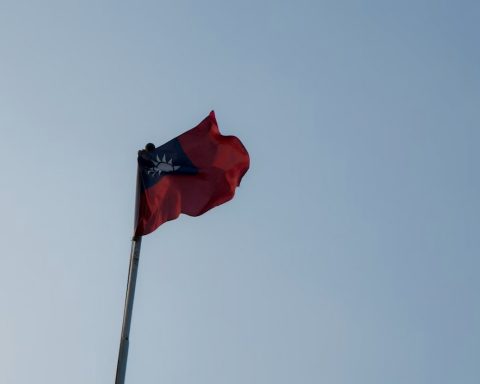
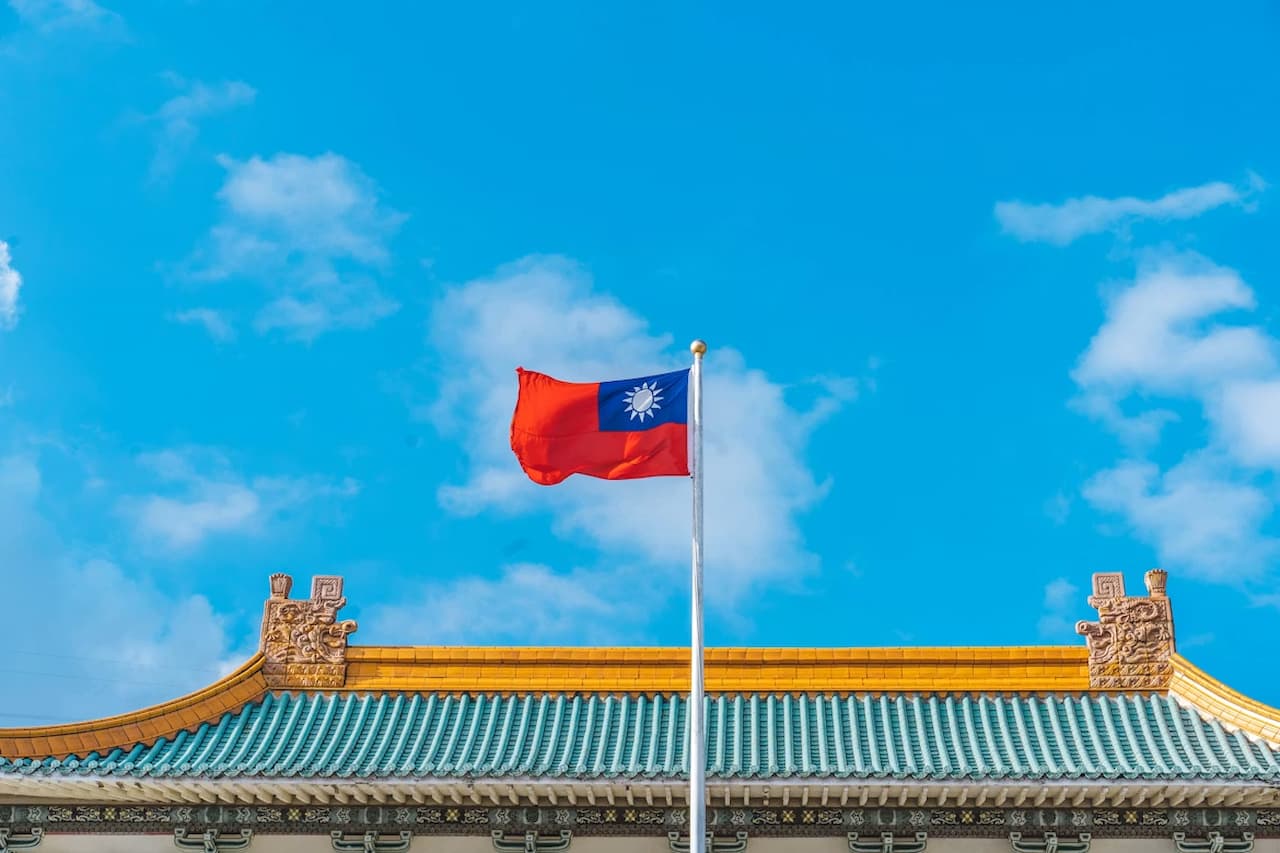
TAIPEI, June 24 (Parliament Politics Magazine) – Taiwan is shifting its military strategy as officials acknowledge that the warning time for a potential Chinese attack is rapidly shrinking.
Defence Minister Wellington Koo announced on Wednesday that the island’s armed forces are currently testing their ability to respond immediately to a sudden escalation.
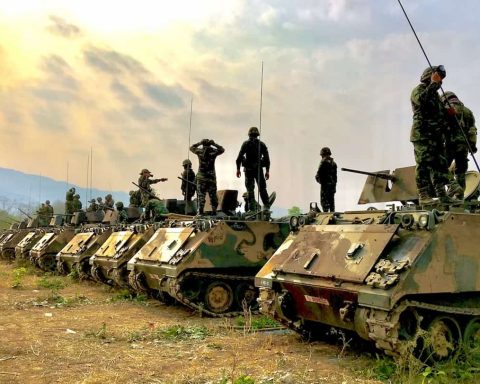
The military has launched five days of intensive drills centered on immediate combat readiness. These exercises are based on the realistic scenario that China could instantly transform its near-daily maneuvers around the island into an actual offensive.
The heightened sense of urgency follows recent activity in the region, including the transit of China’s newest aircraft carrier through the Taiwan Strait on Tuesday. Beijing, which claims the self-governed island as its own territory, maintains a near-constant military presence in the area.
Minister Koo told reporters in parliament that the drills are designed to accelerate the transition from peacetime to wartime status.
“In other words, given the current threat situation from the enemy, and as we believe the warning time is shortening, we need to verify that we can respond immediately,” Koo said.
Drills Focus on Speed
The current training exercises place a premium on rapid deployment and the ability to shift into combat mode without delay. This approach marks a change in how the military conducts its regular readiness tests, moving away from more predictable scheduling.
These drills come ahead of the main annual Han Kuang military exercises, which are scheduled to take place later this year in August. Previous exercises held earlier this month saw the military test its new U.S.-made HIMARS rocket system by firing it into the Taiwan Strait.
Beijing Responds to Readiness
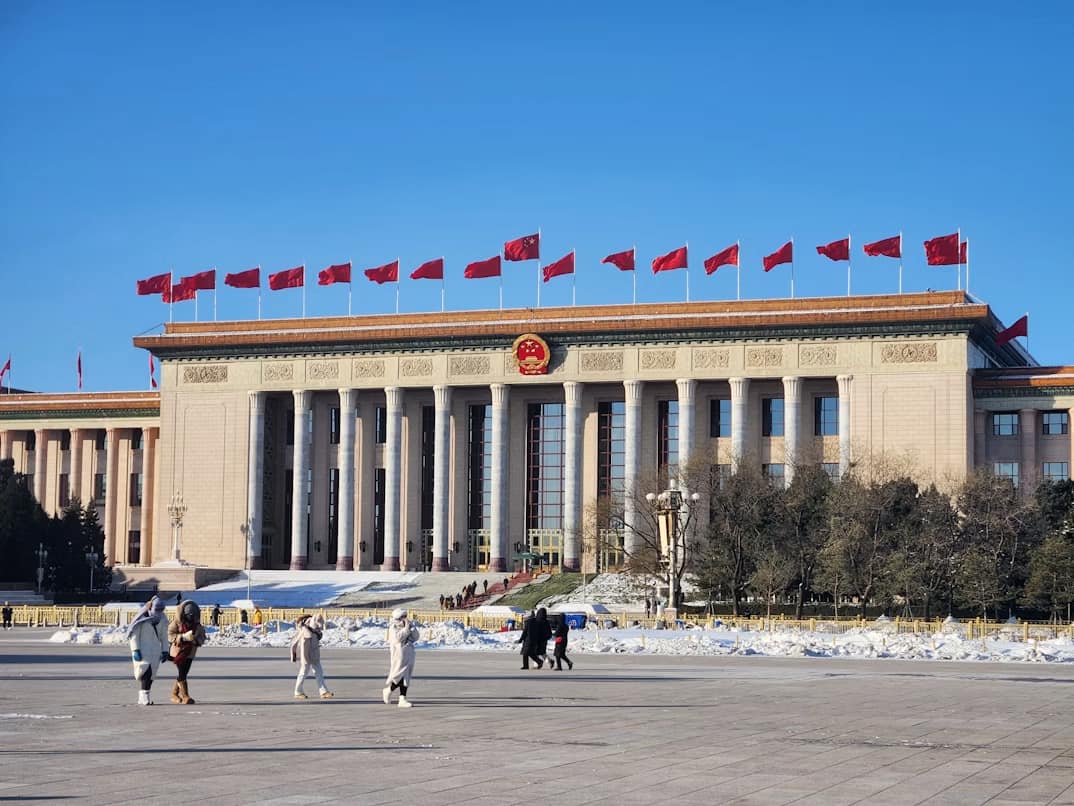
The focus on combat readiness has drawn criticism from officials in Beijing. Zhang Han, a spokesperson for China’s Taiwan Affairs Office, described the exercises as an attempt to seek independence by force.
During a press conference held in Beijing, Zhang stated that such military posturing would only result in harm to the island. She reiterated that while Beijing aims for peaceful reunification, it refuses to renounce the use of force to prevent separatist activities.
Military Modernization Goals
President Lai Ching-te has prioritized the modernization of Taiwan’s armed forces as part of a broader security strategy. The government has set a firm goal to increase total defense spending to 5 percent of the gross domestic product before 2030.
During a military promotion ceremony on Wednesday, President Lai directed senior generals to lead force transformation with innovative thinking. The President noted that evolving regional conditions and complex, non-traditional security challenges necessitate a rapid evolution in defense capabilities.
The United States continues to serve as the primary international supporter for Taiwan. Raymond Greene, the top U.S. diplomat in Taipei, recently emphasized the importance of maintaining regional stability.
In remarks shared by the de facto U.S. embassy on Tuesday, Greene noted that regional allies are working toward a consensus on deterring contingencies. He highlighted that international efforts remain focused on maintaining the status quo of the first island chain, which stretches from Japan down to Taiwan, the Philippines, and Borneo.