WASHINGTON, June 25 (Parliament Politics Magazine) – The White House has formally requested more than $1.4 billion in new funds from Congress to address the rapidly expanding Ebola virus outbreak in Central Africa. This proposal aims to bolster both international humanitarian response efforts and domestic security measures to prevent the disease from reaching the United States.
The funding request was submitted as part of a larger supplemental package to lawmakers on Wednesday. According to an administration official, the requested capital is divided into three primary categories designed to address immediate medical needs and long-term surveillance.
Allocation of Emergency Funds
The largest portion of the request, totaling $800 million, is designated for humanitarian crisis response. These funds are intended to cover medical supplies, treatment facilities, contact tracing, and the establishment of a regional logistics network to manage infection control. A significant component of this allocation includes financing a quarantine center in Kenya specifically intended for Americans exposed to the virus.
An additional $500 million is sought for global health security initiatives. U.S. officials stated this investment is vital for strengthening disease surveillance, expanding laboratory capacity, and enhancing cross-border coordination. These measures are designed to act as a defensive barrier, reducing the risk of the virus spreading to American soil.
The remaining $90 million is earmarked for diplomatic operations. This portion supports the evacuation and transportation of U.S. citizens infected with the virus to designated treatment facilities abroad, maintaining a strategy that keeps potentially infectious cases outside the United States.
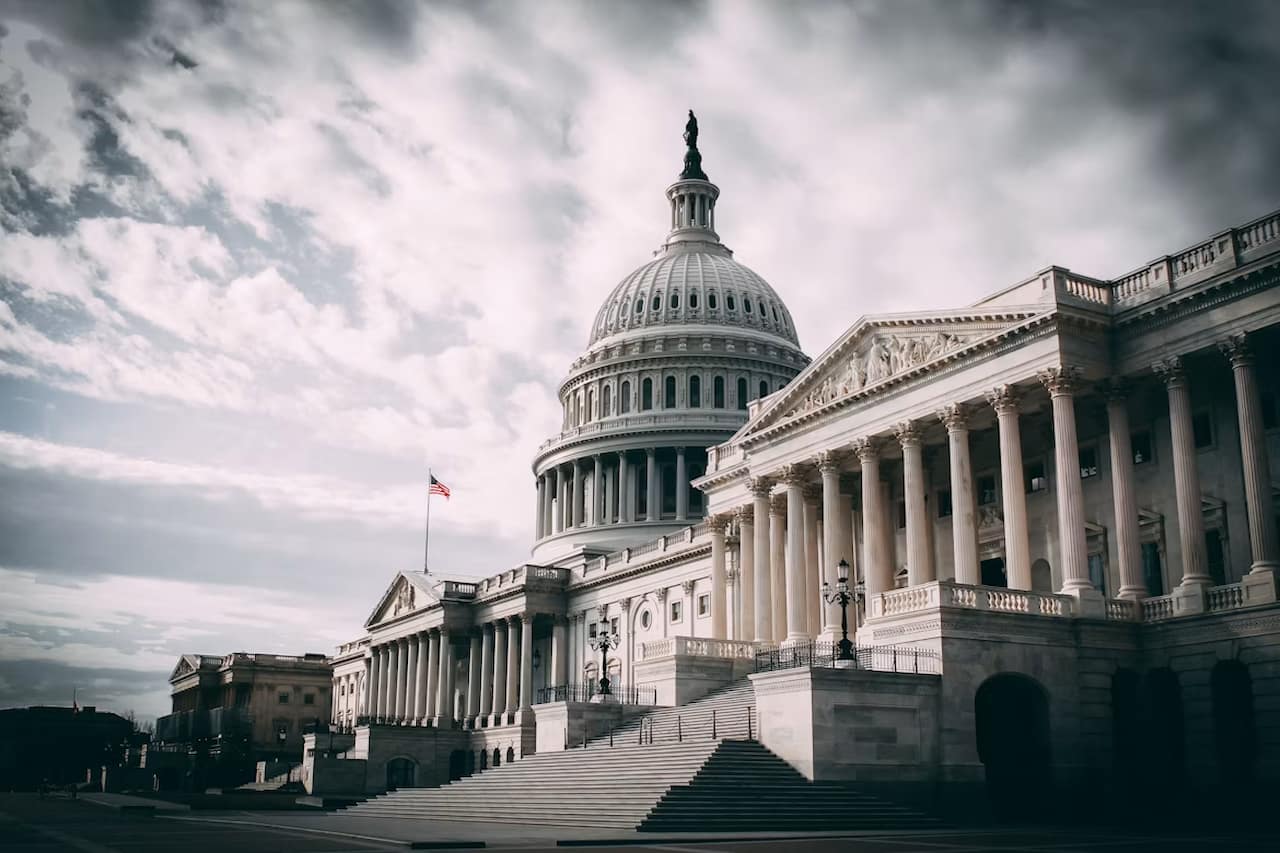
Despite the administration’s push for rapid approval, the request faces a complex political landscape on Capitol Hill. Aides have indicated that the proposal may encounter resistance from lawmakers, including some of President Donald Trump’s fellow Republicans.
The friction largely stems from dissatisfaction regarding the administration’s prior approach to foreign assistance. Critics have argued that recent budget cuts to the U.S. Agency for International Development and broader reductions in public health infrastructure have weakened the ability of the United States to respond effectively to global health emergencies.
Assessing the Public Health Threat
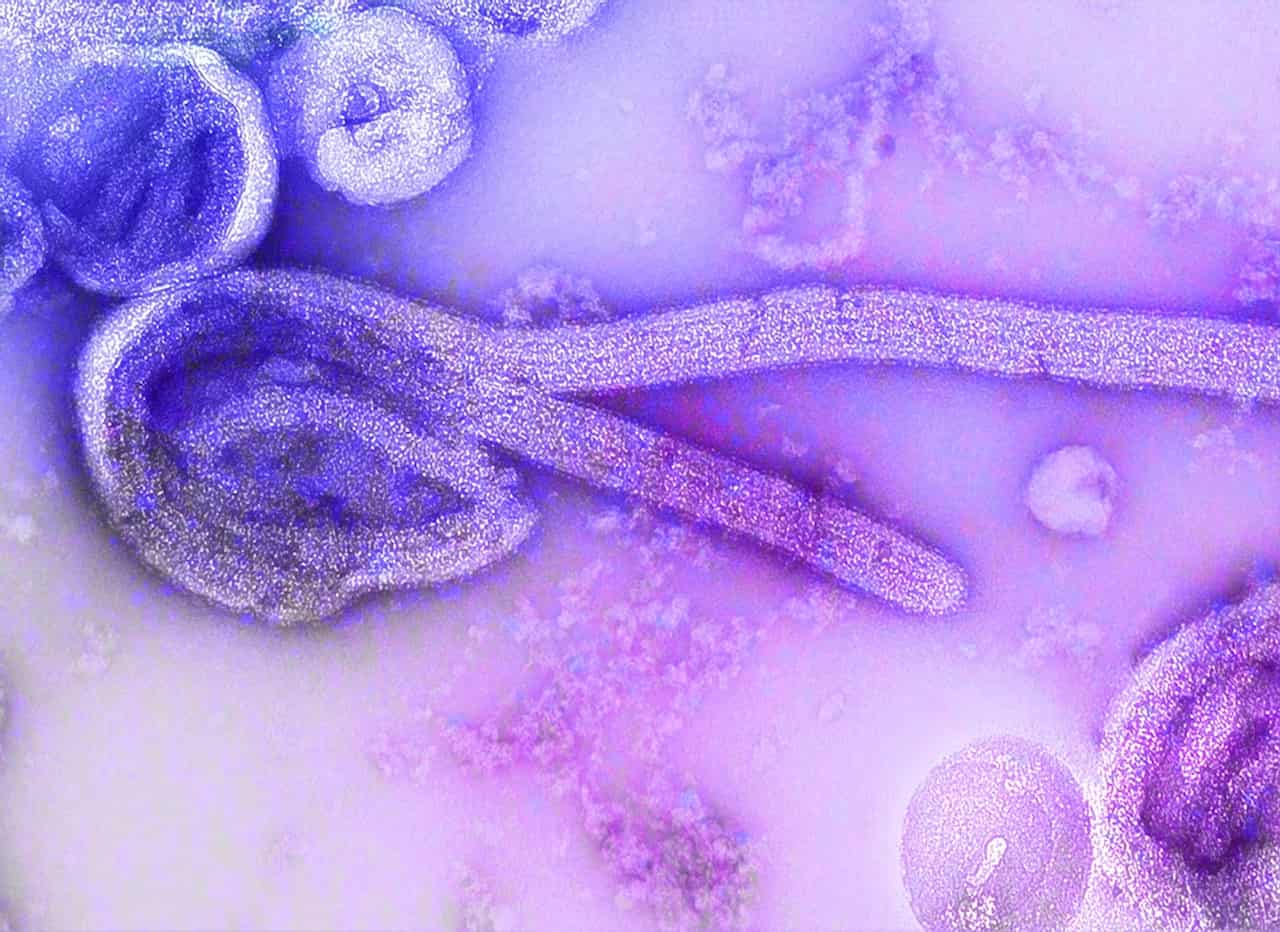
The current outbreak is linked to the rare Bundibugyo strain of the Ebola virus, primarily centered in the Democratic Republic of Congo. The World Health Organization reported that the virus has already infected more than 1,000 people and resulted in 267 deaths. This pace of transmission marks the largest number of confirmed cases within the first month of any recorded episode of the disease.
“This is a very serious outbreak, and so a very serious response is needed now,” said Josh Michaud, a public health analyst with KFF, a health policy research group.
Michaud noted that the requested $1.4 billion aligns with the scale of the emergency, especially when compared to historical spending. During the previous DRC outbreak between 2018 and 2020, the United States provided approximately $266 million in total support.
The U.S. has also adjusted its medical strategy to combat the current surge. In a notable shift from previous policies that prioritized experimental drugs exclusively for American patients, the government has agreed to provide doses of an experimental antibody treatment for use in international clinical trials.
As the outbreak continues to draw global attention, European nations are also grappling with the risk of transmission. France recently recorded its first confirmed case linked to the outbreak, involving a doctor who returned from a humanitarian mission in the Democratic Republic of Congo. While the World Health Organization has described the current risk of global spread as low, the request for increased funding underscores the administration’s attempt to prepare for a worst-case scenario.