
Lung cancer is the UK’s biggest cancer killer, claiming nearly 33,000 lives every year.
For too long, survival rates in this country lagged behind many of our international counterparts. When the UK Lung Cancer Coalition was launched in 2005, just 8% of patients survived for five years after diagnosis.
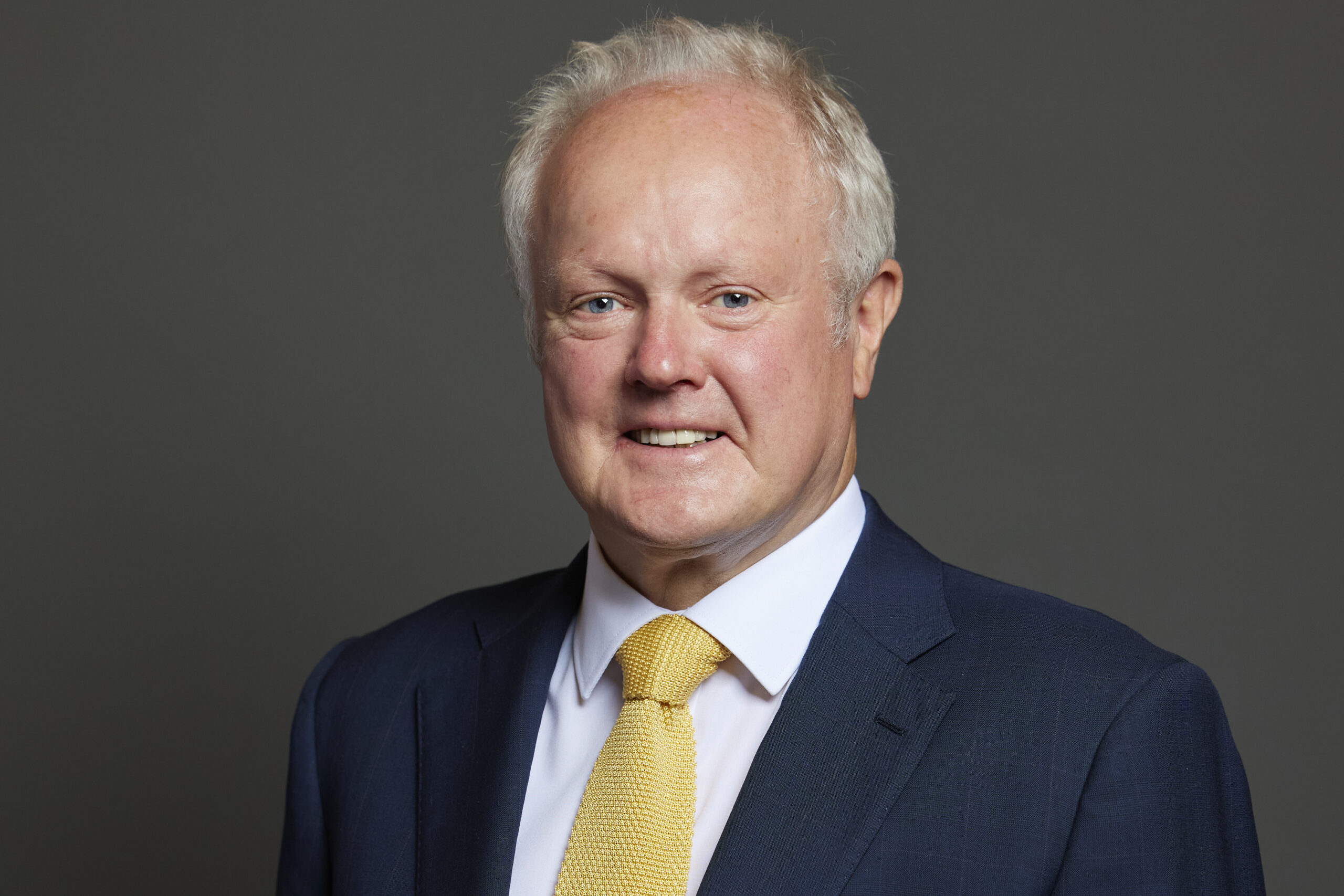
That is why I applied for a debate on a national lung screening programme, held in Westminster Hall on 25 June.
When I first applied for the debate, the National Cancer Plan had not yet been published. Since then, the Government has confirmed that a national lung screening programme will be delivered across England, with a commitment to reach all eligible patients by 2030.
That is a significant step forward and one that deserves recognition. But a commitment on paper is only the beginning. We must now ensure the programme is delivered in full and without delay.
Targeted lung cancer screening
Targeted lung cancer screening has become one of the NHS’s biggest success stories.
More than 10,600 lung cancers have already been detected through the programme, with over 75% diagnosed at an early stage, when treatment is most effective. Before screening, only 28% of lung cancers were detected this early.
Early diagnosis gives patients more treatment options, improves survival rates and offers the best chance of remission.
The programme is also identifying other serious conditions, including chronic obstructive pulmonary disease and cardiovascular disease, allowing patients to access treatment earlier.
Importantly, screening has proved particularly effective in reaching communities with the highest smoking rates and greatest incidence of lung cancer, helping to tackle long-standing health inequalities.
There is no question that lung cancer screening is saving lives.
Delivering on the promise
The Labour Government deserves credit for including a national lung screening programme in the National Cancer Plan. However, good intentions alone do not improve outcomes. Success depends on delivery.
That means ensuring the programme continues to expand at pace and that funding remains available beyond the current rollout.
There are also concerns about variations in delivery across different parts of the country. We must ensure that ongoing changes within the NHS do not disrupt a programme that is already achieving remarkable results.
The Department of Health and Social Care should also work with counterparts in Scotland and Northern Ireland so that the devolved governments can learn from the success of the English programme and consider similar approaches.
Investing in the workforce
One of the greatest threats to the long-term success of lung cancer screening is workforce capacity.
The programme relies on radiologists, pathologists, thoracic surgeons and specialist diagnostic teams, yet workforce shortages across the NHS are already placing services under considerable strain.
As screening expands, demand for these specialists will continue to grow. Without sufficient staffing, delays to diagnosis and treatment could undermine many of the benefits the programme is designed to achieve.
That is why I continue to press the Government to publish its workforce plan and increase training places in the specialist areas needed to support cancer services.
The ambitions set out in the National Cancer Plan can only be achieved if the workforce exists to deliver them.
Holding the Government to account
Alongside delivering the lung screening programme, we must ensure the Government remains accountable for meeting its wider cancer commitments.
That is why I recently introduced my Cancer (Reporting and Strategy) Bill, which would require annual reports to Parliament on progress towards the targets set out in the National Cancer Plan.
The plan contains ambitious commitments, including reducing waiting times, improving diagnosis rates and rolling out comprehensive lung screening by 2030. Those commitments are welcome, but history shows that without regular scrutiny, plans can be delayed or forgotten.
Patients deserve regular updates on whether progress is being made and where further action is needed. Accountability is about ensuring that promises translate into real improvements for those affected by cancer.
Lung cancer screening is already transforming outcomes across England. The challenge now is to ensure every eligible person can benefit from it.
If we get this right, we can save thousands of lives, reduce health inequalities and move much closer to making the UK’s cancer survival rates among the best in the world.
We must deliver on our promise of a national lung screening programme

5 mins read
Latest from UK Parliament

On the afternoon of Monday 15 June, the APPG on Investment Fraud and Fairer Financial Services

This week I held a debate in the House of Commons concerning euthanasian within dog and
Few institutions are as deeply woven into the fabric of British life as the village pub.
In the 1950s, there were over 700,000 men working in the pits in this country—people like
Allegations of parental alienation cannot be allowed to overshadow or undermine concerns about abuse
I believe the family justice system is failing too many children. The consequences of this are