
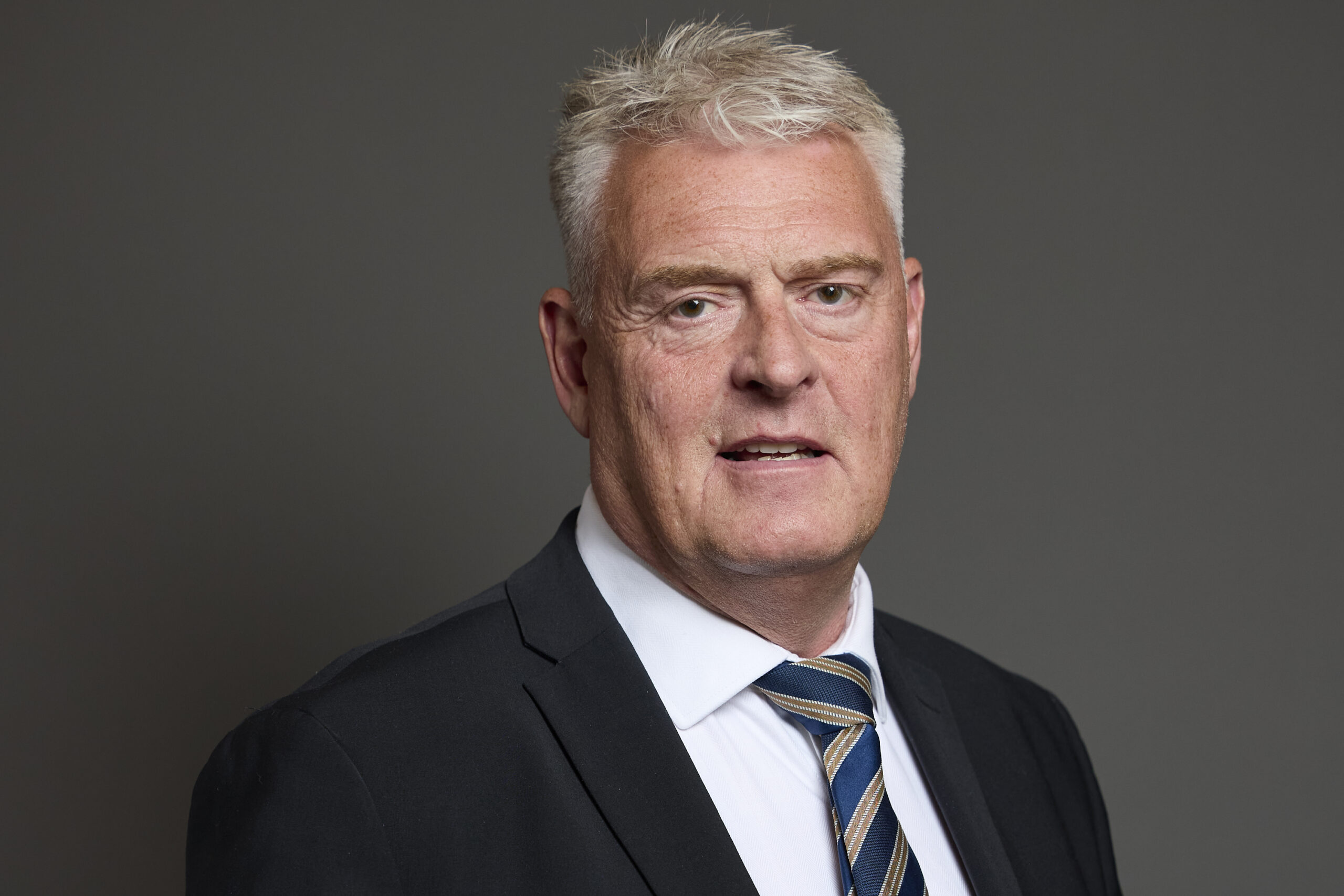
In the 1950s, there were over 700,000 men working in the pits in this country—people like my grandads, great grandad, dad and uncles. I cannot remember any male member of my family not working down the pit in the 1950s and 1960s.
When I went underground for the first time in the 1980s, there were still around 170,000 men working in the coal mine. Now we have probably about 112,000 former miners still living. There are currently around 38,000 members in the British Coal Staff Superannuation Scheme, and many of them will be women who worked in the industry, or widows of men who did. It is important to highlight that I am one of the youngest members in the scheme, with the average age of a member being about 78 years.
One of the questions that we must ask ourselves is: how many members of the scheme will be left in 10 years’ time? I reckon there will be half as many as there are today, because members of both schemes—the Mineworkers’ Pension Scheme and the BCSSS—are dying every single day.
That is why earlier this week I held a debate in Parliament on the BCSSS surplus sharing arrangements. The longer we wait for the surplus to be shared, the less miners there will be.
It is hard to explain what it was like to work down a coalmine. It is like nothing else. I worked at four different pits in my time as a coalminer. I started off at Sutton colliery and ended up at Welbeck colliery in north Nottinghamshire. I did not need an alarm clock to get up to go to work on a day shift because I could hear my dad’s alarm clock going off. He would wake up and get me up, and he would take me to Sutton colliery, where we would do a shift together.
Mining was more than just a job. The miners did not stop turning coal once they left the pit, had a bath and went home. They would still be talking about it in the miners’ welfare at night-time, or at a football match on a Saturday. It was just a way of life that was bred into the mining communities, but what former miners really remember is the danger, the noise and the heat, and the sense of unity they had with their fellow working miners. It is the sort of unity we see now among the ex-miners who are still here, fighting for a fairer deal under both pension schemes.
I started in the pit a year after the miners’ strike of 1984-85. My dad had been a striking miner. He was on strike because he knew that closing the pits would kill communities. He was right, and 40 years later, we are still recovering.
Communities of decent, hard-working miners were ripped apart because they were being used by people in high places, who had personal scores to settle. Today we have politicians and people in high places who have the chance to make amends for this injustice.
My ask of the Minister was simple: commit to ensuring that the scheme can share 100% of any future surplus with all members and their spouses from its next valuation.
I feel incredibly proud of the contribution that my community has made to this country, but I also feel incredibly sad when I look at what has happened since all the pits closed in the 1980s and ’90s. I have to give credit to the Government for the investment reserve fund for both schemes, but we must continue to get justice for the miners. It is the least they deserve for the service that they gave to our great country.
Miners deserve to be told the surplus sharing arrangement for the British Coal Staff Superannuation Scheme

5 mins read

Latest from UK Parliament

Few institutions are as deeply woven into the fabric of British life as the village pub.
Allegations of parental alienation cannot be allowed to overshadow or undermine concerns about abuse
I believe the family justice system is failing too many children. The consequences of this are
From the 23rd of July to the 2nd of August, Glasgow will host the 23rd Commonwealth
Illicit finance is a major drain on our economy and a driver of criminality across society.

For most of us, leaving the house is something we do without thinking too much about