


Oreshnik missile strikes intensified global concern after Russia launched one of the largest attacks on Kyiv in 2026.
The assault increased pressure on Ukraine’s air defenses while NATO allies monitored rising regional security risks.
Military analysts say the latest escalation could influence future defense planning across Europe.
KYIV, UKRAINE, May 24 (Parliament Politics Magazine) – Oreshnik missile reports drew international attention after Russia launched one of the largest aerial assaults on Kyiv since the war began. Ukrainian officials confirmed multiple explosions across the capital overnight as missile systems and drones targeted strategic areas around the city.
Air raid sirens remained active for several hours while emergency response crews worked across damaged districts. Ukrainian authorities stated that air defense systems were heavily engaged throughout the attack as residents sheltered underground during repeated waves of strikes.
The latest developments involving the Oreshnik missile immediately triggered concern among NATO allies, European parliament leaders, and global security analysts monitoring military escalation across Eastern Europe.
Kyiv Faces Intensified Air Assaults
Ukrainian officials described the overnight attack as one of the most significant assaults against Kyiv in recent months. Authorities reported damage to infrastructure, transportation systems, and several residential districts following the strikes.
Military analysts believe the use of systems linked to the Oreshnik missile reflects Russia’s continued focus on applying pressure through long-range aerial attacks designed to challenge Ukraine’s defensive capabilities.
One defense analyst stated:
“The scale of the assault demonstrates how missile warfare continues evolving as a central part of the conflict.”
The statement gained attention among Western security experts following reports of expanding strike activity around Kyiv.
Oreshnik Missile Draws International Military Attention
Defense observers across Europe and the United States focused heavily on reports tied to the Oreshnik missile after details of the assault emerged.
Military specialists continue evaluating the missile’s potential range, strike capability, and operational role within Russia’s broader strategy. While many technical details remain limited, analysts believe the latest attack signals an increasing reliance on advanced long-range systems.
The growing focus on the Oreshnik missile also renewed discussions regarding NATO missile defense coordination and military preparedness across Eastern Europe.
Several European security officials warned that repeated large-scale strikes could increase pressure on regional defense infrastructure during the remainder of 2026.
European parliament officials responded quickly after reports of the attack spread internationally.
Several lawmakers urged continued support for Ukraine while emphasizing the importance of avoiding broader regional escalation. European governments remain concerned about the economic and security consequences tied to prolonged military conflict near NATO territory.
The latest assault involving the Oreshnik missile also became a major discussion point during meetings focused on energy security and defense planning.
One European adviser commented:
“Long-term regional stability depends heavily on maintaining defensive coordination while supporting diplomatic communication.”
The statement reflected growing concern regarding the future direction of the conflict.
| Year | Major Development | Impact |
|---|---|---|
| 2022 | Full-scale invasion began | Global sanctions expanded |
| 2023 | Missile campaigns intensified | Infrastructure damage increased |
| 2024 | Drone warfare expanded | Air defense systems pressured |
| 2026 | Oreshnik missile reports emerge | Security concerns escalated |
NATO Closely Monitors Missile Activity
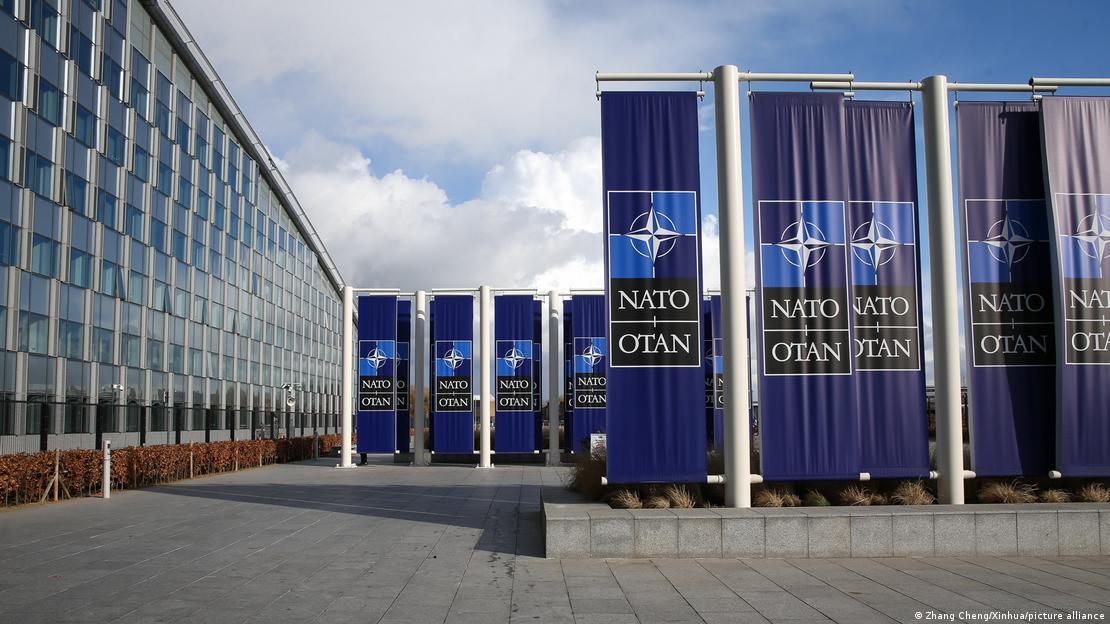
NATO defense officials continued monitoring developments linked to the latest Oreshnik missile reports.
Western military planners emphasized the importance of strengthening air defense capabilities as long-range missile operations become increasingly common within the conflict. Security analysts believe continued missile escalation may influence future NATO defense investments and regional military coordination.
The latest attack also renewed discussions regarding additional military support for Ukraine, particularly involving advanced interception systems and strategic defense technology.
Global Markets React to Rising Security Concerns
International financial markets reacted cautiously following reports of the Kyiv assault.
Energy traders and investors closely monitored geopolitical developments amid concerns that prolonged conflict conditions could affect transportation routes, fuel prices, and broader economic stability throughout Europe.
The continued focus on the Oreshnik missile also increased investor attention surrounding defense industries and geopolitical risk exposure tied to Eastern Europe.
Economists warned that sustained instability could continue pressuring investor confidence during the second half of 2026.
Strategic Outlook for the Conflict
Military analysts believe Russia’s latest operation demonstrates a continued strategy focused on applying long-range military pressure while testing Ukraine’s defensive response capabilities.
At the same time, Ukrainian officials continue requesting additional military assistance and advanced defense systems from Western allies.
The international community is expected to closely monitor whether future attacks involving the Oreshnik missile result in additional NATO security measures or expanded diplomatic efforts.
The latest assault on Kyiv marked another major escalation in the Russia-Ukraine conflict and intensified international concern surrounding advanced missile warfare. Reports linked to the Oreshnik missile increased global attention on the growing sophistication of long-range strike operations and their broader impact on European security.
NATO allies, European parliament officials, and global financial markets continue closely monitoring developments surrounding the conflict. Security analysts warn that continued missile operations could further increase regional instability across Eastern Europe during 2026. Investors are also watching geopolitical risks tied to energy markets, transportation routes, and defense activity.
The Russia-Ukraine war remains one of the most closely followed international security crises affecting global stability this year.