


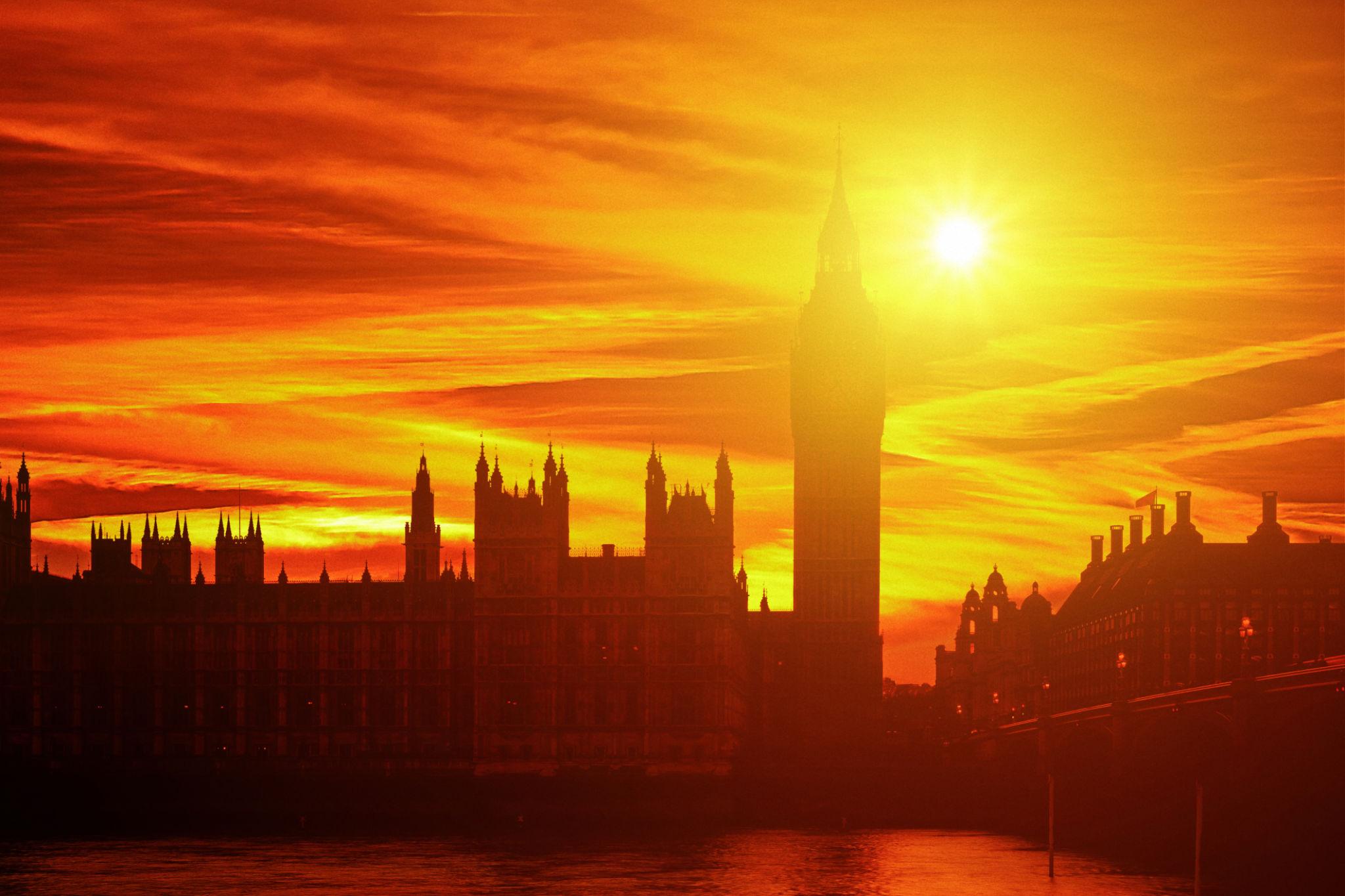
London, United Kingdom (Parliament Politics Magazine) UK heatwave 2026 is driving unusually high temperatures across Britain as weather systems push warm air into the region.
Forecasters warn the rare spring heat event could impact travel, public health, and energy systems nationwide.
Climate experts say the latest weather shift reflects increasing volatility across European temperature patterns.
London Faces Rare Spring Heat Conditions
UK heatwave 2026 is becoming one of the most closely watched weather stories across Europe as Britain experiences temperatures more commonly associated with southern Mediterranean destinations. Meteorologists say parts of England could see conditions significantly above seasonal averages as warm continental air settles across the country.
The developing weather pattern is expected to bring sunshine and dry conditions to major urban centers including London, Birmingham, Manchester, and surrounding southeastern regions. Forecasters say the unusual warmth is being caused by stable high-pressure systems stretching across western Europe.
Residents across Britain are already responding to the changing conditions by visiting parks, beaches, cafés, and outdoor tourism destinations as the country transitions into an early summer atmosphere.
“This weather setup is highly unusual for May in Britain and could continue developing through the week,”
one climate analyst stated.
| Category | Latest Forecast Data |
|---|---|
| Peak Temperature Forecast | 28°C to 31°C |
| Warmest Region | Southeast England |
| Forecast Duration | 5–7 Days |
| Major Cities Affected | London, Birmingham, Manchester |
| Public Health Alert Level | Moderate |
| Tourism Impact | Increased Domestic Travel |
| Energy Demand Risk | Elevated |
| Climate Concern Level | High |

Why Britain Is Heating Faster This Week
Weather experts say atmospheric blocking patterns are responsible for the rising temperatures across Britain. These systems prevent cooler Atlantic weather fronts from entering the UK while allowing warmer air from mainland Europe and North Africa to move northward.
UK heatwave 2026 has rapidly gained attention because temperatures in parts of Britain are temporarily approaching or exceeding conditions normally associated with southern Europe during this period.
The warmer conditions are also expected to create clearer skies and lower rainfall totals, benefiting tourism and hospitality sectors while increasing concerns about heat-related stress in urban environments.
“Europe’s weather systems are becoming increasingly unstable, and sudden temperature swings are becoming more frequent,”
a European weather researcher explained.
Public Health Officials Issue Heat Guidance
Health agencies across Britain are encouraging residents to remain cautious during the warm conditions, particularly vulnerable populations including older adults, young children, and individuals with respiratory illnesses.
Because many British homes are designed to retain heat during colder seasons, prolonged warm temperatures can create uncomfortable indoor conditions during heatwaves.
Officials recommend:
- Drinking additional water throughout the day
- Avoiding peak afternoon sun exposure
- Wearing lighter clothing outdoors
- Monitoring elderly family members
- Using sunscreen during extended outdoor activity
Retailers are already reporting increased sales of fans, cooling products, bottled water, and summer apparel as consumers prepare for extended warm weather.
Transportation Systems Monitor Rising Temperatures
Transport operators are closely watching infrastructure conditions as UK heatwave 2026 develops across the country. Rail operators and highway agencies often face challenges during high-temperature events due to expansion of materials and increased system stress.
Network officials say contingency plans are being reviewed to reduce potential disruptions if temperatures continue rising through the week.
Airports are also preparing for increased passenger movement as travelers seek domestic beach destinations and European holiday routes during the unusually warm conditions.
The tourism industry expects a major economic boost if sunshine remains stable across Britain during the coming days.
Tourism and Hospitality Industry Expect Major Gains
Restaurants, pubs, hotels, and entertainment venues are expected to benefit significantly from the warmer weather pattern. Outdoor dining and rooftop venues in London and other urban centers are already seeing increased activity.
Hospitality analysts say UK heatwave 2026 may provide an important economic boost for local businesses after months of slower spring weather activity.
Popular coastal destinations expected to attract higher visitor numbers include:
- Brighton
- Bournemouth
- Cornwall
- Blackpool
- Scarborough
- Devon coastal regions
Tourism officials believe domestic travel spending could rise substantially if the heatwave extends into late May.
“Warm weather consistently drives higher spending across tourism and hospitality sectors in Britain,”
one travel analyst noted.
History of Major UK Heat Events
Historical UK Heatwave Timeline
| Year | Major Event | Impact |
|---|---|---|
| 1976 | Historic UK drought and heatwave | Water shortages nationwide |
| 2003 | European heatwave impacts Britain | Record summer temperatures |
| 2018 | Long summer heat event | Agriculture and transport stress |
| 2022 | UK exceeds 40°C for first time | Infrastructure disruptions |
| 2026 | UK heatwave 2026 develops | Rising climate concerns |
Climate Experts Warn About Long-Term Trends
Environmental scientists say repeated warm weather events across northern Europe are becoming increasingly common due to changing global climate conditions.
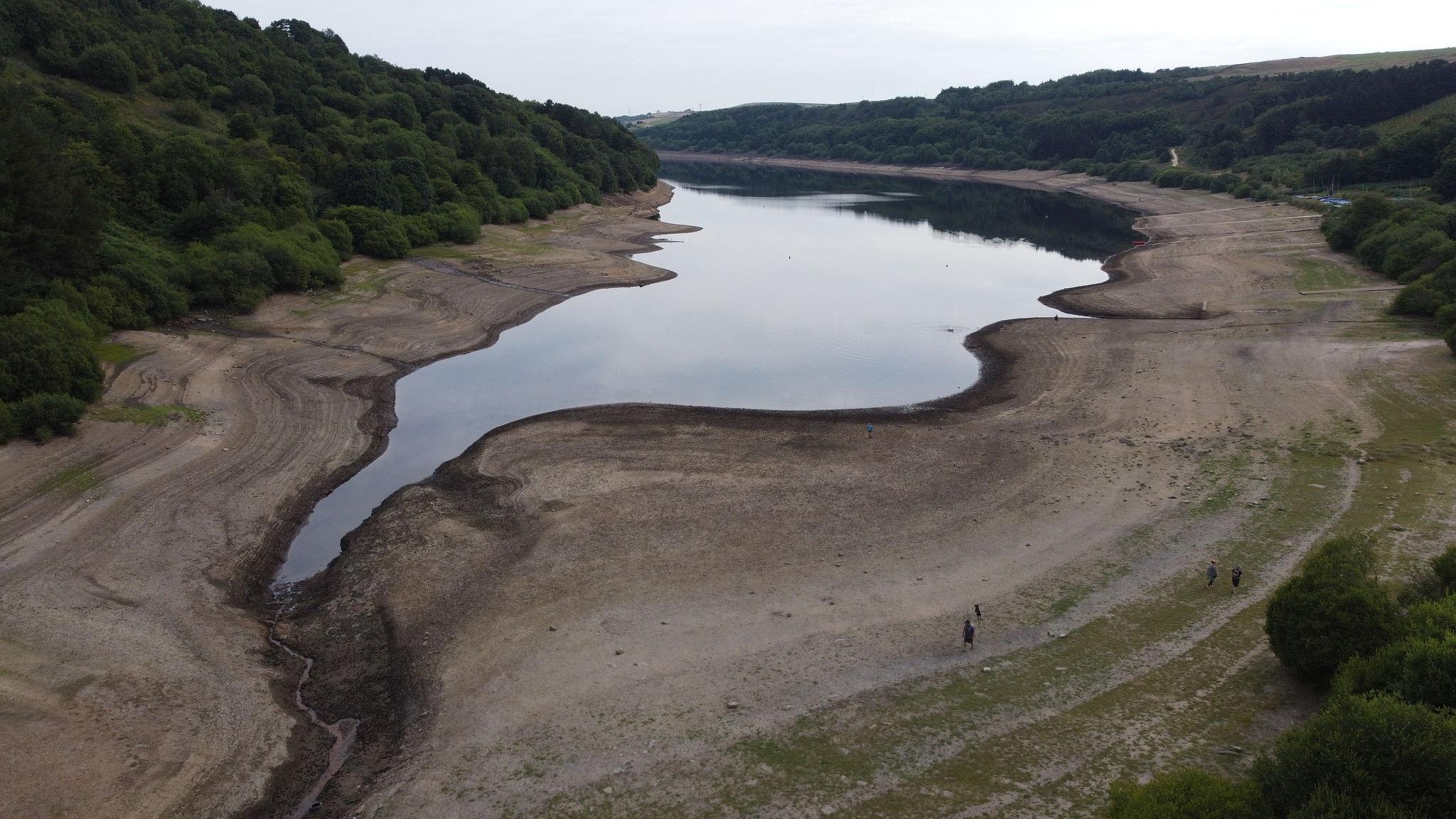
Researchers believe UK heatwave 2026 may represent part of a larger trend involving stronger heat systems, drier summers, and increased weather volatility throughout Europe.
Urban planning specialists are now discussing long-term investments involving:
- Cooling infrastructure
- Energy system upgrades
- Green urban spaces
- Improved building ventilation
- Emergency heat preparedness programs
Climate discussions are also intensifying among policymakers as governments review adaptation strategies for future heat events.
Economic Impact of Rising Temperatures
The economic effects of warmer weather are often mixed. While hospitality, tourism, and retail sectors may experience gains, other industries can face operational challenges.
Construction companies, transportation operators, and agricultural producers often monitor heat conditions closely due to productivity and infrastructure concerns.
UK heatwave 2026 is also expected to increase electricity demand as cooling systems and refrigeration usage rise across Britain.
Financial analysts say energy consumption trends during warm weather periods are becoming increasingly important to national infrastructure planning.
Social Media Reacts to Britain’s Weather Shift
Online discussion surrounding UK heatwave 2026 has surged across social platforms as residents compare Britain’s temperatures with southern European destinations.
Photos of crowded beaches, public parks, rooftop gatherings, and outdoor cafés are rapidly spreading online as the unusual spring weather captures international attention.
The dramatic weather shift has also sparked broader discussion regarding climate change, urban preparedness, and long-term environmental trends.
Experts say the event reflects broader environmental changes that could continue reshaping weather expectations across Europe in the coming years.