

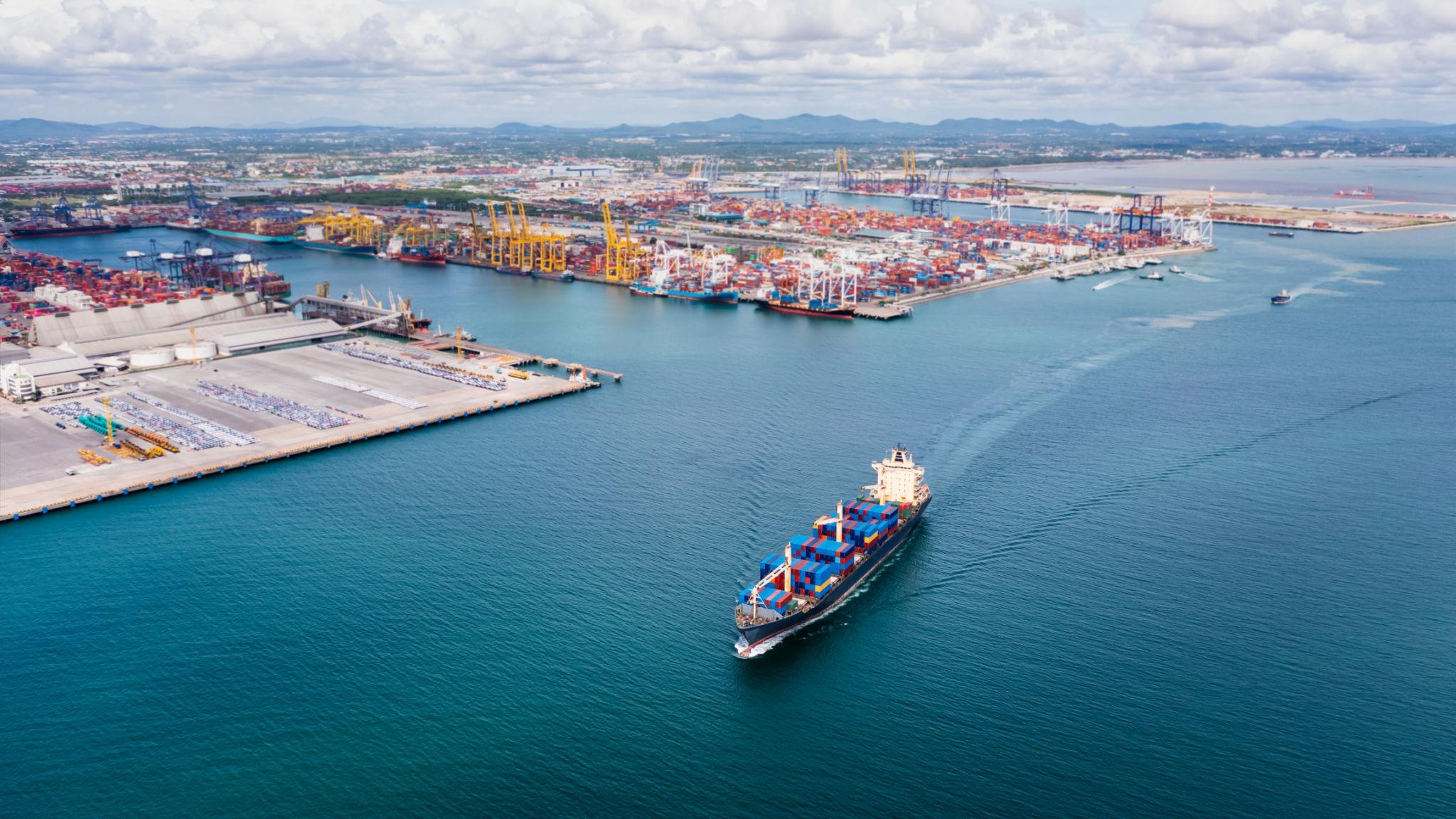
Transportation cost increase concerns are accelerating globally in 2026 as rising fuel prices and supply chain disruptions pressure businesses and consumers.
Shipping, freight, airline, and logistics expenses continue climbing amid energy market volatility and geopolitical instability.
Analysts warn prolonged transportation inflation could affect food prices, manufacturing costs, and overall economic growth worldwide.
NEW DELHI, India (Parliament Politics Magazine) transportation cost increase concerns are spreading across global markets as rising fuel prices, supply chain disruptions, and geopolitical instability continue pressuring shipping, freight, airline, and logistics industries throughout 2026.
Businesses and consumers worldwide are increasingly feeling the financial impact as transportation expenses rise across multiple sectors linked to trade, manufacturing, food distribution, and retail operations.
Industry analysts warn that sustained increases in transportation costs could contribute to broader inflationary pressure affecting economies already facing slower growth and financial uncertainty.
“Transportation costs influence nearly every product consumers purchase, making logistics inflation one of the most important economic pressures globally,”
logistics analyst Priya Sharma said.
The growing cost pressures are forcing businesses to reevaluate pricing strategies, supply chains, and operational planning.
Fuel Prices Remain a Major Driver of Rising Costs
The rapid rise in transportation cost increase concerns is closely tied to ongoing volatility in global fuel markets.
Key contributing factors include:
- Crude oil price fluctuations
- Diesel price increases
- Energy supply uncertainty
- Geopolitical tensions
- Shipping route disruptions
Transportation industries remain heavily dependent on fuel costs, making energy market instability one of the largest factors affecting logistics pricing.
Analysts say continued geopolitical tensions in oil-producing regions could keep transportation expenses elevated throughout much of 2026.
Global Shipping Industry Faces Continued Pressure
The shipping sector remains one of the industries most affected by the ongoing transportation cost increase trend.
Several major issues continue impacting freight operations:
- Port congestion
- Container shortages
- Longer delivery times
- Higher insurance costs
- Fuel surcharges
International shipping companies have increasingly adjusted pricing structures to offset rising operational expenses tied to global market instability.
Importers and exporters across multiple industries are now paying significantly higher transportation fees compared to previous years.
A maritime trade consultant stated:
“Shipping costs have become one of the most unpredictable variables affecting global commerce.”
That uncertainty is influencing international trade activity and supply chain management strategies.
Consumers Experience Rising Everyday Costs
The expanding transportation cost increase trend is also affecting consumers directly.
Higher transportation expenses are contributing to rising prices involving:
- Grocery products
- Online deliveries
- Airline tickets
- Public transportation
- Consumer goods
Businesses often pass higher freight and logistics expenses to consumers, increasing inflationary pressure across the broader economy.
Several economists warn that prolonged transportation inflation may weaken consumer purchasing power if wage growth fails to keep pace with rising costs.
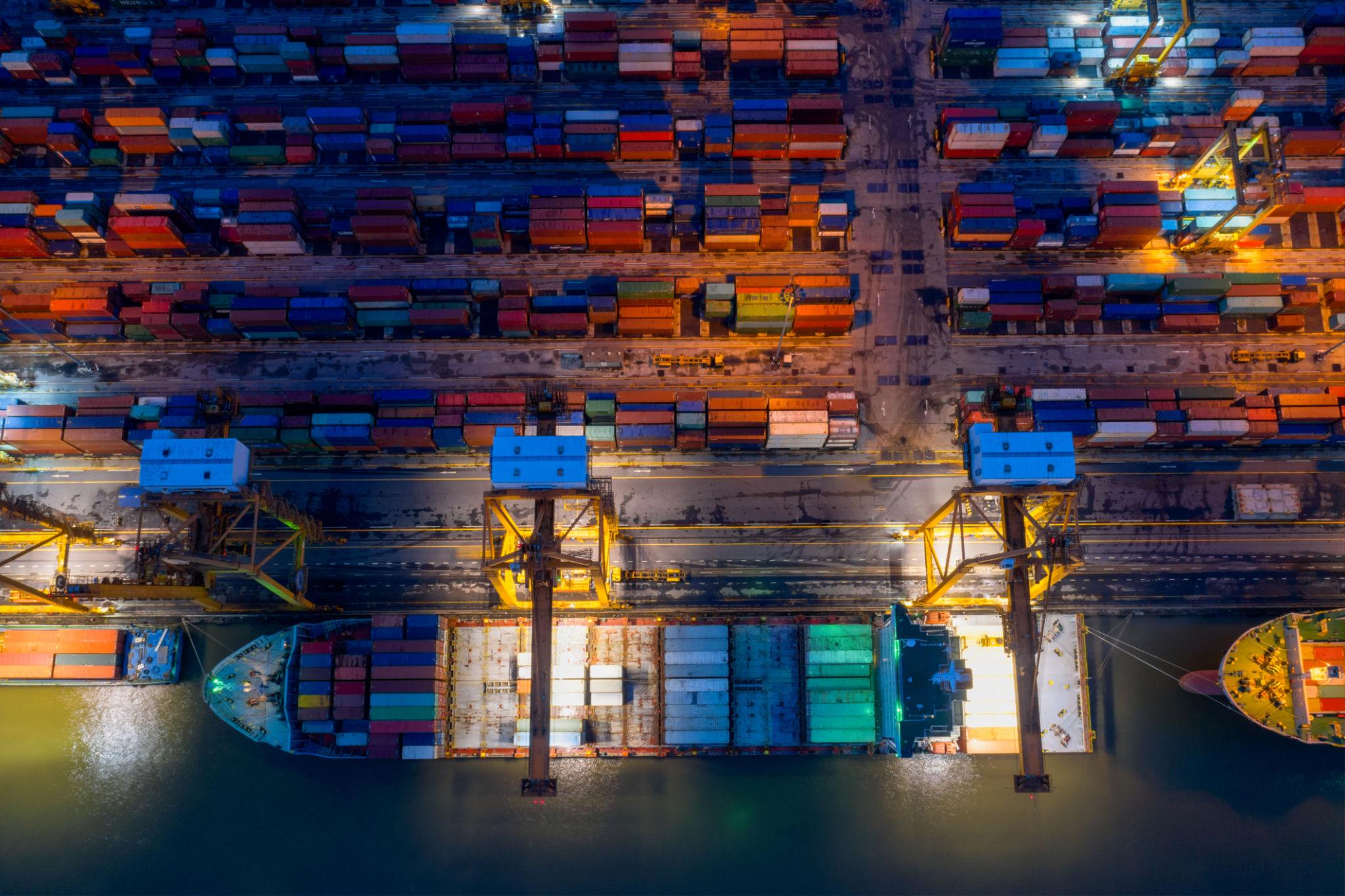
Historical Evolution of Transportation Cost Inflation
Historical Cycles of Transportation Cost Increase
| Year | Major Economic Event | Transportation Impact | Long-Term Effect |
|---|---|---|---|
| 2008 | Global oil price surge | Shipping and fuel costs rise sharply | Inflation concerns increase |
| 2011 | Supply chain disruptions expand | Freight delays intensify | Logistics planning changes |
| 2020 | Pandemic global shutdowns | Shipping crisis emerges | Global freight rates surge |
| 2022 | Energy market volatility | Diesel and airline costs climb | Inflation accelerates |
| 2024 | Red Sea trade disruptions | Maritime insurance costs rise | Shipping instability expands |
| 2026 | Transportation cost increase intensifies | Global logistics inflation spreads | Economic pressure grows |
Transportation inflation cycles often emerge during periods of energy instability and supply chain disruption.
Airlines and Aviation Sector Face Growing Challenges
The aviation industry continues experiencing major pressure from the ongoing transportation cost increase environment.
Rising jet fuel prices are affecting:
- Airline ticket pricing
- Cargo transportation rates
- Tourism costs
- International travel demand
Several airlines are implementing fuel surcharges and adjusting operational strategies to manage rising expenses.
Industry experts say prolonged fuel market volatility could continue pressuring airline profitability throughout 2026.
Transportation Cost Increase
| Category | Key Detail |
|---|---|
| Main Issue | Rising Logistics Costs |
| Key Driver | Fuel Price Volatility |
| Most Affected Sectors | Shipping, Airlines, Freight |
| Economic Concern | Inflation Pressure |
| Global Impact | Higher Consumer Costs |
| Year | 2026 |
| Trade Risk | Supply Chain Disruptions |
| Market Trend | Increasing Operational Expenses |
| Consumer Effect | Rising Product Prices |
Supply Chain Disruptions Continue Affecting Businesses
The broader transportation cost increase trend remains closely connected to global supply chain instability.
Businesses continue facing challenges involving:
- Delayed shipments
- Inventory shortages
- Rising warehouse expenses
- Increased freight insurance costs
Several companies are restructuring supply chains and diversifying suppliers to reduce vulnerability to transportation disruptions.
Some analysts believe supply chain adaptation may become one of the most important corporate priorities during the next decade.
Manufacturing and Retail Costs Continue Rising
Manufacturing and retail industries are increasingly affected by the growing transportation cost increase trend.
Higher logistics expenses are increasing costs for:
- Raw materials
- Industrial equipment
- Consumer electronics
- Food distribution
- Retail inventory movement
Businesses dependent on international shipping networks remain particularly vulnerable to transportation inflation.
A manufacturing economist commented:
“Transportation costs are now deeply embedded in broader inflation trends affecting global production systems.”
That reality continues shaping corporate pricing strategies worldwide.
Governments Monitor Inflation and Trade Risks
Governments and central banks continue monitoring the expansion of transportation cost increase pressures because of their impact on inflation and economic stability.
Key policy concerns include:
- Consumer affordability
- Trade competitiveness
- Inflation management
- Industrial production costs
Some governments are exploring infrastructure improvements and energy diversification strategies to reduce long-term transportation vulnerability.
Economic policymakers remain concerned that prolonged transportation inflation could slow broader economic growth.
Energy Security Becomes Increasingly Important
Energy market stability remains one of the most important factors influencing the future direction of transportation cost increase trends.
Countries worldwide are increasingly focused on:
- Strategic fuel reserves
- Renewable energy investments
- Alternative transportation technologies
- Domestic energy production
Several analysts believe transportation industries may gradually accelerate transitions toward electric and alternative-fuel systems to reduce long-term exposure to oil market volatility.
However, experts caution that traditional fuel markets will likely remain critical to global transportation infrastructure for years to come.

Global Trade Markets Remain Highly Sensitive
Financial markets and trade sectors continue reacting cautiously to the broader rise in transportation cost increase pressures.
Investors remain focused on:
- Shipping rates
- Fuel prices
- Trade activity
- Consumer demand
- Manufacturing output
Some analysts believe transportation costs may become one of the most important indicators of future inflation and economic performance throughout 2026.
The direction of global energy markets and geopolitical stability will likely remain central to transportation pricing trends.