
London, February 4, 2026 — According to Parliament News, that The acceleration of artificial intelligence across industries has triggered a fundamental transformation in physical infrastructure planning, as AI cooling demand becomes one of the most critical constraints shaping the next generation of data centers. What was once considered a technical afterthought has emerged as a strategic priority, influencing investment decisions, regulatory frameworks, and the geographic distribution of digital infrastructure worldwide.
The rapid deployment of high-performance computing systems has introduced heat densities that conventional cooling solutions were never designed to handle, forcing operators and policymakers to rethink the relationship between digital growth and physical limits.
Artificial Intelligence Changes the Physics of Computing
Artificial intelligence workloads differ sharply from traditional computing tasks. Training and inference processes rely on densely packed processors operating at sustained high utilization, generating concentrated heat loads within confined spaces. These conditions fundamentally alter thermal management requirements.
As a result, AI cooling demand has diverged from historical patterns, requiring purpose-built solutions capable of maintaining stability while minimizing energy loss. This shift has elevated cooling from an operational expense to a core design principle in AI infrastructure.
Data Centers Move from Scale to Density
For years, data center expansion focused primarily on scale—larger facilities with more servers. AI has reversed that logic. Density now matters more than sheer size, as fewer machines generate far more heat.
This evolution explains why AI cooling demand has intensified even in regions where data center footprints have not expanded dramatically. Operators are retrofitting existing facilities to accommodate higher power densities, often at significant cost.
Cooling as a Strategic Investment Decision
Cooling systems now account for a growing share of capital expenditure in AI-focused facilities. Decisions about cooling architecture influence not only upfront costs but also long-term operating efficiency and environmental impact.
Executives evaluating infrastructure investments increasingly view AI cooling demand as a determining factor in site selection, vendor partnerships, and system architecture choices.
Energy Consumption and Efficiency Pressures
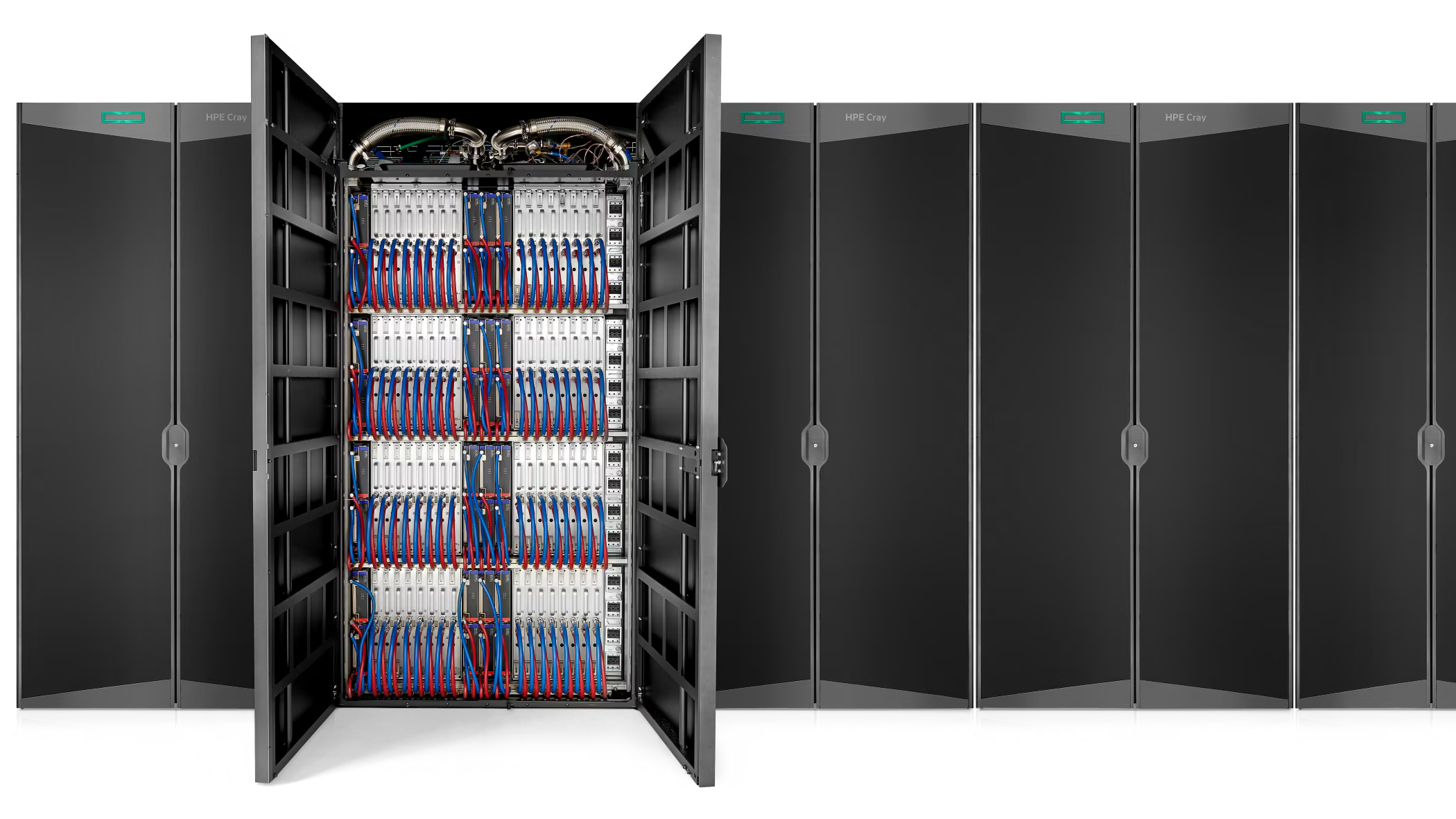
Electricity consumption remains one of the most sensitive issues surrounding AI expansion. Cooling systems can consume a substantial portion of total facility power, particularly under high computational loads.
Rising AI cooling demand has therefore intensified scrutiny around power usage effectiveness, prompting operators to seek solutions that balance performance with energy efficiency. Efficiency is no longer optional; it is essential for economic viability.
Environmental Constraints Shape Design Choices
Beyond cost, environmental considerations are shaping cooling strategies. Water usage, heat discharge, and carbon emissions have become central concerns for regulators and communities hosting data centers.
As AI cooling demand increases, operators face growing pressure to deploy systems that minimize environmental impact while sustaining operational reliability.
Supply Chain Realignment Around Thermal Technology
The surge in advanced cooling requirements has reshaped industrial supply chains. Manufacturers specializing in thermal management, sensors, and control software are seeing sustained demand as infrastructure operators upgrade systems.
This reorientation reflects how AI cooling demand is influencing not just end-users but also upstream manufacturing, logistics, and materials sourcing.
Regional Concentration and Infrastructure Clustering
AI infrastructure investment is not evenly distributed. Certain regions have emerged as focal points due to power availability, network connectivity, and regulatory alignment.
London and other major hubs illustrate how AI cooling demand can concentrate infrastructure within specific corridors, amplifying local economic impact while straining energy and planning systems.
Cost Trade-Offs and Long-Term Economics
Advanced cooling systems often involve higher initial costs, particularly when deploying liquid-based or hybrid solutions. However, these systems can deliver significant long-term savings through reduced energy consumption and improved equipment lifespan.
Organizations evaluating AI cooling demand increasingly focus on lifecycle economics rather than upfront price alone.
Industry Perspective
One senior infrastructure strategist said,
“Cooling has become the silent governor of AI expansion, because without reliable thermal control, performance gains simply cannot be sustained.”
Technology Innovation Accelerates Rapidly
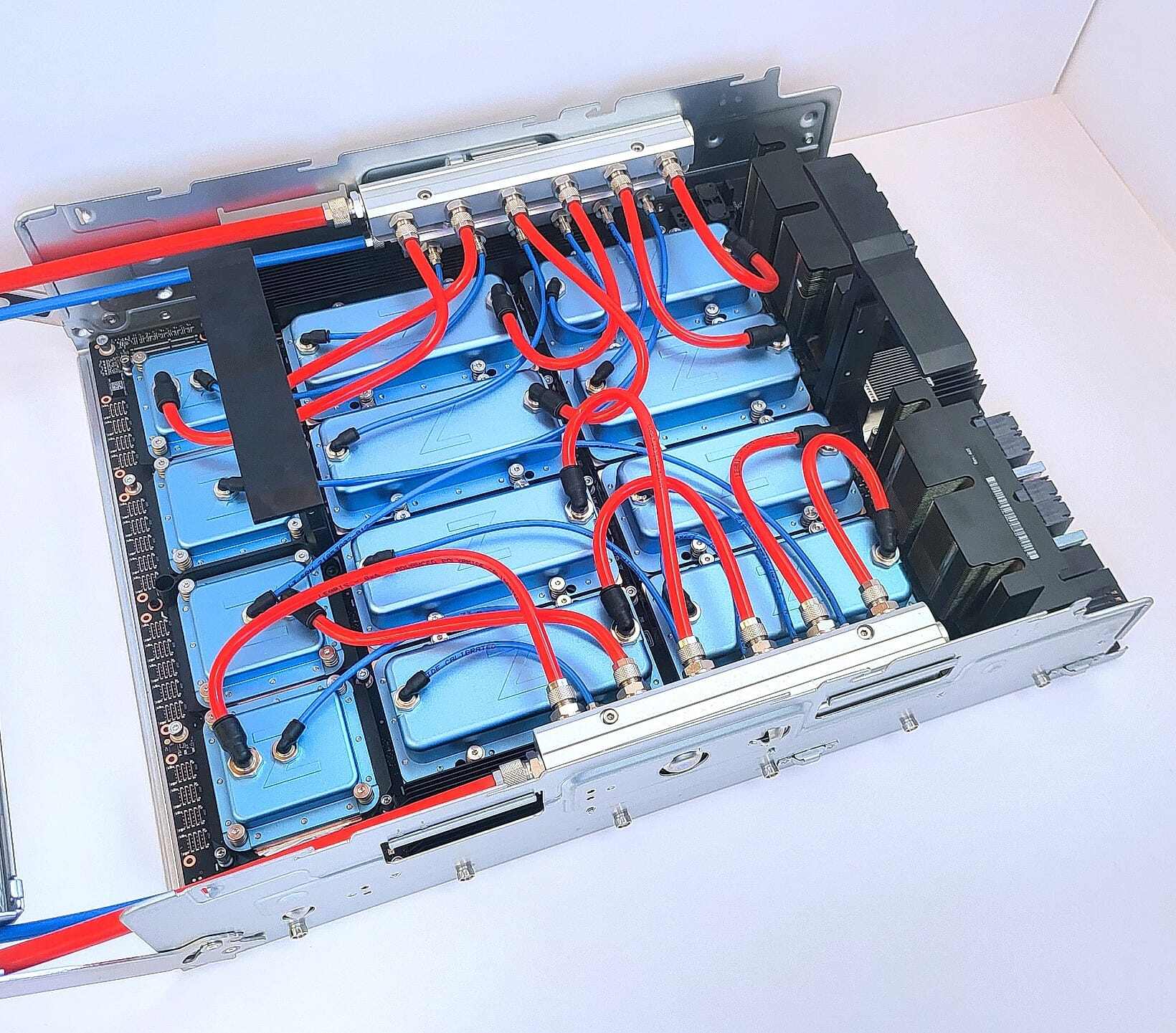
Innovation in cooling technology is moving quickly. Liquid cooling, immersion techniques, and AI-assisted thermal optimization are transitioning from experimental deployments to mainstream adoption.
These advancements directly respond to rising AI cooling demand, enabling higher processor utilization while maintaining operational stability.
Integration with Digital Control Systems
Cooling is increasingly managed through software platforms that monitor temperatures, predict failures, and dynamically adjust performance. This integration allows systems to respond in real time to workload fluctuations.
Such digitalization supports more efficient handling of AI cooling demand, reducing waste while improving reliability.
Workforce Transformation and Skills Requirements
The complexity of advanced cooling systems has altered workforce requirements. Engineers and technicians must now understand fluid dynamics, automation, and data analytics alongside traditional mechanical skills.
As AI cooling demand grows, training and talent development have become strategic priorities for infrastructure operators.
Regulatory Attention Intensifies
Governments are paying closer attention to the environmental footprint of AI infrastructure. Cooling efficiency, water usage, and energy sourcing are increasingly subject to reporting and compliance requirements.
These policies indirectly shape AI cooling demand by incentivizing adoption of efficient and sustainable solutions.
Market Competition Among Solution Providers
Competition within the cooling technology sector has intensified as demand rises. Established industrial firms and specialized technology providers are racing to differentiate through performance, efficiency, and integration capabilities.
This competitive dynamic is accelerating innovation and shaping pricing structures tied to AI cooling demand.
Energy Grid Interaction and Load Management
High-density AI facilities place new stresses on electrical grids. Cooling systems play a crucial role in managing peak loads and stabilizing energy consumption.
Integration between cooling infrastructure and smart grid technologies is becoming more common as AI cooling demand increases.
Financial Outlook for Infrastructure Investment
Analysts expect sustained capital expenditure in cooling infrastructure as AI adoption continues across sectors. Investment cycles are likely to remain elevated for years rather than quarters.
The persistence of AI cooling demand suggests that growth is structural rather than cyclical, anchored in long-term digital transformation.
Risk Management and Operational Resilience
Cooling failures can have immediate and costly consequences, including hardware damage and service outages. As systems become more powerful, tolerance for thermal risk declines.
Managing AI cooling demand therefore plays a central role in broader operational resilience planning.
Global Implications Beyond Technology
The ripple effects of AI infrastructure expansion extend beyond technology firms. Construction, utilities, industrial services, and local governments are all affected by rising demand for cooling-intensive facilities.
This interconnected impact highlights how AI cooling demand influences multiple layers of the global economy.
History of Cooling in High-Performance Computing
The relationship between computing and cooling has evolved over decades. Early mainframes required basic air circulation, while later supercomputers introduced chilled air and raised-floor designs. As processors became more powerful, liquid cooling emerged in specialized environments. The rise of cloud computing further increased thermal loads, but artificial intelligence marked a decisive break. AI workloads pushed heat density beyond the limits of conventional systems, accelerating adoption of advanced thermal technologies. This historical progression set the stage for today’s AI cooling demand, which reflects both technological evolution and physical constraint.
Infrastructure Planning Enters a New Phase
Cooling considerations are now embedded at the earliest stages of infrastructure planning. Site selection, building design, and energy sourcing are all influenced by thermal requirements.
This integrated approach reflects recognition that AI cooling demand cannot be addressed retroactively without significant cost and disruption.
Urban Planning and Community Impact
As data centers cluster near urban areas, cooling infrastructure becomes a visible element of city planning. Heat rejection systems, water usage, and energy draw all affect local communities.
Managing AI cooling demand therefore involves coordination between private operators and public authorities.
Sustainability Goals and Corporate Strategy
Many organizations have committed to ambitious sustainability targets. Cooling efficiency is now a key metric in meeting those commitments, particularly as AI workloads expand.
Alignment between sustainability strategy and AI cooling demand is increasingly viewed as a measure of corporate credibility.
Long-Term Outlook for AI Infrastructure
Looking ahead, advances in processor efficiency and cooling technology may moderate growth rates, but demand is expected to remain elevated as AI applications proliferate.
The structural nature of AI cooling demand suggests it will remain a defining feature of infrastructure strategy well into the next decade.
When Digital Ambition Meets Physical Reality
The rise of artificial intelligence has revealed a simple truth: digital progress is constrained by physical systems. Cooling sits at the intersection of ambition and feasibility.
As AI cooling demand continues to rise, it serves as both an enabler and a limiting factor for the future of computing.
A Defining Constraint of the AI Era
The story of AI infrastructure is no longer just about algorithms and data. It is about heat, energy, and engineering discipline.
In this context, AI cooling demand has emerged as one of the most influential forces shaping how and where artificial intelligence can grow.