


Mumbai, February 13, 2026 — According to Parliament News, that The AI impact on Indian IT has emerged as one of the most powerful financial and economic narratives shaping markets in 2026. From Mumbai’s Dalal Street to global investment desks in New York and London, automation driven transformation is redefining how investors evaluate India’s technology sector.
The Indian IT industry, long recognized as the backbone of the country’s service exports and a symbol of economic modernization, now stands at a structural crossroads. Artificial intelligence promises efficiency and scalability, yet it also introduces uncertainty around employment models, pricing structures, and global competitiveness.
In 2026, the conversation is no longer about whether artificial intelligence will influence technology services. The debate centers on how deeply and how quickly the transformation will unfold.
Market Volatility and Investor Reaction
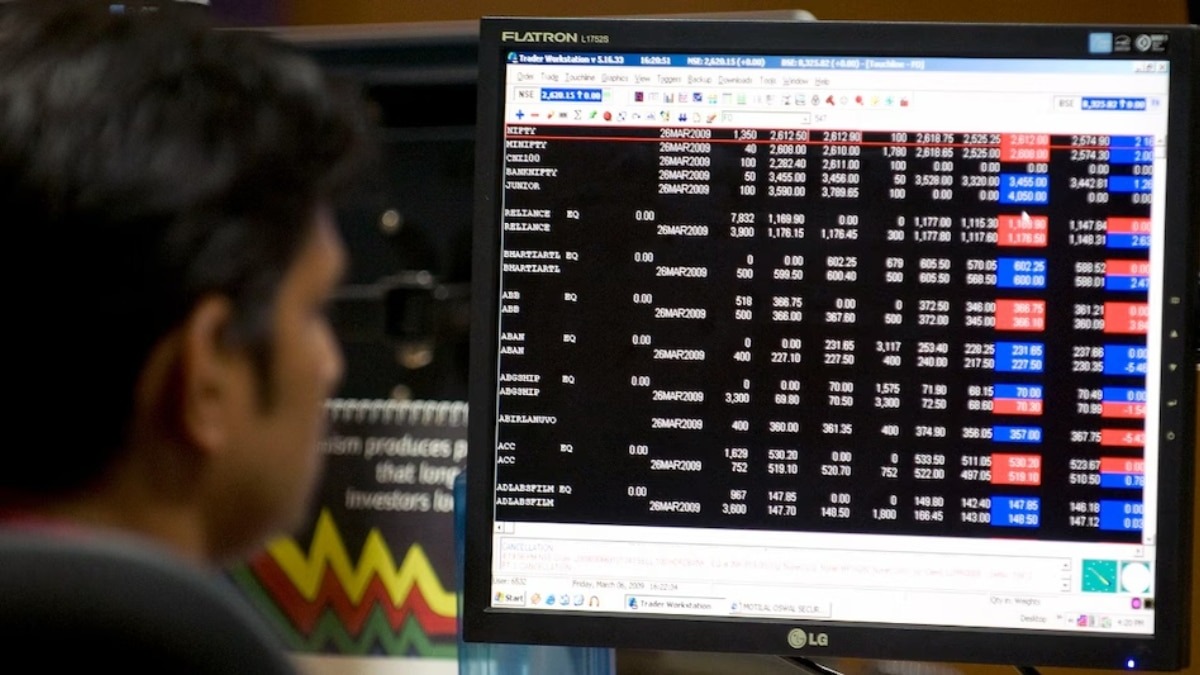
The AI impact on Indian IT became immediately visible in equity markets during the first quarter of 2026. Technology stocks experienced heightened volatility as foreign institutional investors reassessed exposure to outsourcing heavy business models.
Daily trading volumes on the Bombay Stock Exchange surged. Technology counters fluctuated sharply, reflecting global uncertainty surrounding automation tools capable of performing coding, testing, and data processing tasks at scale.
Portfolio managers reported that technology valuations were being recalibrated based not on present earnings alone but on projected structural changes. Markets began pricing in a future where automation reduces reliance on large offshore workforces.
The correction, while not unprecedented, marked a decisive shift in sentiment. Investors no longer viewed IT services as insulated from disruptive forces. Instead, the sector became central to debates about technological displacement and reinvention.
Structural Foundations of the Indian IT Industry
To understand the current transformation, it is essential to examine the industry’s foundations. Over three decades, India built a globally competitive outsourcing ecosystem supported by skilled engineers, cost efficiency, and stable regulatory frameworks.
Major metropolitan hubs such as Mumbai, Bengaluru, Hyderabad, and Chennai developed specialized clusters for software services, cybersecurity, cloud infrastructure, and enterprise solutions. The sector became a leading contributor to export revenue and foreign exchange inflows.
The AI impact on Indian IT challenges this model by altering how value is created. Historically, growth correlated with headcount expansion and long term service contracts. Artificial intelligence shifts the emphasis toward automation, productivity, and high value advisory services.
Rather than dismantling the sector’s foundation, automation may restructure its pillars. The industry’s ability to transition from labor intensive outsourcing to AI integrated digital transformation will determine long term resilience.
Earnings Outlook and Revenue Transformation
Corporate earnings guidance in early 2026 reflected cautious optimism. While revenue pipelines remain active, clients are negotiating contracts with increased focus on automation savings.
The AI impact on Indian IT is influencing billing frameworks. Traditional time based or employee based pricing models face scrutiny as artificial intelligence tools perform tasks more efficiently.
Companies are investing heavily in AI research labs, proprietary automation platforms, and internal productivity software. These investments temporarily pressure margins but aim to secure future competitiveness.
Executives argue that artificial intelligence may enhance service offerings by enabling predictive analytics, real time monitoring, and advanced cybersecurity defense systems. By embedding automation into consulting frameworks, firms seek to evolve beyond pure cost arbitrage.
One Mumbai based market strategist observed,
“Artificial intelligence is not destroying the Indian IT model, it is forcing it to evolve at a speed never seen before.”
This perspective underscores a broader consensus that adaptation rather than retreat defines the sector’s path forward.

Employment Shifts and Workforce Reskilling
The AI impact on Indian IT extends beyond financial markets to workforce dynamics. India’s technology sector employs millions directly and indirectly, making it a pillar of middle class growth.
Automation introduces concern about entry level programming and support roles. Yet industry leaders emphasize that new demand is emerging for machine learning engineers, AI integration specialists, cybersecurity analysts, and cloud architects.
Large IT firms have launched nationwide reskilling initiatives. Employees are enrolled in certification programs focused on artificial intelligence frameworks, data analytics, and ethical AI governance.
Universities and private institutions are expanding curriculum offerings in advanced computing. Government policy encourages collaboration between academia and industry to ensure that the talent pipeline remains globally competitive.
Workforce evolution, rather than workforce contraction, may ultimately define this transformation.
Global Economic Context
The AI impact on Indian IT does not occur in isolation. It unfolds amid broader global economic adjustments in 2026. Slowing growth in the United States and Europe, India’s primary technology export markets, adds complexity.
Corporations worldwide are tightening discretionary spending while simultaneously investing in automation to improve efficiency. This paradox benefits AI platform developers but pressures traditional service providers.
Currency dynamics also influence performance. A stable dollar supports export revenues, yet global capital flows can amplify equity volatility.
Despite near term headwinds, digital transformation remains a priority across industries such as healthcare, finance, manufacturing, and retail. Demand for cybersecurity, compliance systems, and cloud migration services continues to generate revenue streams.
Competitive Landscape in a New Era
The AI impact on Indian IT reshapes competitive positioning. India competes not only with emerging market outsourcing destinations but also with multinational corporations developing in house automation capabilities.
Indian firms are responding by positioning themselves as strategic partners rather than service vendors. End to end digital solutions, enterprise AI integration, and compliance advisory services now form core components of business strategy.
Partnerships with global cloud providers and AI research firms strengthen credibility. By aligning with international innovation ecosystems, Indian companies seek to remain indispensable to global clients.
Adaptability becomes the decisive metric. Firms that integrate artificial intelligence seamlessly into service portfolios may outperform peers reliant on traditional staffing models.
Investment Strategy and Market Outlook
For investors, the AI impact on Indian IT presents both risk and opportunity. Valuation corrections in early 2026 created entry points for long term institutional investors seeking exposure to digital transformation themes.
Analysts recommend selective positioning, favoring companies demonstrating measurable AI integration and strong balance sheets. Transparency in reporting automation gains and revenue diversification enhances credibility.
Short term volatility may persist as markets digest quarterly results. However, structural transformation often unfolds gradually, providing disciplined investors time to assess sustainable competitive advantages.
The sector’s future hinges on execution rather than speculation.
Regulatory Framework and Policy Direction
Public policy influences the pace and shape of transformation. India’s regulatory authorities are exploring ethical guidelines for artificial intelligence deployment, data protection standards, and cybersecurity safeguards.
The AI impact on Indian IT intersects with national ambitions to become a global technology innovation hub. Incentives for research, startup ecosystems, and digital infrastructure investment signal commitment to modernization.
Balancing innovation with responsible oversight remains a priority. Clear regulatory frameworks may reduce uncertainty and attract foreign investment.
Dot Com Era Lessons for Indian Technology and AI Impact on Indian IT
The AI impact on Indian IT echoes previous periods of disruption that reshaped the sector’s trajectory. During the dot com downturn at the start of the millennium, technology stocks faced severe corrections, investor confidence weakened, and global demand slowed. Indian outsourcing firms experienced contract delays and pricing pressure as international markets struggled.
Similarly, the global financial crisis of 2008 triggered sharp volatility across outsourcing companies. Technology budgets tightened across the United States and Europe, creating uncertainty for export driven service providers. Yet both crises ultimately strengthened operational discipline within the industry.
In both instances, the sector adapted. Cloud computing, digital transformation initiatives, and cybersecurity services emerged as powerful growth drivers in the years that followed. Those innovations did not merely restore stability; they expanded the industry’s global relevance.
Today’s transformation differs in scale and speed because artificial intelligence introduces automation at a much deeper operational level. However, historical precedent suggests resilience remains central to the industry’s identity. The AI impact on Indian IT may appear disruptive in the short term, but prior cycles demonstrate that strategic reinvention often follows market turbulence.
Comparing past and present cycles highlights a recurring theme: innovation initially destabilizes markets but eventually redefines opportunity. The sector’s history indicates that structural evolution, rather than stagnation, tends to follow technological shock.
Long Term Structural Implications of AI Impact on Indian IT
The AI impact on Indian IT represents a structural shift rather than a temporary fluctuation. Artificial intelligence is changing how services are conceptualized, delivered, measured, and monetized across enterprise ecosystems.
Automation enhances productivity by reducing repetitive coding tasks, accelerating software testing, and improving data analysis accuracy. As a result, revenue models increasingly emphasize outcomes and value creation instead of headcount expansion. This transformation alters the core mechanics of outsourcing.
Human expertise is becoming more strategic. Engineers and consultants now focus on system integration, AI governance, cybersecurity resilience, and ethical oversight. Rather than eliminating human involvement, artificial intelligence is reshaping the nature of professional contribution.
India’s technology ecosystem retains powerful structural advantages. A vast talent pool, a strong entrepreneurial culture, mature global client relationships, and established export frameworks provide resilience. The long term success of AI integration will depend on how effectively these strengths are aligned with emerging automation capabilities.
The AI impact on Indian IT therefore signals modernization rather than contraction. It demands adaptation, investment in skills, and recalibration of competitive strategy. Firms that successfully transition toward high value advisory and AI enabled services may secure stronger global positioning.
A Defining Moment for India’s Digital Future
The AI impact on Indian IT in 2026 marks a defining chapter in the nation’s economic evolution. Mumbai’s financial markets reflect short term uncertainty, yet they also signal a broader transformation underway within the digital economy.
Artificial intelligence does not necessarily signify decline. It signifies transition. Companies willing to innovate, reskill their workforce, and redefine value propositions are positioning themselves for long term sustainability.
Strategic clarity will be essential. As organizations integrate automation into service portfolios, differentiation will depend on creativity, intellectual property development, and trust based client partnerships. Firms that blend machine efficiency with human strategic insight may lead the next growth cycle.
The trajectory remains dynamic. However, historical evidence suggests adaptation defines progress. In that context, the AI impact on Indian IT may ultimately be remembered not solely for volatility, but for reinvention and structural advancement across the industry.