AI security monitoring systems are expanding across London as police increase artificial intelligence-powered surveillance operations in 2026.
Authorities say the technology improves crime prevention and public safety, while critics warn about growing privacy concerns.
The debate highlights the global challenge of balancing advanced security systems with civil liberties protections.
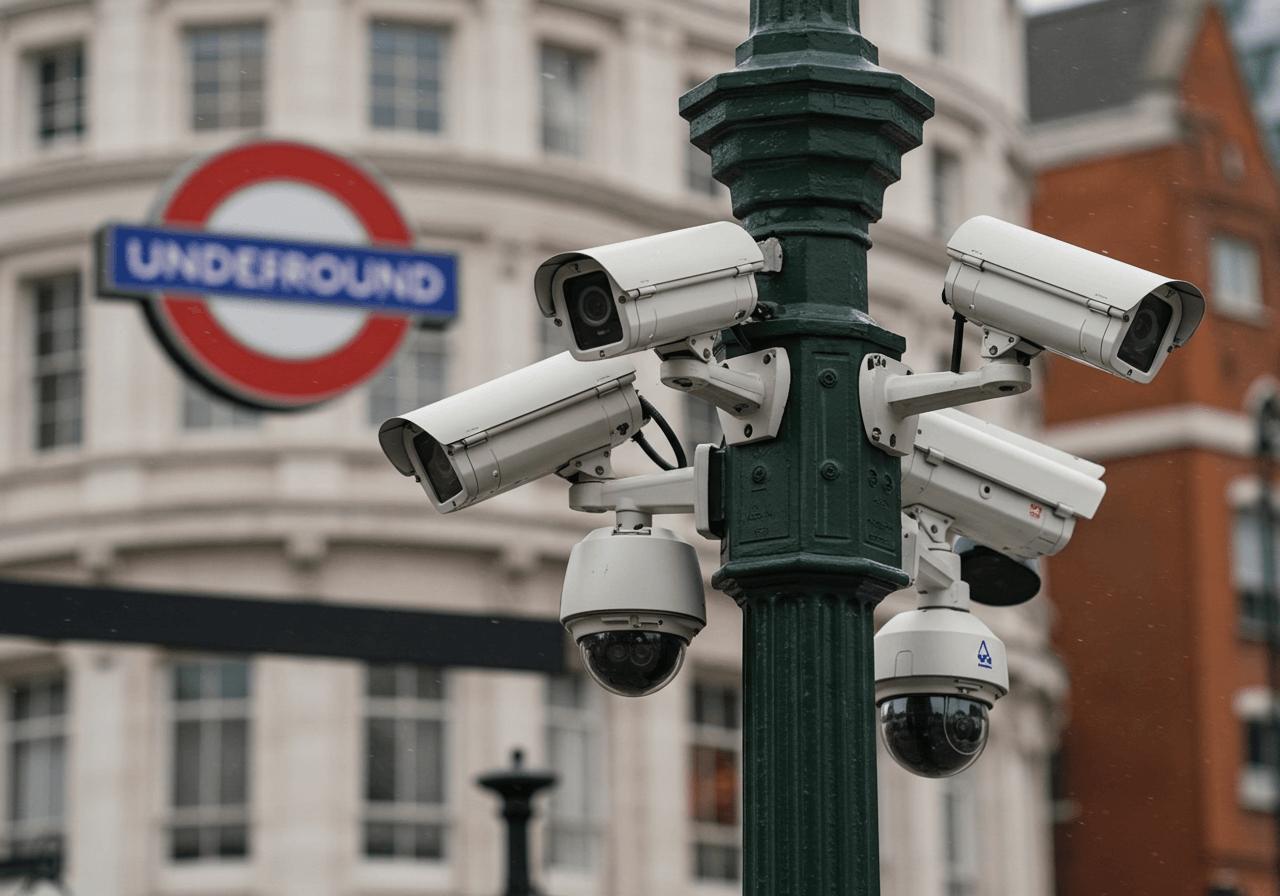
LONDON, United Kingdom (Parliament Politics Magazine) AI security monitoring is becoming increasingly visible across London as police agencies and public authorities expand the use of artificial intelligence-powered surveillance systems to improve urban security, identify criminal suspects, and monitor crowded public areas.
The rapid growth of facial recognition tools, intelligent cameras, automated analytics platforms, and predictive monitoring systems has triggered renewed debate about the balance between public safety and individual privacy rights in Britain.
Officials argue that AI-powered surveillance technologies help improve response times, support criminal investigations, and reduce pressure on law enforcement resources. Privacy advocates, however, warn that expanding digital monitoring systems could gradually normalize large-scale public surveillance.
Across transportation hubs, shopping districts, sporting venues, and public gathering areas, AI-driven monitoring systems are becoming a larger part of London’s modern security infrastructure.
“Artificial intelligence is reshaping modern urban security faster than many governments expected,”
one technology policy analyst said.
London Police Increase Use of AI Surveillance Systems
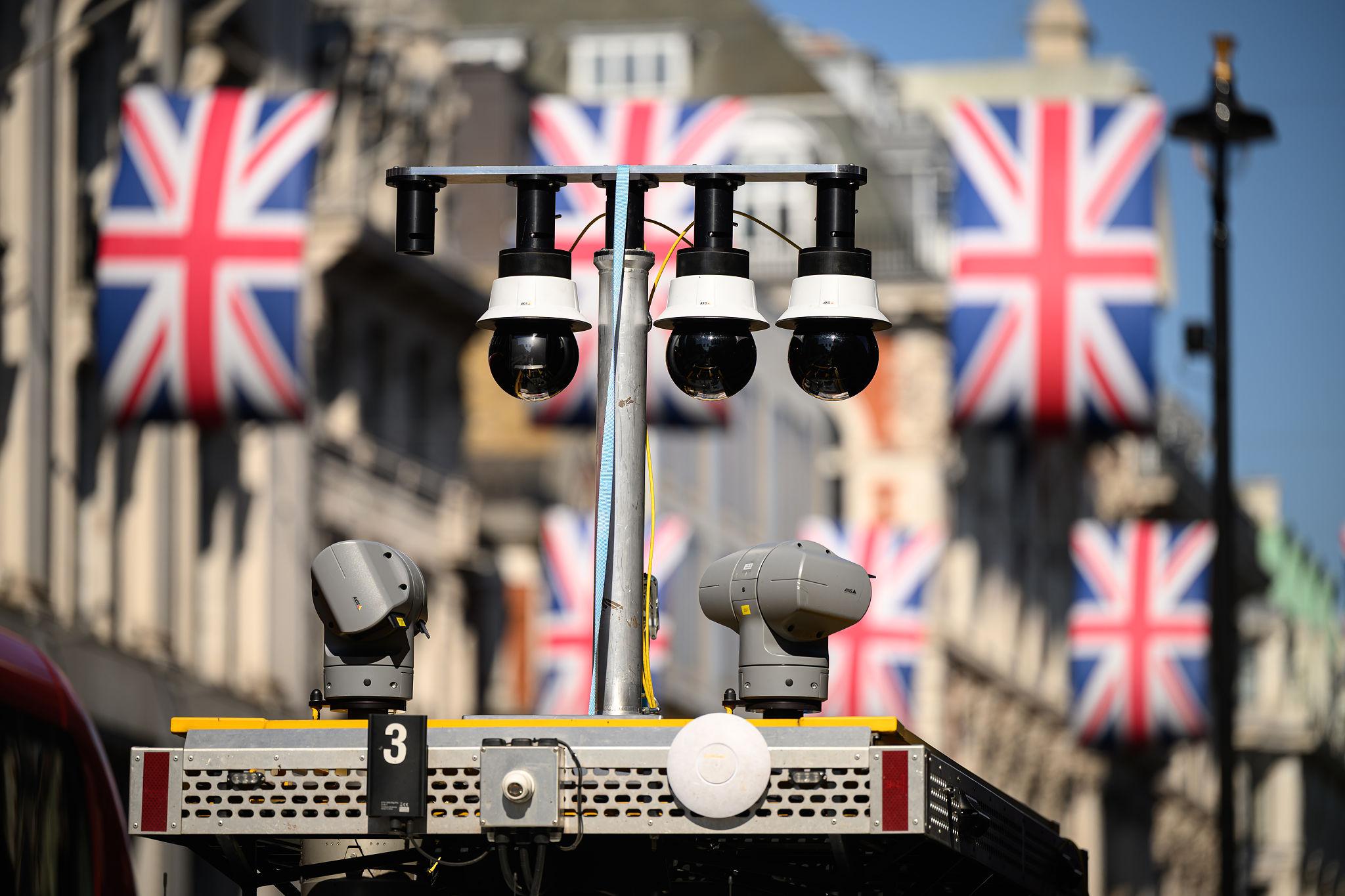
Law enforcement agencies across London have steadily expanded the deployment of AI security monitoring systems in recent years as authorities seek more advanced tools for crime prevention and threat detection.
Mobile facial recognition units equipped with artificial intelligence cameras are increasingly being used during major public events and high-traffic operations. Officials say these systems help identify wanted individuals and improve situational awareness in crowded environments.
Authorities argue that AI-powered surveillance tools improve operational efficiency by automating portions of criminal identification and investigative analysis.
Police leaders also say intelligent monitoring systems can help reduce officer workloads by processing large amounts of visual and behavioral data more quickly than traditional manual review methods.
The expansion of AI security monitoring reflects a broader international trend as governments worldwide invest heavily in artificial intelligence-driven public safety technologies.
Privacy Advocates Warn About Expanding Surveillance
Civil liberties organizations and digital rights groups continue raising concerns about the long-term implications of widespread AI surveillance deployment.
Critics argue that constant biometric monitoring in public spaces risks eroding privacy protections and creating environments where citizens are continuously observed without meaningful oversight.
Some legal experts also question how biometric data collected through AI security monitoring systems is stored, processed, and potentially shared between agencies.
Privacy campaigners have called for stronger regulations, transparency requirements, and independent oversight mechanisms governing artificial intelligence surveillance programs.
Several advocacy organizations warn that governments must establish clear legal boundaries before AI monitoring systems become deeply integrated into public infrastructure.
“Security measures must not weaken the democratic principles they are supposed to protect,”
one civil liberties researcher said.

Artificial Intelligence Improves Real-Time Threat Detection
Supporters of AI security monitoring say recent advances in machine learning and computer vision technology have significantly improved the effectiveness of intelligent surveillance systems.
Modern AI platforms are now capable of analyzing large volumes of video footage in real time while identifying suspicious activity patterns, crowd movements, or persons of interest.
Technology companies working with governments argue that AI-assisted systems can help improve emergency response times during security incidents and support faster criminal investigations.
Advanced analytics systems are also helping authorities monitor transportation networks, stadiums, airports, and public transit hubs more efficiently.
Security analysts believe the next generation of AI monitoring platforms will include more sophisticated behavioral analysis, predictive threat assessment, and automated incident reporting capabilities.
Historical Cycles of Surveillance Technology Expansion
The rise of AI security monitoring follows several decades of technological changes in public safety infrastructure and urban surveillance systems.
| Era | Security Technology Shift | Public Impact |
|---|---|---|
| 1980s | CCTV Camera Expansion | Increased city surveillance coverage |
| 1990s | Digital Security Databases | Faster law enforcement coordination |
| 2000s | Counterterrorism Monitoring | Expanded security after global attacks |
| 2010s | AI Data Analytics | Automated pattern recognition systems |
| 2020s | AI Security Monitoring | Real-time biometric and predictive surveillance |
Policy experts note that each phase of surveillance technology expansion generated public debate surrounding privacy rights and government oversight powers.
Many analysts believe artificial intelligence surveillance systems could become one of the most influential public policy issues of the next decade.
European Governments Debate AI Regulation
Governments across Europe continue debating how artificial intelligence surveillance technologies should be regulated as adoption expands rapidly.
Some lawmakers are pushing for stronger restrictions on facial recognition and biometric monitoring systems in public spaces. Others argue that advanced AI tools are necessary to address evolving security threats and urban crime challenges.
Courts in several European countries have reviewed whether AI-powered monitoring practices comply with privacy protections and human rights laws.
Technology policy specialists say governments face growing pressure to create balanced frameworks that support innovation while protecting democratic freedoms.
The debate surrounding AI security monitoring in London is now influencing broader European discussions about artificial intelligence governance and digital privacy standards.
Public Opinion Remains Deeply Divided
Public reaction to AI surveillance technologies remains mixed across Britain and other major democracies.
Some citizens support expanded monitoring systems if they improve public safety, reduce violent crime, and strengthen law enforcement capabilities. Others worry about long-term risks involving government overreach and constant digital surveillance.
Surveys suggest public acceptance often depends on transparency, oversight mechanisms, and how authorities explain the purpose of AI-powered monitoring programs.
Experts say maintaining public trust may become increasingly important as intelligent surveillance systems continue expanding into everyday urban life.
“The future of AI surveillance will likely depend on whether citizens believe accountability mechanisms are strong enough,”
one digital governance expert said.
AI Security Monitoring Trends in 2026
| Category | 2026 Trend |
|---|---|
| AI Surveillance Investment | Rising |
| Facial Recognition Use | Expanding |
| Privacy Regulation Debate | Intensifying |
| Public Security Technology | Growing |
| Urban Monitoring Systems | Increasing |
| AI Threat Detection | Advancing |
| European AI Oversight | Strengthening |
AI Security Systems Expand Beyond Policing
Beyond law enforcement, AI security monitoring technologies are increasingly being adopted by transportation operators, retail centers, airports, and private infrastructure companies.
Businesses are using intelligent monitoring systems to improve access control, detect suspicious behavior, manage crowd safety, and protect critical infrastructure assets.
Airports and transit authorities are expanding AI-assisted passenger monitoring and automated security screening systems to improve operational efficiency and reduce delays.
Industry analysts say artificial intelligence is becoming one of the fastest-growing sectors within the broader global security technology market.
The continued expansion of AI security monitoring is expected to influence how cities manage public safety and digital infrastructure over the next several years.