

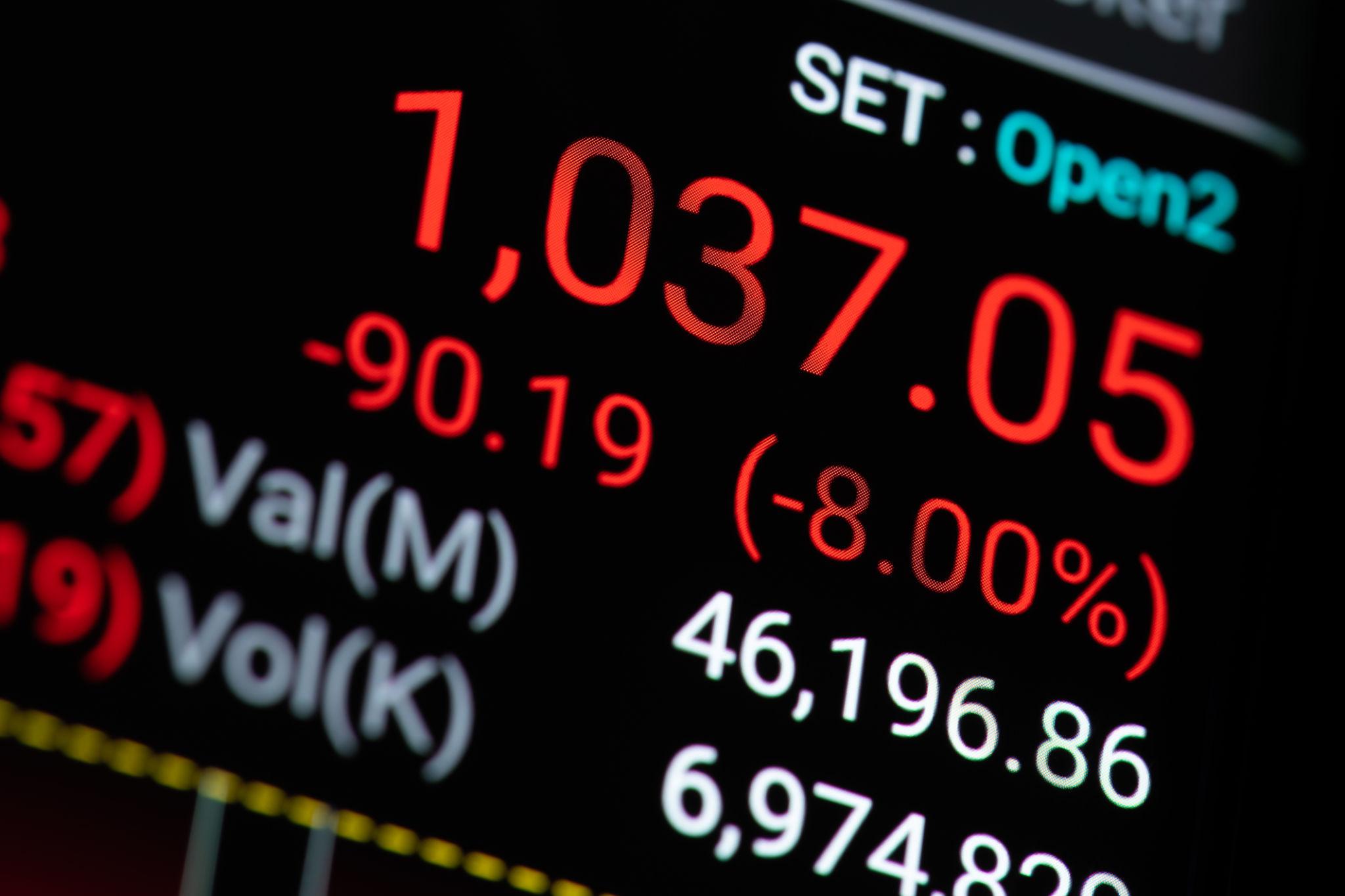
NEW YORK, February 16, 2026 — According to Parliament News, that AI spending fears sent shockwaves through financial markets at the opening bell, triggering a broad selloff in technology shares and raising fresh concerns about valuation sustainability. Traders reacted swiftly as major indexes slid, with the Nasdaq leading losses amid renewed debate about the pace and profitability of artificial intelligence investment.
Within the first hour of trading, billions of dollars in market capitalization were erased from leading tech companies. Analysts pointed to elevated capital expenditures and tightening liquidity conditions as immediate catalysts. The mood on Wall Street shifted from confidence to caution, underscoring how quickly optimism can fade when uncertainty emerges.
Market strategists said the reaction reflects growing sensitivity to risk in a sector that has powered much of the market’s growth over the past two years.
Capital Expenditures Come Into Focus
Over the last several quarters, major technology firms have committed unprecedented sums to expand AI infrastructure. From advanced chip procurement to large scale data center construction, companies have signaled long term ambition. However, AI spending fears intensified when earnings guidance revealed higher operating costs than anticipated.
Executives defended their strategies, emphasizing that early stage investments are necessary to maintain competitive advantage. Yet investors often prioritize near term profitability over distant projections. When cost curves rise faster than revenue expectations, markets respond decisively.
Institutional investors began recalibrating portfolios, trimming exposure to growth heavy sectors. The shift reflected concern that aggressive spending cycles could pressure margins before meaningful revenue acceleration materializes.
Earnings Reports Drive Volatility
Quarterly earnings played a pivotal role in amplifying AI spending fears. While revenue growth remained strong across several technology leaders, commentary about escalating infrastructure budgets dominated analyst calls. Forward looking statements suggested that returns on AI initiatives may take longer than originally forecast.
One market strategist summarized the sentiment by stating,
“Investors believe in artificial intelligence, but they need proof that the spending today will translate into sustainable profits tomorrow.”
That remark captured the tension between innovation and financial discipline. Investors want expansion, yet they also demand accountability and clarity.
Following earnings releases, trading volumes surged as hedge funds and algorithmic systems adjusted positions. Rapid order flows intensified volatility and extended losses beyond individual stocks to broader indexes.
The Nasdaq and Broader Market Reaction
The Nasdaq Composite, heavily weighted toward technology, recorded one of its most pronounced daily declines of the year. The S and P 500 also retreated as technology’s outsized influence weighed on benchmark performance.
AI spending fears rippled across related industries including semiconductor manufacturing, cloud services, and cybersecurity providers. Suppliers that benefit indirectly from AI growth faced downward pressure alongside the primary technology firms.
Market breadth indicators revealed widespread participation in the selloff. Declining stocks significantly outnumbered advancers, suggesting a systemic repricing rather than isolated weakness.
Investors seeking safety shifted capital into defensive sectors such as utilities and consumer staples. Treasury yields fluctuated as traders evaluated potential implications for broader economic growth.

Global Impact Beyond Wall Street
International markets mirrored the turbulence. Asian exchanges opened lower following the U.S. session, while European indices also faced selling pressure. Global investors interpreted AI spending fears as a potential signal that technology growth may moderate worldwide.
Currency markets reflected a cautious tone, with traditional safe haven currencies gaining modest strength. Commodity prices experienced mixed movement, as traders assessed whether slower technology investment might influence industrial demand.
Financial analysts emphasized that interconnected supply chains amplify the effects of U.S. market volatility. Semiconductor producers in Asia and hardware manufacturers in Europe depend heavily on technology giants’ capital expenditure plans. When those plans appear uncertain, global equities react accordingly.
Long Term Innovation Versus Short Term Reality
Despite immediate concerns, many industry observers maintain confidence in artificial intelligence as a transformative force. They argue that cycles of investment and correction are typical in emerging technological revolutions.
AI spending fears may represent a recalibration rather than a reversal. Companies continue to pursue advancements in automation, machine learning, and generative systems across healthcare, finance, logistics, and manufacturing.
However, markets operate on measurable performance. Investors will likely scrutinize quarterly metrics closely, seeking evidence that revenue growth aligns with spending trajectories. Transparency in reporting and disciplined budgeting could help restore confidence.
The tension between visionary innovation and shareholder expectations remains central to the debate. Technology leaders must balance long term ambition with fiscal prudence.
Investor Strategy in a Volatile Climate
Financial advisors recommend diversification as a defense against sector specific downturns. Concentrated exposure to high growth industries can magnify risk when valuations adjust sharply.
AI spending fears highlight the importance of risk management strategies. Balanced portfolios that include income generating assets and defensive equities may provide stability during periods of turbulence.
Long term investors often view corrections as opportunities to reassess fundamentals rather than exit positions impulsively. Historical market data shows that technology sectors frequently recover once earnings stabilize and macroeconomic clarity improves.
Patience and disciplined allocation remain critical principles during uncertain market phases.


When Innovation Meets Financial Gravity
The intersection of ambition and accountability defines the present moment. AI spending fears underscore a broader truth about financial markets: enthusiasm must ultimately align with earnings reality.
Technology companies stand at the forefront of global economic transformation. Their investments shape industries and redefine productivity standards. Yet capital markets impose constraints that reward measurable performance.
As 2026 unfolds in New York and beyond, investors and executives alike must navigate a landscape where innovation inspires optimism, but financial gravity demands balance. The outcome will determine whether this episode becomes a short lived recalibration or a more profound shift in how markets value the future of artificial intelligence.