

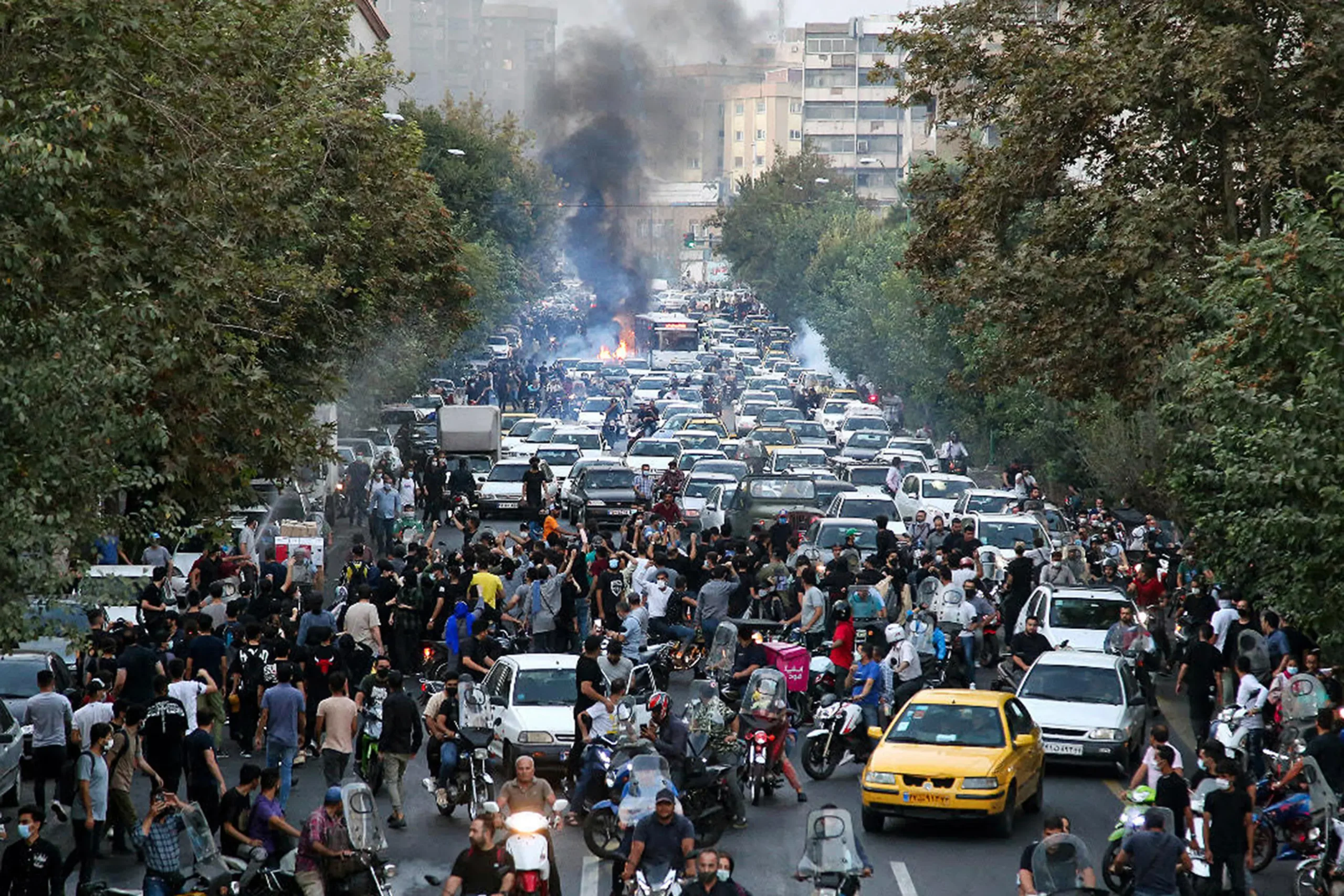
Iran — January 2026 — Parliament News Highlights that Iran has entered one of its most politically charged periods in recent years as protests continue across major urban centers. Demonstrations that began as localized gatherings have expanded into sustained nationwide expressions of dissent, drawing the attention of international observers and policymakers. The situation gained added prominence following the AIPAC Iran statement, which characterized protesters as acting with notable courage, a phrase that rapidly circulated in diplomatic and media circles.
Crowds have assembled in Tehran, Isfahan, Shiraz, Mashhad, and several provincial capitals, signaling widespread dissatisfaction that transcends regional boundaries. While Iranian authorities emphasize stability and national unity, the persistence of demonstrations suggests deeper social and economic pressures at work.
Background to the Current Political Climate
Iran’s political landscape has long been shaped by tensions between state authority and public expectation. Over the past decade, cycles of protests have emerged in response to economic hardship, governance concerns, and demands for social freedoms. What distinguishes the current unrest, analysts say, is its duration and diversity. Participants include students, industrial workers, professionals, retirees, and women from varied backgrounds.
The AIPAC Iran statement entered an already volatile environment, reinforcing international awareness of domestic developments. While Iranian officials reject external commentary on internal matters, global reactions continue to influence how events are framed beyond the country’s borders.
Economic Pressures as a Catalyst
Rising inflation, currency depreciation, and declining purchasing power have placed heavy strain on households. Essential goods have become increasingly expensive, and employment opportunities remain limited for younger generations. Economists argue that these pressures have eroded confidence in long term economic planning.
Public frustration over economic management has merged with political grievances, creating a broad based movement that is difficult to address through isolated policy adjustments. The timing of the AIPAC Iran statement has linked economic debate with international political discourse, amplifying scrutiny of Iran’s internal challenges.
Social Dimensions of the Protest Movement
The social composition of the protests reflects changing dynamics within Iranian society. Women and young people have taken visible roles, often leading chants and organizing gatherings. Their participation has become symbolic of broader demands for personal autonomy and representation.
Observers note that this generational shift is critical. Younger Iranians, raised in a digitally connected world, appear less willing to accept restrictions they view as incompatible with global norms. The AIPAC Iran statement has drawn attention to this demographic reality, highlighting the personal risks undertaken by participants.
Government Messaging and Security Measures
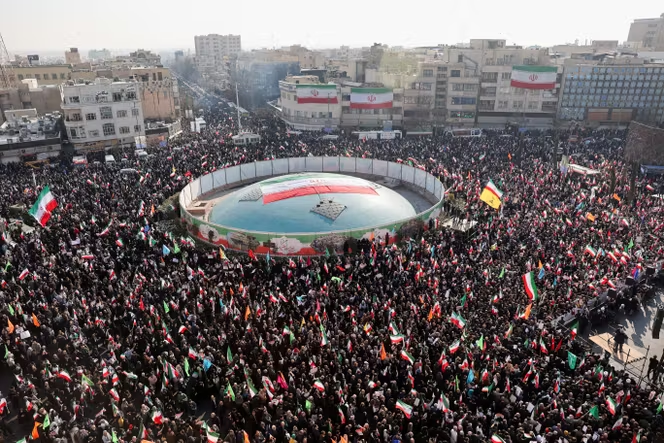
Authorities have deployed additional security forces in key areas, alongside public messaging aimed at discouraging unrest. Temporary internet restrictions and heightened surveillance have been reported, though officials maintain these measures are intended to preserve public order.
Despite these efforts, demonstrations have continued, often reemerging after brief lulls. Analysts suggest that enforcement alone cannot resolve underlying grievances. The AIPAC Iran statement has complicated official narratives by reinforcing external interest in the protesters’ cause.
Media Coverage and Information Flow
State media coverage emphasizes calm and continuity, while international outlets focus on crowd size, slogans, and personal stories from participants. This contrast has fueled debates over credibility and access to information.
Despite restrictions, videos and eyewitness accounts continue to surface online, sustaining global engagement. The repeated reference to the AIPAC Iran statement in international reporting illustrates how external commentary can shape the broader narrative.
Diplomatic Implications and Regional Impact
Iran’s internal developments are closely monitored by neighboring states and global powers due to their potential impact on regional stability, energy markets, and security arrangements. While no immediate policy shifts have followed, continued unrest may influence future diplomatic strategies.
Experts suggest that sustained protests combined with international attention, including reactions to the AIPAC Iran statement, could increase pressure for dialogue on human rights and governance alongside traditional geopolitical concerns.
Historical Context of Public Demonstrations
Iran has experienced multiple waves of public mobilization throughout its modern history, each leaving lasting effects on political discourse. From economic protests to reform movements, public demonstrations have periodically reshaped national priorities.
Historians caution that change often unfolds gradually rather than through immediate transformation. Nevertheless, the scale and persistence of current protests, amplified by international focus such as the AIPAC Iran statement, mark a significant moment in this historical continuum.
Voices From the Streets
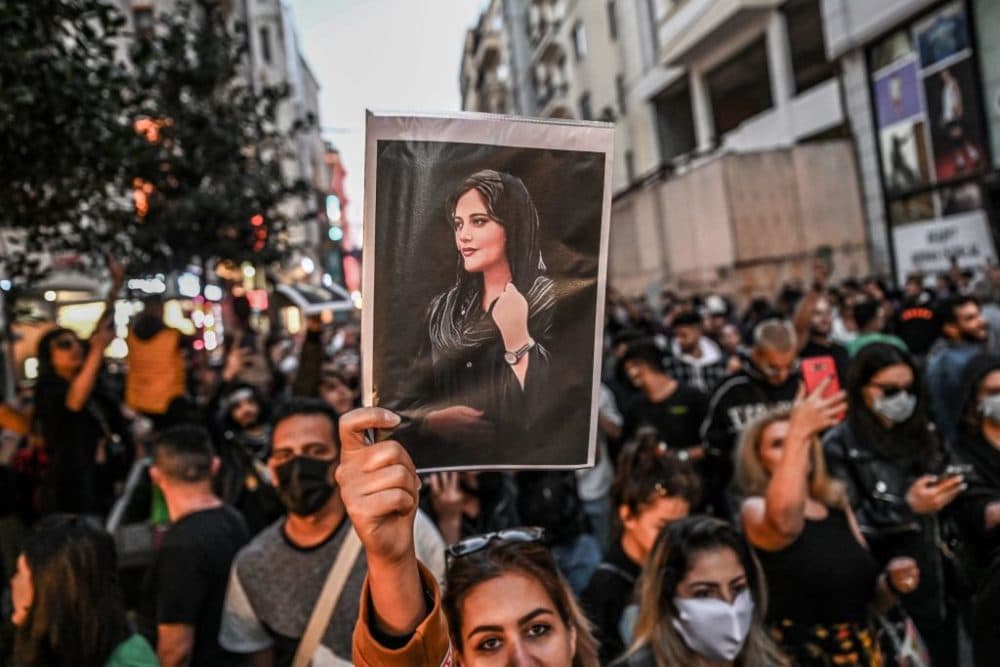
Protesters describe motivations rooted in dignity, opportunity, and accountability. Many emphasize that their actions are driven by long term aspirations rather than short term demands.
One participant in Tehran said,
“People are standing because they believe the future must be different from the present.”
This perspective underscores why demonstrations have continued despite risks. The AIPAC Iran statement has been cited by some as evidence that these voices are being heard beyond Iran.
The Role of Institutions and Civil Society
While formal civil society organizations face restrictions, informal networks have played a key role in sustaining momentum. Neighborhood groups, student circles, and professional associations have coordinated activities and shared information.
Analysts argue that these decentralized structures make the movement more resilient. The AIPAC Iran statement has highlighted this resilience by focusing attention on grassroots participation rather than centralized leadership.
International Organizations and Policy Debate
Global organizations and advocacy groups continue to assess developments, issuing reports and statements that contribute to policy debates. Governments face complex decisions about how to respond without escalating tensions.
The prominence of the AIPAC Iran statement reflects broader international concern and illustrates how external voices can influence diplomatic discussion even without direct intervention.
Economic Outlook and Public Confidence
Economic uncertainty remains a central concern. Currency volatility and limited growth prospects undermine public confidence in recovery. Analysts note that restoring trust requires not only economic reform but also transparent communication and inclusive governance.
As long as economic conditions remain strained, protests are likely to persist. The AIPAC Iran statement has linked these domestic issues with international perceptions of Iran’s stability.
Youth Perspectives and Future Trajectories
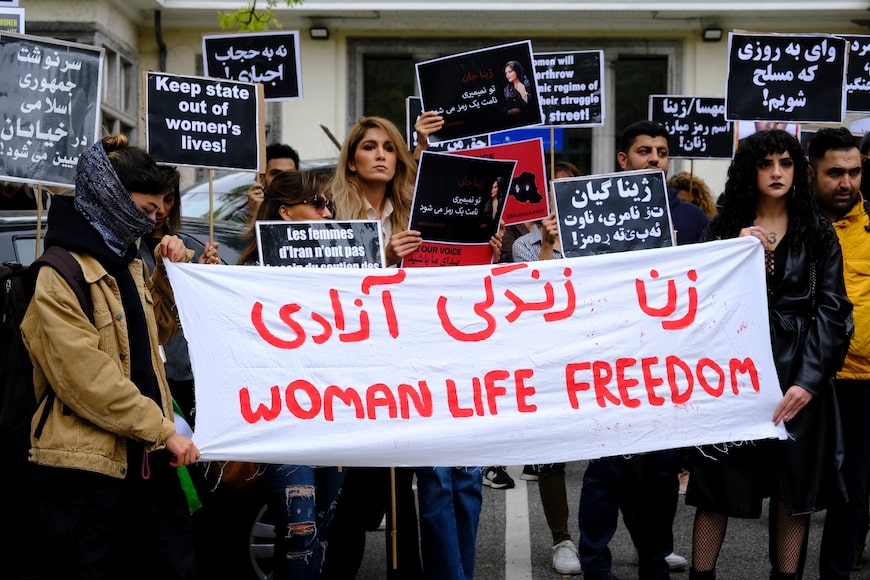
Young Iranians represent a significant portion of the population and are deeply invested in the country’s future. Their participation in protests reflects frustration with limited opportunities and restricted expression.
Observers believe that youth engagement will continue to shape political discourse regardless of short term outcomes. International attention, including references to the AIPAC Iran statement, reinforces the global relevance of their concerns.
Information Control Versus Digital Reality
Efforts to control information flow face challenges in an era of widespread digital access. Even with restrictions, content continues to reach global audiences through encrypted platforms and diaspora networks.
This reality has altered the balance between state messaging and independent narratives. The circulation of the AIPAC Iran statement demonstrates how quickly external commentary can integrate into domestic discourse.
Long Term Political Implications
The current period may prove pivotal in shaping Iran’s political trajectory. Whether through reform, negotiation, or prolonged tension, the outcomes will influence governance and public engagement for years to come.
Analysts stress that sustained dialogue addressing economic and social concerns is essential for stability. The AIPAC Iran statement serves as a reminder that domestic developments are closely watched internationally.
Iran at a Strategic Crossroads
January 2026 stands as a defining moment for Iran. The convergence of persistent protests, economic strain, and heightened global attention has created conditions that demand careful navigation. As debates continue inside and outside the country, the resonance of the AIPAC Iran statement illustrates how internal movements can shape international perceptions and diplomatic conversations. The path forward remains uncertain, but the significance of this moment is undeniable.