

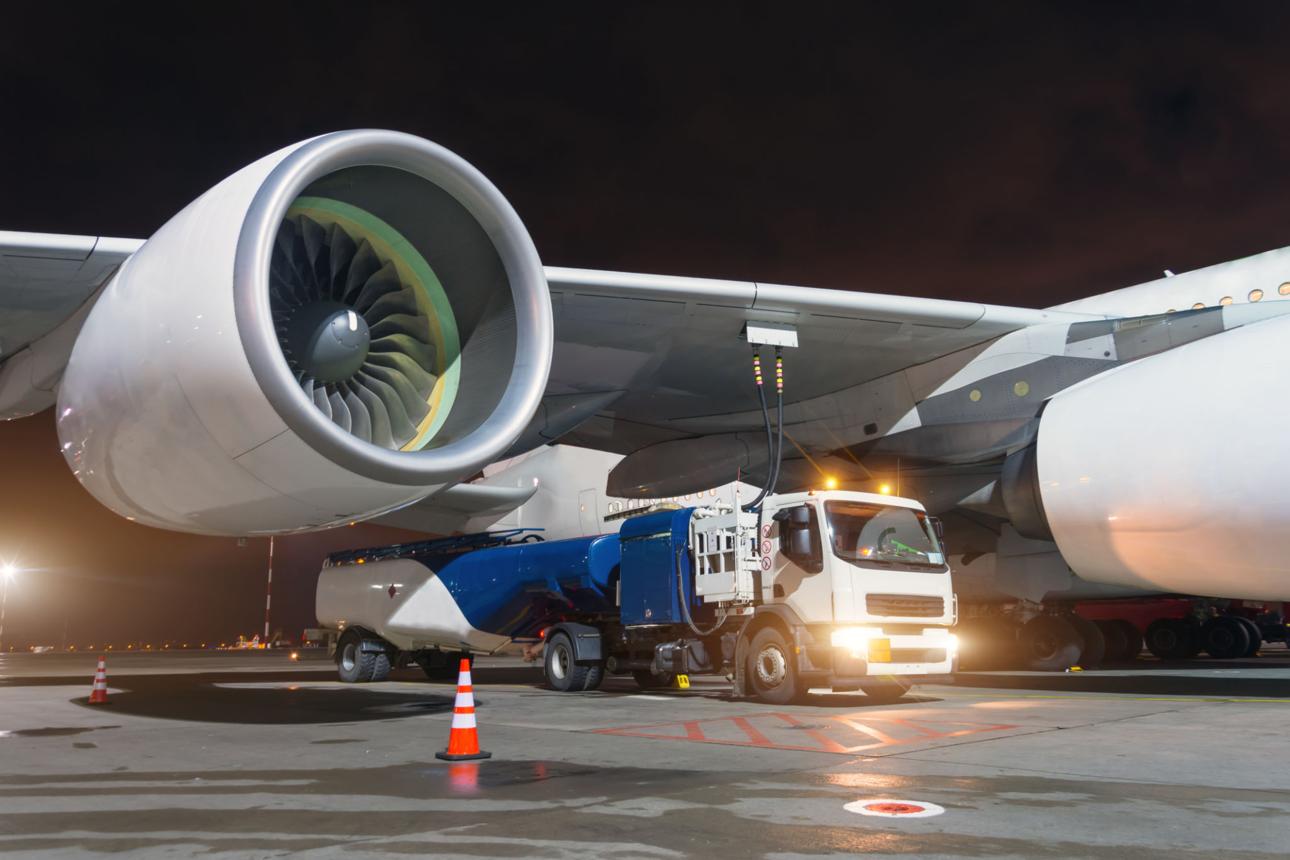
London, April 2026 (Parliament Politics Magazine) airline fuel cost crisis 2026 is intensifying financial pressure across the aviation sector, with EasyJet warning of a significantly larger first-half loss as fuel prices surge and legal costs rise.
The European low-cost carrier revealed that its financial outlook has deteriorated beyond earlier expectations, citing a sharp increase in operating expenses. The company pointed to sustained volatility in global energy markets as a primary driver, compounded by unexpected legal bills that have added to the burden.
“This is one of the most challenging cost environments we’ve faced in years,”
the airline said, signaling concern about the months ahead.
Fuel Prices at the Center of the Airline Fuel Cost Crisis 2026
At the core of the airline fuel cost crisis 2026 is the persistent rise in aviation fuel prices, which has become one of the most significant threats to airline profitability worldwide.
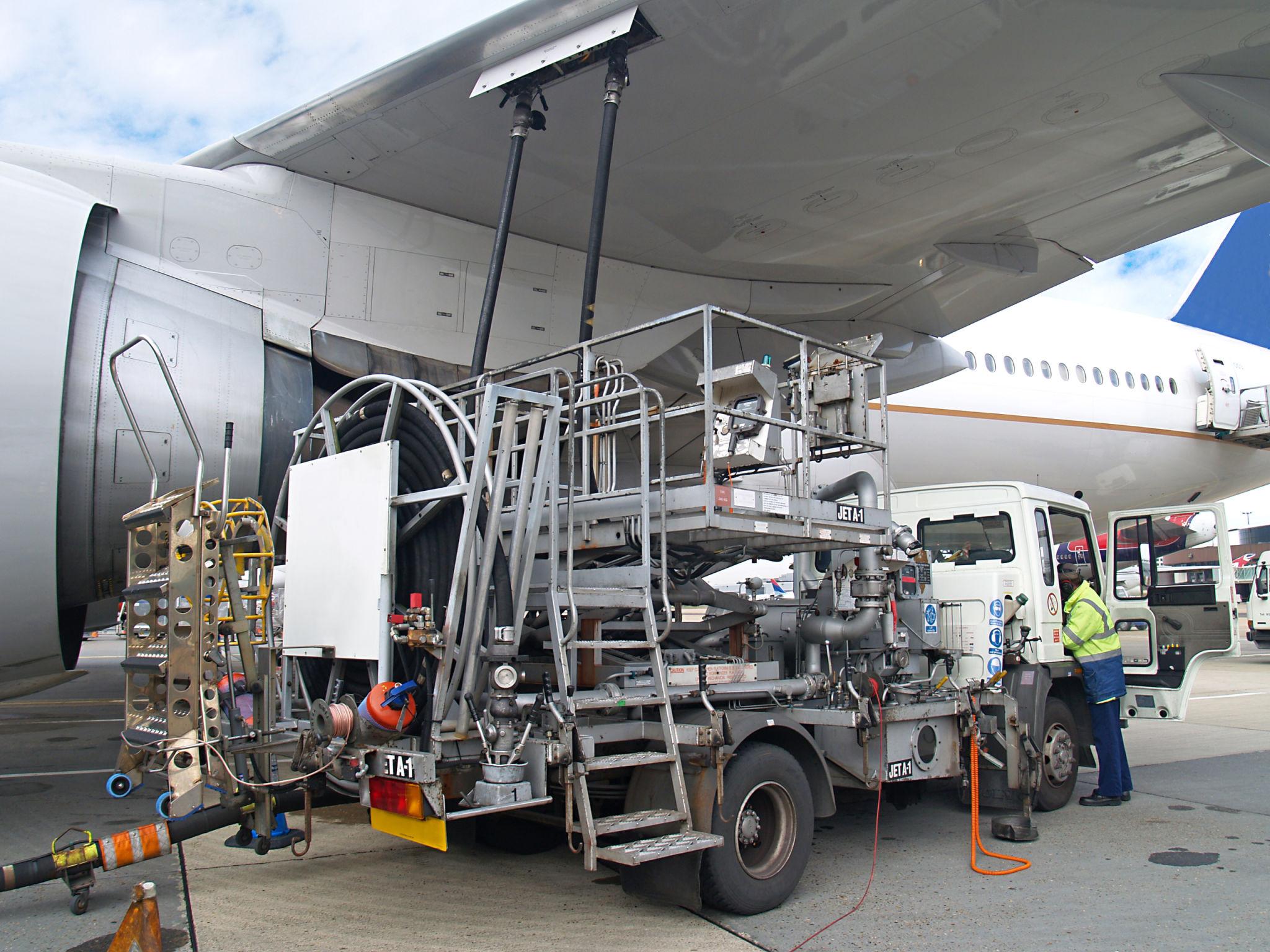
Fuel is typically one of the largest expenses for airlines, often accounting for a substantial portion of total operating costs. In 2026, geopolitical tensions and disruptions in global oil supply chains have pushed prices higher, leaving airlines exposed to sudden cost spikes.
For budget carriers like EasyJet, the impact is even more pronounced. Their business models rely on offering competitive fares, leaving little room to absorb increased costs without affecting profitability.
Despite attempts to hedge fuel costs, the unpredictable nature of the current market has made it difficult to fully protect against price swings. As a result, airlines are being forced to reassess their financial strategies.
Legal Costs Compound Financial Challenges
While fuel remains the dominant factor, EasyJet also highlighted rising legal expenses as a contributing factor to its widening losses.
Legal costs in the airline industry have been climbing due to stricter regulations and increased passenger claims. Compensation requirements for delays, cancellations, and operational disruptions have added to financial strain, particularly during periods of high travel demand.
The airline indicated that these expenses have exceeded initial projections, further amplifying the impact of the airline fuel cost crisis 2026.
This dual pressure-fuel and legal costs, has created a difficult operating environment that is challenging even for well-established carriers.
Strong Demand Fails to Offset Rising Costs
Interestingly, the airline fuel cost crisis 2026 is unfolding at a time when travel demand remains strong. EasyJet reported steady booking trends, with passengers continuing to travel across Europe in large numbers.
However, strong demand alone is not enough to ensure profitability. The cost of operating flights has risen at a faster pace than revenue growth, creating a gap that is reflected in the company’s loss warning.
Airlines are attempting to pass some of these costs onto consumers through higher ticket prices, but competition within the industry limits how much can be charged without affecting demand.
As a result, carriers are walking a fine line between maintaining passenger volumes and managing financial sustainability.
Industry-Wide Impact of the Airline Fuel Cost Crisis 2026
The airline fuel cost crisis 2026 is not limited to EasyJet. Airlines across Europe and beyond are experiencing similar challenges, with rising fuel prices affecting the entire sector.
Industry experts point to several contributing factors:
- Ongoing geopolitical instability impacting oil supply
- Increased operational costs across the board
- Regulatory pressures adding financial obligations
- Labor costs rising as airlines rebuild their workforce
These combined pressures are reshaping the aviation landscape, forcing airlines to adapt quickly or risk falling behind.
Some analysts warn that prolonged cost increases could lead to consolidation within the industry, as smaller carriers struggle to remain viable.
Strategic Response from EasyJet
In response to the airline fuel cost crisis 2026, EasyJet is taking steps to manage its financial exposure and improve efficiency.
Key measures include:
- Adjusting ticket pricing to better reflect rising costs
- Streamlining operations to reduce inefficiencies
- Enhancing revenue through ancillary services
- Reviewing legal strategies to minimize future expenses
The airline is also focusing on maintaining strong load factors, ensuring that flights operate at high capacity to maximize revenue.
While these steps may help mitigate losses, external factors such as fuel prices remain largely outside the airline’s control.
Market Reaction Signals Investor Concern
The airline fuel cost crisis 2026 has triggered a cautious response from investors, with market sentiment reflecting uncertainty about the future of the aviation sector.
EasyJet’s announcement led to fluctuations in its stock performance, as investors assessed the potential long-term impact of rising costs.
Analysts are closely watching how airlines respond to these challenges, particularly in terms of pricing strategies and cost management.
The situation has also raised broader questions about the sustainability of low-cost airline models in an environment of persistent cost inflation.
Outlook for the Months Ahead
Looking forward, the airline fuel cost crisis 2026 is expected to remain a key issue for the aviation industry. EasyJet has indicated that while demand is likely to stay strong, cost pressures will continue to influence financial performance.
The airline is cautiously optimistic about the second half of the year, particularly during peak travel seasons. However, much will depend on whether fuel prices stabilize and legal costs come under control.
Flexibility and adaptability will be critical as airlines navigate this uncertain landscape.
Impact on Travelers and the Broader Economy
For travelers, the airline fuel cost crisis 2026 could result in higher airfares and additional fees as airlines attempt to offset rising costs.
Passengers may also experience changes in flight availability, as airlines adjust routes and schedules to improve efficiency.
Beyond the travel sector, the crisis has broader economic implications. Higher transportation costs can influence tourism, business travel, and even supply chains that rely on air freight.
This ripple effect highlights the importance of the aviation industry within the global economy.
A Defining Moment for Aviation
The airline fuel cost crisis 2026 is shaping up to be a defining challenge for the aviation industry. EasyJet’s warning of a larger first-half loss underscores the severity of the situation, as rising fuel prices and legal costs continue to strain financial performance.
“Airlines are entering a period where resilience and strategic decision-making will determine their future,”
an industry analyst noted.
As the year progresses, the industry’s ability to adapt will play a crucial role in determining its long-term stability.
The Bottom Line for Travelers
The airline fuel cost crisis 2026 is hitting airlines hard, with EasyJet warning of deeper first-half losses due to surging fuel prices and rising legal costs. Despite strong travel demand, mounting expenses are squeezing profits and raising concerns across the aviation sector. The months ahead will be critical as airlines fight to regain financial stability.
