

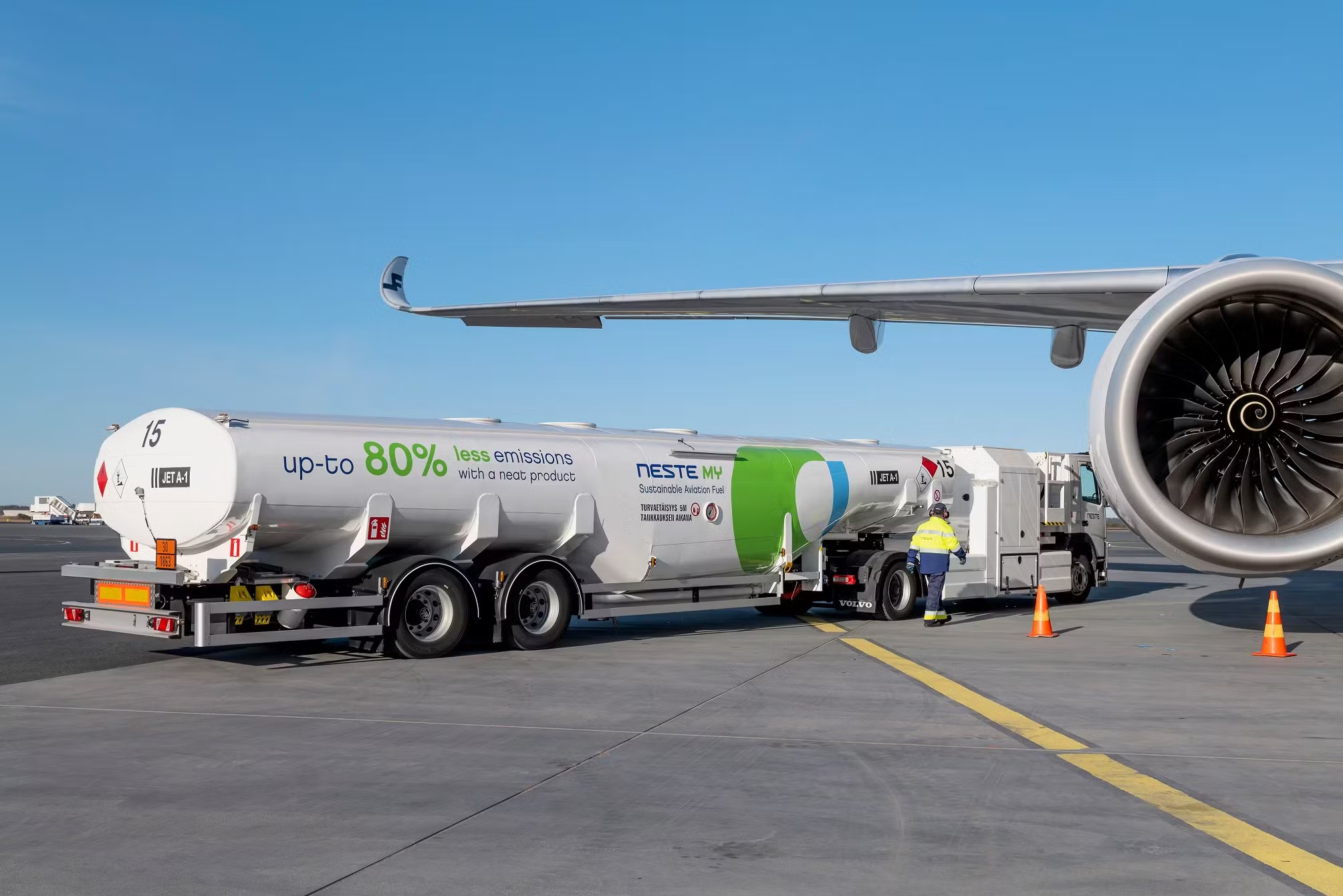
Brussels, European Union, April 2026 (Parliament Politics Magazine) The EU jet fuel shortage has moved from warning to reality faster than most officials expected. Since the US-Iran military conflict erupted on February 28, 2026, the Strait of Hormuz has been effectively shut, severing the primary corridor that carries aviation fuel into European airports. What began as a geopolitical standoff in the Gulf has quietly become one of the most serious threats to European air travel in modern history, and the continent now has roughly three weeks to find a way out before the damage becomes irreversible.
How One Waterway Is Holding European Aviation Hostage
To understand why airports across Europe are sounding emergency alarms, you need to understand just how dependent the continent is on a single narrow strip of water in the Persian Gulf. The Strait of Hormuz carries approximately 20 percent of the world’s seaborne crude oil and between 40 and 50 percent of Europe’s jet fuel imports on any given day. Gulf refineries in Kuwait and Saudi Arabia supply the majority of that aviation fuel, and almost all of it moves through this one chokepoint before reaching European shores.
When Iran declared the Strait closed to vessels traveling to and from the United States, Israel, and their allies in late March 2026, it did not just disrupt oil trading. It cut the supply line that keeps European aircraft in the air. Cargo flows that had totaled well over 200,000 barrels per day into northwest Europe and the Eastern Mediterranean dropped to near zero almost overnight.
The final shipments that passed through the Strait before its effective closure were expected to reach European ports around April 10. After that point, unless the waterway reopens in a meaningful and consistent way, incoming aviation fuel volumes fall sharply and airport reserve tanks start counting down toward empty.
The Three-Week Window That Is Already Closing
This is where the situation becomes genuinely alarming. Several European countries hold strategic jet fuel reserves that cover only eight to ten days of normal airport operations. That is not a comfortable cushion. It is barely enough breathing room to organize alternatives while peak summer flight schedules are already being finalized and seats are being sold.
Airports Council International Europe, which represents more than 600 airports accounting for over 95 percent of all commercial air traffic across the EU, sent a direct letter to EU Transport Commissioner Apostolos Tzitzikostas on April 9, 2026. The message was direct and urgent: if the Strait of Hormuz does not reopen in a significant and stable way within three weeks, a systemic aviation fuel crisis becomes unavoidable for the bloc.
“At this stage, we understand that if the passage through the Strait of Hormuz does not resume in any significant and stable way within the next three weeks, systemic jet fuel shortage is set to become a reality for the EU,”
the letter read.
That three-week window opened on April 9. It is already shrinking by the day, and Brussels is racing to put a credible plan together before it closes entirely.

What the EU Is Actually Doing Right Now
The European Commission has not been passive. Its oil coordination group has convened urgent meetings to assess the scale of the aviation fuel crisis, though officials have openly acknowledged a troubling institutional gap: there is currently no EU-wide system for tracking jet fuel production and availability in real time across member states. That blind spot is dangerous when airports need to know precisely where shortages will hit first and how quickly fuel can be rerouted.
The EU is now building an emergency response package. The measures under consideration include a comprehensive mapping of existing jet fuel stocks across all member states, coordinated identification of alternative import sources beyond the Gulf region, bloc-level collective purchasing arrangements to prevent individual airports from competing against each other for limited supplies, pressure on European refineries to increase kerosene and aviation fuel output as quickly as possible, and a temporary relaxation of import regulations to open faster procurement channels from new supplier markets.
The United States has emerged as the most significant alternative source in the near term. US monthly jet fuel exports to Europe reached their highest recorded level in March 2026, approaching 400,000 tonnes, and analysts expect that upward trend to continue. American refiners, insulated from Gulf supply disruptions by their large domestic energy production base, are well positioned to sell into a tight European market at premium prices.
One energy analyst framed it plainly: “US airlines drawing on domestically produced jet fuel are structurally less exposed to the supply disruptions currently affecting transatlantic and Middle Eastern flows,” adding that US energy firms are well placed to capitalize on the widening price gap between American and European aviation fuel costs.
The problem is one of scale. The EU and the United Kingdom together imported roughly 1.4 million tonnes of jet fuel in May 2025. Even at its record March pace, US exports to Europe cover less than a third of that monthly requirement. European refineries are expected to increase kerosene output, but not fast enough to close the gap if Gulf supplies remain choked off through May and June, the two busiest months of the European travel calendar.
Airlines Are Already Cutting Flights Before the Shortage Even Peaks
Passengers do not need to wait for fuel reserves to hit zero to feel the effects. European carriers are already acting on the assumption that this aviation fuel supply crisis will not resolve itself quickly, and the impact is landing in real time on flight schedules and ticket prices.
SAS has already announced the cancellation of 1,000 flights in April alone. Wizz Air’s chief executive warned in March that the airline is projecting a 50 million euro hit to its 2026 net profit. Virgin Atlantic’s CEO told the Financial Times that the airline will struggle to return a profit this year even after adding fuel surcharges to ticket prices.
“No matter what happens in the Gulf going forward, some of this disruption to global energy prices will be here to stay,” the Virgin Atlantic chief executive said, signaling that airlines are not expecting a quick return to normal even if a diplomatic resolution is eventually reached.
The fuel price data tells its own story. Since the conflict broke out on February 28, aviation fuel costs have roughly doubled, now trading between $150 and $200 per barrel. Fuel typically accounts for 20 to 25 percent of an airline’s total operating costs. When that figure doubles, the pressure to cut routes, reduce capacity, and raise fares becomes overwhelming within weeks.
A senior economist at ING put the market outlook in plain terms:
“There are many warnings of looming shortages in the weeks ahead, if there is no supply coming again. We have seen these vessels now stopping, so supplies from the Middle East have run out, and we need replacements.”
170 Million Summer Travelers Are Directly in the Line of Fire
The timing of the EU jet fuel shortage could not be more damaging for European tourism economies. The summer travel season generates 851 billion euros in GDP for European economies annually and directly supports 14 million jobs across aviation, hospitality, and tourism sectors. Any meaningful disruption to flight operations during May, June, and July does not just inconvenience holidaymakers.
It strips revenue from coastal resorts, island economies, and city tourism industries in countries like Spain, Greece, Italy, and Portugal that depend heavily on warm-weather visitor spending to balance their annual economic books.
Aviation analyst Alex Macheras issued a stark public warning in mid-April, stating that a serious aviation fuel shortage was less than a week away across multiple European markets. Rystad Energy’s chief economist added that while markets had initially priced in a quick diplomatic resolution to the Iran conflict, that expectation has now evaporated. With US-Iran talks in Islamabad having collapsed in the days before April 11 and the US naval blockade firmly in place, he said plainly:
“It does look like this is a long process,”
drawing a direct parallel to the prolonged and grinding trajectory of the Russia-Ukraine war.
A Ceasefire That Has Delivered Almost Nothing
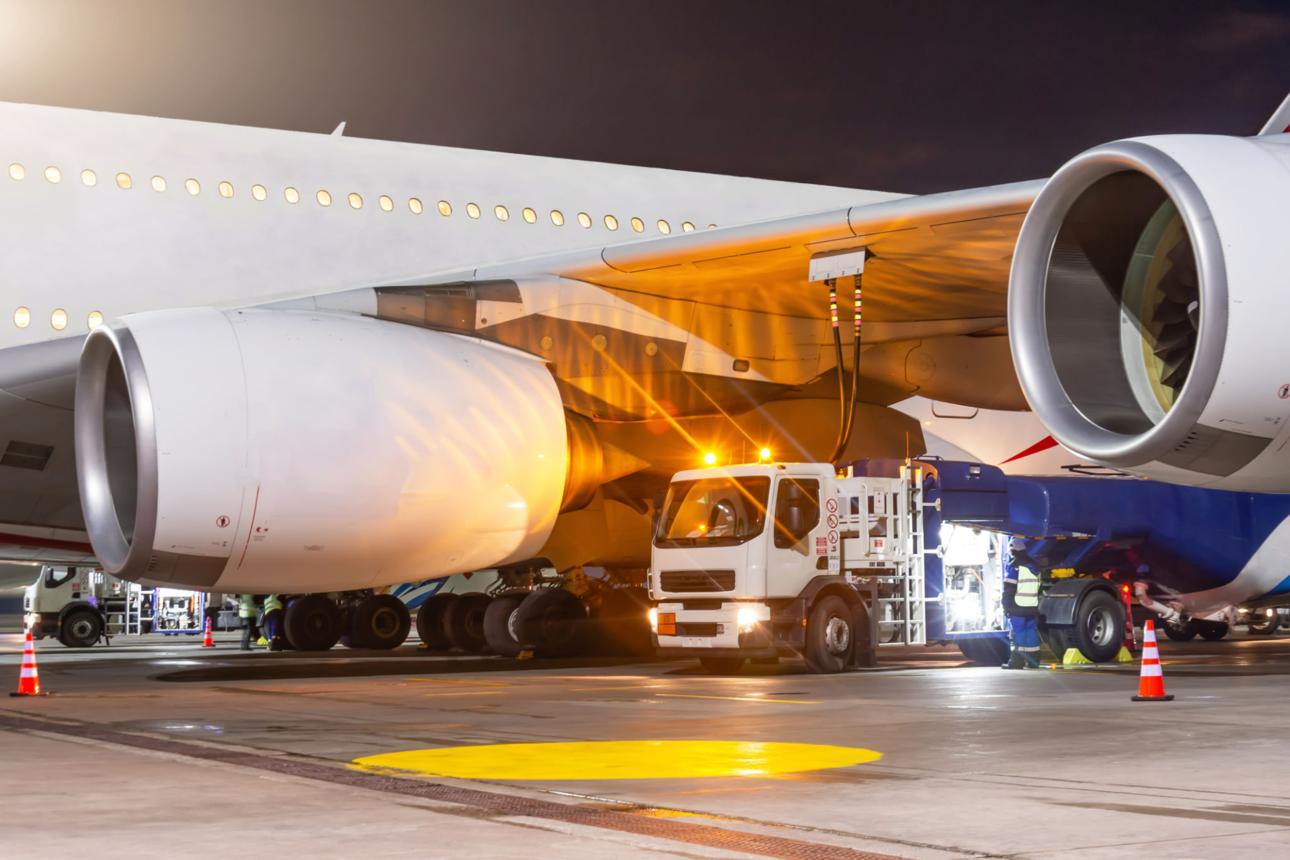
A two-week ceasefire was announced on April 7, 2026, briefly raising hopes that Strait traffic might begin to normalize. Those hopes have not been rewarded. Only limited and irregular vessel movement has returned since the ceasefire took effect, far short of the consistent and reliable flow that European airports need to rebuild reserve levels and restore confidence in forward supply planning.
The core diplomatic disputes between the US and Iran remain unresolved. Arguments over nuclear weapons development and physical control over the Strait of Hormuz have not moved toward agreement. Until those foundational issues see meaningful progress, European aviation will remain structurally exposed, and the EU jet fuel shortage will continue to deepen with each passing week.
What You Need to Know
The EU jet fuel shortage has entered its most critical phase, with a potential systemic breakdown of aviation fuel supply projected for early May 2026 if the Strait of Hormuz remains blocked. Europe relied on the Gulf corridor for 40 to 50 percent of its aviation fuel imports, and that supply has been almost entirely cut off since late February. ACI Europe has formally warned EU commissioners that airports face severe disruption within a three-week window.
Around 170 million summer passengers and 851 billion euros in annual economic output are directly at risk. Emergency EU measures are underway, including US sourcing and domestic refinery increases, but the supply gap remains dangerously wide. Airlines including SAS, Wizz Air, and Virgin Atlantic are already cancelling flights and hiking fares.
The April ceasefire has brought minimal relief, and diplomacy between Washington and Tehran remains deadlocked with no resolution in sight.
