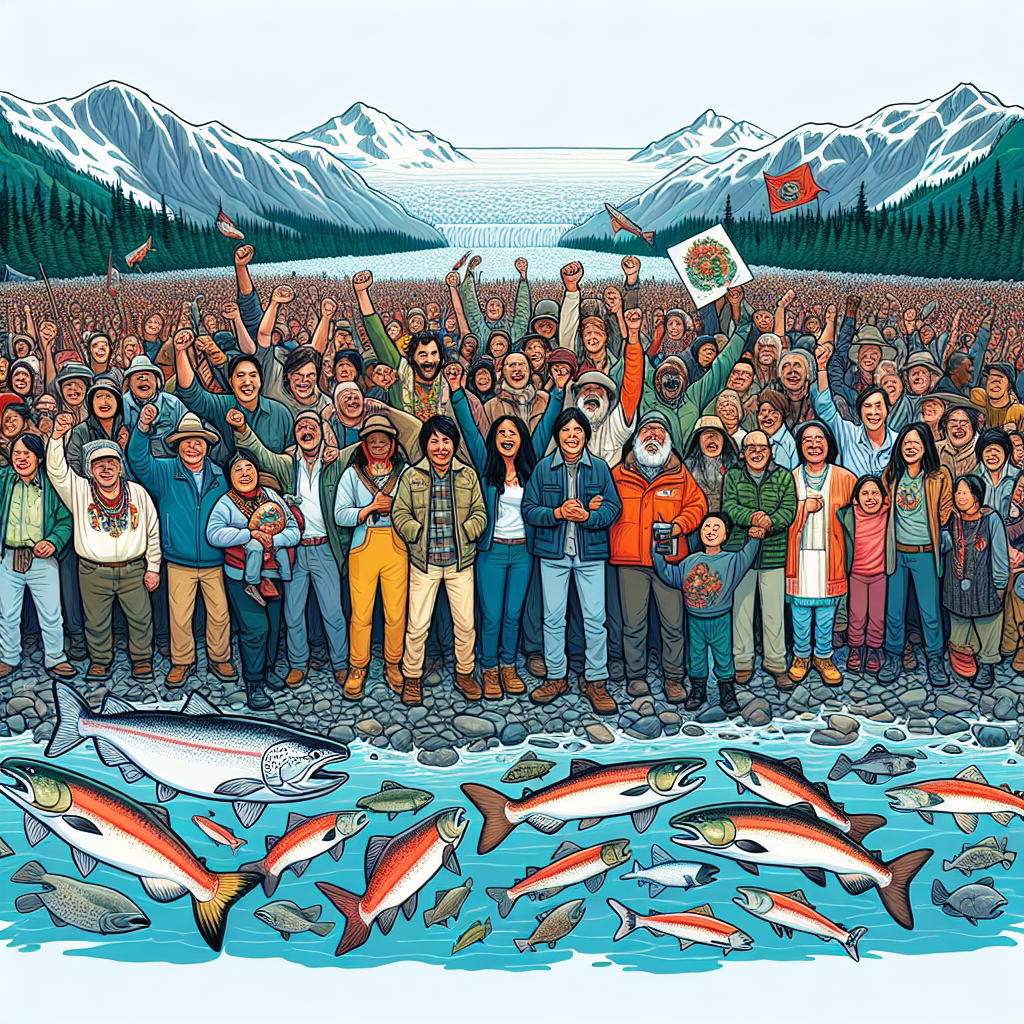
Alaska Native Communities Celebrate New Chum Salmon Conservation Measures
In a significant conservation move, Alaska has enacted new restrictions aimed at aiding the recovery of chum salmon populations, a vital resource for local Alaska Native communities and the state’s fisheries. Announced earlier this week by the Alaska Department of Fish and Game, these measures include limitations on commercial fishing and increased monitoring efforts in critical habitats, designed to address the declining numbers of this essential fish species in the region. Local advocates and Alaska Natives have hailed the decision as a crucial step toward preserving cultural heritage and sustaining the economy in Alaska’s remote communities.
Chum salmon, also known as dog salmon, play a pivotal role in the ecology and economy of Alaska. This species not only serves as a primary food source for numerous wildlife, including bears and birds, but it is also a staple in the diets and cultural practices of Alaska Natives. The populations of chum salmon have faced numerous pressures, including climate change, overfishing, and habitat degradation, prompting significant concern among fishery managers and local stakeholders.
The new regulations will restrict the timing and amount of commercial fishing allowed in key rivers and streams where chum salmon spawn, particularly during their critical migration periods. Furthermore, the Alaska Department of Fish and Game plans to enhance monitoring programs to gather data on population health and spawning success. This proactive approach aims to mitigate the risks associated with overfishing and environmental changes.
Local advocates have expressed gratitude for the swift action taken by the state. "This is a significant step forward for our communities and the salmon populations that our way of life depends on," said Denae Koss, a spokesperson for a prominent Alaska Native organization. "For too long, we have been at the mercy of declining fish stocks, and this proactive measure gives us hope for the future."
The importance of chum salmon extends beyond ecological significance; it also plays a role in cultural identity. Traditional fishing practices are woven into the fabric of many Alaska Native communities. Recovering chum salmon populations is not just about conserving a species; it’s about preserving a way of life. Advocates believe that restoring the health of salmon populations can lead to improved food security and economic stability for these communities.
Critics of the new measures, however, cite concerns about the potential economic impact on commercial fisheries. The restrictions may affect the livelihoods of those reliant on fishing for their income. But state officials argue that the long-term benefits outweigh any short-term losses. “If we don’t take action now, we jeopardize not only the salmon but the industries that rely on them,” stated Alaska Governor Mike Dunleavy during the announcement of the new regulations.
Economic studies indicate that healthy salmon populations can lead to more sustainable fishing practices that benefit both local communities and commercial interests in the long run. Sustainable fisheries are projected to provide a more stable source of income as they focus on long-term health rather than short-term gains.
The current situation regarding chum salmon is not unique to Alaska; other regions are also grappling with similar ecological challenges. Public awareness campaigns and collaborative efforts among local communities, state officials, and non-profit organizations are imperative to address these multifaceted issues effectively.
In addition to the new restrictions, the Alaska Department of Fish and Game has announced plans for education initiatives aimed at increasing awareness about sustainable fishing practices. Workshops and community outreach programs will focus on the importance of preserving salmon habitats while promoting equitable fishing practices for both commercial and subsistence fishermen.
Scientific research plays a critical role in formulating these conservation measures. Ongoing studies on chum salmon biology, habitat requirements, and environmental changes are essential to developing effective management strategies. Collaboration between scientists, fishery managers, and Alaska Native knowledge keepers will provide a more comprehensive understanding of how to best support salmon recovery.
The new restrictions also reflect an increasing recognition of Indigenous practices and knowledge in resource management. Tribes and Alaska Native organizations have long called for policies that respect traditional ecological knowledge, which emphasizes the importance of maintaining balanced ecosystems. As the state explores ways to incorporate these insights, it may lead to innovative solutions that benefit both chum salmon and the livelihoods dependent on them.
State efforts to restrict fishing and enhance monitoring are set to take effect immediately, with a review period scheduled for the end of the fishing season. This allows time for gathering data on the impact of these measures and making necessary adjustments to ensure that both economic needs and ecological health are prioritized.
In conclusion, the new restrictions aimed at helping chum salmon recover have been met with widespread support from Alaska Natives and advocates alike. As Alaska moves to balance the economic demands of commercial fishing with the urgent need for conservation, the road ahead will require ongoing collaboration among diverse stakeholders. Ensuring sustainable fish populations, preserving cultural heritages, and fostering community resilience will be essential as Alaska navigates the challenges that lie ahead. The recent legislative action offers a glimmer of hope for a future where rushes of salmon return to their spawning grounds, reinforcing the intricate ties between the land, its resources, and the people who call it home.