


WASHINGTON, February 13, 2026 — According to Parliament News, that The debate over Alibaba US restrictions intensified this week in Washington as policymakers signaled a potential expansion of regulatory measures targeting major Chinese technology firms. The issue has become a focal point in the broader economic and strategic rivalry between the United States and China, with lawmakers framing Alibaba US restrictions as part of a national security review in 2026.
The move, still under discussion according to officials familiar with the matter, could reshape investment flows, technology supply chains, and diplomatic dynamics between the world’s two largest economies.
What the Proposed Measures Involve
At the center of the conversation are potential limitations on investment, technology transfers, and procurement relationships tied to Alibaba’s business operations. While no final announcement has been made, discussions suggest Alibaba US restrictions could include tighter oversight of capital markets exposure and expanded compliance requirements for American firms engaging with Alibaba subsidiaries.
Such measures would likely build upon earlier policies that restricted access to advanced semiconductors and artificial intelligence technologies. The objective, according to policymakers, is to ensure sensitive technologies are not used in ways that could support foreign military modernization.
Why Alibaba Is in Focus
Alibaba operates one of the largest cloud computing platforms in Asia, alongside a vast ecommerce ecosystem and digital logistics network. Its technological reach spans data infrastructure, AI research, fintech, and international commerce.
Officials reviewing Alibaba US restrictions argue that the scale of the company’s data capabilities and cloud services raises strategic questions. Cloud infrastructure is increasingly viewed not just as commercial software, but as critical digital infrastructure with potential defense applications.
Analysts note that dual use technology — systems that serve both civilian and military functions — has become a defining issue in US China policy debates.
Market Reaction and Investor Response
Financial markets responded cautiously to early reports of expanded Alibaba US restrictions. Shares of major Chinese technology firms experienced volatility as investors assessed the likelihood and scope of any regulatory changes.
Institutional investors are particularly attentive because any formal designation could trigger compliance obligations. Asset managers may need to evaluate exposure, while multinational firms could reassess risk models tied to long term digital partnerships.
Short term uncertainty often drives price swings, but long term valuation depends on the actual structure and enforcement of regulatory decisions.
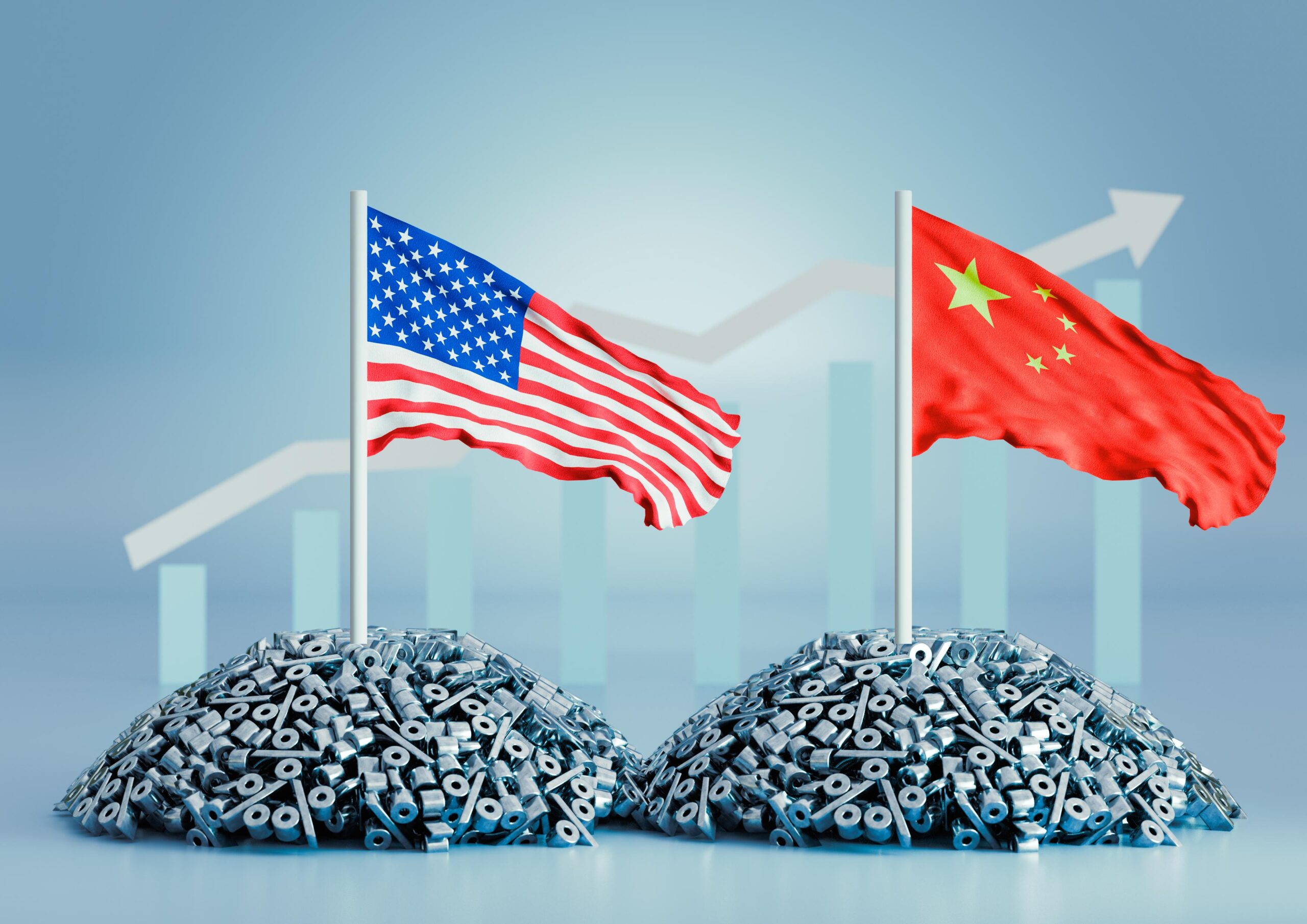
Strategic Context in 2026
In 2026, economic security remains central to Washington’s strategic doctrine. Policymakers from both major parties have increasingly emphasized technological leadership as a pillar of national defense.
Over the past several years, the United States has:
- Tightened semiconductor export controls
- Increased scrutiny of cross border investments
- Expanded review of AI and advanced computing sectors
- Strengthened supply chain resilience programs
Alibaba US restrictions are therefore seen by analysts as part of a broader realignment rather than an isolated action.
Diplomatic and Trade Implications
Any expansion of Alibaba US restrictions could further strain diplomatic channels. Beijing has historically responded to similar measures with reciprocal economic actions or regulatory scrutiny of foreign firms operating in China.
Trade analysts suggest that escalation could affect not only technology but also commodities, financial services, and global logistics networks. Multinational corporations operating in both markets may face increasing compliance complexity.
A senior policy analyst commented,
“Technology competition is now inseparable from national security policy.”
Impact on Global Technology Supply Chains
Global supply chains have been gradually diversifying since 2020. The potential enforcement of Alibaba US restrictions may accelerate this process.
Companies dependent on cross border cloud services may begin exploring alternative providers in different jurisdictions. Data localization policies could expand. Firms may prioritize geographic redundancy to minimize regulatory risk.
This shift does not happen overnight, but sustained policy pressure can reshape infrastructure decisions over time.
Implications for Cloud and AI Development
Alibaba’s cloud division is a significant player in Asia’s digital economy. If Alibaba US restrictions limit collaboration or access to certain technologies, research partnerships could slow.
Artificial intelligence systems rely on large scale computing resources and cross border innovation. Fragmentation of research ecosystems may create parallel development tracks in separate geopolitical spheres.
Technology experts caution that innovation thrives on open collaboration, yet policymakers counter that security safeguards are essential.
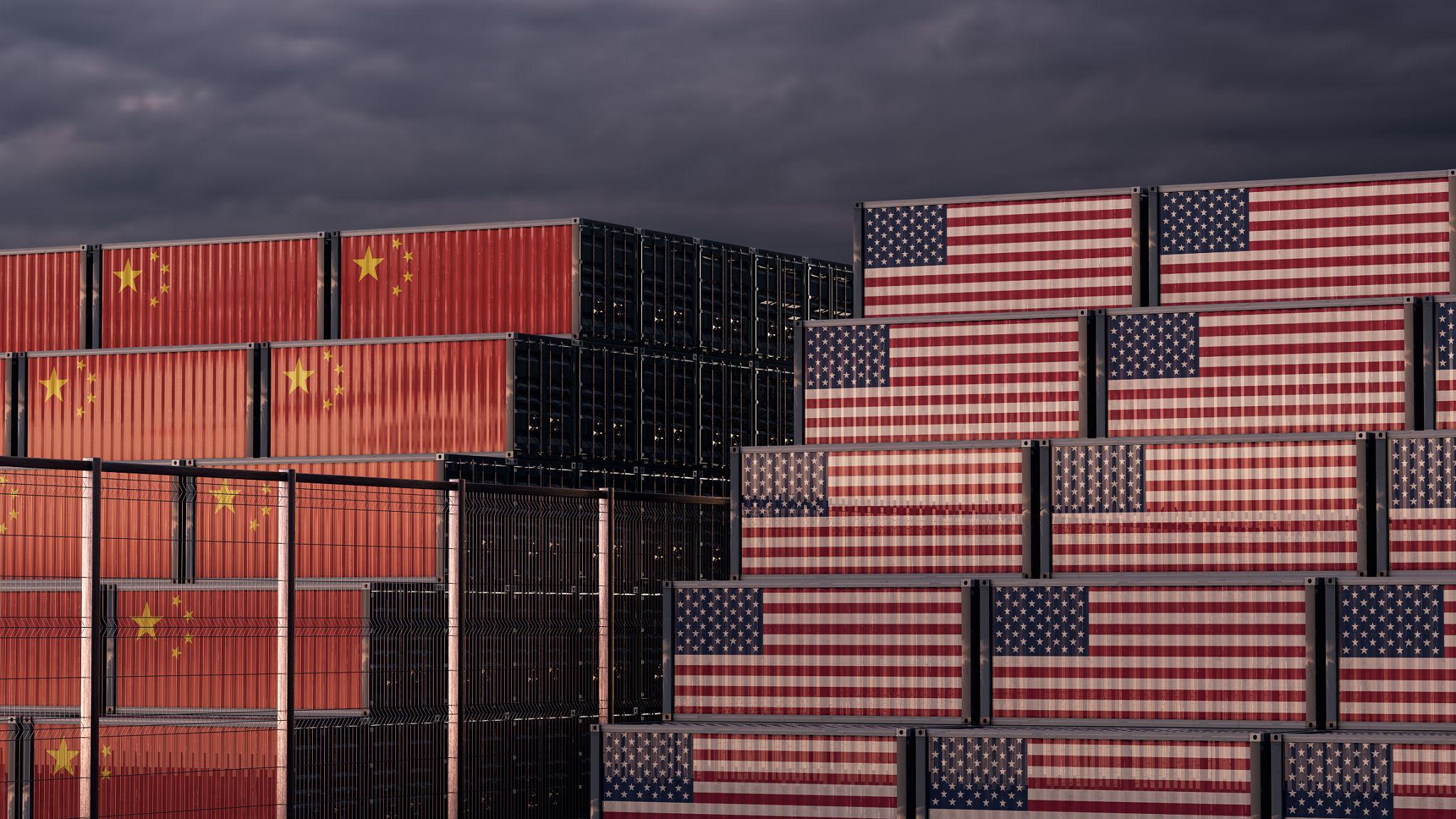
Financial System Considerations
Financial institutions play a key role in implementing sanctions or restrictions. If Alibaba US restrictions include investment limitations, U.S. funds could be required to review or divest certain holdings.
Compliance departments would need to interpret regulatory language carefully. Banks, pension funds, and asset managers would likely increase due diligence reviews.
This administrative layer adds cost and complexity to global capital markets.
Domestic Political Dynamics
The timing of renewed discussion around Alibaba US restrictions reflects broader domestic political priorities in 2026. Economic resilience, industrial policy, and supply chain independence remain frequent themes in congressional hearings and campaign speeches.
Lawmakers emphasize that strategic industries — including cloud infrastructure, AI, and advanced manufacturing — must remain insulated from potential security vulnerabilities.
While partisan differences exist on implementation details, there is growing bipartisan consensus on strengthening oversight of foreign technology firms operating in sensitive sectors.
Corporate Governance and Transparency Issues
Another dimension of Alibaba US restrictions involves transparency standards. U.S. regulators have previously raised concerns about auditing access and corporate disclosures tied to foreign firms listed on American exchanges.
Strengthened compliance frameworks could require clearer reporting on subsidiary operations, ownership structures, and cross border data flows.
Such transparency requirements are often framed as investor protection measures alongside national security considerations.
Broader Economic Ripple Effects
The global economy is interconnected. Changes to Alibaba US restrictions could influence:
- Venture capital investment patterns
- Technology startup funding flows
- Cross border ecommerce partnerships
- Digital payment ecosystems
Smaller firms integrated into Alibaba’s platforms may experience indirect effects, even if they are not directly targeted by policy.
Economic analysts describe the environment as one of managed competition rather than outright decoupling.
Legal and Regulatory Process
Before formalizing Alibaba US restrictions, agencies typically conduct interdepartmental reviews. Legal frameworks must align with statutory authority and executive directives.
Public announcements often follow weeks or months of internal coordination. Companies affected may be given compliance deadlines, depending on the severity of restrictions.
Transparency in implementation plays a significant role in minimizing market disruption.

International Response and Alliances
Allied governments are watching closely. Some countries have adopted similar investment screening mechanisms, while others emphasize maintaining open trade channels.
The trajectory of Alibaba US restrictions may influence allied policy decisions. Coordinated approaches could amplify impact, while divergent strategies might dilute enforcement.
Global economic governance bodies are also monitoring developments as they assess implications for digital trade norms.
Long Term Outlook for US China Tech Relations
Technology competition is expected to define US China relations for years to come. Alibaba US restrictions represent one chapter in a broader narrative of strategic rivalry.
Future developments could include additional sector specific controls or negotiated frameworks aimed at stabilizing relations. Much depends on diplomatic engagement and economic conditions in the coming quarters.
Investors and policymakers alike recognize that abrupt disruption carries systemic risk.
A Turning Point in Digital Geopolitics
As Washington evaluates potential Alibaba US restrictions, the episode underscores a deeper transformation in global governance. Technology is no longer treated purely as commerce; it is strategic infrastructure woven into defense, finance, and diplomacy.
The debate in Washington, 2026, signals that economic policy and national security are increasingly inseparable. Whether the measures are expanded or moderated, the direction is clear: geopolitical considerations will continue shaping corporate strategy, capital markets, and technological innovation.
The unfolding developments around Alibaba US restrictions may ultimately mark a defining moment in how governments balance open markets with strategic caution in the digital age.