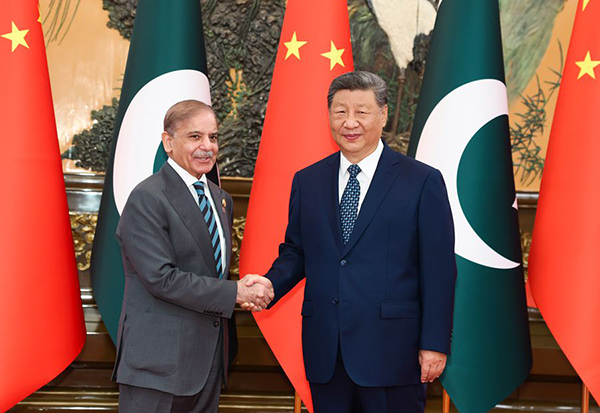
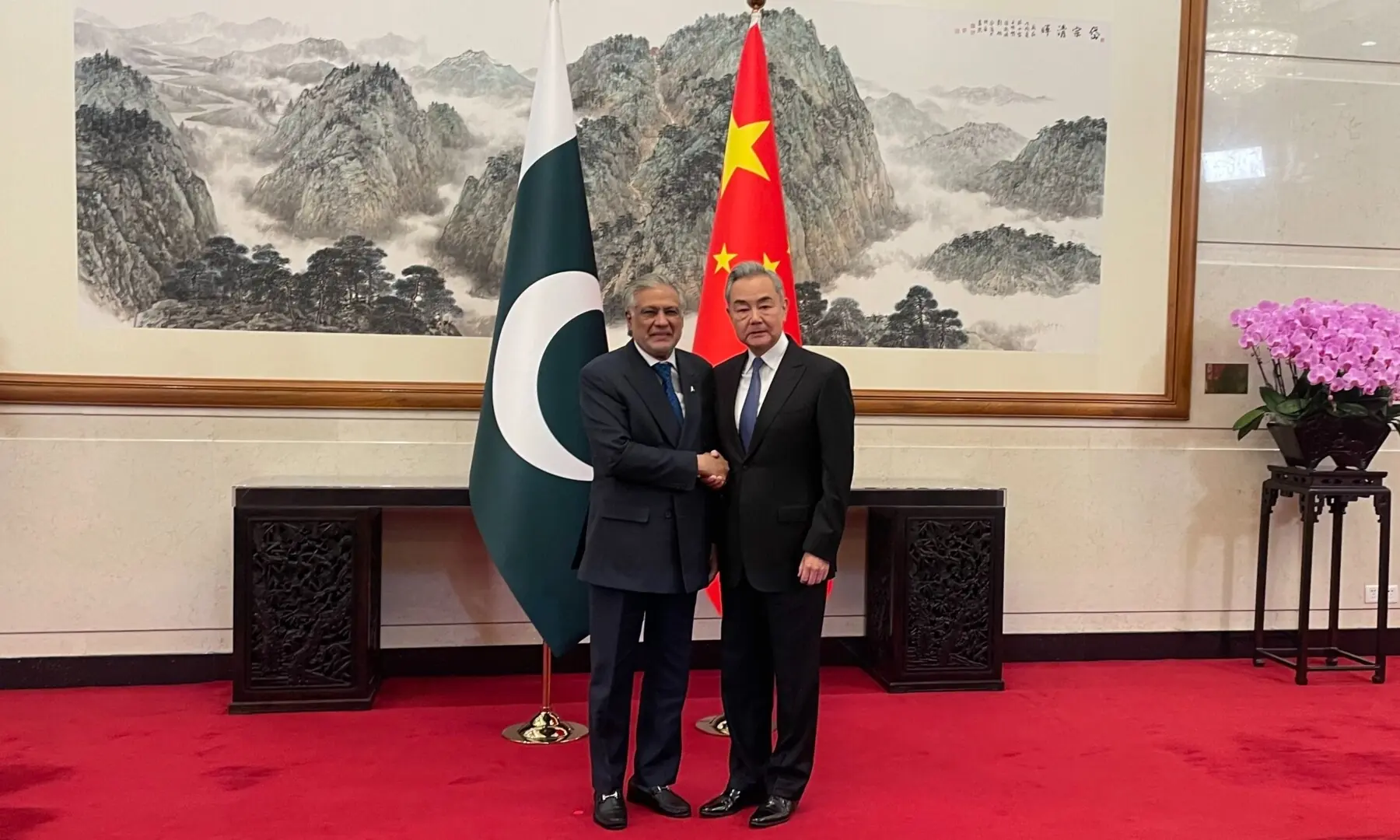
ISLAMABAD, Pakistan, March 31, 2026 (Parliament Politics Magazine) Asia diplomatic breakthrough is rapidly becoming a defining geopolitical moment as China and Pakistan jointly announced a five-point initiative aimed at restoring peace and stability across a region facing mounting tensions. The coordinated effort reflects a growing urgency among regional powers to avoid escalation and prioritize diplomacy over conflict.
The announcement underscores a strategic shift toward dialogue-driven solutions, with both nations emphasizing cooperation, economic stability, and conflict de-escalation as core objectives.
Five-Point Peace Plan Anchors the Diplomatic Strategy
At the center of this Asia diplomatic breakthrough is a structured five-point framework designed to address immediate concerns while laying the groundwork for long-term stability. The initiative includes:
- Immediate ceasefire support in conflict-sensitive zones
- Promotion of inclusive multilateral negotiations
- Safeguarding economic corridors and vital trade networks
- Respect for national sovereignty and territorial boundaries
- Commitment to sustained diplomatic engagement
Officials describe the framework as a balanced approach that aligns security priorities with economic interests.
A senior official stated,
“This Asia diplomatic breakthrough represents a critical opportunity to turn tension into cooperation and uncertainty into stability.”
Rising Regional Tensions Drive Urgency
The Asia diplomatic breakthrough comes amid escalating geopolitical pressures that have raised alarms across global markets and diplomatic circles. Increasing military activity and strained alliances have created an environment where the risk of broader conflict cannot be ignored.
By introducing a comprehensive peace initiative, China and Pakistan are attempting to shift the narrative from confrontation to collaboration. Analysts suggest this move could serve as a stabilizing force if embraced by other regional stakeholders.
Economic Stability at the Core of the Initiative
A defining element of this Asia diplomatic breakthrough is its focus on protecting economic infrastructure. Trade routes, energy corridors, and logistics networks are vital to both regional and global economies.
Disruptions in these systems can have far-reaching consequences, affecting everything from supply chains to energy prices. By prioritizing economic security, the initiative aims to reassure international investors and maintain steady global commerce.
An economic analyst noted,
“Stability in trade corridors is not just a regional issue—it’s a global necessity tied directly to economic resilience.”
Global Reactions Remain Cautiously Optimistic
Initial responses to the Asia diplomatic breakthrough have been mixed but generally positive. Some nations have welcomed the initiative as a constructive step toward peace, while others remain cautious, awaiting concrete actions and measurable outcomes.
Diplomatic channels indicate that further discussions are expected, with efforts underway to involve additional countries in the peace process. The success of the initiative will likely depend on broad international participation and sustained diplomatic engagement.
Key Challenges Ahead for Implementation
Despite its promise, the Asia diplomatic breakthrough faces significant challenges. Historical conflicts, political rivalries, and differing strategic interests could hinder progress.
Experts warn that without clear enforcement mechanisms and transparent accountability, the initiative risks losing momentum. Building trust among stakeholders will be essential for translating the framework into real-world outcomes.
Potential Impact on Regional and Global Stability
If successful, this Asia diplomatic breakthrough could reshape regional dynamics and reduce the risk of prolonged conflict. A stable environment would open the door to increased investment, enhanced trade, and stronger economic growth.
Improved relations could also lead to collaborative development projects, benefiting millions across the region.
A regional strategist commented,
“This Asia diplomatic breakthrough has the potential to redefine the future—but only if all parties commit to its vision.”
Broader Geopolitical Implications
The Asia diplomatic breakthrough reflects a larger shift in global power structures, where regional alliances are playing a more prominent role in conflict resolution. China’s economic influence combined with Pakistan’s strategic position gives this initiative considerable weight on the international stage.
This development may signal a move toward more localized solutions to global challenges, reducing reliance on traditional power blocs.
Next Steps in the Peace Process
Looking ahead, the Asia diplomatic breakthrough will require continuous diplomatic efforts, negotiations, and possible refinements to the proposed framework. High-level meetings and international consultations are expected to follow.
Observers emphasize that the coming months will be critical in determining whether this initiative can deliver tangible results or remain a symbolic gesture.
A Turning Point or Temporary Shift?
The Asia diplomatic breakthrough stands as a pivotal development in 2026, offering a potential path toward stability in a region marked by uncertainty. Its success will depend on cooperation, trust, and sustained commitment from all involved parties.
In summary, this initiative represents both an opportunity and a test—one that could either lead to lasting peace or highlight the complexities of modern diplomacy.