

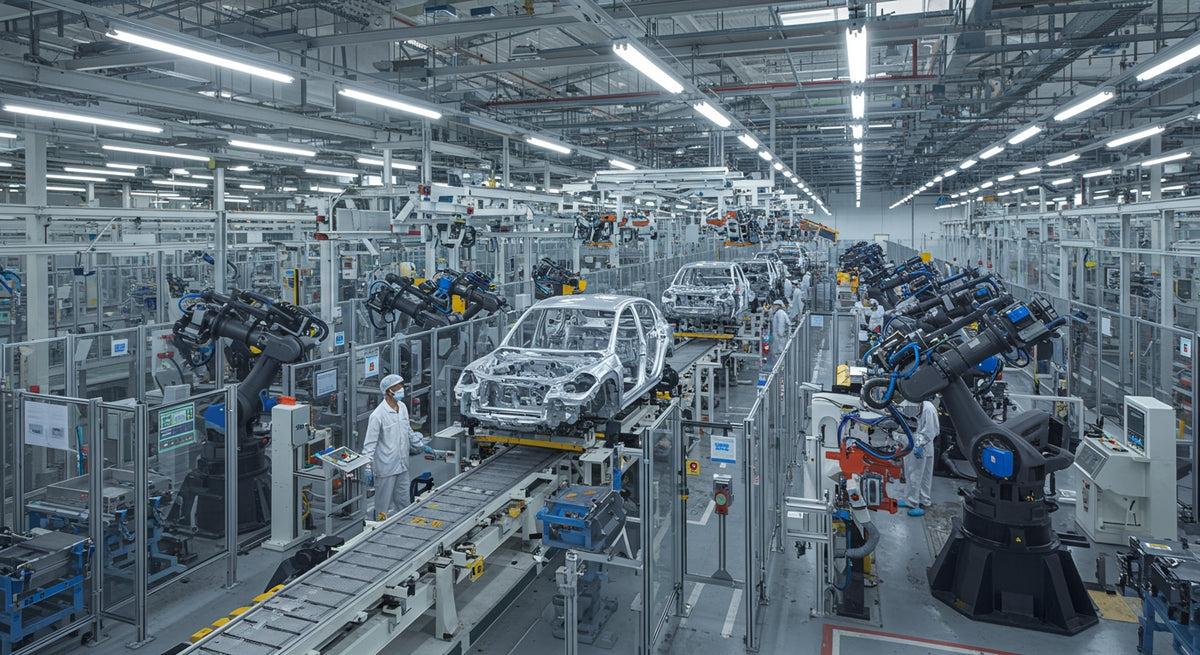
Automotive technology investment increased sharply in 2026 as manufacturers expanded EV and AI development projects.
Automakers are investing heavily in smart factories, connected vehicles, and advanced mobility systems.
Analysts say technology spending could reshape the future of the global transportation industry.
DETROIT, Michigan (Parliament Politics Magazine) Automotive technology investment is rapidly increasing across the global auto industry as manufacturers expand spending on electric vehicles, artificial intelligence systems, smart factories, autonomous driving technology, and advanced mobility infrastructure.
The latest wave of industry investment reflects growing competition among automakers seeking leadership positions in next-generation transportation technologies. Companies across North America, Europe, and Asia are committing billions of dollars toward research, manufacturing upgrades, battery development, and digital vehicle platforms.
Industry analysts believe the ongoing transformation may represent one of the largest industrial shifts in modern automotive history.
“Technology is becoming the foundation of the modern automotive industry,”
one transportation analyst said.
“Manufacturers are competing not only on vehicles, but on software, connectivity, and intelligent systems.”
Global Automakers Increase Technology Spending
The rise in automotive technology investment has become one of the defining trends shaping the industry in 2026.
Major manufacturers are expanding budgets focused on electric mobility, autonomous driving systems, advanced safety technologies, cloud-based software platforms, and smart production facilities.
Several companies have announced long-term strategies aimed at integrating artificial intelligence into vehicle systems, supply chain management, predictive maintenance, and consumer services.
Industry executives believe technology leadership will increasingly determine market competitiveness as transportation systems become more digital and connected.
The rapid pace of innovation is also intensifying competition between traditional automakers and emerging technology-focused vehicle manufacturers.
Electric Vehicles Continue Driving Investment Growth
Electric vehicle expansion remains one of the biggest factors fueling automotive technology investment worldwide.
Governments across several regions continue supporting EV adoption through infrastructure spending, emissions regulations, tax incentives, and renewable energy policies.
Automakers are responding by investing heavily in battery technology, charging systems, lightweight materials, thermal management systems, and electric drivetrain platforms.
Industry experts say global EV demand continues accelerating as consumers seek lower operating costs, improved technology features, and environmentally focused transportation alternatives.
Battery manufacturing facilities and charging infrastructure projects are also expanding rapidly to support future vehicle production growth.
Artificial Intelligence Becomes Central to Vehicle Development
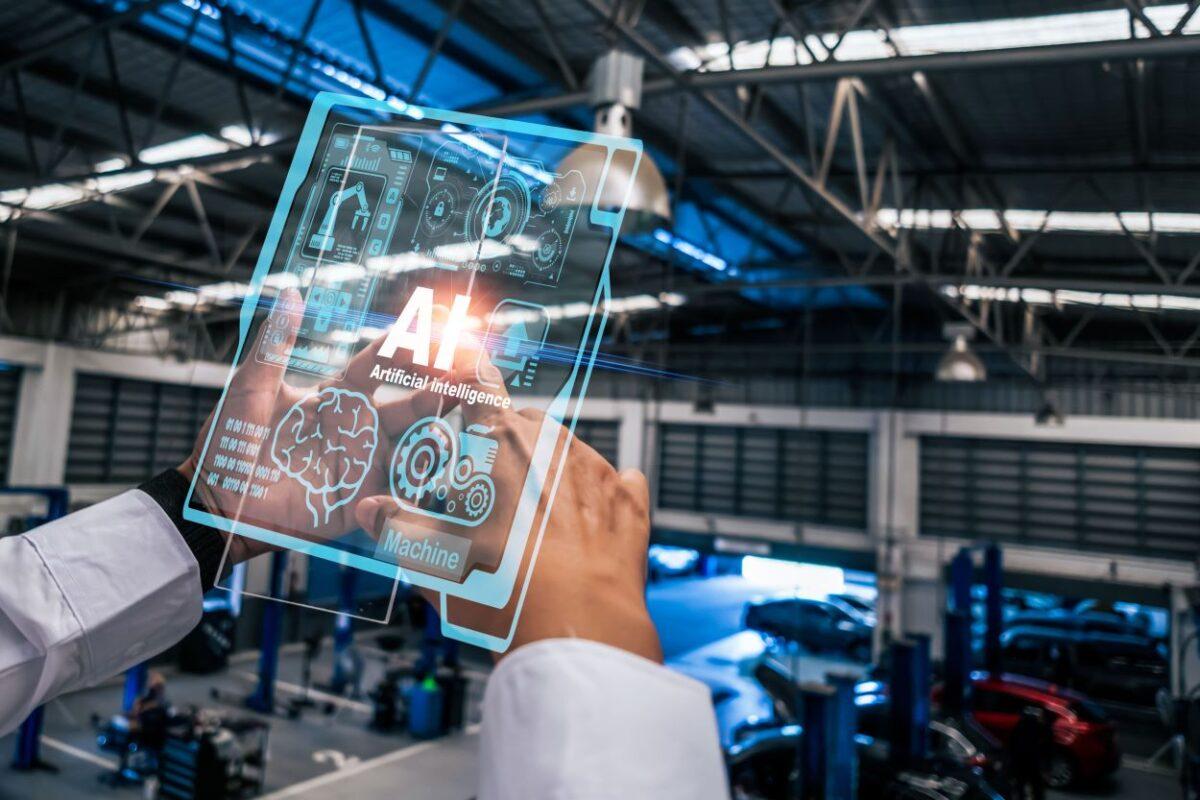
Artificial intelligence is playing an increasingly important role in modern automotive engineering.
The surge in automotive technology investment now includes advanced AI systems capable of supporting autonomous driving, traffic prediction, voice interaction, navigation optimization, and vehicle diagnostics.
Several automakers are partnering with software firms and semiconductor companies to strengthen AI integration across future transportation systems.
Manufacturers are also using AI-powered tools to improve production efficiency, reduce manufacturing defects, optimize logistics operations, and strengthen supply chain management.
Analysts believe software capabilities may eventually become as important as engine performance in determining consumer purchasing decisions.
“The future car is becoming a rolling technology platform,”
an automotive consultant said.
Smart Factories Reshape Vehicle Manufacturing
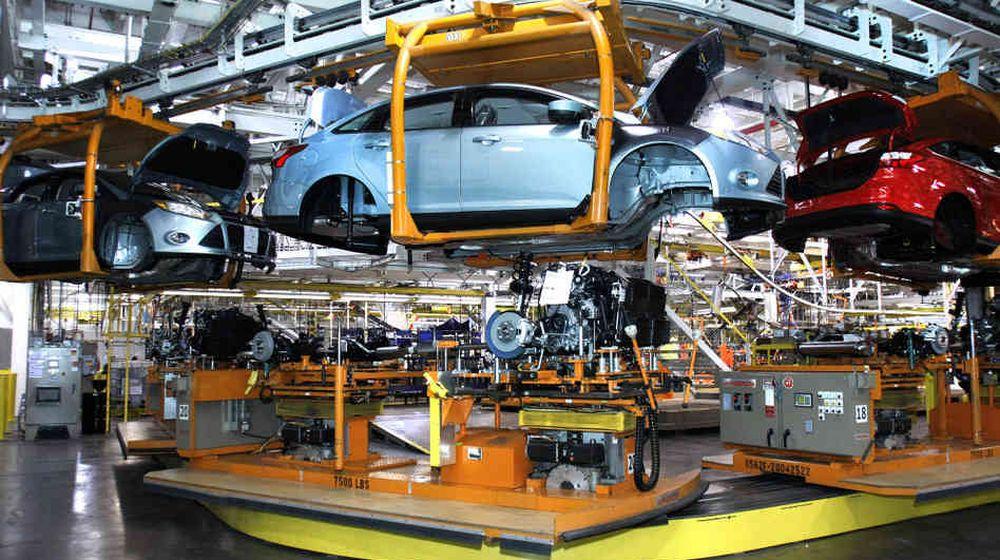
The increase in automotive technology investment is also transforming factory operations worldwide.
Manufacturers are adopting robotics, automation systems, digital twins, predictive analytics, and AI-powered monitoring tools designed to improve productivity and reduce operational costs.
Smart factories allow automotive companies to respond more quickly to market changes while improving product consistency and manufacturing flexibility.
Several industrial firms are investing in advanced semiconductor systems and connected manufacturing networks to support faster production cycles.
The transition toward intelligent production systems is expected to continue accelerating throughout the decade.
Global Automotive Industry 2026
| Sector Indicator | 2026 Status |
|---|---|
| EV Investment | Accelerating |
| AI Vehicle Systems | Expanding |
| Smart Factory Adoption | Increasing |
| Battery Technology Spending | High |
| Global Manufacturing Outlook | Positive |
| Industry Focus | Technology Integration |
Historical Cycles of Automotive Innovation
The current surge in automotive technology investment follows a long history of technological transformation within the automotive industry.
Historical Cycles Table
| Period | Major Innovation Trend | Industry Impact |
|---|---|---|
| 1950s | Mass Vehicle Production | Global auto expansion |
| 1980s | Robotics and Automation | Manufacturing efficiency |
| 1990s | Electronic Vehicle Systems | Digital integration |
| 2010s | Electric Vehicle Development | Clean mobility transition |
| 2026 | AI and Smart Mobility | Technology-driven transportation |
Automotive historians note that every major technological shift has reshaped manufacturing strategies, consumer expectations, and global supply chains.
The current transformation is unique because it combines electrification, artificial intelligence, connectivity, and automation simultaneously.
Semiconductor Demand Continues Rising
The growing reliance on advanced electronics is another factor increasing automotive technology investment.
Modern vehicles require semiconductors for safety systems, infotainment platforms, battery management, connectivity tools, and autonomous driving technologies.
The automotive industry has therefore become increasingly dependent on semiconductor manufacturing capacity and advanced chip development.
Several governments are supporting domestic chip production projects to strengthen supply chain resilience following earlier global shortages.
Industry analysts expect automotive semiconductor demand to remain one of the fastest-growing segments of the global technology market.
Global Competition Intensifies Across Mobility Markets
Competition between automakers has intensified significantly as companies race to dominate emerging transportation technologies.
The rapid increase in automotive technology investment reflects growing pressure to secure leadership positions in EV manufacturing, AI software integration, autonomous driving systems, and connected mobility services.
Technology firms are also entering the automotive sector through partnerships involving software platforms, battery systems, cloud infrastructure, and smart mobility applications.
Several analysts believe the line between automotive companies and technology companies will continue narrowing over time.
The competition is expected to reshape employment trends, manufacturing priorities, and global industrial investment patterns.
“Transportation is evolving into a technology-first industry,”
a market strategist said.
Supply Chain Modernization Supports Industry Growth
Automotive suppliers continue modernizing operations to support increasing technology demands.
The rise in automotive technology investment has encouraged suppliers to expand research capabilities, improve digital manufacturing systems, and strengthen regional production networks.
Several companies are also investing in recycling technologies tied to battery materials and advanced industrial components.
Supply chain resilience remains a major focus after previous disruptions involving logistics bottlenecks and semiconductor shortages affected production schedules worldwide.
Manufacturers now prioritize diversified sourcing and regional manufacturing strategies to reduce future operational risks.
Consumers Demand More Connected Vehicles
Consumer preferences are also influencing the expansion of automotive technology investment.
Modern buyers increasingly expect vehicles equipped with advanced safety systems, digital displays, connected services, smartphone integration, AI assistants, and over-the-air software updates.
Automakers continue responding by developing vehicles with stronger connectivity and software functionality.
Industry experts believe future vehicle competition may rely heavily on user experience, digital ecosystems, and technology integration rather than traditional mechanical performance alone.
The shift is changing how manufacturers approach product design and long-term customer engagement.
Future Outlook Remains Strong for Industry Innovation
Most analysts expect automotive technology investment to remain one of the fastest-growing areas of industrial spending throughout the next decade.
Electric mobility expansion, AI integration, smart infrastructure, and autonomous systems continue driving long-term investment strategies across global markets.
Governments, investors, manufacturers, and technology firms are all expected to remain heavily involved in transportation modernization projects.
The broader industry transformation may eventually reshape urban planning, energy systems, infrastructure development, and international manufacturing competition.
Technology Spending Reshapes the Global Auto Industry
The rapid growth in automotive technology investment reflects the automotive industry’s ongoing transition toward smarter, cleaner, and more connected transportation systems in 2026.
Manufacturers are investing aggressively in electric vehicles, artificial intelligence, smart factories, and digital mobility platforms to remain competitive in a rapidly evolving market.
As technological innovation accelerates, analysts believe the global transportation sector may experience one of its most significant transformations in decades.
The companies that successfully adapt to these changes could define the future direction of mobility worldwide.