

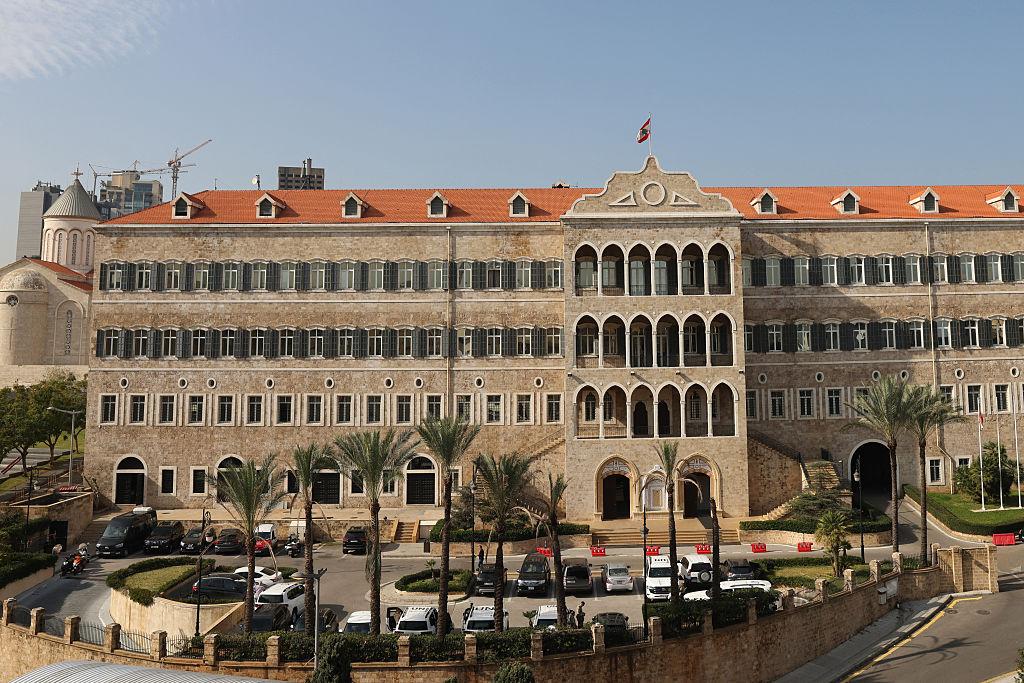
BEIRUT, Lebanon, February 14, 2026 — According to Parliament News, that Beirut political developments entered a decisive phase in 2026 Lebanon after Saad Hariri signaled renewed participation in parliamentary elections, a move that is already reshaping alliances, voter expectations, and national reform debates. The announcement places Beirut political developments at the center of the country’s political recalibration as Lebanon navigates economic strain and institutional fragility.
The signal from Hariri marks more than a personal political return. It reactivates one of Lebanon’s most influential Sunni-led blocs at a time when the capital’s political landscape is undergoing transformation.
Renewed Momentum in the Capital
Lebanon’s capital has long served as the epicenter of national politics. Major electoral decisions, alliance formations, and reform proposals typically originate in Beirut before influencing the wider country.
The latest Beirut political developments reflect heightened engagement across party lines. Political offices in central Beirut have resumed consultations, with leaders assessing potential alliances and district strategies.
Hariri’s message has triggered immediate dialogue within Sunni communities while prompting rival blocs to reassess their campaign approaches.
Electoral Strategy and Coalition Calculations
Parliamentary elections in Lebanon operate within a complex sectarian and proportional representation framework. Strategic partnerships often determine outcomes more than individual popularity.
Beirut political developments now include renewed negotiation efforts between established factions seeking to secure parliamentary seats. Analysts note that Hariri’s signal introduces both competitive tension and opportunities for coalition-building.
Electoral observers suggest that political actors are evaluating district-by-district alignments, particularly in Beirut’s multi-member constituencies where vote distribution plays a decisive role.
Public Reaction Across Beirut
Public response in the capital has been immediate and diverse. Supporters have welcomed Hariri’s potential reentry as a sign of restored leadership continuity.
Critics argue that systemic reform requires broader structural change rather than the return of familiar figures. Civil society activists emphasize transparency and accountability as central demands.
Nonetheless, Beirut political developments have clearly energized public discourse. Coffee shops, universities, and business circles alike are engaged in renewed political conversation.
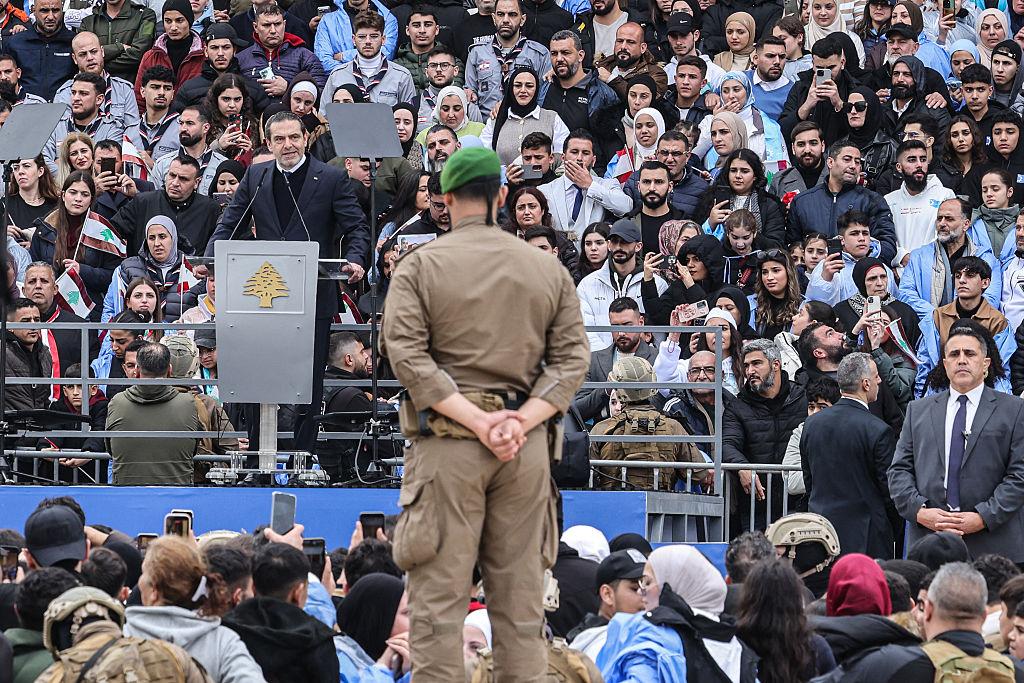
Economic Pressures Shaping the Debate
Lebanon continues to experience one of the most severe economic contractions in its modern history. Currency depreciation, banking restrictions, and energy shortages remain daily realities.
In this context, Beirut political developments intersect directly with economic urgency. Any electoral campaign is expected to address fiscal stabilization, banking reform, and international negotiations.
Political analysts emphasize that economic credibility will likely determine voter confidence in the months ahead.
Regional Influence and Diplomatic Signals
Lebanon’s political trajectory often carries regional implications. Gulf states, European governments, and international institutions monitor shifts closely.
Beirut political developments may influence external engagement levels. Observers suggest that renewed political clarity could facilitate dialogue with financial partners and diplomatic allies.
Hariri’s historical regional relationships could play a role in shaping future economic cooperation frameworks.
Youth Expectations and Reform Narratives
Younger Lebanese voters have expressed frustration with traditional political elites. Reform movements have gained visibility in recent election cycles.
Beirut political developments must address this generational demand for modernization. Policy platforms emphasizing governance reform and anti-corruption measures may determine electoral resonance.
Campaign strategists are reportedly considering outreach initiatives aimed at first-time voters in urban districts.
A Statement Framing the Moment
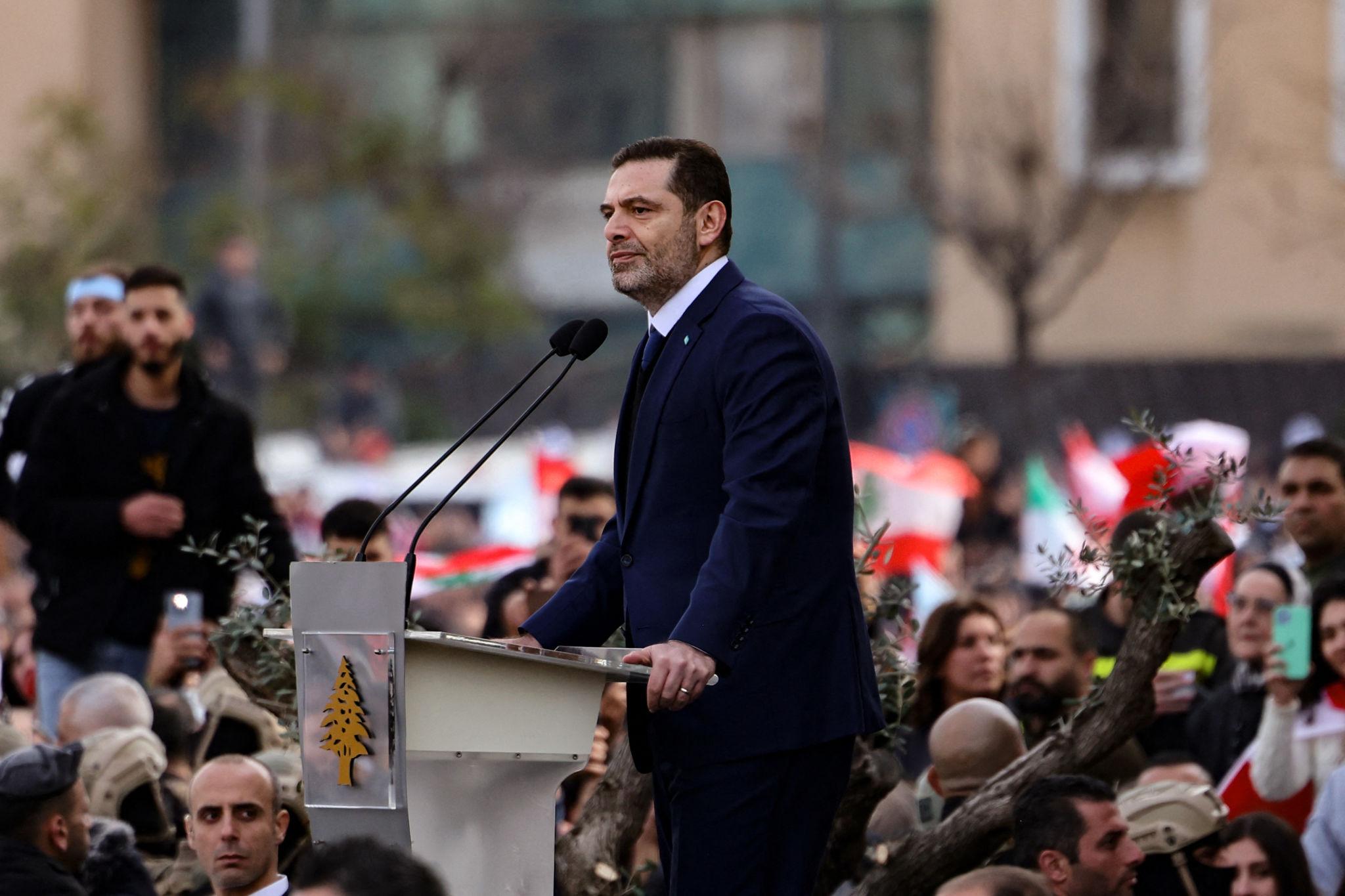
Addressing supporters, Hariri remarked,
“Our responsibility is to rebuild trust in public institutions and restore confidence in Lebanon’s future.”
The statement underscores the broader implications of Beirut political developments, positioning the election not simply as a contest for seats but as a referendum on institutional credibility.
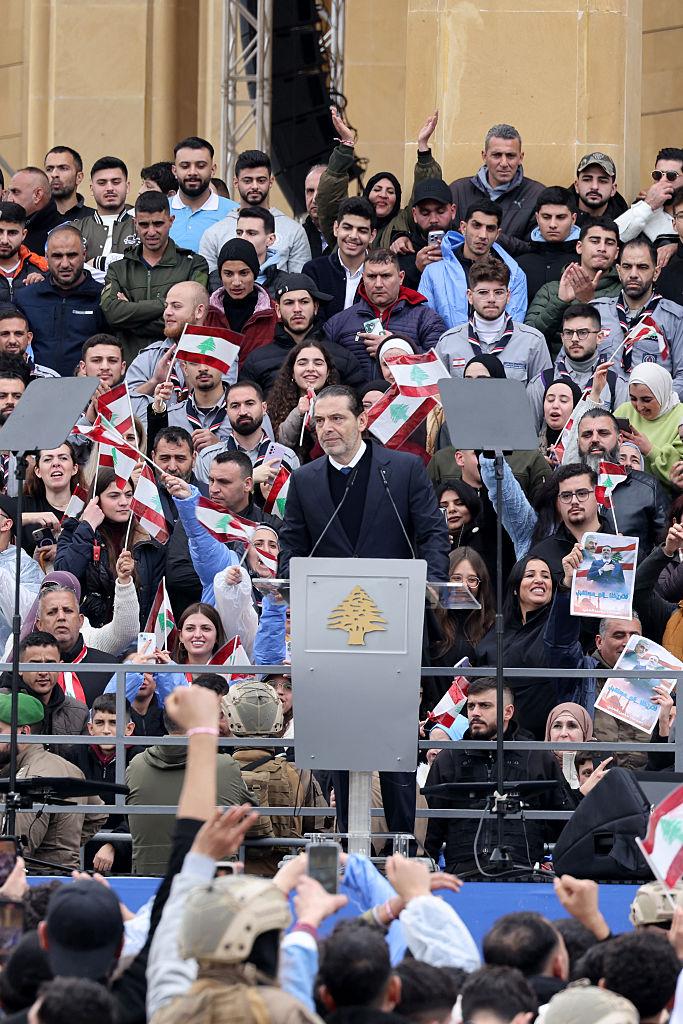
Security Considerations in the Capital
Political transitions in Lebanon often carry security dimensions. Stability in Beirut remains central to national confidence.
Beirut political developments are unfolding amid coordinated efforts by security agencies to maintain calm during campaign activities.
Analysts note that stable electoral processes are essential to encouraging both domestic and foreign investment.
Parliamentary Balance and Governance Outlook
The composition of Lebanon’s parliament will shape legislative priorities for years to come. Issues such as judicial reform, public finance restructuring, and public sector accountability dominate discussions.
Beirut political developments are therefore pivotal not only for local constituencies but for the broader governance architecture.
Political scientists suggest that incremental reform may prove more realistic than sweeping change, given Lebanon’s coalition-based governance model.
Media Coverage and Public Discourse
Local media outlets have amplified coverage of recent announcements. Editorial columns debate the merits and risks of renewed participation by established political figures.
Beirut political developments have thus become a focal point of televised debates and online commentary.
Information dissemination through digital platforms ensures that public opinion forms rapidly, shaping campaign strategies in real time.
Economic Reform as Central Campaign Theme
Economic recovery remains the cornerstone issue influencing voter sentiment. Inflation, unemployment, and public debt levels dominate national conversation.
Beirut political developments are likely to center campaign messaging on pragmatic economic solutions.
Policy proposals may include negotiations with international financial institutions, regulatory restructuring, and infrastructure investment initiatives.
Civil Society and Independent Candidates
Recent electoral cycles have seen increased participation from independent candidates and reformist groups.
Beirut political developments now include parallel mobilization among these actors, who seek to capitalize on voter frustration with traditional blocs.
Whether alliances emerge between established parties and reform movements remains uncertain.
Implications for National Stability
Lebanon’s fragile institutional balance makes political continuity both valuable and delicate.
Beirut political developments could either reinforce stability through clear leadership or deepen polarization if coalition negotiations stall.
Observers stress that peaceful and transparent electoral processes will be critical to maintaining public confidence.
The Road Toward Election Day
Campaign logistics, voter registration efforts, and public debates will intensify in the coming months.
Beirut political developments are expected to influence regional voting patterns beyond the capital, given Beirut’s symbolic centrality.
Political parties are reportedly refining communication strategies to address both economic hardship and governance reform.
A Defining Moment for 2026 Lebanon
The coming election cycle represents a defining chapter in Lebanon’s contemporary history.
Beirut political developments illustrate both the resilience and the fragility of Lebanon’s political framework.
Whether the return of established leadership produces measurable reform outcomes will depend on coalition dynamics and voter engagement.
Between Legacy and Renewal
Lebanon stands at a crossroads between preserving established political identities and embracing structural transformation.
Beirut political developments encapsulate this tension. The capital’s political stage once again becomes the arena where national direction will be debated and determined.
The decisions made in 2026 Lebanon will reverberate beyond parliamentary seats, shaping economic recovery, diplomatic relationships, and institutional reform trajectories for years ahead.