


ITALY, Austria, February 14, 2026 — According to Parliament News, that Brazilian alpine skiing reached a stunning milestone in 2026 Italy when Lucas Pinheiro Braathen captured giant slalom gold, delivering one of the most unexpected and transformative results in modern winter sport. On a demanding European slope traditionally dominated by Alpine powerhouses, the Brazilian athlete produced two technically flawless runs that secured victory and reshaped perceptions of Brazil’s place in elite skiing.
The win represents far more than a podium finish. It signals a structural and psychological turning point for Brazilian alpine skiing, elevating the program from emerging contender to historic champion on one of the sport’s most prestigious stages.
The Setting: Italy 2026 and the Global Spotlight
Italy’s alpine circuits are synonymous with technical excellence and tradition. The 2026 competition unfolded on a course known for steep gradients, variable snow texture, and rhythm-breaking gate placements. These elements typically favor athletes trained in the heartlands of European skiing.
Yet Brazilian alpine skiing entered the event with quiet confidence. Preparation had been meticulous. Equipment testing, altitude conditioning, and race simulation blocks were conducted with precision in the months leading up to the championship.
The global spotlight intensified as the giant slalom event approached. Analysts predicted dominance from Austria, Switzerland, Norway, and Italy. Few projected a breakthrough from South America. By the end of the race, that narrative had been decisively rewritten.
Mastering the Giant Slalom Discipline
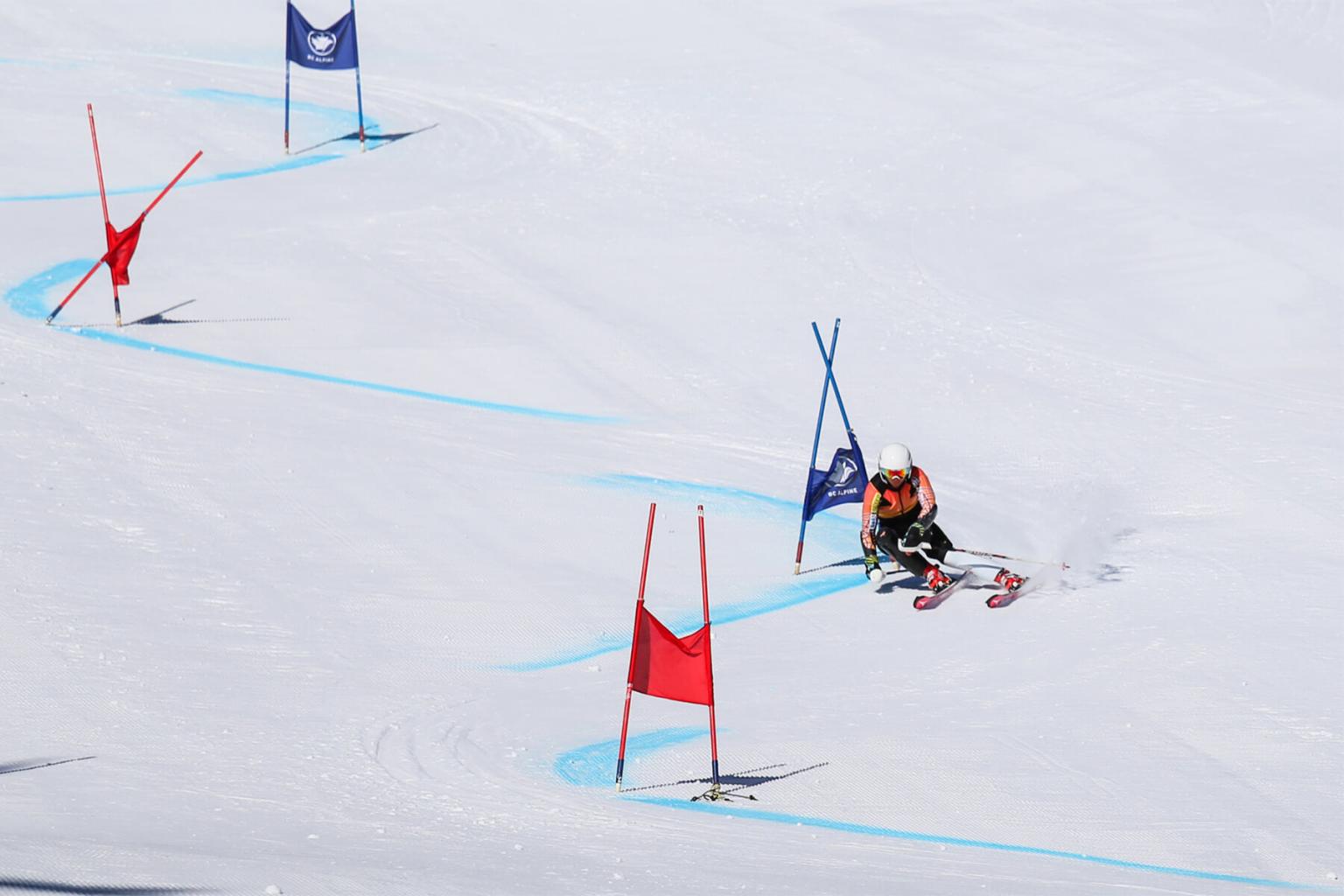
Giant slalom is often described as a balance between speed and surgical precision. Unlike downhill, where velocity dominates, or slalom, where tight turns require explosive agility, giant slalom demands sustained technical rhythm across longer, sweeping gates.
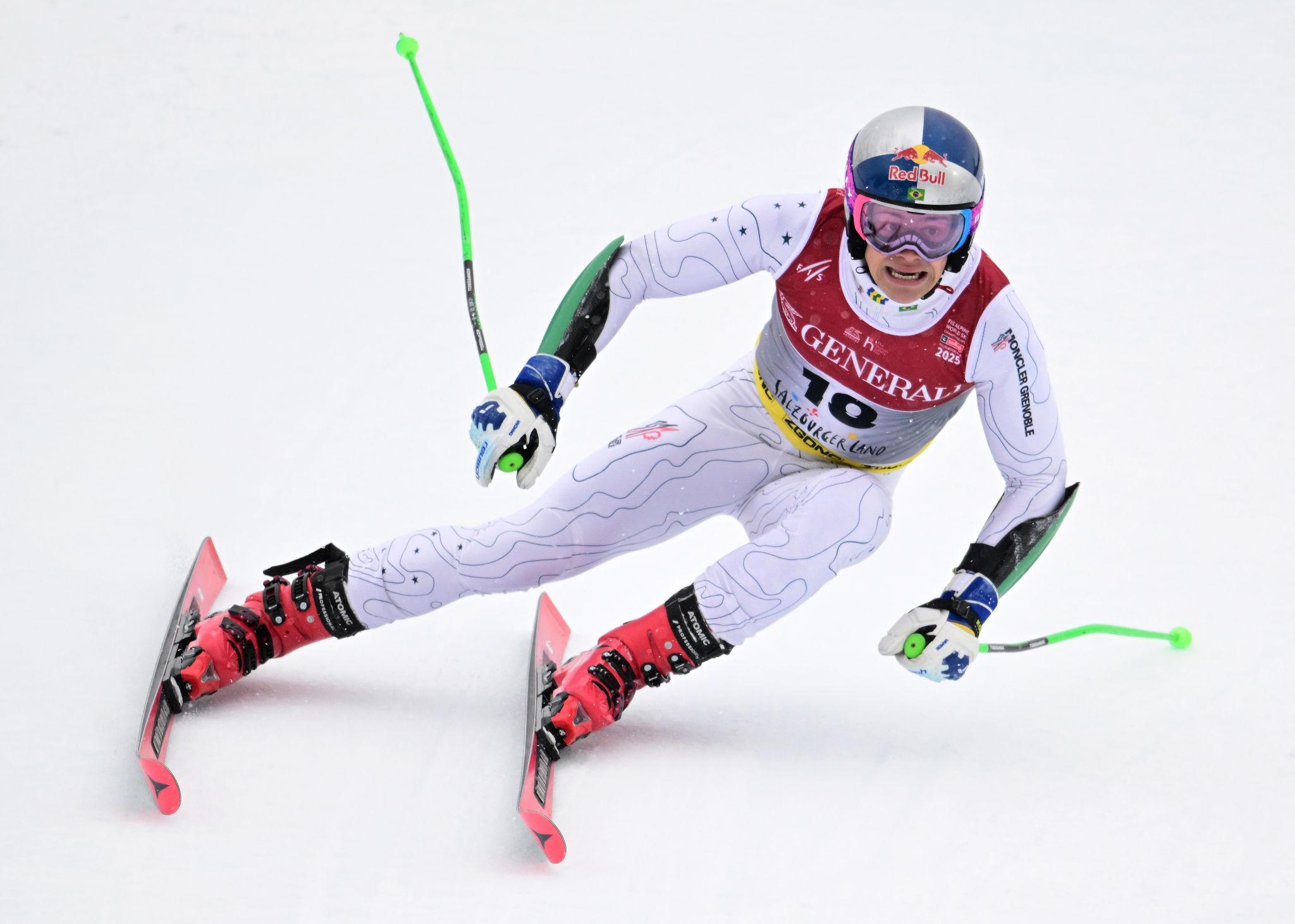
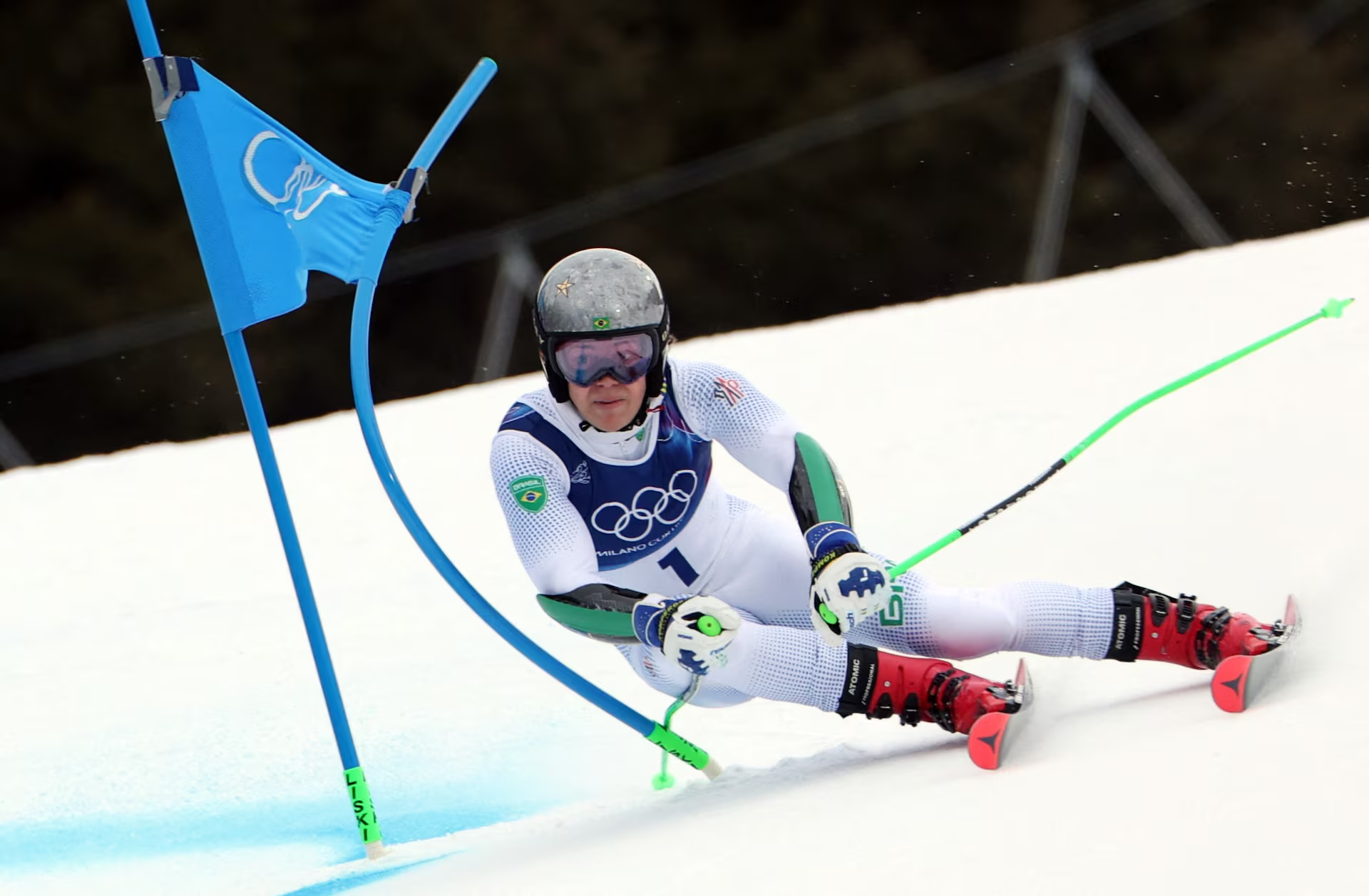
In Italy, Brazilian alpine skiing demonstrated exceptional composure from the opening run. Braathen’s line selection minimized lateral drift while preserving acceleration through transition points. His body positioning remained compact, with minimal upper-body rotation — a hallmark of elite technique.
The second run proved decisive. With medal positions separated by fractions of a second, the Brazilian athlete increased tempo without sacrificing stability. Sector times revealed gains in mid-course technical sections where rivals faltered. The scoreboard confirmed history as Brazilian alpine skiing moved to the top of the podium.
The Athlete’s Journey to the Podium
Lucas Pinheiro Braathen’s path reflects a modern era of global athletic identity. Competing within Europe’s development system while representing Brazil, he embodies cross-continental sporting integration.
Years of training in high-performance environments refined his technical base. Coaches emphasized edge control, terrain absorption, and mental discipline under pressure. His racing style blends Scandinavian efficiency with creative adaptability — a combination that proved lethal on the Italian course.
After securing gold, he addressed the significance of the moment, stating,
“This victory proves that Brazilian alpine skiing can compete with the very best in the world.”
That single statement captured both pride and ambition. It was not merely celebration — it was declaration.
International Reaction and Competitive Context
European commentators described the outcome as stunning yet deserved. Performance analytics revealed that the winning times were not anomalies; they were the product of clean execution and strategic pacing.
Brazilian alpine skiing had quietly accumulated credibility in previous World Cup appearances. Podium proximity hinted at potential, but Italy 2026 delivered confirmation.
Rival athletes acknowledged the performance as technically superior rather than opportunistic. Snow conditions were consistent across competitors, eliminating variables that often complicate results. The gold medal stood on merit alone.
Structural Development Behind the Breakthrough
Sustained competitive growth requires infrastructure. Over the past decade, Brazilian alpine skiing invested in overseas training partnerships, biomechanical analysis, and exposure to elite racing circuits.
Federation leadership prioritized experience over short-term results. Athletes were encouraged to compete against the strongest fields rather than remain within regional competitions. This philosophy accelerated adaptation to European race environments.
Equipment optimization also played a critical role. Ski tuning strategies tailored to Italian snow conditions contributed to enhanced glide efficiency and edge grip stability.
Economic and Sponsorship Implications
Major victories alter funding landscapes. Brazilian alpine skiing now commands attention from global sponsors seeking alignment with transformative narratives.
Commercial partnerships often follow historic achievements. Increased financial backing can expand youth development pipelines, coaching education programs, and international travel budgets.
Corporate interest extends beyond equipment brands. National sponsors may view the gold medal as an opportunity to diversify Brazil’s global sports identity.
Youth Inspiration and Domestic Impact
Winter sports participation within Brazil remains limited due to geography and climate. However, inspiration transcends environmental constraints.
The 2026 triumph offers young athletes a tangible example of possibility. Brazilian alpine skiing now holds a symbolic presence capable of attracting talent to training academies abroad.
Educational institutions and sports federations may integrate winter sport awareness into broader athletic programs. Exposure is the first step toward expansion.
Historic Comparison
The significance of Italy 2026 invites comparison with other watershed moments in global sport. Nations traditionally absent from winter podiums rarely secure gold without decades of gradual development.
When South Korea emerged as a speed skating force or when Croatia captured alpine medals in the early 2000s, those victories altered global expectations. Similarly, Brazilian alpine skiing now joins the list of programs that transcended geographic assumptions.
Unlike isolated breakthroughs dependent on singular talent, this victory appears rooted in systematic preparation. Historical parallels suggest that sustained investment following a breakthrough often produces long-term competitive presence.
Italy 2026 may be remembered as the moment Brazilian alpine skiing transitioned from emerging curiosity to respected contender.
Technical Analysis of the Winning Runs
Detailed race data reveals how marginal gains shaped the outcome. In the first run, Braathen’s split times indicated strategic pacing — conserving momentum for technical sectors rather than attacking prematurely.
In the second run, acceleration between gates 12 and 18 produced measurable separation. Analysts observed that ski flex patterns adapted seamlessly to changing gradient, reflecting optimal equipment calibration.
Brazilian alpine skiing showcased not only athletic excellence but integrated performance science. Data analytics, terrain mapping, and reaction-time drills contributed to a complete competitive package.
Psychological Evolution of a Program
Perception often dictates competitive dynamics. Prior to 2026, opponents viewed Brazil as an outsider within alpine circuits.
That psychological barrier has now shifted. Brazilian alpine skiing enters future competitions carrying the authority of proven success.
Confidence influences risk tolerance. Athletes who believe they belong at the top often ski with controlled aggression rather than defensive caution. This mental recalibration could shape upcoming seasons.
Continental Influence Across South America
The impact extends beyond national borders. South America’s winter presence has historically centered on Chile and Argentina.
Brazilian alpine skiing introduces a new regional anchor. Collaborative training initiatives may emerge, strengthening continental competitiveness.
Shared camps, coaching exchanges, and race simulations across Andean facilities could elevate the broader South American winter profile.
Media Coverage and Global Narrative
Global sports media framed the victory as both unexpected and transformative. Headlines emphasized the geographic contrast between Brazil’s tropical identity and alpine excellence.
Narratives matter in sport. Brazilian alpine skiing now carries a compelling storyline that transcends statistics. The symbolism of snow-clad triumph beneath a Brazilian flag resonates with audiences worldwide.
Visibility fuels opportunity. Increased broadcast coverage enhances recognition, which in turn strengthens commercial viability.
Sustaining Momentum Beyond 2026
Victory is milestone, not destination. The challenge ahead lies in maintaining competitive depth.
Brazilian alpine skiing must cultivate emerging talent to ensure continuity. Investment in scouting, analytics, and international competition exposure remains essential.
Consistency across multiple seasons will determine whether Italy 2026 becomes isolated memory or foundational legacy.
The Broader Meaning of Italy 2026
The image of gold against Italian snow encapsulates ambition crossing climatic boundaries. Brazilian alpine skiing has demonstrated that excellence is not confined by geography.
For Brazil, the medal symbolizes diversification of sporting achievement. For the global alpine community, it represents the sport’s expanding reach.
Italy 2026 will endure as a defining chapter in winter history — the year Brazilian alpine skiing claimed its place among the elite.
A New Chapter Written in Snow
As celebrations conclude and preparations begin for future seasons, reflection reveals the magnitude of this breakthrough.
Brazilian alpine skiing now stands not as a peripheral participant but as a champion. The journey to Italy 2026 combined preparation, resilience, and belief.
History often turns on singular afternoons. On one such afternoon in 2026 Italy, Brazilian alpine skiing reshaped expectations, inspired a nation, and expanded the boundaries of winter sport.