


The British Constitution is often described as unique. The constitutions of the many other nations of the world are not written in a single document. The constitution of the United Kingdom has evolved over hundreds of years through laws, conventions, and many traditions.
Also, significant national events occurred in 1789; the French Revolution was one of the more dramatic historical events in Europe in terms of political ideas, attitudes toward monarchy, and ideas about what constituted good governance.
Nature of the British Constitution
The British Constitution is not a single document. It is a combination of statutes, case law, conventions, and historical documents such as the Magna Carta and the Bill of Rights 1689. In that sense, it is fluid and flexible to suit new circumstances.
The development of the British constitution has occurred over a long period of time; it has not suddenly changed (or completely changed) in a bloody revolution like in France. It has been the slow development of the constitution that constitutions develop through single steps, often calling for changes (reforms) that were made through discussion and negotiation.
The French Revolution: A turning point in Europe
The French Revolution destroyed the absolute monarchy in France. Revolutionary ideas such as liberty, equality, and fraternity grew to pervade Europe, destabilizing centuries-old power systems everywhere. Also, a lot of new ideas came into the worlds of popular sovereignty, equality in the law, rights of citizens, and so on. All these ideas drew attention to whether monarchies could maintain their authority with limitations.
Did the French Revolution Impact the British Constitution?
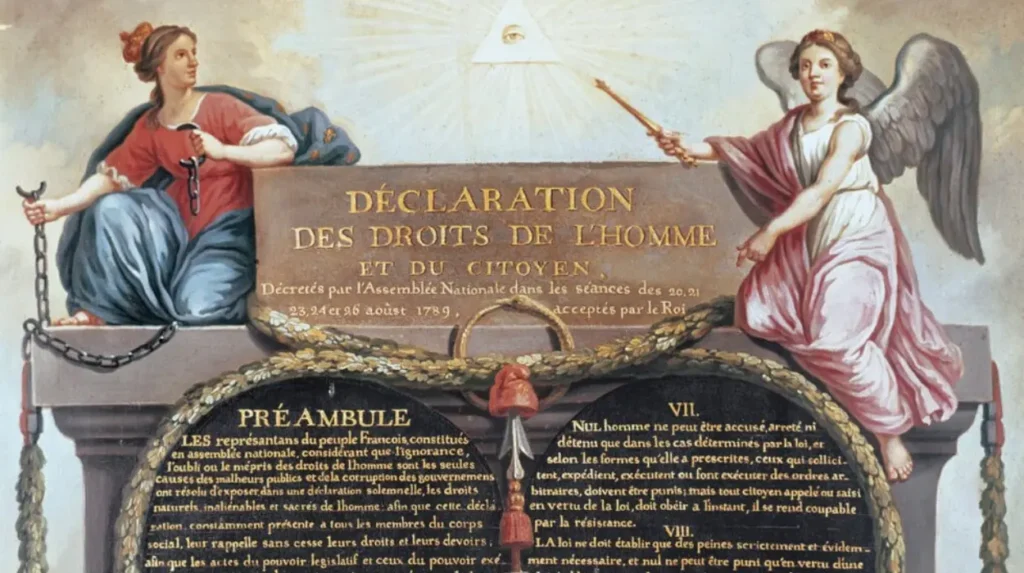
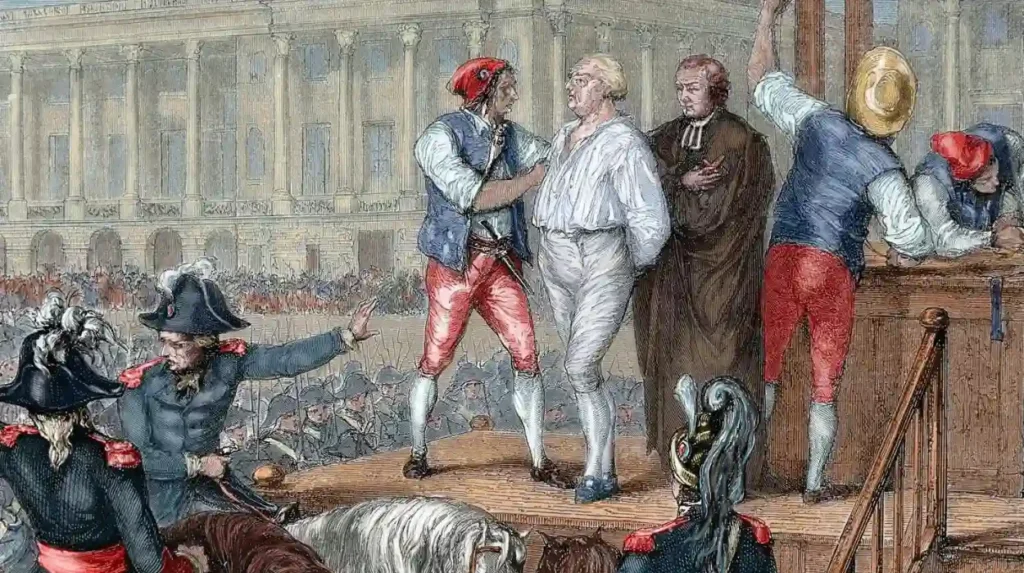
When the French Revolution began, Britain’s ruling class was understandably disturbed. The violence and execution of the French king caused shock among many in Britain. This outrage directed attention towards Britain; rather than encouraging revolt, the ruling class’s response was a rejection of domestic radicalism.
Yet, if the British were cautious, many reformers were inspired. The revolution offered proof that people could act together to demand rights and change political institutions. Writers, thinkers, and activists began connecting Britain to principles embraced by the revolution.
Political Discourse in Britain
In Britain, political debate flourished. Edmund Burke, an important British politician and writer, had great fears about the French Revolution. Burke opposed the revolution, and in Reflections on the Revolution in France (1790), he insisted that change would only lead to chaos.
He believed that Britain’s constitution was able to maintain stability because it arose from custom and tradition and therefore did not experience the same level of revolutionary violence.
The Role of Public Opinion
The ideas of the French Revolution were distributed in Britain through pamphlets, newspapers, and public meetings. Movements, like Chartism in the 19th century, were inspired by revolutionary ideas. They were calling for better representation, secret ballots, and equal voting rights for all men. All of these demands contributed to the British Constitution, but very slowly.
British Constitution vs French Revolution
- Gradual Change vs. Sudden Change: The most significant difference is the way the change was made. The French Revolution was fast, violent, and radical. The British Constitution took small incremental steps towards progress through compromise and reform.
- Stability vs. Upheaval: Britain valued stability and tradition, whereas France benefited from upheaval to rebuild society. This difference reflects why the British Constitution was not overthrown in a revolution.
- Influence, not Imitation: The British Constitution did not copy the French Revolution. It was influenced by the ideas of rights, representation, and equality, which spread across Europe via France starting in 1789.
The Legacy of the Connection
The French Revolution made the British more aware of their own constitution. It encouraged politicians and the public to consider what made Britain’s scheme unique and how it was considered stable.
The process of constitutional reform in Britain became connected with liberal and democratic ideas over time, as well as demands for freedom of speech, a fair trial, and more persons being given the vote; it was part of a more extensive movement to liberal reform that was widespread across Europe as a result of France.
Long-term lessons from the constitution for Britain
The French Revolution had a very clear lesson for Britain. Some change, but stability should be cherished. Above all, Britain learned to consider and make reforms without destroying institutions over time. This careful approach allowed it to build democracy, seeking to keep tradition.
The variable of an immediate revolution allowed Britain to safely balance change with stability, or cherished tradition. In that sense, it was influential for the long-term evolution of Britain’s Constitution.
The Symbolic Contrast between Britain and France
The French Revolution became synonymous with radical change. In contrast, Britain became synonymous with constitutional stability.
This is how both were viewed within Europe, and Britain’s ability to change without a violent revolution gave Britain an ongoing reputation for being moderate compared to France.
The invisible variable in both countries, like in the Revolutions of 1848, was that both cases of revolution showed the pitfalls of excessive change, excessively liberating each nation from their own respective pasts.
Is the British constitution connected to the French Revolution? Yes, but in a complex way. The French Revolution did not rewrite the British constitution; Britain did not suffer a violent overthrow of monarchy. The British constitution evolved gradually over time with respect to tradition, rule of law, and compromise.
The French Revolution opened up new political ideas and debates that had implications for Britain’s reform process.
It encouraged ideas about rights, representation, and the role of government. In this sense the Revolution was like a mirror – showing Britain what it wanted to avoid but also encouraging changes that would reform its constitution to a more democratic version over time.
The British Constitution will never be like any other, but its historical context cannot be divorced from the influences of the French Revolution.
