

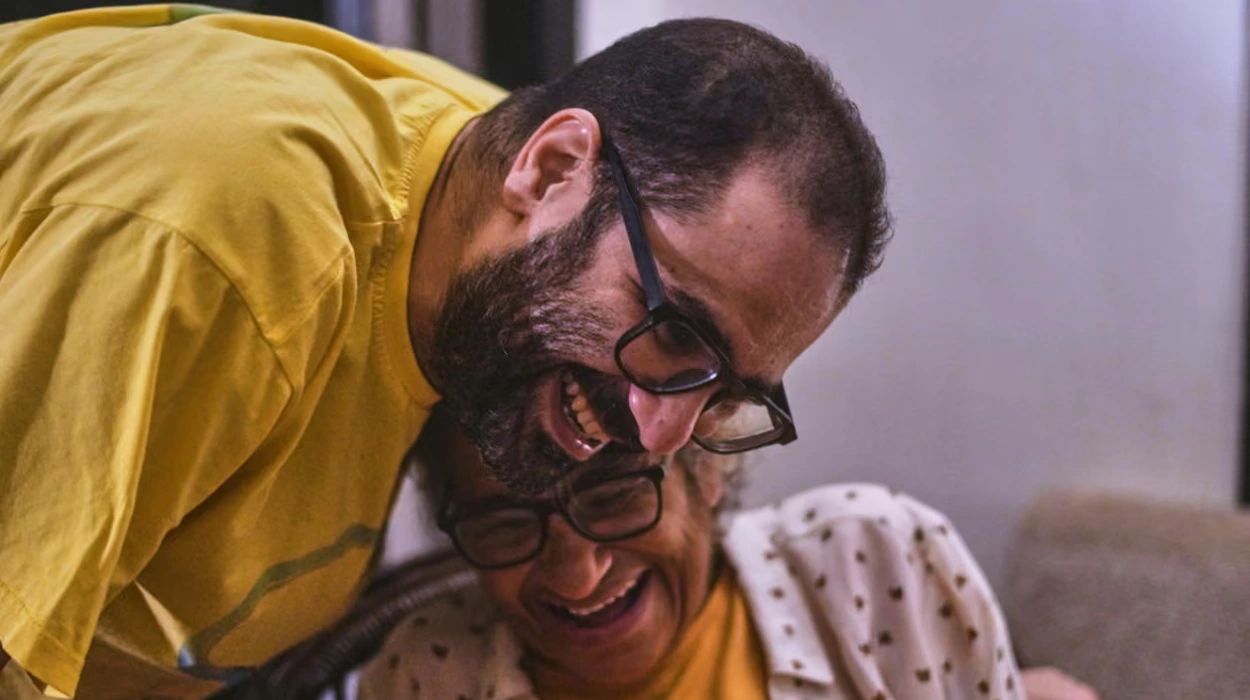
(Parliament Politics Magazine) – British-Egyptian activist Alaa Abd el-Fattah has arrived in London after Egypt lifted his travel ban and he was reunited with his family, following nearly a decade of imprisonment and international campaigning for his release. His return marks a significant moment in his long struggle for freedom and underscores sustained diplomatic efforts by the UK and global rights groups.
Background: Decade-Long Imprisonment and International Campaign
Profile of a Symbolic Dissident
Alaa Abd el-Fattah, now 44 years old, became internationally known as one of Egypt’s most prominent political prisoners. He first rose to prominence during the 2011 Arab Spring uprisings and subsequently spent much of his adult life in and out of detention due to his activism against government policies.
His activism, often critical of government repression, led to repeated arrests and convictions. In December 2021, Abd el-Fattah was sentenced to five years in prison on charges of “spreading false news,” a conviction widely condemned by rights groups as politically motivated and part of a broader crackdown on dissent.
Extended Detention Beyond Sentence
Although his sentence technically ended earlier, Egyptian authorities refused to count his pretrial time in detention, effectively prolonging his incarceration. This legal contention kept him in custody two years beyond what many observers considered his lawful term.
Rights groups such as Amnesty International characterised his detention as arbitrary, citing a litany of alleged human rights violations including unfair trials, ill-treatment, denial of consular access and irregular ban on family visits.
The Travel Ban and Its Removal
Initial Block on Exit
After his release from prison in September 2025, Abd el-Fattah attempted to leave Egypt for the UK, where he holds British citizenship acquired through his mother, Laila Soueif, in 2021. Security forces blocked his departure in November 2025, sparking further negotiations between his legal team and Egyptian authorities.
Removal of Travel Ban
On 20 December 2025, Egypt’s public prosecution formally removed Abd el-Fattah from the travel ban list, a decision announced by his lawyer Khaled Ali on social media. This paved the way for his departure from Cairo.
This decision followed a presidential pardon granted months earlier by Egyptian President Abdel Fattah al-Sisi, which had already enabled his release from prison.
Reactions and Statements
Family and Personal Reactions
Abd el-Fattah’s mother, Laila Soueif, announced his safe arrival in London on Facebook, declaring: “Praise be to Allah, Alaa reached London safely.”
His family released a statement emphasising their relief and hope for a new chapter now that he is free to travel and reunite with his child.
UK Government Response
UK Prime Minister Keir Starmer welcomed Abd el-Fattah’s return, saying: “I’m delighted that Alaa Abd el-Fattah is back in the UK and has been reunited with his loved ones, who must be feeling profound relief.” He also paid tribute to everyone who had campaigned for this outcome.
Starmer thanked President Sisi for the decision to grant the pardon and lift the travel ban, reflecting the importance of sustained diplomatic engagement.
Broader Context: Advocacy and Diplomacy
International Advocacy
Abd el-Fattah’s case had drawn significant international attention over the years, with human rights organisations, foreign governments and civil society groups repeatedly calling for his release. Multiple hunger strikes, including one led by his mother in London earlier in 2025, further highlighted his plight and intensified pressure on Egyptian authorities.
Diplomatic Efforts
The UK government repeatedly raised his case in diplomatic discussions with Egypt, including high-level talks that underscored British concern for his welfare and legal rights as a dual national. Earlier in 2025, UK Prime Minister Starmer personally pressed President Sisi on the matter during official communications, reflecting a sustained push within bilateral relations.
Implications and Next Steps
Alaa Abd el-Fattah’s safe arrival in the UK concludes one chapter of a long struggle but opens another as he rebuilds his life after years of incarceration and legal restraints. Reuniting with his son Khaled in Brighton restores a personal family dimension often overshadowed by his public profile as an activist.
International human rights organisations have said they will continue monitoring cases of other political prisoners in Egypt, stressing that broader systemic reforms remain necessary to protect civil liberties.
