

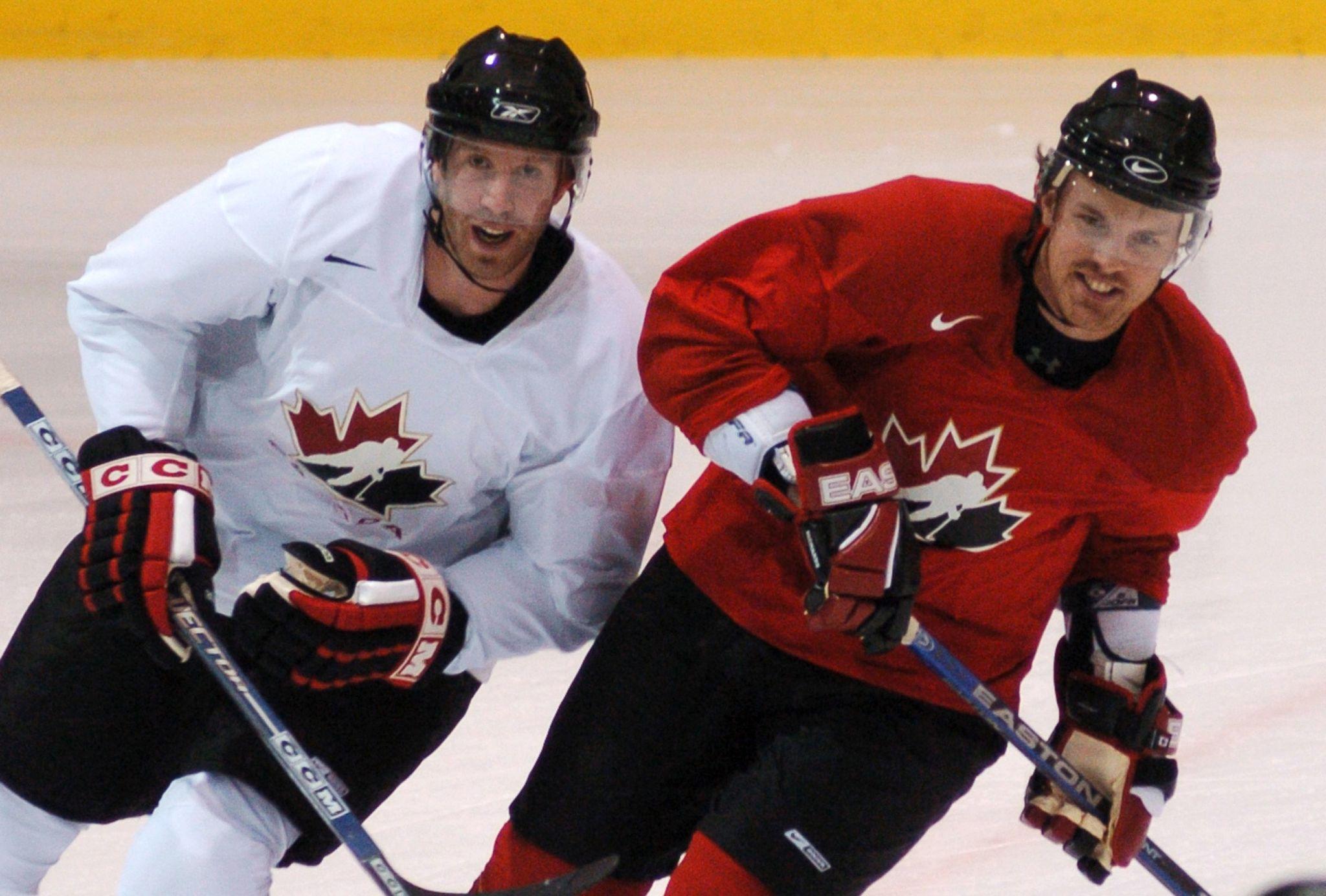
Toronto, February 7, 2026, According to Parliament News, that In Toronto in 2026, Canada hockey training has entered one of its most structured and closely watched phases in recent years, as the national program sharpens its competitive edge ahead of a demanding international calendar. After earlier disruptions in the season, players returned to the ice with renewed purpose, signaling a reset built on discipline, physical readiness, and tactical clarity. Officials say the latest training block is designed not only to prepare athletes for upcoming tournaments but also to reinforce the long-term standards that define Canadian hockey.
From the opening sessions, the tempo inside the rink reflected urgency. Coaches emphasized precision over volume, while support staff focused on recovery and monitoring. This careful balance has become central to Canada hockey training, ensuring intensity without unnecessary risk. For players, the message has been clear: preparation is the foundation upon which performance is built.
Context: Why This Training Phase Matters
The 2026 season presents unique challenges, including compressed schedules, heightened competition, and increased physical demands. Against this backdrop, the national program has placed renewed emphasis on preparation cycles that maximize efficiency.
This phase of Canada hockey training is not viewed as routine. Instead, it represents a recalibration of priorities after recent interruptions. Coaches and administrators agree that how players respond during this period will shape outcomes later in the year.
Daily Structure and On-Ice Priorities
Mornings begin with skating drills designed to rebuild rhythm and explosiveness. Edge work, acceleration patterns, and endurance laps dominate the early hours.
Strength coaches note that maintaining skating efficiency is a cornerstone of Canada hockey training, allowing players to sustain high tempo across full games rather than short bursts.
Afternoon Tactical Work
Afternoon sessions shift toward puck movement, positional discipline, and situational awareness. Small-area games are used to simulate pressure and decision-making under constraint.
This structure ensures that Canada hockey training addresses both physical output and cognitive processing, reflecting the modern demands of elite competition.
Coaching Philosophy and Tactical Evolution
The coaching staff has approached this cycle with a clear philosophy: adaptability. Systems are refined, but flexibility remains paramount.
Breakout schemes, neutral-zone transitions, and defensive coverage are reviewed repeatedly. According to insiders, the objective of Canada hockey training is not rigid execution, but intelligent response to unpredictable game scenarios.
Player Conditioning and Sports Science Integration
Advanced sports science tools now play a central role in preparation. Workload tracking, recovery indices, and biomechanical assessments guide daily decisions.
Performance analysts say this data-driven approach has elevated Canada hockey training, reducing injury risk while preserving peak output. Players receive individualized feedback, ensuring that conditioning aligns with positional demands.
Veteran Leadership and Internal Standards
Experienced players have taken responsibility for setting tone and pace. Their influence extends beyond drills into off-ice habits, including nutrition, recovery, and professionalism.
Team staff note that leadership-driven accountability strengthens Canada hockey training, reinforcing standards without constant intervention from coaches.
Youth Integration and Development Pathways
Emerging players view national camp as both an opportunity and a test. Coaches evaluate not just skill, but adaptability, composure, and willingness to learn.
Development specialists argue that exposure to elite Canada hockey training accelerates growth, helping younger athletes bridge the gap between domestic leagues and international competition.
Team Chemistry and Communication
Rebuilding chemistry after time away from competition is a deliberate process. Line combinations are rotated frequently, encouraging communication and trust.
Observers say this emphasis on cohesion is a defining feature of Canada hockey training, ensuring that individual excellence translates into collective performance.
Facilities and Infrastructure Advantage
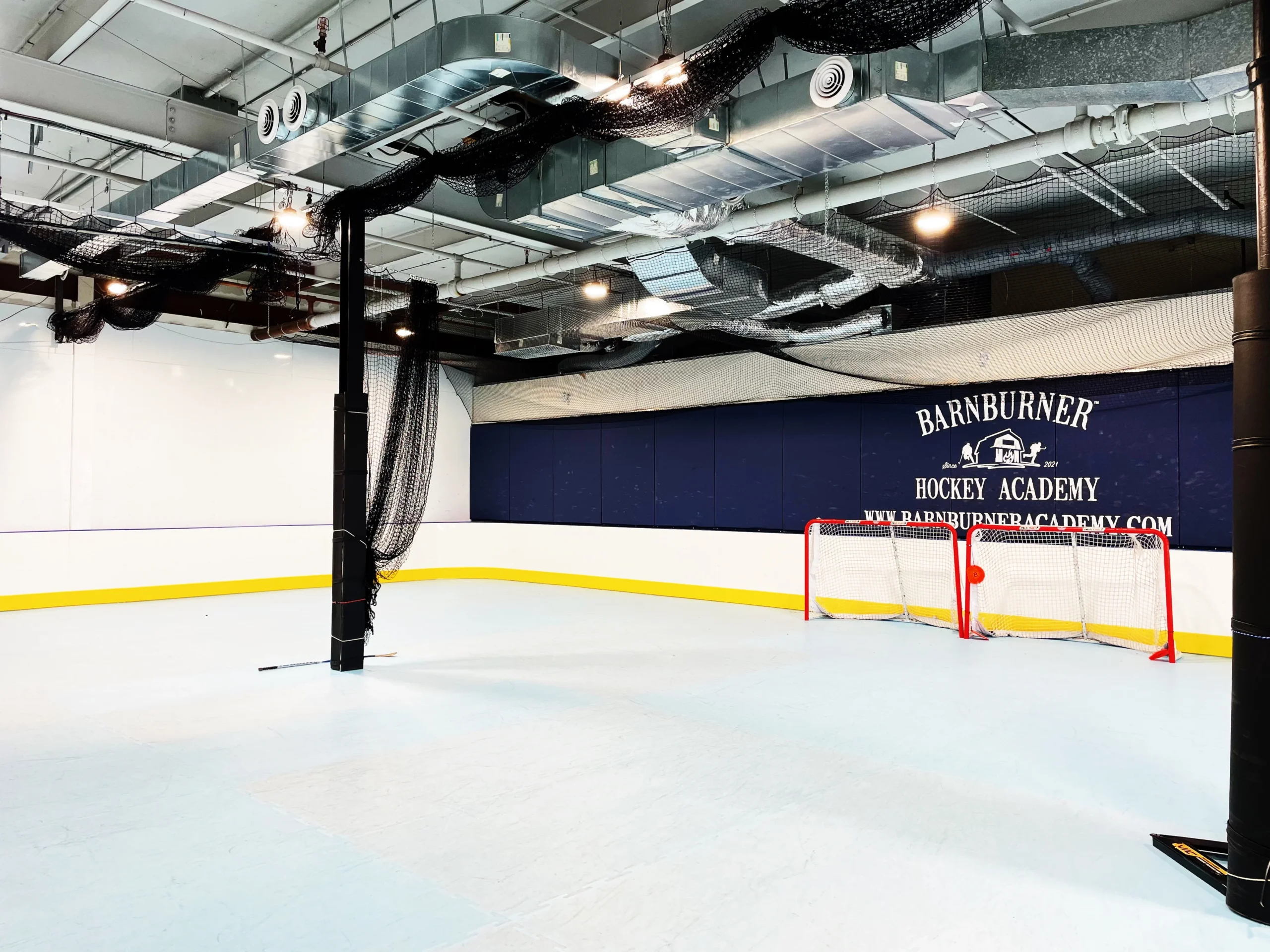
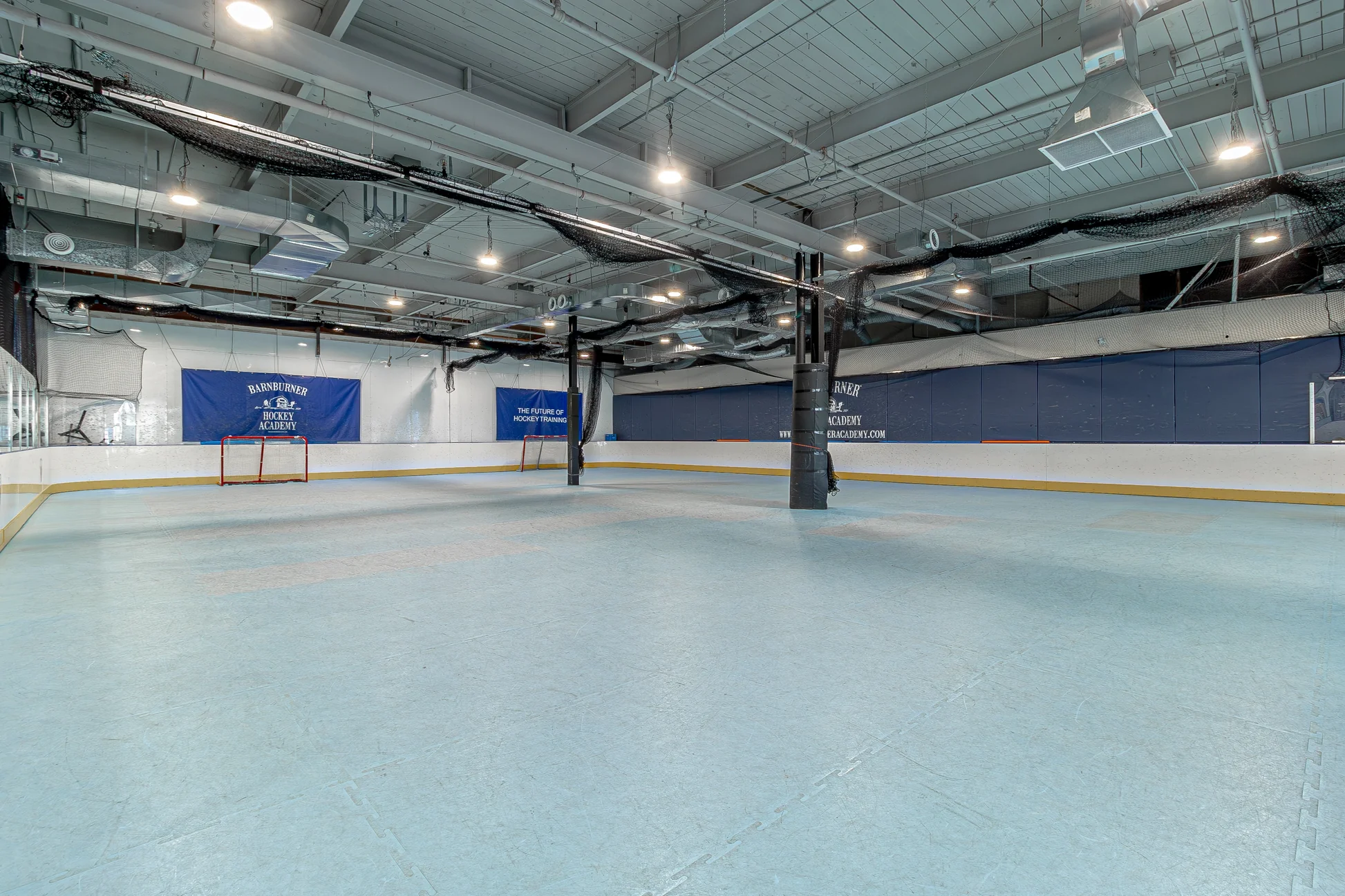
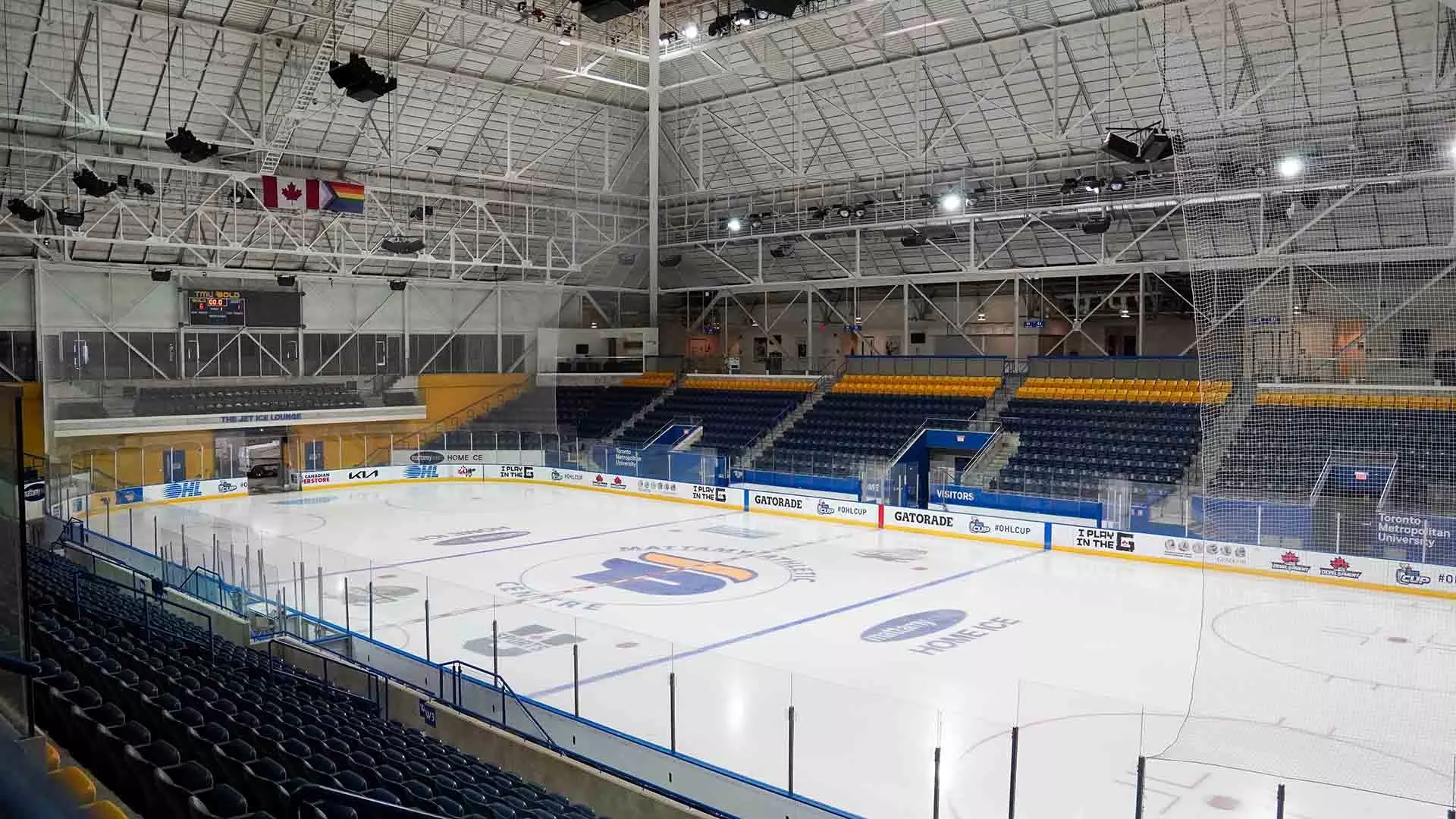
Canada’s training infrastructure provides a competitive edge. High-quality ice surfaces, rehabilitation centers, and analytics labs support comprehensive preparation.
Officials highlight that access to such facilities elevates Canada hockey training, allowing seamless integration of physical, tactical, and analytical components.
Health Management and Risk Mitigation
Health protocols remain embedded within daily routines. Regular screening, sanitation measures, and modified travel logistics reduce exposure risks.
Medical staff emphasize that proactive management has become inseparable from Canada hockey training, safeguarding continuity in an unpredictable environment.
Public Interest and Media Attention
Confirmation that camps were operating at full capacity reignited public enthusiasm. Fans see preparation as a signal of intent, fueling anticipation for upcoming fixtures.
Media analysts note that interest in Canada hockey training often mirrors confidence in the team’s competitive prospects, amplifying scrutiny during high-profile seasons.
International Perspective and Competitive Benchmarking
Rival programs closely monitor Canada’s preparation cycles. Training intensity, depth, and structure continue to set benchmarks globally.
The national setup, represented by the Canada national ice hockey team, is widely viewed as a reference point. Analysts believe the current phase of Canada hockey training positions the squad favorably against top-tier opponents.
Historic Comparison
Historically, Canadian teams have navigated disrupted preparation periods before major tournaments, including labor disputes and condensed seasons. In earlier eras, limited recovery science and smaller player pools often constrained flexibility.
By contrast, today’s Canada hockey training benefits from deeper resources, advanced analytics, and refined development pathways. This evolution reflects lessons learned from past cycles, where preparation quality often determined outcomes more than raw talent.
Mental Preparation and Psychological Resilience
Sports psychologists work alongside coaches to reinforce focus and emotional regulation. Visualization, routine-building, and stress management are incorporated into daily schedules.
Experts say mental conditioning has become an essential pillar of Canada hockey training, supporting performance consistency under pressure.
Economic and Organizational Implications
National team success carries economic implications, influencing sponsorships, broadcast interest, and grassroots participation. Preparation, therefore, extends beyond sport.
Administrators acknowledge that investment in Canada hockey training supports not only competitive results but also the broader hockey ecosystem nationwide.
Adaptation to Schedule Compression
The modern international calendar leaves little margin for error. Training cycles must be efficient, targeted, and responsive.
This reality has shaped Canada hockey training, prioritizing quality over quantity and emphasizing recovery as much as exertion.
Coaches’ Evaluation of Progress
Internal benchmarks suggest steady progress. Execution speed, conditioning levels, and tactical awareness have met early targets.
One senior coach summarized the approach, saying,
“Preparation is where belief is built, and belief carries teams through the hardest moments.”
Preparing for Exhibition Play
As exhibition games approach, focus will gradually shift toward game simulation. Special teams, late-game scenarios, and discipline under pressure take precedence.
The final stages of Canada hockey training are designed to bridge practice intensity with competitive realism.
Leadership Group and Decision-Making
Captaincy and leadership roles remain fluid during camp. Coaches observe communication styles and decision-making under stress.
This evaluation phase ensures that leadership emerging from Canada hockey training aligns with on-ice demands and team culture.
Environmental and Travel Considerations
Travel fatigue and environmental adjustment are factored into preparation plans. Simulated travel days and altered practice times help players adapt.
Such planning reflects the comprehensive nature of Canada hockey training, addressing challenges beyond the rink.
Technology and Video Analysis
Video review sessions dissect practice and historical game footage. Players are encouraged to self-analyze and contribute to tactical discussions.
Analysts say this collaborative approach enhances understanding and ownership within Canada hockey training environments.
Long-Term Vision Beyond 2026
While immediate competition looms, planners maintain a long-term perspective. Development pathways and succession planning remain priorities.
Officials emphasize that Canada hockey training is designed to sustain excellence across cycles, not just deliver short-term success.
Community Impact and Grassroots Inspiration
National preparation resonates beyond elite circles. Grassroots programs often mirror techniques and standards observed at the top level.
Coaches note that visibility of Canada hockey training inspires younger players and reinforces development philosophies nationwide.
Challenges and Ongoing Adjustments
Despite progress, challenges persist. Balancing workload, managing expectations, and integrating new players require constant adjustment.
Adaptability remains central to Canada hockey training, ensuring responsiveness to evolving conditions.
A Unique Outlook: Preparation as Identity
For Canada, preparation is not merely a phase but an identity. Discipline, depth, and attention to detail define the national approach.
This philosophy underpins Canada hockey training, shaping how teams respond to adversity and opportunity alike.
A Foundation for Competitive Excellence
The 2026 training cycle in Toronto underscores the enduring importance of preparation. By integrating science, experience, and structure, the national program reinforces its competitive foundations.
As the season unfolds, Canada hockey training stands as both a process and a promise—one that reflects the country’s commitment to excellence on the international stage.