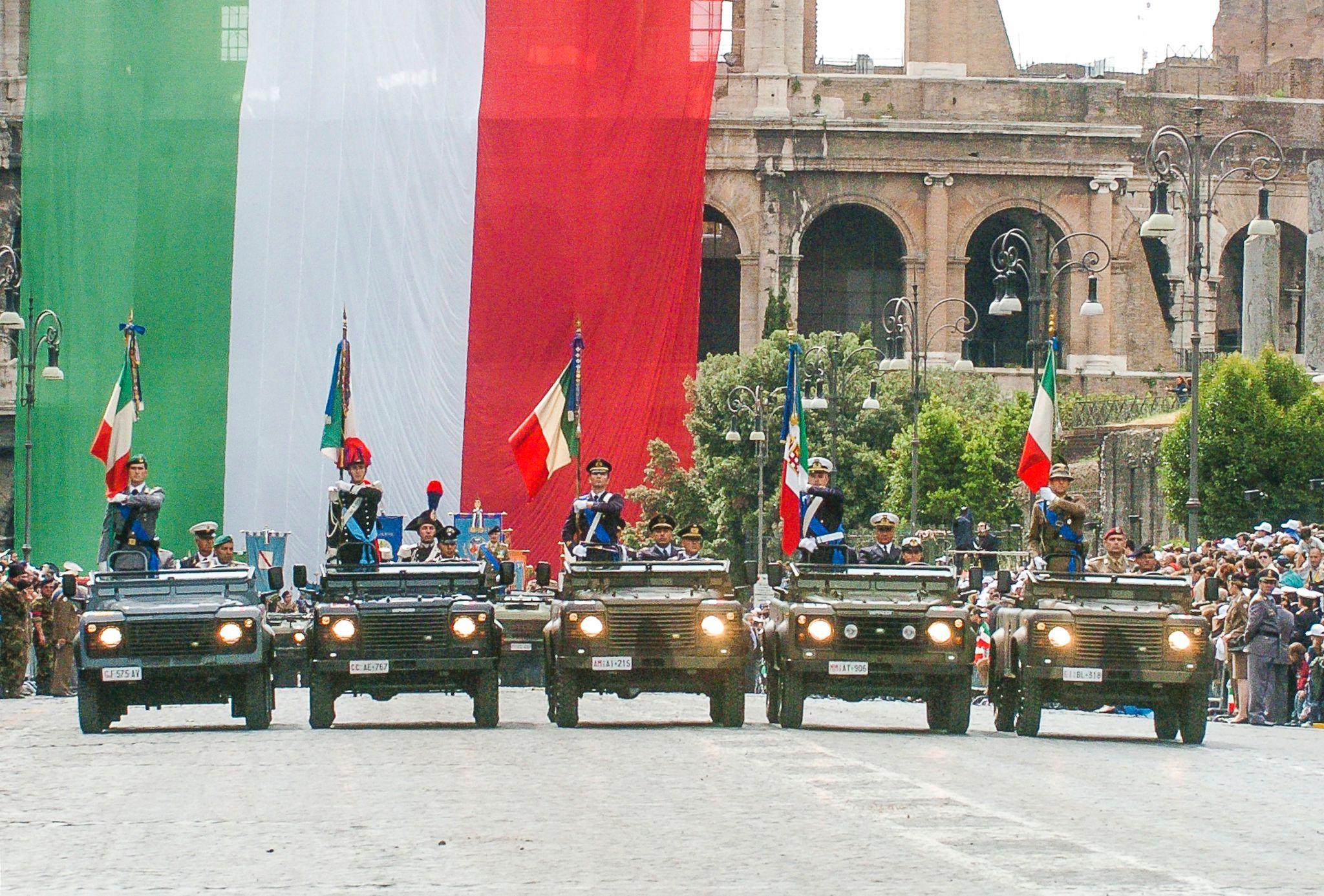
ROME, Italy (Parliament Politics Magazine) Ceremonial parade disruption became a major topic of discussion after a rehearsal for an upcoming public event was interrupted when horses reportedly became startled and ran through sections of the Italian capital. The incident occurred during preparations for a ceremonial parade and prompted an immediate response from authorities, emergency personnel, and event organizers.
The event quickly attracted national and international attention as videos and eyewitness accounts spread across social media platforms. While officials indicated that the situation was brought under control relatively quickly, the unexpected incident raised questions regarding event safety, emergency preparedness, and animal welfare standards during large public gatherings.
The latest ceremonial parade disruption has also renewed conversations about balancing historical traditions with modern public safety requirements.
“Public events involving animals require extensive planning because unexpected situations can develop very quickly.”
Investigation Begins Following Rehearsal Incident
Authorities have launched an investigation into the circumstances surrounding the ceremonial parade disruption. Officials are examining reports that loud fireworks may have contributed to the animals becoming frightened during preparations for the parade.
Investigators are reviewing witness statements, event procedures, and available footage to determine whether all required safety measures were properly implemented.
The review aims to identify what occurred, whether existing protocols were followed, and whether future events could benefit from additional safeguards.
Officials emphasized that transparency remains important as the investigation continues.
Emergency Personnel Responded Quickly
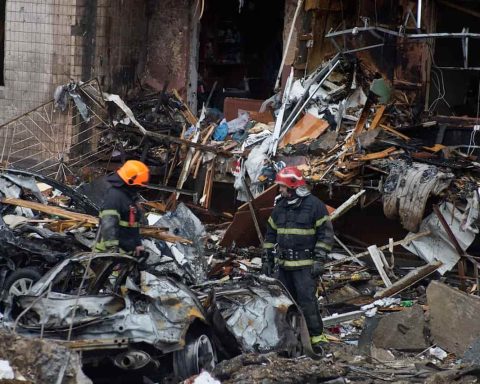
One reason the ceremonial parade disruption did not result in more serious consequences was the rapid response by emergency services and event personnel.
Police officers, veterinary specialists, parade organizers, and public safety teams coordinated efforts to locate and secure the animals after they left the rehearsal area.
Traffic restrictions were temporarily implemented in several locations while responders worked to restore order and prevent accidents.
Authorities later stated that emergency planning procedures played an important role in limiting potential risks to both participants and bystanders.
Public Safety Remains a Central Concern
The incident has generated renewed discussion regarding public safety at large ceremonial events.
The ceremonial parade disruption highlighted the challenges associated with organizing activities that involve animals, large crowds, moving equipment, and complex logistical arrangements.
Public safety specialists frequently stress that rehearsals are designed specifically to identify potential risks before major events occur.
In this case, the incident is expected to become an important case study for future planning efforts involving mounted ceremonial units and public celebrations.
Animal Welfare Experts Weigh In
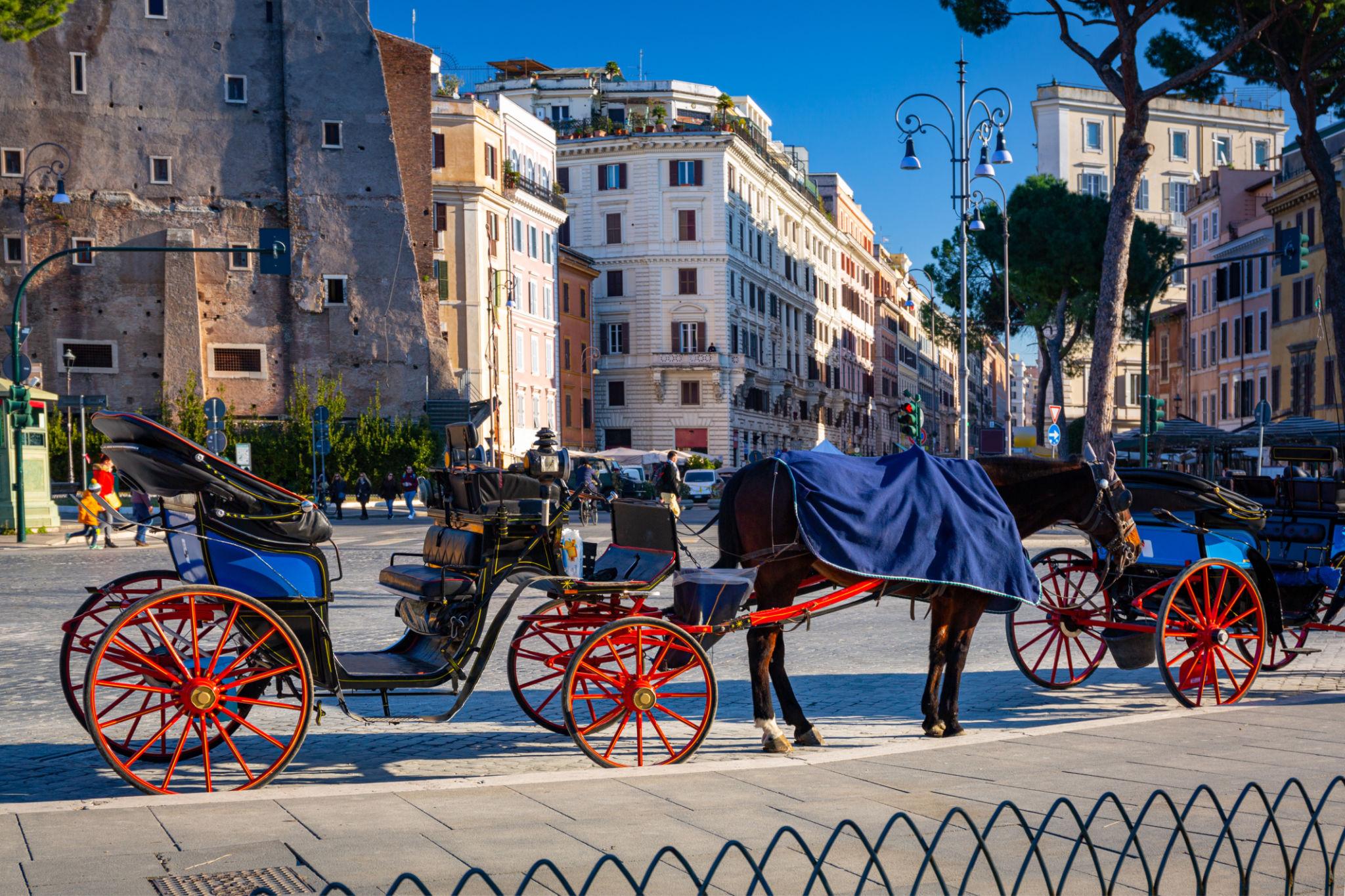
Animal welfare advocates have also responded to the ceremonial parade disruption, emphasizing the need for careful management whenever animals participate in crowded public settings.
Experts note that horses remain highly sensitive to unexpected sounds and sudden environmental changes. Even well-trained animals can react unpredictably when exposed to loud noises or unfamiliar circumstances.
Veterinary professionals often recommend extensive preparation and risk assessments to ensure the safety of animals participating in public ceremonies.
The latest incident has increased public awareness regarding the responsibilities associated with using animals in large-scale events.
“Even highly trained horses can react instinctively when exposed to unexpected noise or stress.”
Historical Traditions Continue Across Europe
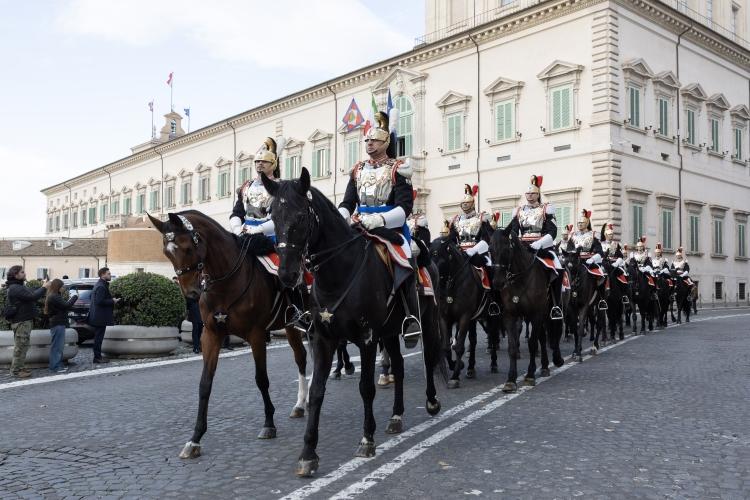
Mounted ceremonial units remain an important part of many European traditions.
For centuries, horses have been featured in military parades, national celebrations, civic ceremonies, and cultural festivals. These traditions often reflect historical customs and contribute to a sense of national identity.
The recent ceremonial parade disruption serves as a reminder that maintaining historical traditions also requires adapting to modern safety standards.
Organizers throughout Europe frequently work to preserve ceremonial authenticity while ensuring the safety of participants, animals, and spectators.
Historical Context of Parade Safety Challenges
Large public ceremonies have occasionally faced unexpected disruptions throughout history.
Past incidents involving weather conditions, equipment failures, crowd management issues, and animal behavior have led authorities to strengthen planning procedures over time.
The recent ceremonial parade disruption in Rome joins a broader history of events that have contributed to improvements in public safety practices.
Many experts note that lessons learned from individual incidents often help shape future event management standards.
Social Media Amplifies Public Interest
The widespread availability of smartphones and social media platforms significantly increased public awareness of the ceremonial parade disruption.
Videos recorded by witnesses quickly spread online, allowing millions of people to view the event within hours.
This rapid distribution of information intensified public interest and prompted discussions about accountability, safety protocols, and event planning.
Communication specialists note that modern incidents often receive greater scrutiny because visual evidence can be shared almost instantly across global audiences.
Event Organizers Review Procedures
Organizers responsible for future public ceremonies are expected to examine the findings from the investigation closely.
The ceremonial parade disruption has highlighted the importance of reviewing emergency response plans, participant training procedures, communication systems, and risk management practices.
Many event professionals believe continuous evaluation is essential for maintaining public confidence and ensuring successful outcomes.
Future recommendations could influence how rehearsals and ceremonial events are conducted both in Italy and elsewhere.
“Every incident provides an opportunity to improve procedures and strengthen public safety.”
Broader Lessons for Public Events
Beyond the immediate circumstances, the incident offers broader lessons regarding event planning and risk management.
The ceremonial parade disruption demonstrates that even carefully organized events can encounter unexpected challenges.
Experts emphasize that effective planning involves anticipating potential risks, preparing contingency responses, and maintaining clear communication among all stakeholders.
These principles apply not only to parades but also to concerts, sporting events, festivals, and other large public gatherings.
What the Rome Incident Means for Future Ceremonies
The recent ceremonial parade disruption may influence how future public events involving animals are organized and supervised.
Authorities are expected to review existing procedures and consider whether additional safeguards should be implemented. Recommendations could include revised safety distances, enhanced training requirements, or updated emergency response protocols.
Many observers believe the incident will ultimately contribute to stronger event management standards and improved coordination among participating agencies.
What the Ceremonial Parade Disruption Means for Public Safety Planning
The Rome incident demonstrates the importance of maintaining high safety standards during large public events. While emergency personnel responded effectively and prevented more serious outcomes, the event has highlighted areas that may benefit from further review.
As authorities continue their investigation, the findings could help improve planning practices and strengthen safeguards for future ceremonies. The lessons learned from this incident may ultimately support safer and more effective event management across Europe and beyond.