

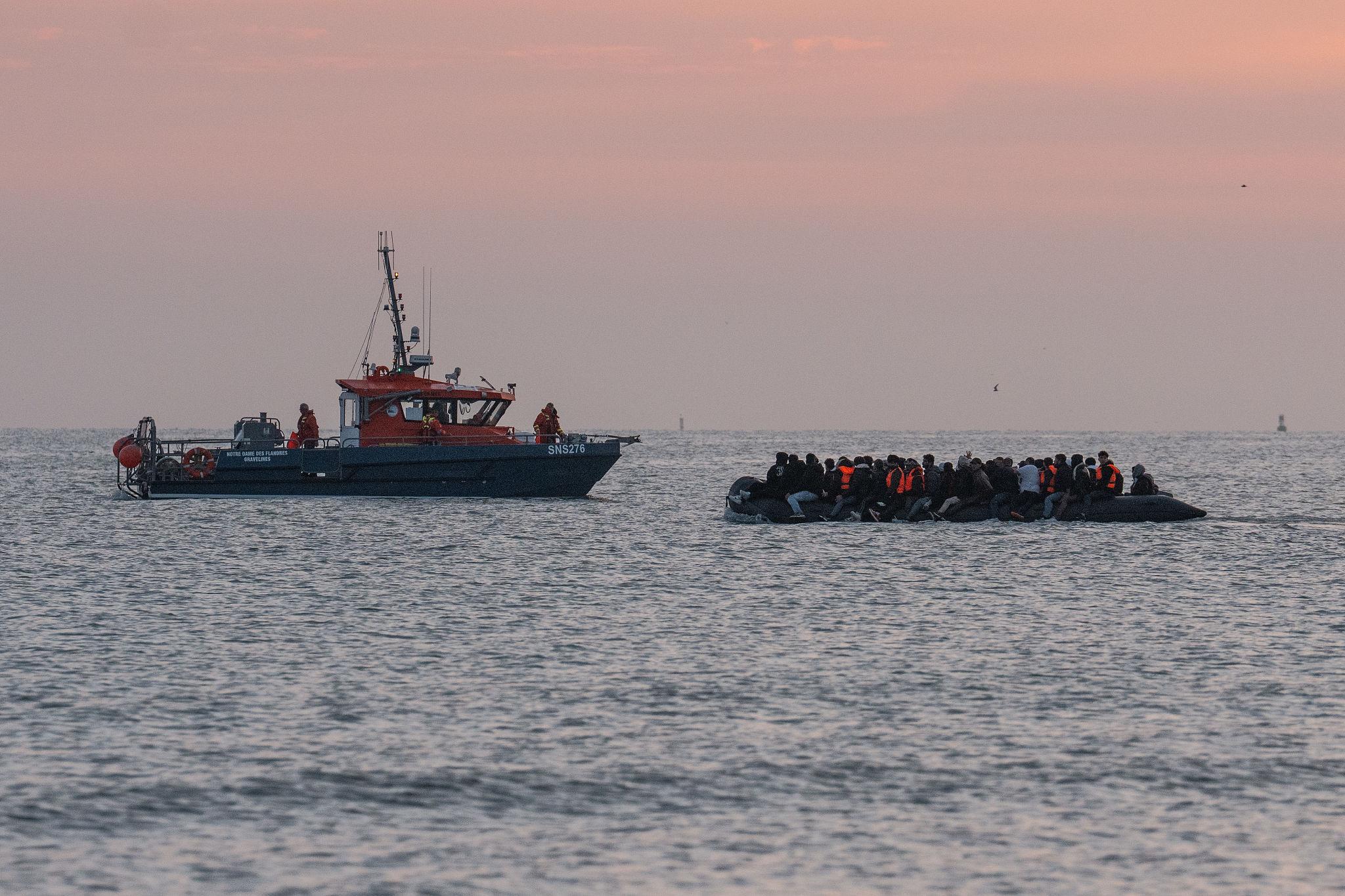
Uk, February 5, 2026, According to Parliament News, thatThe Channel migration crisis has become one of the most complex and politically charged challenges confronting the United Kingdom and its European partners, as rising numbers of people continue to attempt perilous small-boat crossings across the English Channel. What was once viewed as a seasonal or short-term issue has evolved into a sustained phenomenon shaped by global instability, policy gaps, and human desperation.
Authorities on both sides of the Channel face mounting pressure to reconcile border enforcement with humanitarian obligations, while repeated tragedies at sea have intensified scrutiny of existing response systems. The narrow stretch of water separating Britain from continental Europe has become a focal point for broader debates about migration management in an interconnected world.
Rising Crossings and Persistent Risk
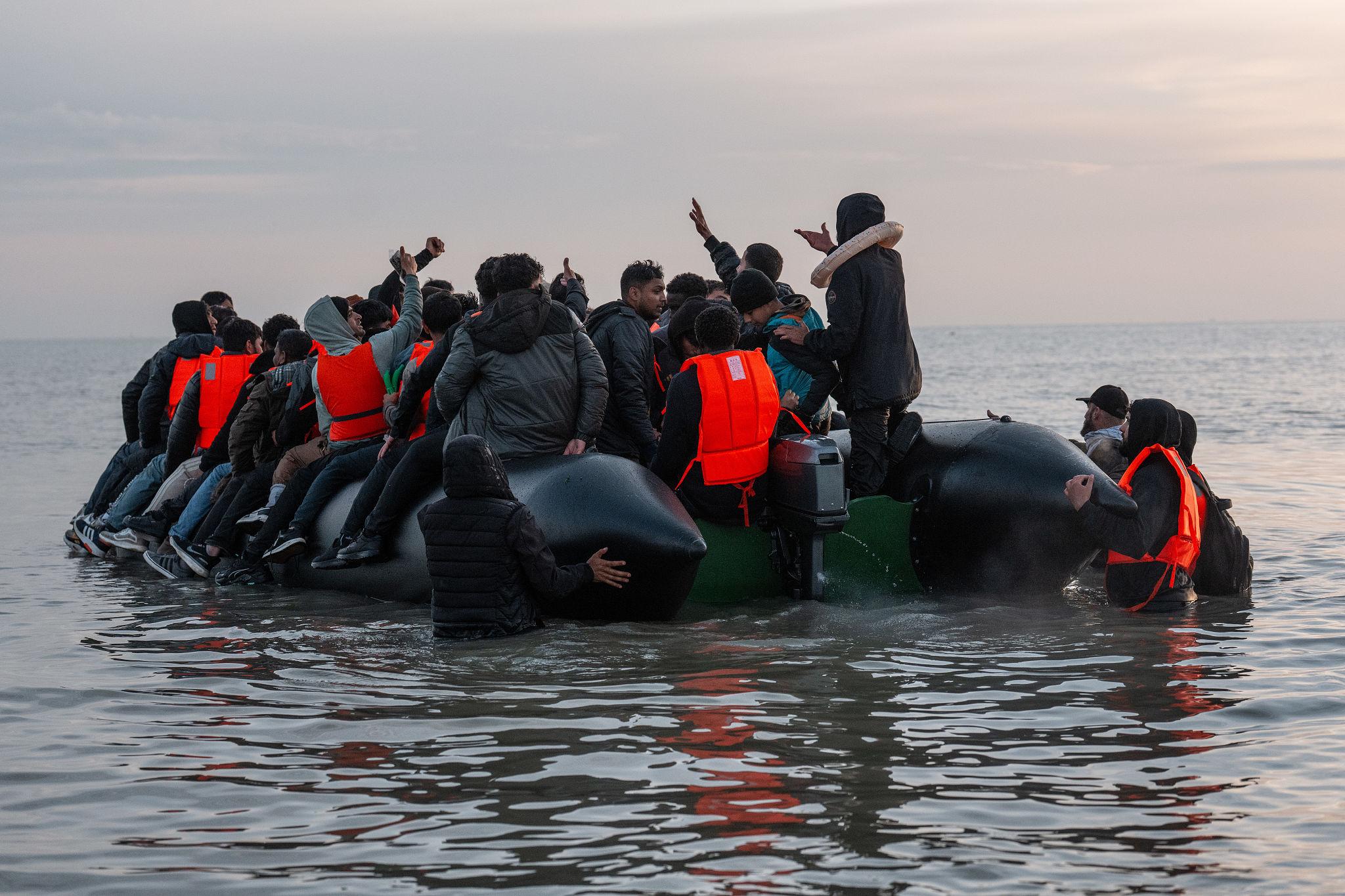
In recent years, the number of attempted Channel crossings has fluctuated but remained stubbornly high despite intensified patrols and policy interventions. Migrants often depart in overcrowded inflatable boats ill-suited for one of the world’s busiest shipping lanes.
Officials acknowledge that the persistence of the Channel migration crisis reflects conditions far beyond UK borders, including conflict, persecution, economic collapse, and the absence of safe legal pathways for asylum seekers.
Geography and the Dangers of the Route
The English Channel presents unique risks. Strong tides, cold temperatures, unpredictable weather, and dense commercial traffic create conditions where even minor mishaps can quickly become fatal.
Maritime experts warn that the route’s hazards magnify the consequences of delayed response, making the Channel migration crisis particularly deadly compared with other migration corridors.
Search and Rescue Under Strain
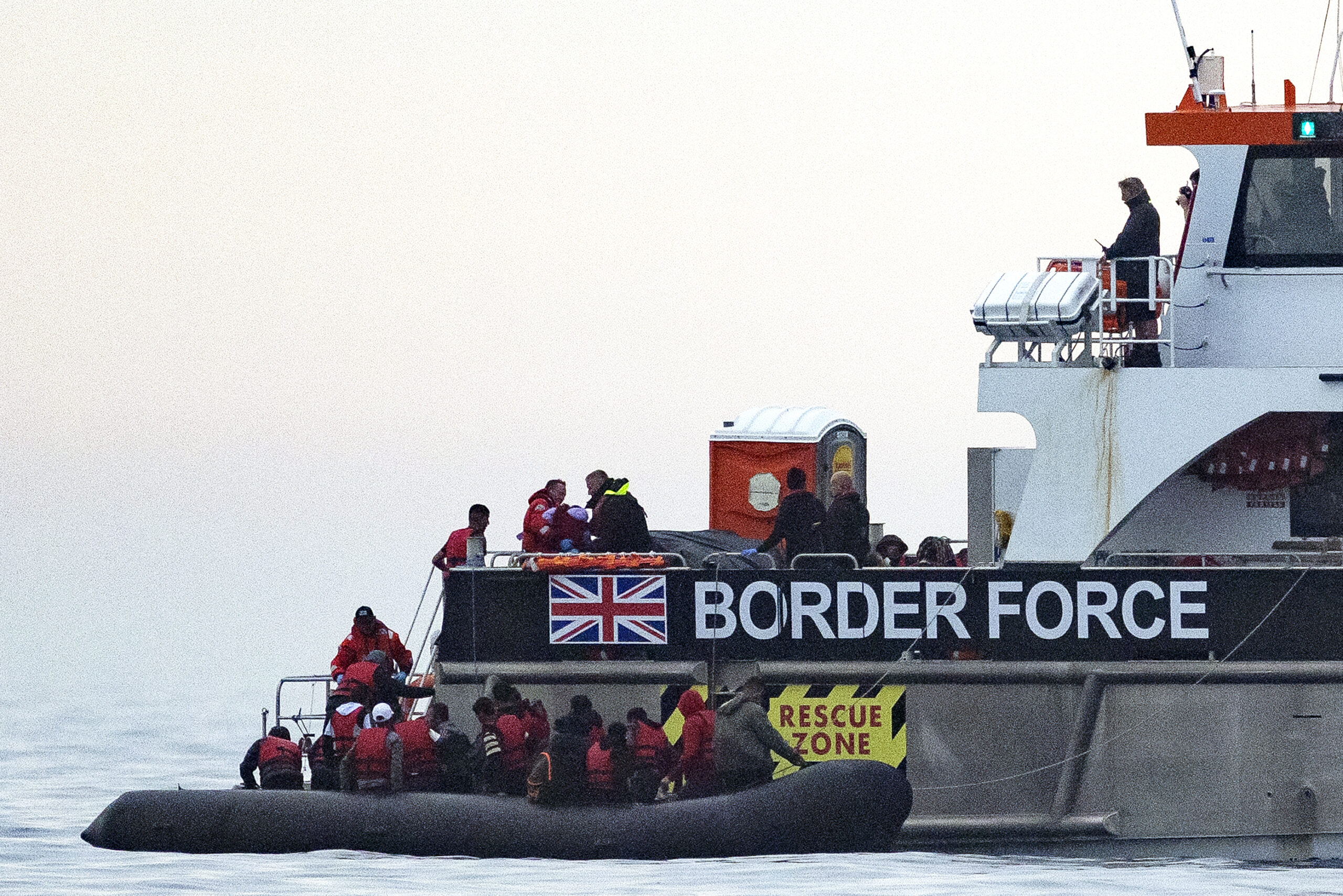
Search and rescue services operate under constant pressure as crossings increase during favorable weather windows. Coordination between agencies, jurisdictional clarity, and real-time communication are critical in determining outcomes.
Investigations into past incidents have shown that gaps in coordination can escalate emergencies, reinforcing concerns that the Channel migration crisis exposes systemic vulnerabilities in maritime response frameworks.
UK Government Policy and Enforcement Measures
Successive UK governments have introduced tougher border policies aimed at deterring irregular crossings. Measures have included expanded patrols, agreements with neighboring countries, and proposals to process asylum seekers outside the UK.
Supporters argue that enforcement is essential to dismantling smuggling networks, while critics contend that such policies fail to address the humanitarian drivers of the Channel migration crisis.
Cooperation With European Partners
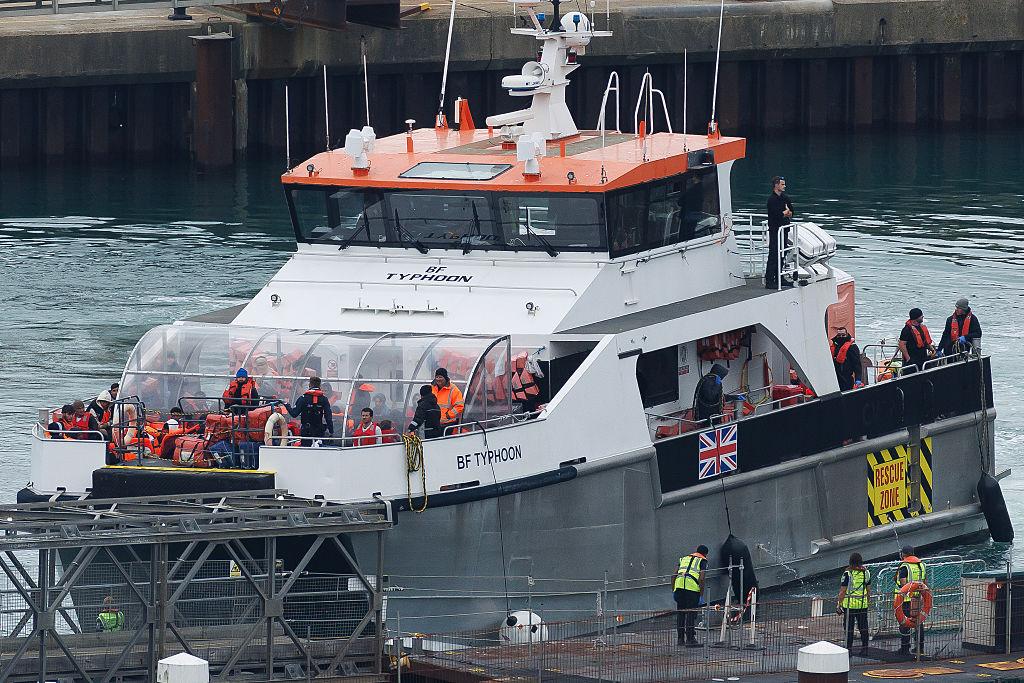
Cross-border cooperation remains central to managing Channel crossings. The UK works closely with France and other European partners on patrols, intelligence sharing, and funding initiatives designed to disrupt smuggling operations.
Despite these efforts, differences in legal frameworks and political priorities continue to complicate joint responses to the Channel migration crisis, limiting the effectiveness of enforcement-only approaches.
Smuggling Networks and Organized Crime
People-smuggling networks have adapted rapidly to enforcement efforts, exploiting demand created by conflict and inequality. These groups often provide migrants with misleading assurances about safety and success rates.
Security analysts say dismantling these networks is critical, but acknowledge that enforcement alone cannot resolve the Channel migration crisis without addressing the underlying demand for migration.
Humanitarian Concerns and Civil Society Response
Humanitarian organizations have repeatedly warned that restrictive policies increase risks by pushing migrants toward more dangerous routes. Advocacy groups argue that saving lives must remain the overriding priority.
They view the Channel migration crisis as a moral test for governments, calling for expanded rescue capacity and safe, regulated migration channels.
Legal Obligations and International Law
The UK remains bound by international conventions that require protection for those fleeing persecution. Legal experts note that deterrence measures must comply with non-refoulement principles and human rights standards.
Court challenges related to migration policy have become more frequent, reflecting the legal complexity surrounding the Channel migration crisis.
Impact on the UK Asylum System
Irregular arrivals have placed significant strain on the UK’s asylum system, contributing to backlogs and extended processing times. Temporary accommodation costs have risen, drawing public and political scrutiny.
Policy analysts say inefficiencies within the asylum system both influence and are influenced by the Channel migration crisis, creating a cycle that is difficult to break.
Political Divisions and Public Debate
Migration has become a central issue in domestic politics, shaping election campaigns and public discourse. Sharp divisions persist between those prioritizing border control and those emphasizing humanitarian responsibility.
The Channel migration crisis has emerged as a symbol of broader anxieties about globalization, sovereignty, and national identity.
One Expert Assessment
One migration policy specialist involved in advisory work said,
“The Channel situation reflects a collision between global displacement pressures and national systems that were never designed to cope at this scale.”
Media Coverage and Narrative Framing
Media reporting has played a significant role in shaping public perception. Images of small boats and rescue operations often dominate coverage, sometimes overshadowing the long journeys and circumstances that precede the crossings.
Balanced reporting is widely seen as essential to informed debate about the Channel migration crisis, particularly in an environment of heightened political sensitivity.
The Economic Dimension of Migration
Beyond humanitarian considerations, migration has economic implications. Some sectors of the UK economy face labor shortages, while local authorities grapple with housing and service pressures.
Economists argue that managed migration could mitigate some of these challenges, offering a more sustainable response to the Channel migration crisis.
Psychological Toll on Migrants and Responders
Migrants attempting the crossing often endure trauma before, during, and after the journey. Rescue personnel also face psychological strain, responding repeatedly to life-threatening situations.
Mental health support for all those affected has become an increasingly visible issue linked to the Channel migration crisis.
Climate Change and Future Pressures
Climate-related displacement is expected to increase global migration pressures in coming decades. Rising sea levels, droughts, and extreme weather may force more people to move.
Experts warn that these trends could intensify the Channel migration crisis unless proactive international solutions are developed.
History of Channel Crossings
Historically, attempts to cross the Channel by small boat were rare and sporadic. Earlier decades saw migration managed primarily through legal routes, asylum programs, and freight transport concealment.
Over time, tightening border controls and global instability altered migration patterns. Gradually, small-boat crossings increased, transforming what were once isolated incidents into a sustained movement that defines today’s Channel migration crisis.
Lessons From Past Migration Corridors
Other regions have faced similar challenges, from the Mediterranean to the US-Mexico border. In many cases, enforcement-heavy responses initially reduced crossings before displacement routes emerged elsewhere.
These experiences suggest that the Channel migration crisis may follow similar patterns unless addressed through comprehensive international cooperation.
Technology and Surveillance Measures
Governments have invested in surveillance technologies, including drones, radar systems, and data analytics, to monitor maritime activity. These tools aim to detect crossings earlier and improve response times.
While technology enhances monitoring, experts caution it cannot fully resolve the Channel migration crisis without parallel policy reform.
Community Impact in Coastal Areas
Coastal communities often find themselves at the center of migration response, hosting rescue operations and temporary facilities. Local residents express a mix of compassion and concern over resources.
Community engagement is increasingly recognized as a necessary component of managing the Channel migration crisis sustainably.
Education, Integration, and Long-Term Outcomes
For those who reach the UK and receive protection, long-term integration remains a challenge. Access to education, employment, and stable housing shapes outcomes for individuals and communities alike.
Successful integration strategies could reduce long-term pressures associated with the Channel migration crisis.
The Role of International Cooperation
Analysts emphasize that unilateral action is unlikely to succeed. Addressing displacement drivers requires cooperation with origin and transit countries, development aid, and conflict resolution efforts.
Without such measures, the Channel migration crisis may persist regardless of domestic policy changes.
Risk of Normalizing Tragedy
Repeated incidents risk desensitizing the public to loss of life at sea. Advocacy groups warn that normalization of tragedy undermines accountability and urgency.
Keeping attention focused on prevention is widely seen as essential to addressing the Channel migration crisis responsibly.
A Crossroads for Migration Policy
As pressures continue, governments face difficult choices. Balancing deterrence, protection, and practicality will shape the future of migration governance.
The handling of the Channel migration crisis is increasingly viewed as a benchmark for how advanced democracies respond to global displacement.
When Borders Meet Human Reality
The narrow waters of the Channel represent more than a geographic boundary. They are a meeting point between national borders and human need, between law and survival.
How authorities respond to this reality will determine whether future policy reduces risk or perpetuates danger, defining the next chapter in Europe’s ongoing migration challenge.