

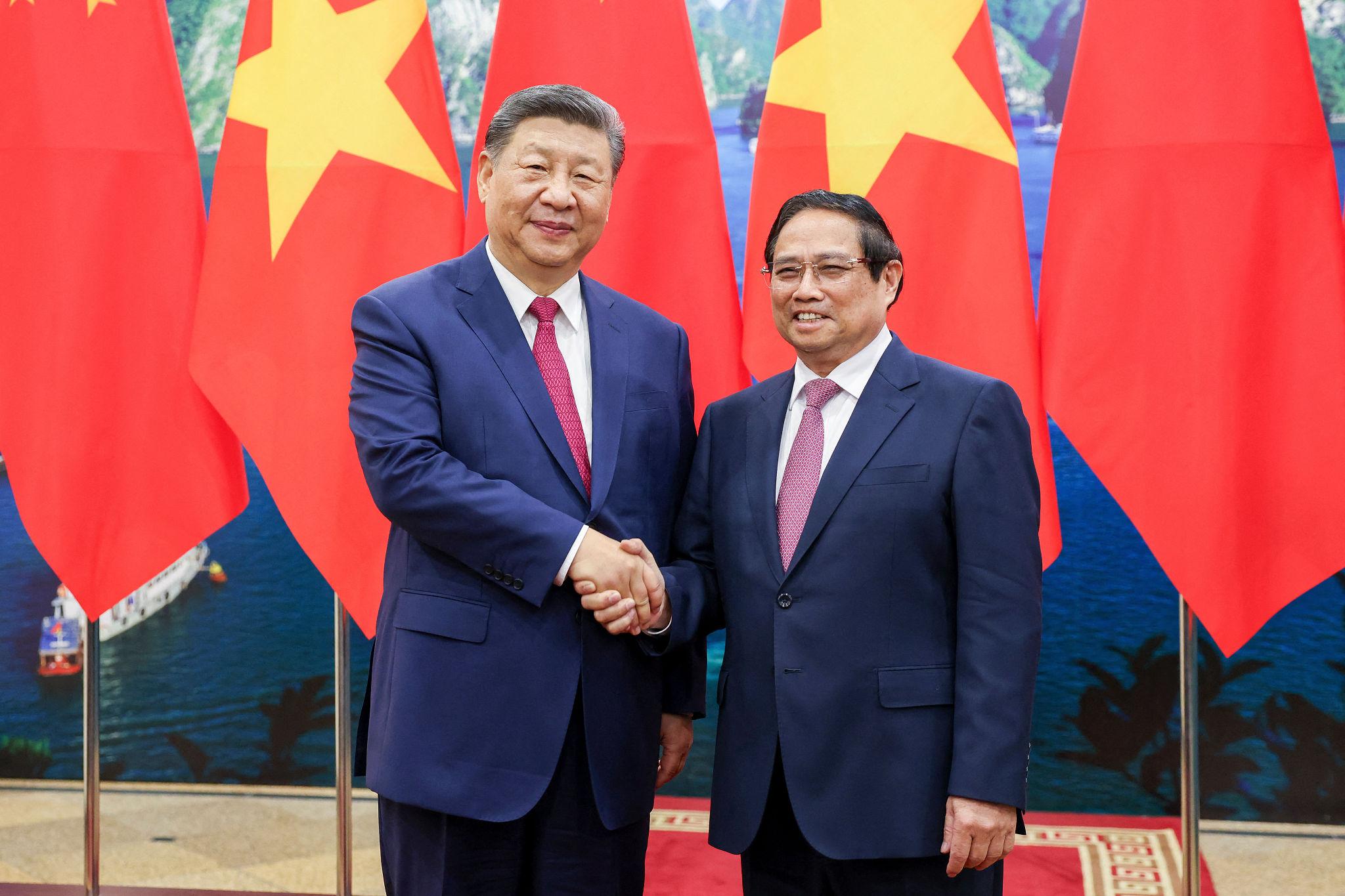
Beijing, China, April 15, 2026 (Parliament Politics Magazine) China diplomacy strategy is taking a more defined shape as Chinese President Xi Jinping called for enhanced political security cooperation with Vietnam. The move signals Beijing’s growing focus on stability, long-term alignment, and regional influence in Southeast Asia.
The announcement reflects a broader diplomatic effort by China to reinforce strategic partnerships at a time of shifting geopolitical dynamics. Analysts say the emphasis on political security highlights a deeper layer of cooperation beyond traditional economic ties.
Xi Emphasizes Political Security Cooperation
During high-level engagements, Xi Jinping stressed that China diplomacy strategy must include stronger coordination on political security to ensure mutual stability. The remarks indicate a shift toward a more comprehensive framework that integrates governance, security, and economic priorities.
Officials close to the discussions outlined several focus areas:
- Strengthening political trust
- Enhancing security collaboration
- Expanding economic partnerships
- Supporting regional peace initiatives
A diplomatic analyst noted:
“China diplomacy strategy is evolving toward deeper partnerships that combine security and economic cooperation in a unified approach.”
China–Vietnam Relations Gain Strategic Importance
The emphasis on China diplomacy strategy highlights the growing importance of China’s relationship with Vietnam. Despite historical complexities, both countries have steadily expanded trade and cooperation in recent years.
Vietnam’s strategic location and rapidly growing economy make it a key partner in Southeast Asia. At the same time, China continues to strengthen its influence in the region through infrastructure investment and trade initiatives.
This evolving relationship reflects shared priorities such as:
- Economic growth and development
- Political stability
- Regional cooperation
- Long-term strategic alignment
Regional Stability Becomes a Core Focus
A central pillar of China diplomacy strategy is the pursuit of regional stability. With tensions in various parts of Asia, China and Vietnam are working to strengthen communication channels and reduce the risk of conflict.
Security cooperation is becoming increasingly important, particularly in areas like maritime coordination and border management. Clear strategic alignment can help both nations navigate complex regional challenges.
A regional expert explained:
“Political security is now a cornerstone of China diplomacy strategy, especially in regions where economic and security interests intersect.”
Economic Cooperation Continues to Expand
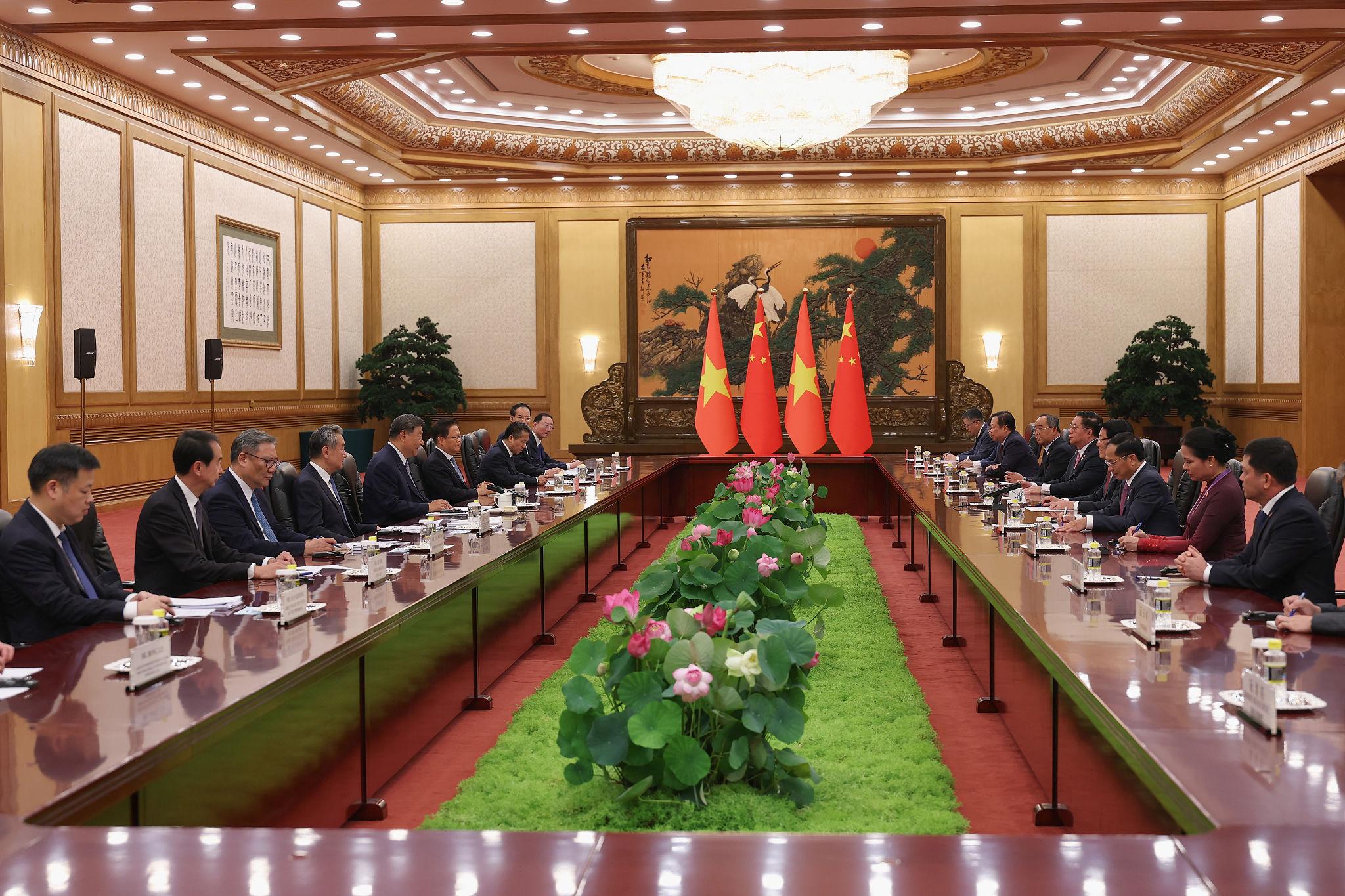
While security is gaining attention, economic collaboration remains a fundamental component of China diplomacy strategy. Trade between China and Vietnam continues to grow, supported by integrated supply chains and cross-border investments.
China remains one of Vietnam’s largest trading partners, while Vietnam plays a vital role in global manufacturing networks. This economic interdependence provides a strong foundation for continued cooperation.
Key areas of growth include:
- Manufacturing and exports
- Infrastructure development
- Technology partnerships
- Cross-border trade expansion
Balancing Cooperation and Competition
The concept of China diplomacy strategy also involves balancing cooperation with competition. While both nations share economic interests, they must also manage differences related to territorial disputes and policy priorities.
By promoting strategic clarity, leaders aim to create a framework that allows for cooperation while addressing areas of disagreement in a controlled and constructive manner.
This balanced approach is seen as critical for maintaining long-term stability in bilateral relations.
Geopolitical Impact Across Southeast Asia
The strengthening of China diplomacy strategy has significant implications for Southeast Asia. As China deepens its ties with Vietnam, other countries in the region are closely monitoring the evolving relationship.
Stronger coordination between the two nations could influence regional alliances and economic agreements. It may also shape how smaller countries navigate their relationships with major powers.
Experts suggest this shift could:
- Enhance regional cooperation
- Reduce geopolitical tensions
- Encourage economic integration
- Influence diplomatic strategies across Asia
Global Context of China’s Strategic Approach
On a global scale, China diplomacy strategy reflects broader efforts to secure influence and stability in key regions. As competition between major powers intensifies, China is focusing on strengthening relationships with strategic partners.
Vietnam’s role in this strategy is particularly important, given its economic growth and geopolitical position. By reinforcing ties, China aims to build a more stable and predictable regional environment.
A political analyst observed:
“China diplomacy strategy is about creating long-term stability through partnerships that can withstand external pressures.”
Challenges Facing Strategic Alignment
Despite the positive outlook, China diplomacy strategy faces several challenges. Historical tensions and territorial disputes remain sensitive issues that require careful management.
Additionally, external geopolitical pressures could complicate efforts to deepen cooperation. Both countries must navigate these challenges while maintaining a focus on mutual benefits.
Potential risks include:
- Maritime disputes
- Policy differences
- External political pressures
- Economic competition
However, ongoing dialogue and diplomatic engagement are expected to help mitigate these risks.
Future Outlook for China–Vietnam Relations
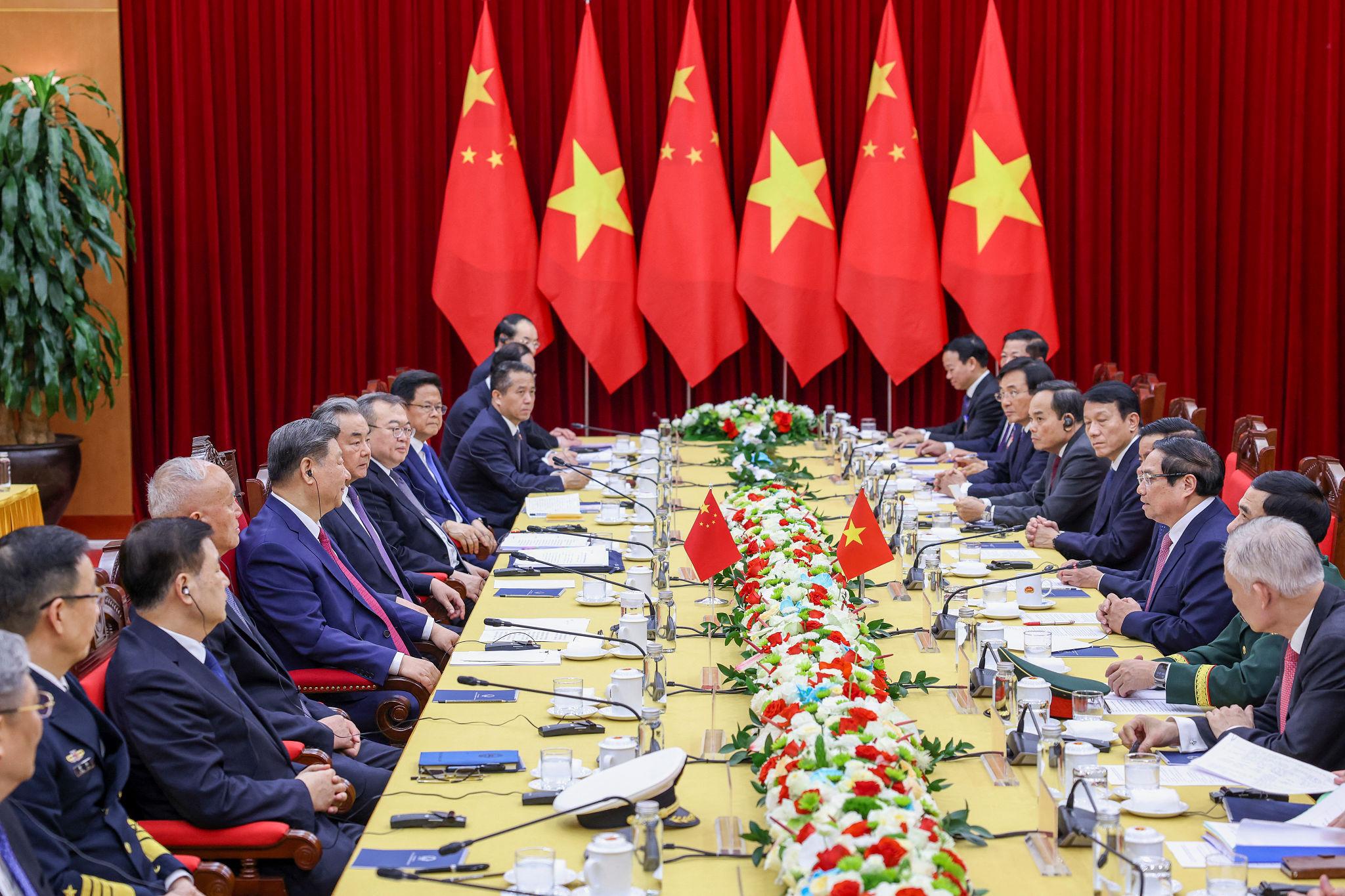
Looking ahead, China diplomacy strategy is likely to continue evolving as both nations seek to strengthen their partnership. The emphasis on political security suggests a long-term commitment to stability and cooperation.
As global dynamics shift, the relationship between China and Vietnam will play an increasingly important role in shaping the future of Southeast Asia.
Experts anticipate:
- Continued diplomatic engagement
- Increased economic collaboration
- Greater focus on regional stability
- Expansion of strategic partnerships
China Expands Strategic Influence in Asia
The growing focus on China diplomacy strategy highlights a major development in regional diplomacy, as Xi Jinping calls for stronger political security cooperation with Vietnam. This move reflects China’s broader effort to enhance stability, deepen economic ties, and strengthen its strategic position in Southeast Asia.
While challenges remain, the emphasis on clear strategic alignment signals a more structured and predictable relationship—one that could shape the region’s future.
