

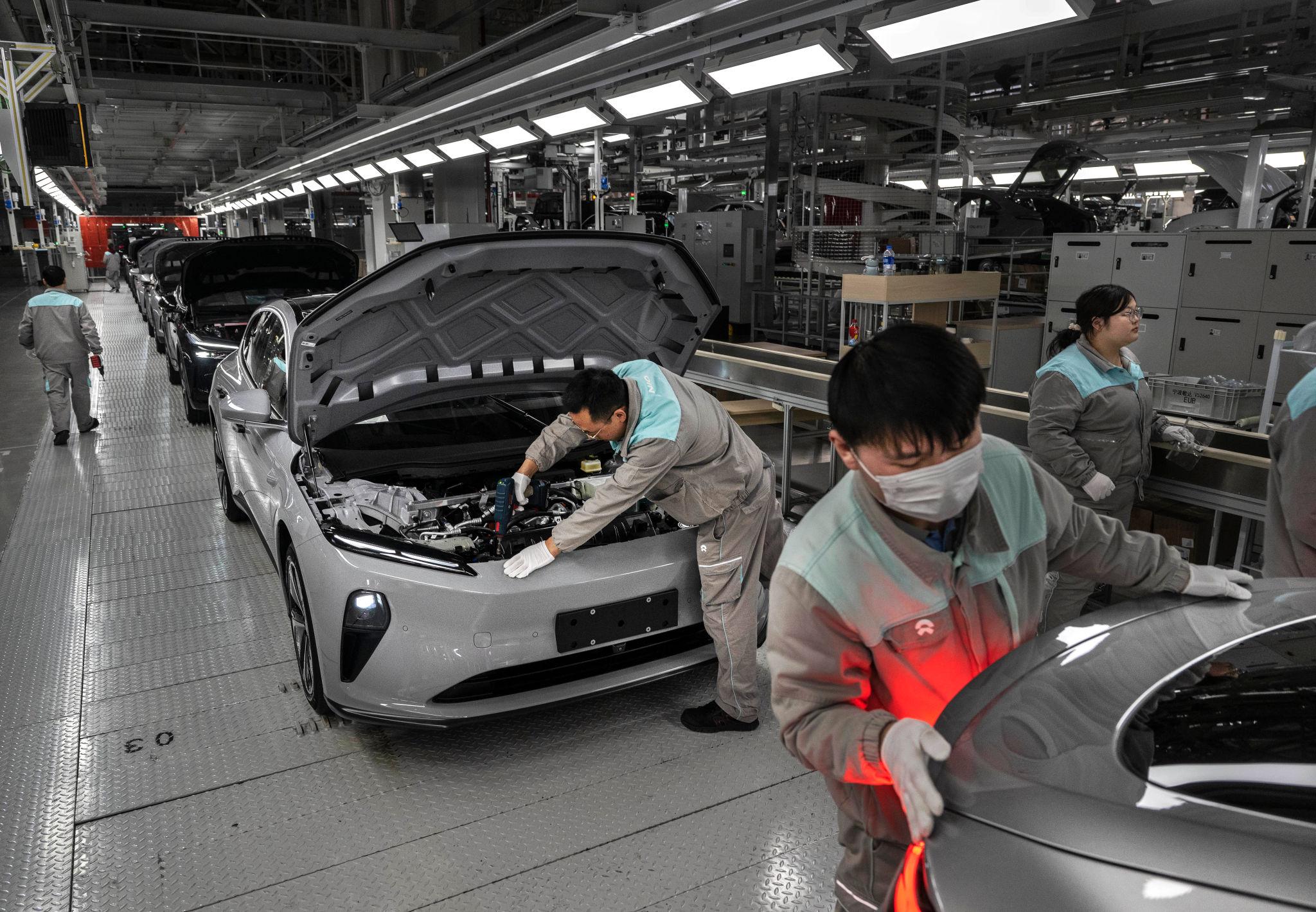
Beijing, China – February 24, 2026 — According to Parliament News, that China EV competition is accelerating at a decisive pace this year, transforming not only the domestic automotive sector but also global trade dynamics. Industry data released in early 2026 indicates sustained expansion in production capacity, export volumes, and battery innovation. Analysts note that China EV competition has evolved beyond price based rivalry and now centers on integrated ecosystems, advanced software capabilities, and supply chain dominance.
Government policy, private investment, and consumer demand are aligned in ways that amplify China EV competition across multiple regions. From Europe to Southeast Asia and Latin America, international markets are feeling the effects of expanding Chinese electric vehicle exports. The scale of this transformation marks a turning point in global automotive leadership.
Domestic Market Momentum
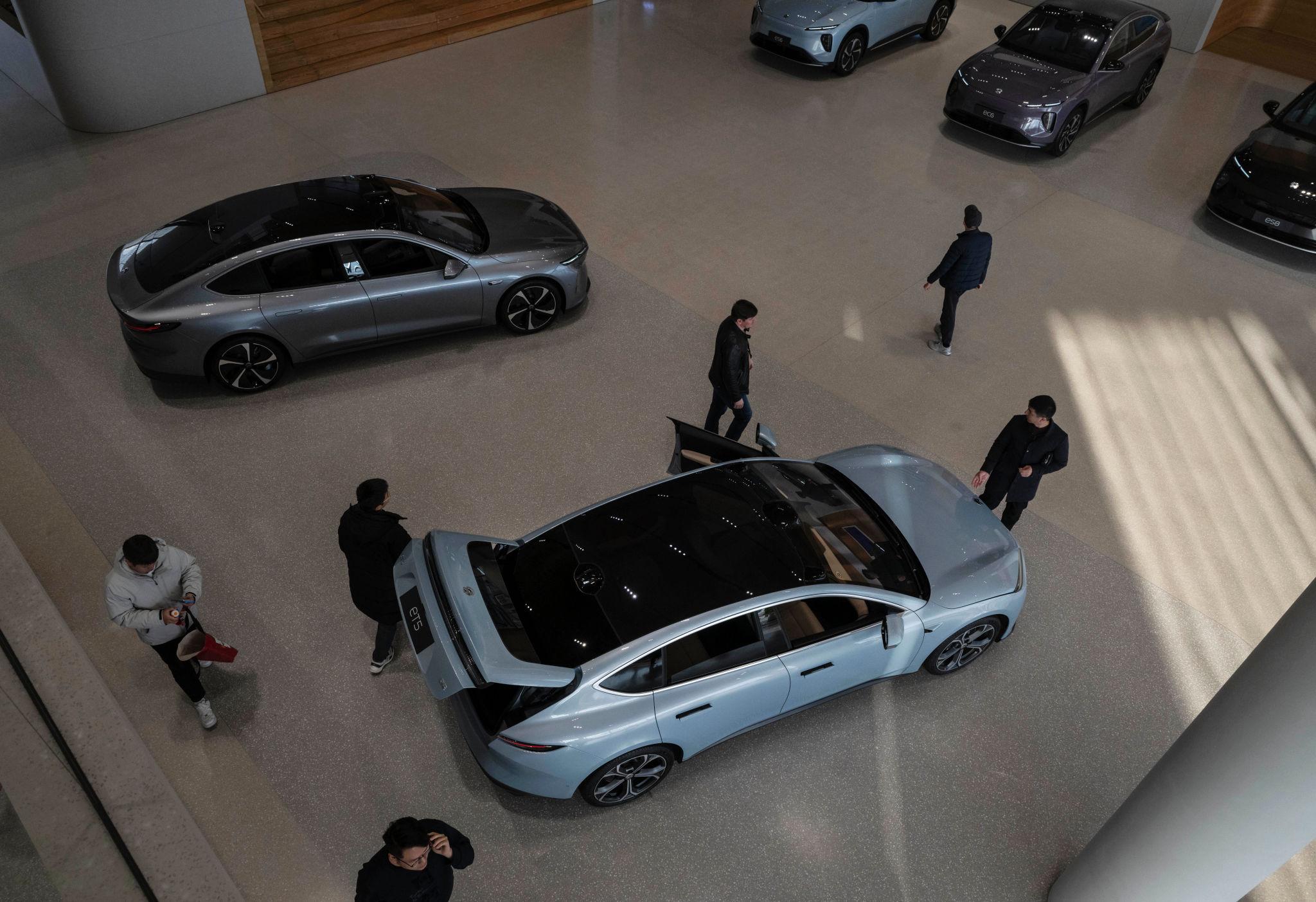
China remains the largest electric vehicle market in the world. Urban centers such as Beijing, Shanghai, and Shenzhen report rising EV adoption rates supported by extensive charging infrastructure and policy incentives. China EV competition within the domestic landscape has intensified as manufacturers introduce new models at rapid intervals.
Product cycles are shortening. Companies launch updated vehicles equipped with longer range batteries, enhanced infotainment systems, and advanced driver assistance features. As China EV competition deepens, pricing strategies have become more aggressive, encouraging broader consumer participation while pressuring profit margins.
Domestic buyers are increasingly technology oriented. Connectivity, real time navigation integration, and seamless smartphone compatibility are critical purchasing factors. This demand reinforces innovation as a central pillar of China EV competition.
Battery Technology Leadership
Battery production stands at the core of China’s strategic advantage. Domestic firms dominate lithium iron phosphate manufacturing and continue investing heavily in solid state research and next generation energy storage solutions.
China EV competition benefits from vertically integrated supply chains that control mining, processing, cell production, and assembly. This integration reduces costs and enhances resilience against global disruptions.
Battery research facilities are expanding capacity to meet both domestic and international demand. Analysts emphasize that technological leadership in energy density and safety standards is essential for sustaining China EV competition beyond the current cycle.
Export Expansion and Trade Impact
Export volumes of electric vehicles have grown significantly in 2026. Markets across Europe and emerging economies are witnessing increased shipments of competitively priced Chinese EVs.
China EV competition influences trade balances as manufacturers establish assembly facilities abroad to mitigate tariff risks and strengthen local partnerships. Governments in importing countries are reassessing industrial policies in response to this expansion.
While exports diversify revenue streams, they also intensify regulatory scrutiny. Trade discussions now frequently address subsidies, environmental standards, and competitive fairness.
Pressure on Global Automakers
Legacy manufacturers from Europe, Japan, and North America face rising pressure. Some are forming joint ventures to access battery expertise and manufacturing efficiencies. Others are accelerating domestic EV production to counterbalance imported vehicles.
China EV competition challenges established brands to adapt quickly. Premium branding and historical reputation no longer guarantee dominance in a market defined by software updates and digital integration.
Strategic recalibration is evident across global boardrooms. Investment in research, digital architecture, and supply chain optimization has become central to competitive survival.
Government Strategy and Policy Alignment
Public policy remains instrumental in shaping the trajectory of the electric vehicle sector. Incentives for renewable energy integration, infrastructure expansion, and advanced manufacturing create an environment conducive to innovation.
China EV competition aligns with national carbon neutrality goals and industrial modernization plans. Regulatory guidance emphasizes sustainability, technological self reliance, and export growth.
State supported financing and research grants accelerate development in autonomous driving systems and advanced battery materials.
Investment and Capital Markets
Financial markets continue to channel capital toward electric vehicle producers and related technology firms. Public listings and private placements provide funding for expansion and research initiatives.
China EV competition benefits from investor confidence in long term electrification trends. Capital flows support not only manufacturing but also charging networks, energy storage projects, and digital mobility services.
Despite periodic volatility in equity markets, analysts suggest that structural demand underpins sustained investment interest.
Infrastructure and Charging Networks
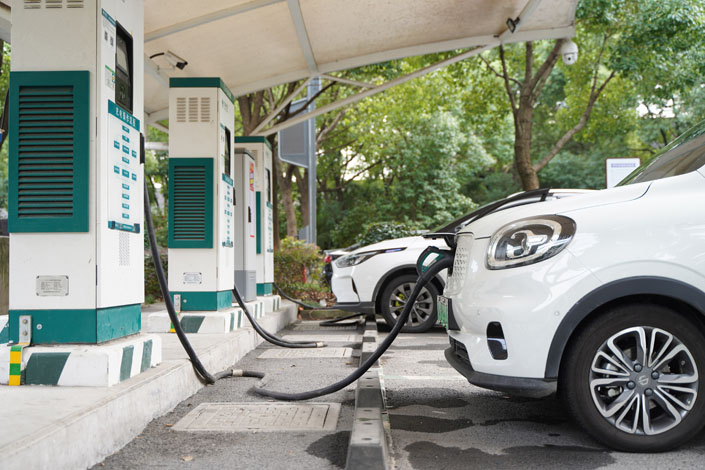
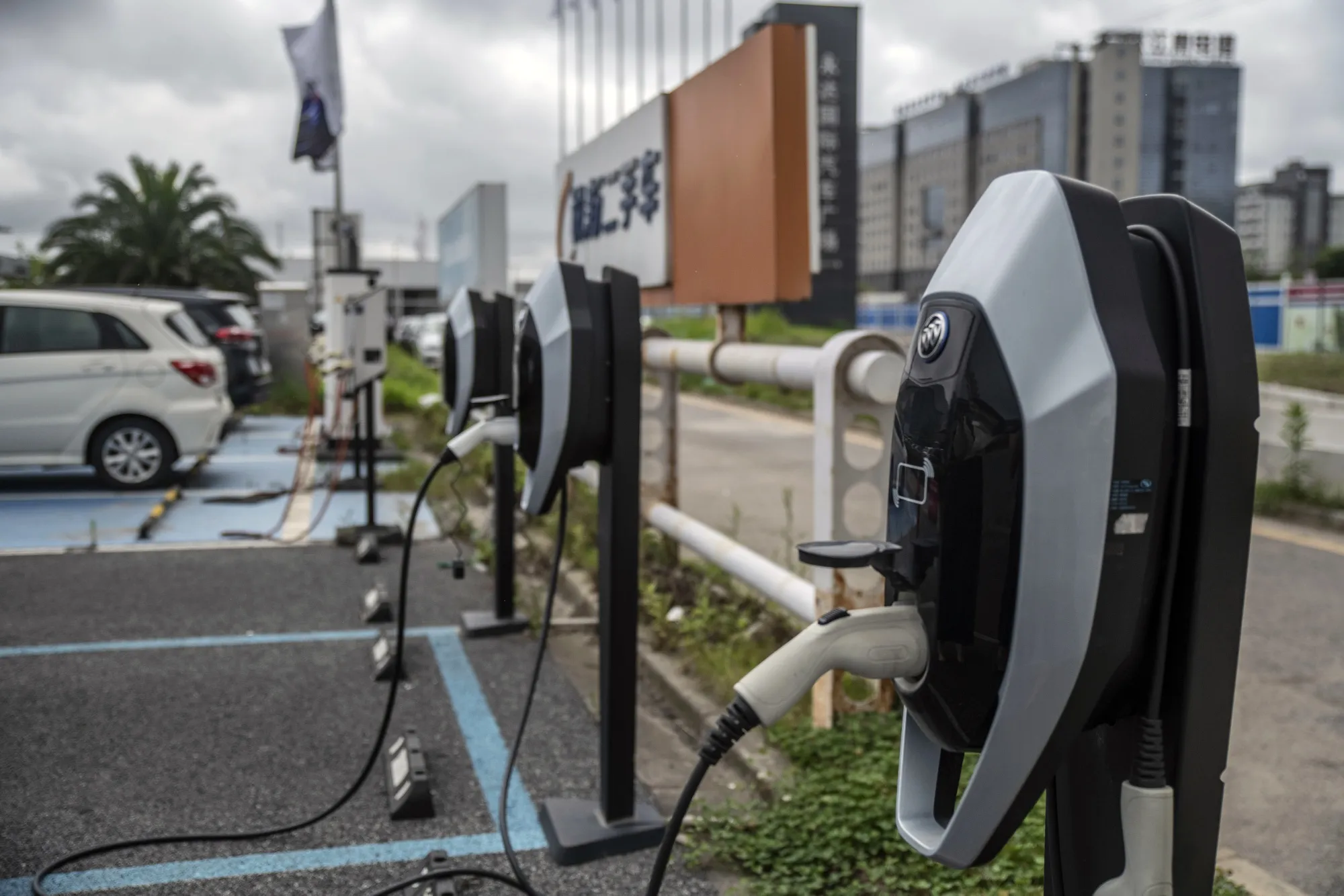
Expansion of public charging stations remains critical to consumer adoption. Urban fast charging networks and highway corridor stations reduce range anxiety and support long distance travel.
China EV competition is reinforced by coordinated infrastructure planning. Integration with renewable energy grids enhances environmental sustainability and reduces operational costs.
Innovations in battery swapping technology are also gaining attention, offering alternative solutions for rapid refueling.
Consumer Behavior and Market Segmentation
Chinese consumers exhibit strong responsiveness to technological differentiation. Smart dashboards, autonomous features, and over the air software upgrades influence purchasing decisions.
Price competition continues, but brand loyalty increasingly depends on digital ecosystem integration. China EV competition drives manufacturers to prioritize user experience and seamless connectivity.
Young urban buyers demonstrate particular interest in sustainable mobility options, reinforcing market expansion.
Risks and Overcapacity Concerns
Rapid production growth has prompted debate regarding potential overcapacity. Analysts caution that excessive supply could trigger pricing wars and erode profitability.
China EV competition must balance expansion with sustainable demand. Export diversification partially mitigates domestic saturation, but long term equilibrium will require strategic planning.
Trade tensions also represent a risk factor. Tariff adjustments and regulatory changes in foreign markets could influence export trajectories.
Historic Comparison
The present transformation invites comparison with Japan’s automotive expansion in the late twentieth century. During that period, efficiency and quality improvements disrupted established manufacturers worldwide.
China EV competition represents a similar structural inflection point, though it unfolds in a more digitally interconnected environment. Unlike earlier industrial shifts, today’s competition emphasizes software ecosystems, battery science, and artificial intelligence integration alongside manufacturing scale.
This historic comparison underscores how rapidly technological leadership can evolve when innovation, policy alignment, and capital converge.
Industry Perspective
A senior automotive strategist in Beijing observed,
“What distinguishes this era is the speed of integration. Vehicles are no longer isolated products but connected platforms, and success depends on mastering both hardware and digital ecosystems.”
Regional Industrial Clusters
Beyond Beijing and Shanghai, manufacturing clusters in Guangdong and Anhui provinces are expanding capacity. These regions specialize in battery assembly, vehicle design, and component production.
China EV competition benefits from geographic diversification that strengthens supply chain resilience. Provincial governments are offering incentives to attract research facilities and technology startups.
Collaboration between universities and manufacturers accelerates product innovation cycles and talent development.
Environmental Strategy and Sustainability
Electrification contributes to emission reduction targets. Renewable energy integration into charging infrastructure enhances environmental benefits.
China EV competition supports sustainability objectives, yet challenges remain regarding battery recycling and resource management. Research into circular economy models aims to address these concerns.
Policymakers emphasize responsible growth that balances industrial expansion with ecological stewardship.
Technological Convergence
Artificial intelligence integration, autonomous driving systems, and vehicle to grid communication represent emerging frontiers. Manufacturers are embedding predictive maintenance algorithms and smart diagnostics into next generation models.
China EV competition increasingly revolves around digital differentiation. Continuous software updates and user interface enhancements create recurring engagement beyond the point of sale.
Technological convergence blurs boundaries between automotive manufacturing and technology services sectors.
Global Strategic Outlook
Looking ahead to 2027 and beyond, consolidation within the domestic market is likely. Smaller firms may merge or exit as larger manufacturers scale operations.
China EV competition will likely expand further into Europe and emerging markets, influencing regulatory debates and industrial strategies worldwide. Partnerships with foreign technology firms may accelerate innovation.
Export growth, domestic consumption trends, and policy adjustments will determine long term sustainability.
When Innovation Becomes Industrial Identity
The developments unfolding in 2026 illustrate how electric mobility has become central to national economic strategy. What began as policy supported experimentation has matured into a globally influential sector.
China EV competition symbolizes a new chapter in industrial leadership defined by scale, technology integration, and coordinated planning. Manufacturers are redefining expectations around cost, performance, and connectivity.
As markets adapt to this transformation, the competitive landscape will continue evolving. The trajectory suggests that China EV competition is not merely a domestic phenomenon but a structural force reshaping the global automotive industry for years to come.