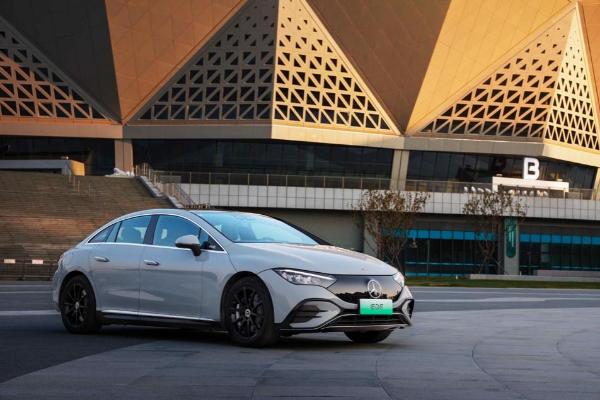
China, April 17, 2026 (Parliament Politics Magazine) China EV partnership developments are drawing worldwide attention after reports confirmed that Seres will join BMW and Mercedes-Benz as an equal shareholder in a major automotive joint venture. The announcement is being viewed as a powerful sign that China’s electric vehicle sector continues to reshape the future of global transportation.
The agreement brings together one rising Chinese automaker and two of Europe’s most respected premium brands. Analysts say the move could strengthen their position in the fast-changing electric vehicle market while responding to growing pressure from domestic Chinese competitors.
“This partnership reflects where the auto industry is heading — global brands need speed, scale, and local innovation.”
Why This China EV Partnership Matters
The China EV partnership is important because it places Seres on equal ownership terms with BMW and Mercedes-Benz. That alone sends a message that Chinese manufacturers are no longer secondary players in joint ventures.
China has become the center of EV growth, battery innovation, and smart vehicle technology. Global brands increasingly need Chinese partnerships not just for market access, but for survival and competitiveness.
Equal ownership suggests that Seres now brings meaningful value in:
- EV engineering
- Battery systems
- Smart vehicle software
- Efficient manufacturing
- Market understanding
- Rapid innovation cycles
Seres Gains Global Recognition
Seres has grown quickly through investments in electric mobility and intelligent vehicle systems. Becoming part of a high-profile China EV partnership with BMW and Mercedes-Benz elevates its international status.
For years, Western luxury brands were seen as technology leaders. Now, Chinese automakers are increasingly setting the pace in several categories, especially EV affordability, battery range, and connected features.
This partnership could help Seres expand beyond China while learning from two premium automotive leaders.
Why BMW and Mercedes Need China
BMW and Mercedes-Benz remain global icons, but competition in China has intensified dramatically. Domestic EV brands are attracting younger buyers with:
- Competitive pricing
- Advanced screens and software
- Long battery range
- Fast charging capabilities
- Frequent product updates
The China EV partnership may help BMW and Mercedes move faster, reduce costs, and stay relevant in the world’s largest car market.
China is no longer just a place to sell cars. It is now where many automotive trends begin.
A New Era of Equal Partnerships
Traditional joint ventures often gave foreign brands the upper hand through prestige and engineering advantages. That balance is changing.
Chinese companies now lead in:
- Battery manufacturing scale
- EV platform speed
- Consumer digital preferences
- Integrated supply chains
- Lower-cost production
That is why equal ownership in this China EV partnership is such a notable shift.
It reflects a world where Chinese firms increasingly negotiate from strength.
Investor Reaction and Market Outlook
Investors typically favor strategic alliances when they improve efficiency and growth potential. The China EV partnership may be viewed positively because it could create:
- Shared research and development costs
- Faster vehicle launches
- Better factory utilization
- Stronger premium EV competition
- Improved margins over time
However, markets will still monitor risks such as governance structure, leadership conflicts, and execution timelines.
If the companies align successfully, the deal could become a model for future global partnerships.
What It Means for Consumers
Consumers may benefit if the China EV partnership leads to better products and more competitive pricing.
Possible advantages include:
- New premium EV models
- Better technology features
- Improved battery performance
- Lower production costs
- Faster innovation
- Stronger customer service networks
Chinese consumers may see the first wave of results, but international markets could benefit later as new models expand globally.
Could This Influence Global EV Prices?
Yes. Joint ventures often create economies of scale. Shared platforms, components, and battery sourcing can lower costs.
That means the China EV partnership may place pressure on rivals to cut prices or improve features. Consumers worldwide could gain from stronger competition.
Automakers that fail to adapt may lose market share as the EV race accelerates.
Risks Still Exist
Even strong partnerships face obstacles. Challenges could include:
- Brand identity conflicts
- Technology sharing concerns
- Political tensions
- Slower EV demand growth
- Regulatory changes
- Cultural management differences
The success of this China EV partnership depends on execution, not just headlines.
Why 2026 Is a Turning Point
The automotive industry is entering a historic transition. Gas-powered vehicles are gradually losing dominance while electric mobility, software, AI systems, and battery innovation become central.
This makes 2026 an important year.
Deals like the China EV partnership show companies are repositioning now for the next decade.
“The future auto leaders may be those willing to partner today.”
What Comes Next
Industry observers will now watch for:
- New EV product announcements
- Factory expansion plans
- Battery sourcing strategies
- Export growth opportunities
- Premium brand collaboration details
- Financial impact on each company
If momentum continues, this alliance could reshape expectations for luxury EV competition worldwide.
China EV Partnership Summary and Market Impact
The China EV partnership between Seres, BMW, and Mercedes-Benz represents a major shift in global auto strategy. Equal ownership highlights China’s growing leverage in the EV era and confirms that Chinese automakers are now central players in international deals.
For BMW and Mercedes-Benz, the partnership may strengthen competitiveness in China. For Seres, it offers global credibility and new opportunities.
For consumers and investors, the message is clear: the future of mobility is becoming more collaborative, more competitive, and increasingly centered in China.