

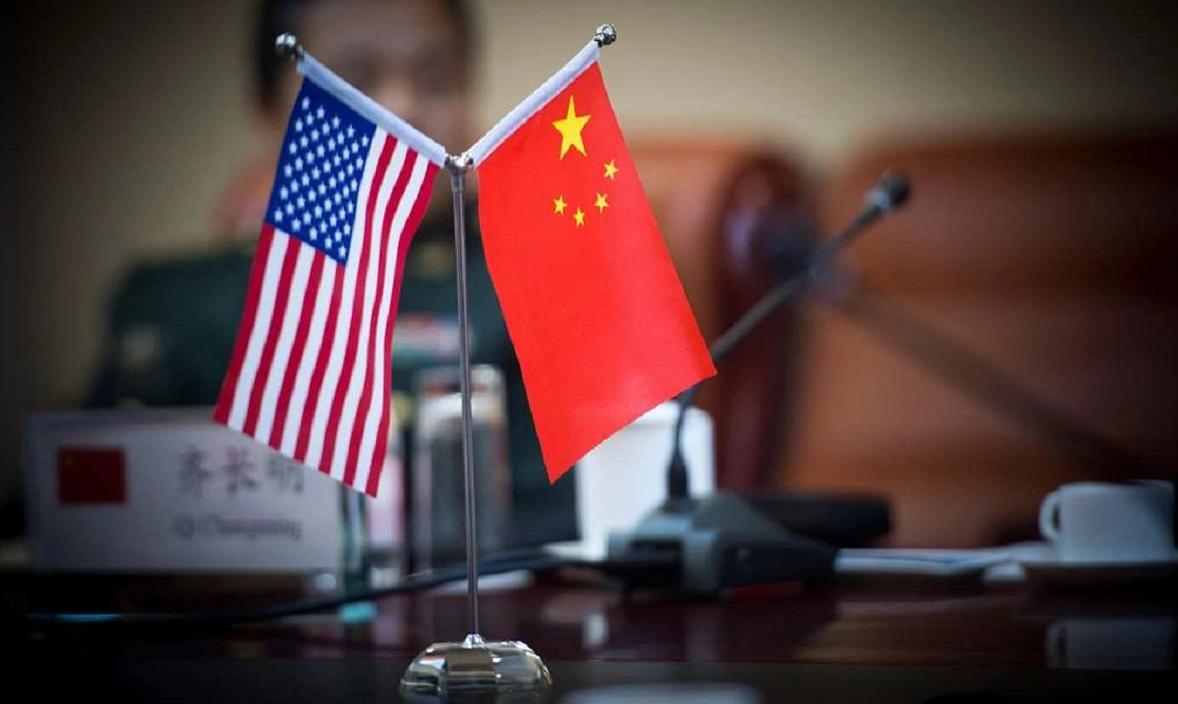
China trade agreement discussions intensified after high-level meetings in Beijing during 2026.
Trade officials focused on tariffs, agricultural exports, and supply chain stability.
Global markets reacted positively to signs of improving U.S.-China economic relations.
BEIJING, China (Parliament Politics Magazine) The latest discussions surrounding a China trade agreement captured global attention this week after senior officials signaled progress toward improved economic cooperation following high-level meetings between Chinese and American leaders in Beijing.
The summit generated strong interest across financial markets, agricultural sectors, manufacturing industries, and global shipping networks as investors searched for signs that the world’s two largest economies may be moving toward a more stable trade relationship after years of tariff disputes and supply chain disruptions.
Officials involved in the negotiations focused heavily on tariff reductions, expanded agricultural access, manufacturing stability, and broader economic cooperation. Analysts believe any major China trade agreement could significantly influence international trade flows, commodity prices, and investor confidence during the remainder of 2026.
“Global markets respond quickly when the United States and China show signs of improving economic cooperation,”
one international trade strategist said during a televised market discussion.
Key Indicators Driving the China Trade Agreement in 2026
| Trade Indicator | Current Trend | Market Impact |
|---|---|---|
| U.S.-China Relations | Improving Signals | Investor optimism |
| Agricultural Exports | Expansion Talks | Commodity gains |
| Manufacturing Activity | Stabilizing | Supply chain confidence |
| Tariff Policies | Under Review | Trade optimism |
| Global Markets | Mixed Gains | Economic confidence rises |
The latest economic developments demonstrated why the proposed China trade agreement remains one of the most important international business stories of 2026.
Beijing Summit Focuses on Economic Stability
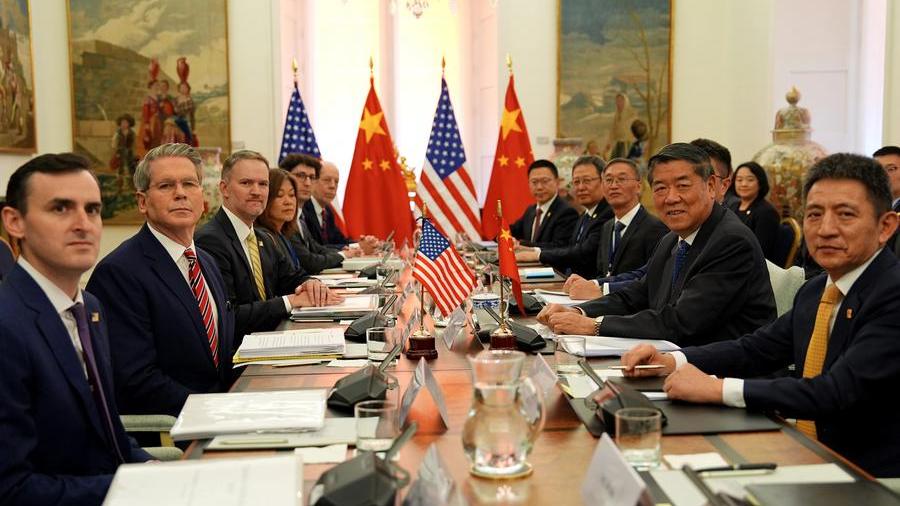
The Beijing summit placed trade cooperation at the center of international discussions as both governments attempted to reduce economic uncertainty and stabilize global supply chains.
The proposed China trade agreement reportedly includes discussions involving agricultural imports, industrial manufacturing, shipping logistics, and technology-related trade policies.
Economic analysts said both countries face increasing pressure to support growth during a period of slowing global demand and elevated inflation concerns.
Several investors interpreted the summit as a positive sign that policymakers may seek economic cooperation instead of escalating trade conflicts that previously disrupted global commerce.
Financial markets across Asia and Europe reacted cautiously optimistic following reports of productive negotiations.
Agricultural Markets Watch Trade Negotiations Closely
Agricultural exporters and commodity traders are paying particularly close attention to the developing China trade agreement because China remains one of the world’s largest importers of food products and agricultural commodities.
Discussions involving expanded farm market access created optimism among exporters seeking stronger demand from Chinese buyers.
Commodity analysts noted that increased agricultural trade could benefit farmers, shipping companies, and food manufacturers operating across multiple countries.
The possibility of reduced tariffs also raised hopes for lower trade costs and improved export opportunities during the second half of 2026.
“Agriculture often becomes a leading indicator of broader trade cooperation between major economies,”
one commodity market expert explained during a global economics conference.
The agricultural sector remains highly sensitive to international trade policy changes due to its dependence on stable export relationships.
Financial Markets Respond to Trade Optimism
Investors worldwide responded positively to reports involving the potential China trade agreement, particularly in sectors connected to manufacturing, logistics, agriculture, and international shipping.
Asian stock markets recorded moderate gains while several multinational corporations with global supply chains experienced stronger investor interest.
Market strategists said improving trade relations could eventually reduce business uncertainty and support stronger economic activity worldwide.
However, analysts also warned that negotiations remain ongoing and future policy details will determine whether optimism translates into lasting market stability.
Market Reactions Following Trade Talks
| Sector | Investor Response |
|---|---|
| Agricultural Commodities | Prices moved higher |
| Shipping Industry | Positive sentiment |
| Manufacturing Stocks | Moderate gains |
| Technology Sector | Cautious optimism |
| Energy Markets | Stable performance |
The proposed China trade agreement remains a central focus for investors evaluating future global growth conditions.
Manufacturing and Supply Chains Could Benefit
The ongoing discussions surrounding a China trade agreement carry major implications for international manufacturing and supply chain operations.
Businesses spent years adapting to higher tariffs, shipping disruptions, and geopolitical uncertainty that increased operating costs and delayed production schedules.
Several multinational corporations diversified supply chains away from China during previous trade disputes, while others attempted to balance manufacturing operations across multiple countries.
Analysts believe reduced tariffs and improved trade cooperation could potentially lower certain production expenses while supporting smoother international commerce.
However, some economists cautioned that businesses remain careful because geopolitical competition continues influencing long-term investment decisions.
Historical Trade Tensions Continue Shaping Negotiations
The push toward a new China trade agreement follows years of trade disputes that reshaped international economic relationships and global supply chain strategies.
Tariffs imposed during earlier disputes affected billions of dollars in goods while increasing costs for manufacturers, retailers, and consumers worldwide.
Historical Cycles Table
| Year | Trade Event | Economic Impact |
|---|---|---|
| 2018 | Major tariff disputes begin | Global market volatility |
| 2020 | Phase One agreement signed | Temporary stabilization |
| 2022 | Supply chain disruptions continue | Inflation pressures rise |
| 2026 | Beijing summit negotiations | Investor optimism improves |
Trade historians noted that economic cooperation between major powers often shifts through periods of tension followed by renewed negotiation efforts.
“Trade relationships between powerful economies evolve through cycles of competition and cooperation depending on economic conditions,”
one international economics professor stated during a policy forum in Beijing.
China’s Economic Priorities Continue Evolving
The latest China trade agreement discussions also reflect Beijing’s broader economic strategy aimed at maintaining stable growth while supporting exports, manufacturing, and consumer confidence.
China continues facing pressure from weaker property markets, slower manufacturing growth, changing demographics, and uncertain global demand conditions.
Government officials appear increasingly focused on policies that strengthen international trade relationships while supporting domestic economic stability.
Several analysts believe improved trade cooperation with major global economies may help reduce economic pressure affecting Chinese manufacturing and export sectors.
Energy and Commodity Markets Monitor Developments
Commodity traders and energy investors are also closely following developments involving the proposed China trade agreement because stronger economic cooperation could influence global demand forecasts.
China remains one of the world’s largest consumers of industrial materials, energy products, and agricultural commodities.
Improved trade relations may support commodity demand while strengthening broader market confidence.
Oil prices remained relatively stable after the summit, although analysts warned inflation concerns and geopolitical tensions continue affecting market volatility.
Investors Seek Long-Term Economic Stability
Global investors continue searching for signs that governments are prioritizing economic cooperation instead of prolonged trade confrontation.
The latest developments surrounding the China trade agreement provided cautious optimism that policymakers may seek more predictable economic relationships during a fragile global recovery period.
Financial analysts emphasized that investor confidence often strengthens when major economies pursue negotiation and cooperation rather than additional tariffs and restrictions.
However, economists also stressed that long-term success depends on whether future agreements produce measurable economic improvements.
Outlook for Global Trade in 2026
The future impact of the proposed China trade agreement may ultimately depend on how aggressively policymakers pursue broader economic reforms and tariff reductions.
Exporters, manufacturers, shipping firms, and investors are expected to closely monitor future announcements regarding trade agreements, tariffs, and agricultural market access.
Economists believe stronger communication between global powers could help reduce economic uncertainty while supporting international trade growth throughout 2026.

Trade Cooperation Could Shape Global Markets
The latest summit discussions demonstrated the growing importance of international economic cooperation during a period of fragile global growth and geopolitical uncertainty. Progress involving a potential China trade agreement offered investors, exporters, and manufacturers renewed optimism after years of trade disputes and supply chain disruptions.
While major challenges remain, the negotiations highlighted how deeply connected the global economy has become. The coming months may determine whether these discussions evolve into broader agreements capable of reshaping trade relationships, investment flows, and economic confidence worldwide.