

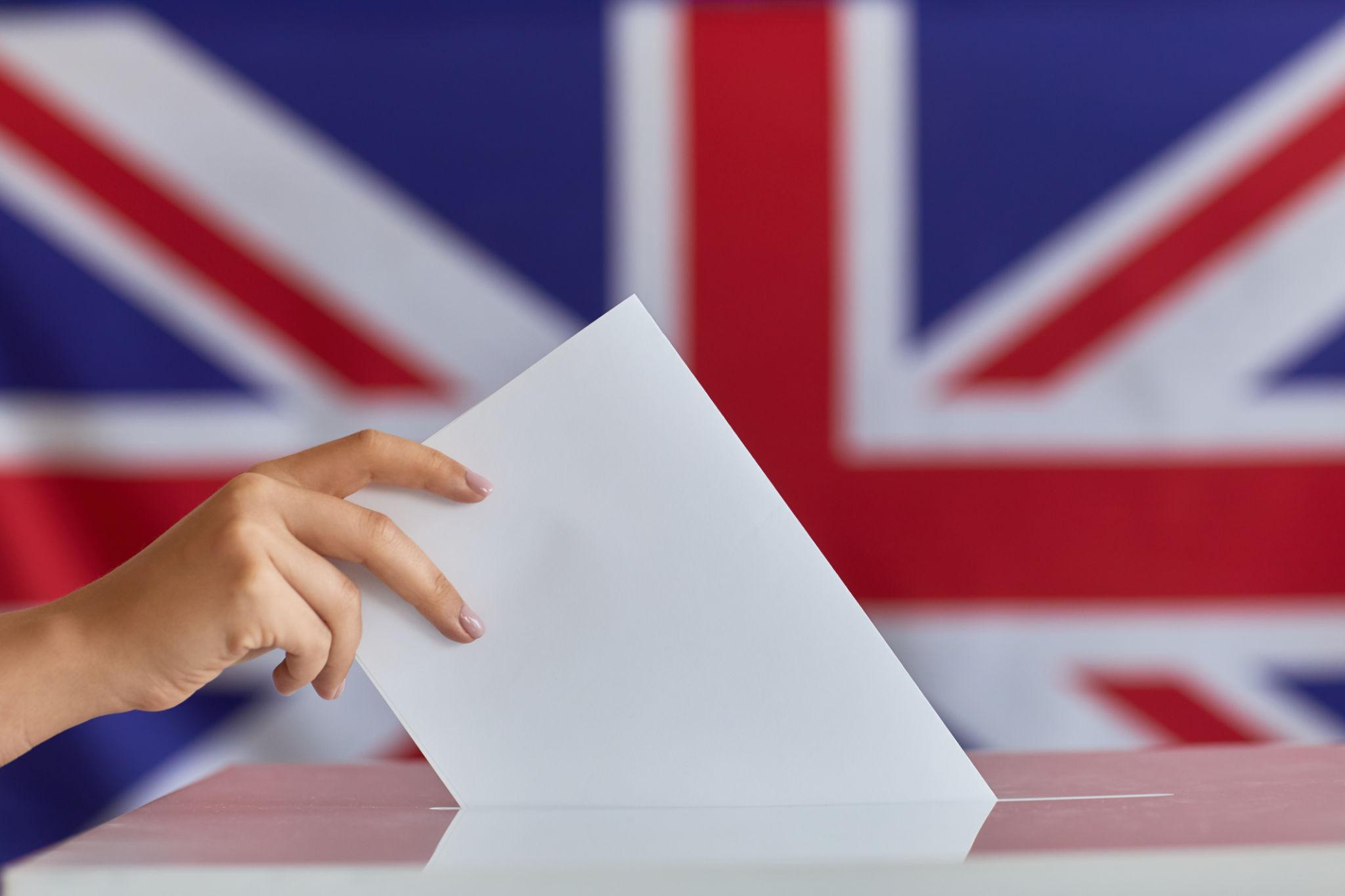
UK political parties are intensifying campaign efforts as new voter trends reshape the national debate in 2026.
Analysts say economic concerns, immigration policies, and leadership trust are central to the evolving UK election strategy.
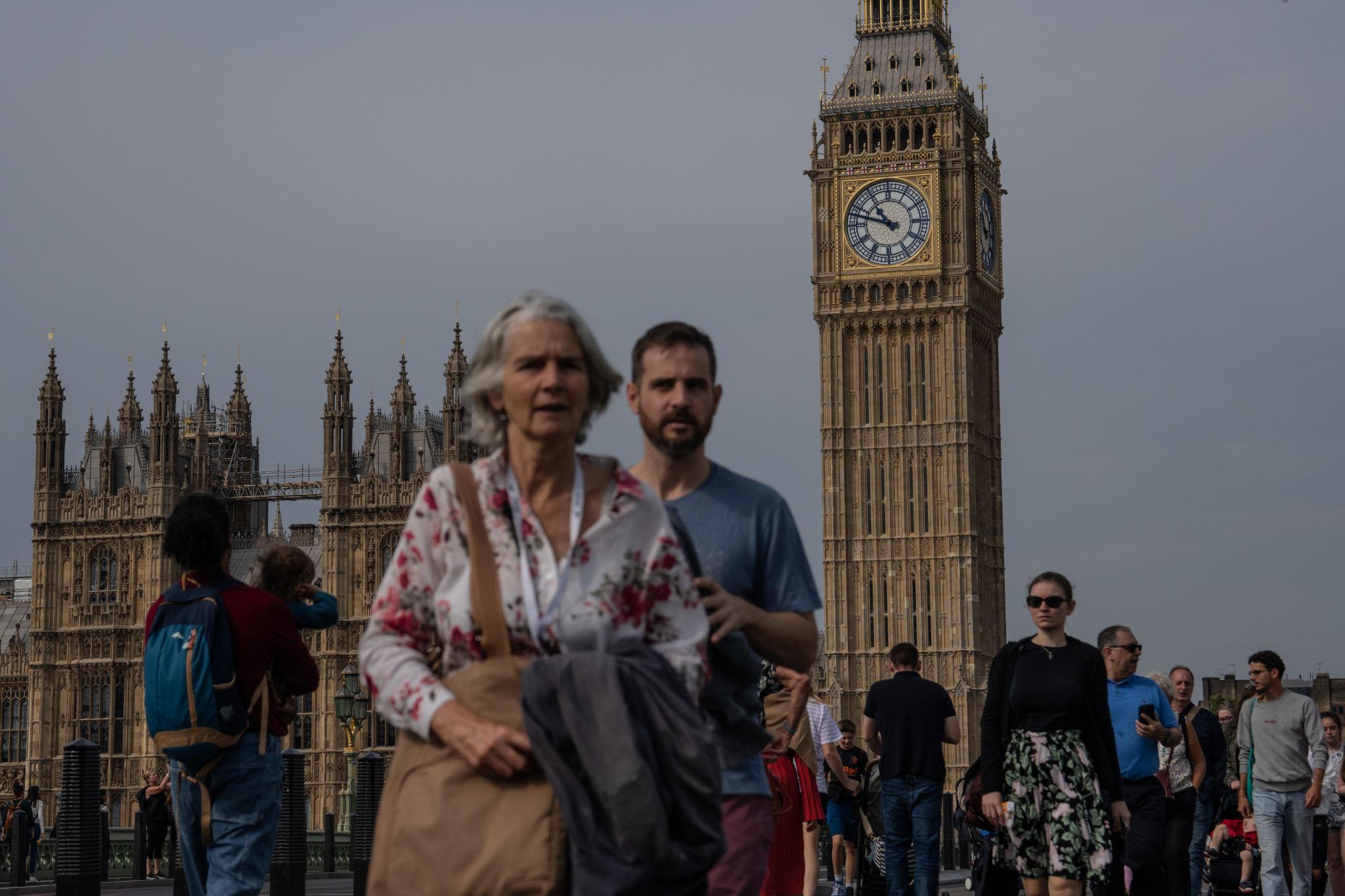
London remains the center of political planning as parties prepare for future parliamentary battles across Britain.
London, United Kingdom (Parliament Politics Magazine) UK election strategy has become one of the most closely watched political topics in Britain as political parties reposition themselves following months of economic pressure, immigration debates, and changing voter expectations. Across Westminster, campaign advisers are redesigning messaging strategies aimed at reconnecting with frustrated voters ahead of future national contests.
Political analysts believe Britain is entering a defining political period where public trust, economic recovery, healthcare performance, and national security are likely to determine which parties gain momentum. The discussion surrounding UK election strategy is now shaping parliamentary speeches, media appearances, digital outreach, and local campaign operations throughout the country.
Both governing and opposition parties are attempting to appeal to middle-income families struggling with inflation, housing affordability, and public service concerns. Experts say the political environment has become more competitive than at any point in recent years.
“Modern elections are no longer won only through party loyalty — they are won through trust, consistency, and economic confidence,”
one London-based political analyst said.
Key UK Election Strategy Trends
| Category | Current Political Trend |
|---|---|
| Economic Concerns | High voter priority |
| Immigration Debate | Intensifying nationally |
| Healthcare Pressure | Major NHS concerns |
| Youth Voter Influence | Growing rapidly |
| Digital Campaigning | Central campaign tool |
| Regional Divides | Increasing political importance |
| Public Trust in Leadership | Under pressure |
Why Political Parties Are Rebuilding Campaign Operations
Political strategists across Britain are investing heavily in voter analytics, local outreach programs, and digital media targeting. Many campaign teams believe traditional political advertising is losing effectiveness as younger voters consume information through social media platforms and independent news outlets.
The modern UK election strategy now focuses heavily on localized issues instead of relying solely on broad national promises. Campaign advisers are tailoring messages to regional economic conditions, employment concerns, and infrastructure problems affecting individual communities.
In London, Manchester, Birmingham, Liverpool, and other major cities, political organizers are prioritizing door-to-door engagement and online voter education campaigns. Rural areas, meanwhile, remain highly important due to concerns involving farming policies, taxation, and energy prices.
Economic Pressure Dominates the Political Debate
The British economy remains one of the most important factors influencing political planning. Rising household expenses, housing shortages, and energy costs continue to shape voter attitudes nationwide.
Political parties understand that any successful UK election strategy must address everyday financial pressures experienced by millions of families. Analysts say voters increasingly want detailed solutions rather than broad political slogans.
Several political groups are emphasizing:
- Tax reform proposals
- Housing development initiatives
- Business growth incentives
- Energy security planning
- Public transportation investments
- Healthcare funding increases
Economic credibility is expected to remain one of the most decisive factors in future British elections.
“Voters are demanding practical results instead of political theater,”
a parliamentary observer stated during a recent policy discussion in Westminster.
Immigration and Border Security Remain Key Issues
Immigration policy continues to divide political opinion throughout Britain. Public debates involving asylum policies, border enforcement, workforce shortages, and legal migration pathways are expected to remain central topics moving forward.
The evolving UK election strategy among several parties now includes stronger messaging related to border security while simultaneously attempting to balance labor market demands and humanitarian obligations.
Political analysts note that immigration discussions often influence broader concerns regarding public services, housing demand, and employment competition. As a result, parties are carefully crafting policy language designed to avoid alienating moderate voters.
This issue is expected to play a major role in future televised debates and campaign advertising.
Digital Media Is Changing Modern Elections
Social media has transformed how campaigns communicate with voters. Political organizations are increasingly investing in short-form videos, livestream events, influencer partnerships, and targeted advertising campaigns.
Experts say digital outreach has become a critical element of every successful UK election strategy because younger voters are consuming less traditional television news and newspaper coverage.
Campaign teams are now monitoring:
- TikTok engagement trends
- YouTube political commentary
- Facebook community groups
- Instagram campaign branding
- X political discussions
- Independent podcast audiences
Digital communication also allows parties to respond rapidly to breaking political developments.
However, misinformation concerns remain a growing challenge. Political regulators and media experts continue discussing possible reforms involving transparency requirements for online political advertising.
Historical Cycles of British Political Change
British politics has historically experienced major shifts during periods of economic uncertainty and public dissatisfaction. Political historians note that electoral realignments often emerge when voters lose confidence in institutional leadership.
Historical Cycles Table
| Period | Political Climate | Result |
|---|---|---|
| 1979 | Economic instability | Conservative shift |
| 1997 | Desire for modernization | Labour landslide |
| 2010 | Financial crisis concerns | Coalition government |
| 2016 | Brexit referendum divisions | Political realignment |
| 2026 | Economic and social pressure | Strategy transformation underway |
The current political environment is drawing comparisons to previous periods where voter frustration triggered significant electoral changes.
Leadership Image Becoming More Important
Political image management has become a major factor in campaign planning. Public perception of leadership competence often influences undecided voters more strongly than policy details alone.
Parties are increasingly focusing on:
- Leadership authenticity
- Crisis management performance
- Media communication skills
- Economic credibility
- Debate effectiveness
The UK election strategy used by major parties now places greater emphasis on personal leadership branding than in previous decades.
Political consultants say public trust has become increasingly fragile following years of political conflict, economic volatility, and international crises.
“Leadership perception can change an entire election within weeks,”
a veteran campaign strategist recently explained.
Regional Politics Could Shape Future Outcomes
Regional political identity is becoming increasingly important across Britain. Scotland, Wales, Northern Ireland, and northern England all continue to display unique political concerns that influence national election outcomes.
Several campaign operations are now using region-specific messaging to address local economic conditions and cultural priorities. Political observers say this localized approach is becoming a defining characteristic of modern British campaigns.
Issues frequently discussed include:
- Devolution powers
- Transportation infrastructure
- Local business investment
- Energy development
- NHS regional performance
- Industrial job creation
This regional focus is expected to remain central to future election planning.
Public Frustration Creates Political Opportunity
Many voters across Britain express frustration regarding living costs, public service delays, and political polarization. Analysts believe this dissatisfaction creates opportunities for both established parties and smaller political movements.
The evolving UK election strategy now includes stronger efforts to reconnect with working-class communities and younger voters who increasingly distrust traditional political institutions.
Political commentators say future election outcomes may depend on which parties appear most capable of delivering measurable improvements instead of symbolic promises.