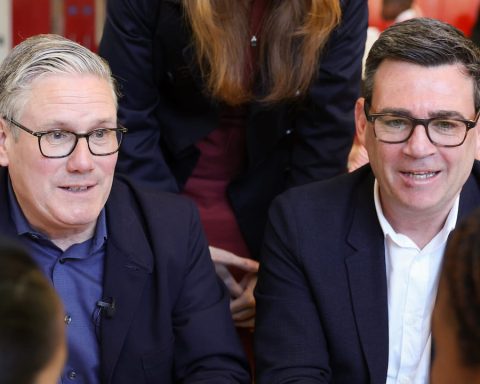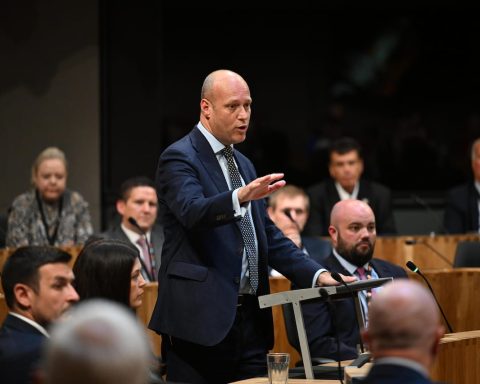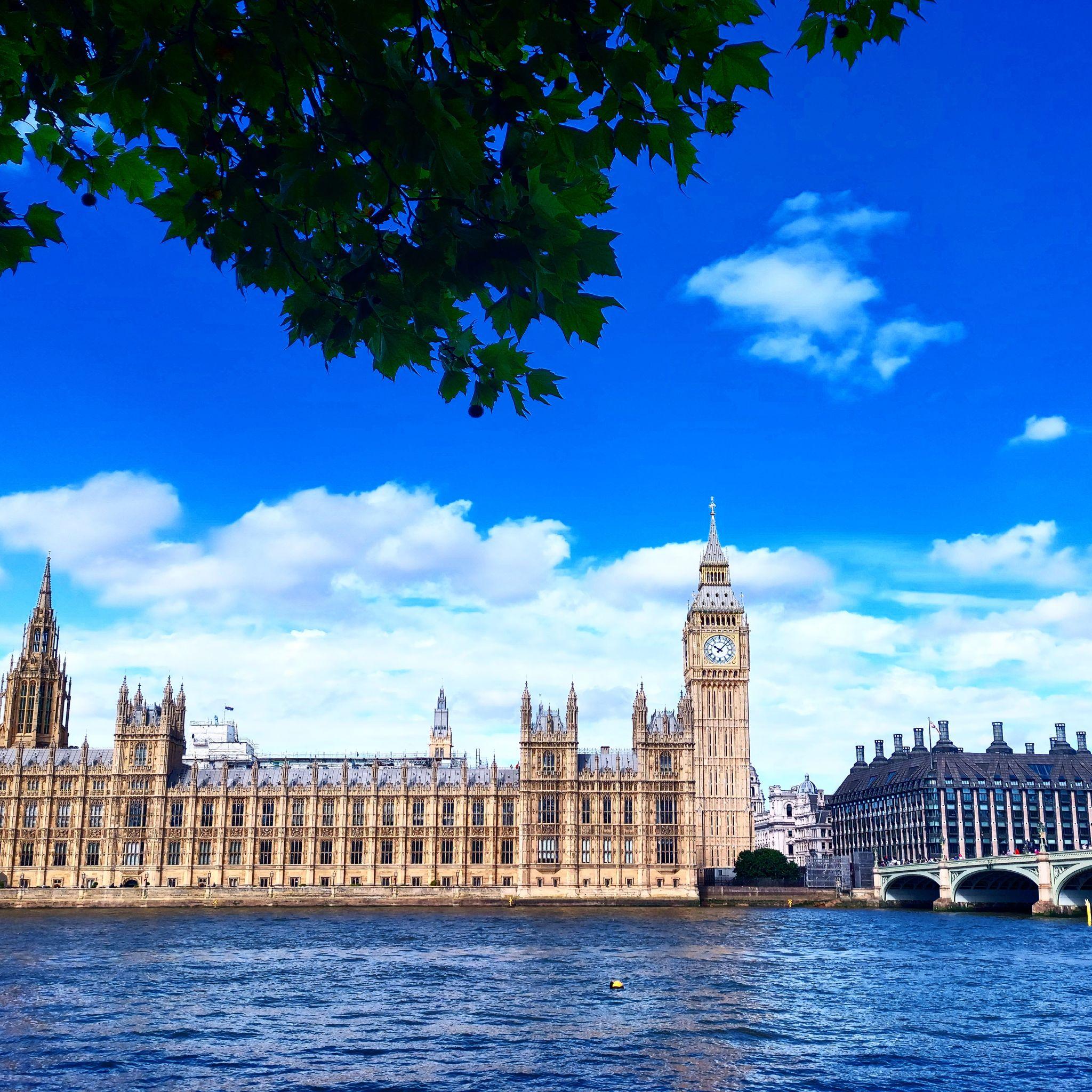
The UK political crisis escalated in London during 2026 amid rising economic and leadership tensions.
Investors reacted cautiously as government divisions increased uncertainty across financial markets.
Analysts warned Britain faces mounting pressure from inflation, weak growth, and public frustration.
LONDON, United Kingdom (Parliament Politics Magazine) The UK political crisis continued dominating national and international headlines this week as mounting economic pressure, growing political divisions, and public frustration increased uncertainty across Britain. Investors, economists, and voters are closely watching developments inside Westminster as concerns grow over leadership stability, inflation, government spending, and slowing economic growth.
The situation intensified after lawmakers faced renewed criticism regarding taxation, public services, immigration policies, and economic management. Financial markets reacted cautiously throughout the week as investors attempted to evaluate the long-term impact of continued political instability.
Economic analysts warned that uncertainty surrounding the UK political crisis could weaken investor confidence if policymakers fail to provide clear long-term economic direction.
“Political instability creates hesitation in financial markets because investors depend on predictable leadership and economic planning,”
one London-based economist said during a televised market discussion.
| Indicator | Current Trend | Impact |
|---|---|---|
| British Pound | Volatile | Investor caution |
| Inflation Rate | Elevated | Household pressure |
| Government Approval | Declining | Political uncertainty |
| Energy Costs | Rising | Consumer concerns |
| UK Markets | Mixed | Market instability |
The latest economic indicators highlighted growing pressure on both households and businesses throughout Britain.
Westminster Faces Growing Internal Divisions
The UK political crisis became more visible inside Parliament as divisions between political leaders intensified over taxation, public spending, healthcare funding, and economic priorities. Several lawmakers openly criticized current fiscal strategies while opposition parties accused government officials of failing to address rising living costs.
Public dissatisfaction has also increased as millions of households continue struggling with higher mortgage payments, food costs, and utility bills. Economic concerns are now dominating political discussions ahead of future election planning.
Political observers noted that uncertainty inside Westminster often spills into financial markets, especially during periods of economic weakness.
“Voters are increasingly frustrated because economic pressure continues while political arguments seem disconnected from everyday financial struggles,”
a British political analyst stated during a national television interview.
The ongoing disputes further complicated efforts to reassure businesses and investors already worried about slowing economic momentum.
Financial Markets React to Leadership Uncertainty
Global investors closely monitored the UK political crisis throughout the week as volatility affected both the British pound and domestic stock markets. Banking, retail, and real estate sectors experienced periods of weakness as traders responded to concerns surrounding economic policy direction.
Analysts warned that persistent political instability can discourage long-term investment because companies prefer stable regulatory and fiscal environments.
Several multinational firms reportedly delayed expansion decisions until greater clarity emerges regarding future government policies and economic reforms.
At the same time, international markets remain sensitive to geopolitical developments, energy prices, and central bank interest rate decisions.
Inflation and Living Costs Continue Fueling Public Anger
Rising living costs remain one of the biggest drivers behind the growing UK political crisis as households across Britain continue dealing with expensive groceries, housing costs, transportation expenses, and utility bills.
Although inflation has moderated compared to previous peaks, many consumers say daily costs remain significantly higher than before the global inflation surge began.
Public frustration has increasingly targeted policymakers accused of failing to protect middle-class families from worsening economic conditions.
Small business owners also expressed concern about operating costs, staffing expenses, and weaker consumer spending patterns.
Major Consumer Concerns in Britain
| Issue | Public Impact |
|---|---|
| Food Inflation | Reduced household spending |
| Mortgage Costs | Financial pressure on families |
| Energy Bills | Rising utility concerns |
| Public Services | Increased dissatisfaction |
| Economic Growth | Business uncertainty |
Economic experts warned that prolonged financial strain could continue influencing public opinion and political stability throughout 2026.
Historical Cycles of Political Instability in Britain
The current UK political crisis has also revived comparisons to previous periods of political and economic instability throughout British history. Historians and economists noted that Britain has periodically experienced cycles of political division during times of economic stress.
Historical Cycles Table
| Period | Major Issue | Economic Impact |
|---|---|---|
| 1970s | Inflation and labor strikes | Economic stagnation |
| Early 1990s | Recession and currency pressure | Housing market decline |
| 2008 Financial Crisis | Banking collapse concerns | Severe economic slowdown |
| Brexit Era | Trade and political divisions | Investor uncertainty |
| 2026 | Inflation and leadership instability | Market volatility |
Analysts believe understanding historical political cycles may help policymakers avoid repeating past mistakes.
“History shows that political instability combined with economic pressure can rapidly weaken public confidence,”
one British historian explained during a policy conference in London.
International Investors Monitor Britain Closely
Foreign investors remain highly focused on the UK political crisis because Britain continues serving as one of Europe’s largest financial centers. Any significant political or economic disruption could affect international investment flows and currency markets.
London’s financial district experienced another cautious trading week as investors evaluated government policy discussions and economic data releases.
Some economists warned that prolonged instability may weaken Britain’s competitive position compared to other global financial hubs.
However, others argued that Britain still maintains strong institutional structures capable of stabilizing markets over the long term.
Businesses Seek Greater Economic Clarity
Business leaders increasingly called for clearer economic direction as uncertainty surrounding the UK political crisis continues affecting confidence levels. Retailers, manufacturers, hospitality operators, and financial firms all expressed concern about long-term planning challenges.
Several industry groups urged policymakers to focus on economic growth strategies, infrastructure investment, and business incentives rather than continued political disputes.
Companies operating internationally also remain concerned about taxation policy changes and potential regulatory adjustments.
Economic analysts warned that reduced business investment could eventually slow hiring activity and broader economic expansion.
Public Trust in Leadership Faces Pressure
Another major issue driving the UK political crisis involves declining public trust in political institutions. Polling data throughout 2026 has shown increasing frustration among voters who believe government leaders are struggling to address economic realities effectively.
Public confidence often becomes fragile during periods of prolonged inflation and financial uncertainty.
Political strategists warned that continued dissatisfaction could influence future election outcomes and reshape Britain’s political landscape.
Observers also noted that modern social media and digital news cycles amplify public criticism much faster than in previous decades.
International Challenges Add Additional Pressure
The UK political crisis is unfolding while Britain also faces broader international economic challenges involving energy markets, global trade competition, geopolitical tensions, and slowing worldwide growth.
These external pressures complicate domestic policy decisions because governments must balance national priorities with international economic realities.
Rising geopolitical uncertainty in several global regions has also contributed to market volatility affecting Britain’s financial system.
Economic experts believe international cooperation may become increasingly important for stabilizing global growth conditions.
Outlook for Britain During the Rest of 2026
The long-term outcome of the UK political crisis may ultimately depend on whether political leaders can restore public confidence while improving economic conditions. Investors, businesses, and households all remain focused on inflation trends, government policy decisions, and market stability.
Financial analysts expect political developments to continue influencing market performance throughout the remainder of the year.
Although Britain continues facing serious economic and political pressure, many economists believe recovery remains possible if policymakers provide stronger leadership clarity and long-term planning.

Britain Enters a Defining Political and Economic Period
The events unfolding across Britain demonstrate how closely political leadership and economic stability remain connected. The UK political crisis has evolved into one of the most significant national challenges facing Britain in 2026 as households struggle with inflation, businesses demand economic certainty, and investors monitor political developments closely.
Whether leaders can restore confidence may determine not only Britain’s economic future, but also the country’s political direction for years ahead. As Westminster debates continue and public frustration grows, the coming months could become a defining period for the United Kingdom.