

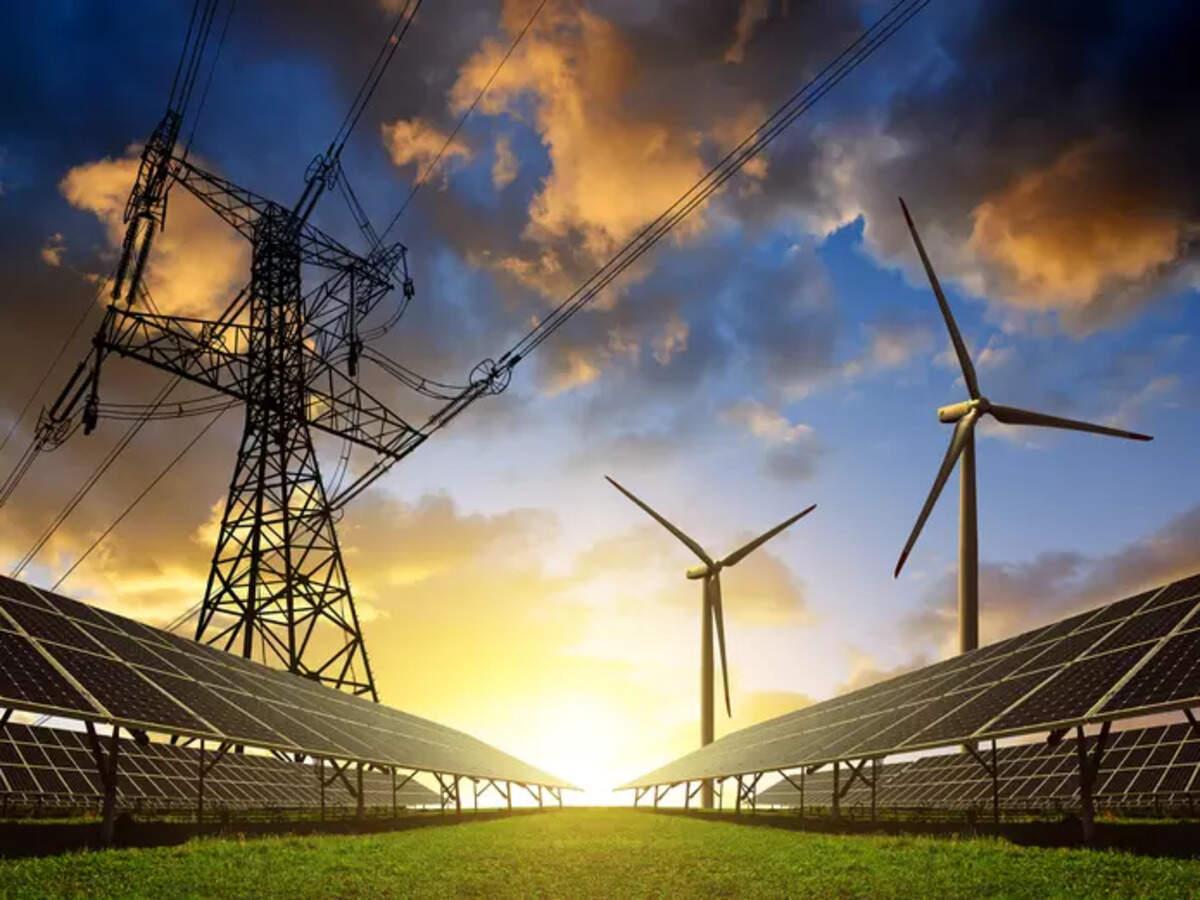
Solar energy expansion in India is accelerating as regulators continue blocking major coal power projects during 2026.
Rising renewable investment, growing electricity demand, and AI-driven infrastructure needs are reshaping India’s energy strategy.
Analysts say solar energy expansion could transform global energy markets as developing nations push toward cleaner power systems.
AHMEDABAD, India (Parliament Politics Magazine) Solar energy expansion efforts in India gained renewed momentum this week after regulators in one of the country’s leading renewable-energy states once again blocked a proposed 3.2 gigawatt coal-fired power project, intensifying debate over India’s future energy strategy.
The latest decision highlights how India is increasingly prioritizing renewable infrastructure as electricity demand continues rising across the country. Industry analysts say the ruling may influence future investment patterns not only in India but across Asia’s rapidly growing energy markets.
India remains one of the world’s fastest-growing economies and one of the largest consumers of electricity globally. As industrial growth, urban development, and technology infrastructure expand, the country faces mounting pressure to secure reliable long-term power generation while also reducing emissions.
The growing focus on solar energy expansion reflects broader global efforts to accelerate clean-energy investment during a period of rising climate concerns and increasing geopolitical competition surrounding energy security.
“India is becoming one of the most important renewable-energy markets in the world,”
one energy strategist said.
“The country’s decisions could shape global investment trends for years.”
India Pushes Renewable Infrastructure Growth
India has aggressively increased renewable-energy investment over the past decade as government leaders seek to modernize the country’s electricity infrastructure and reduce dependence on imported fuel sources.
The latest developments involving solar energy expansion demonstrate how renewable projects are increasingly competing directly against traditional coal infrastructure.
Analysts say several factors continue driving India’s renewable-energy growth, including:
- Falling solar panel costs
- International climate commitments
- Rising electricity demand
- Government incentive programs
- Private-sector investment
- Advances in energy-storage technology
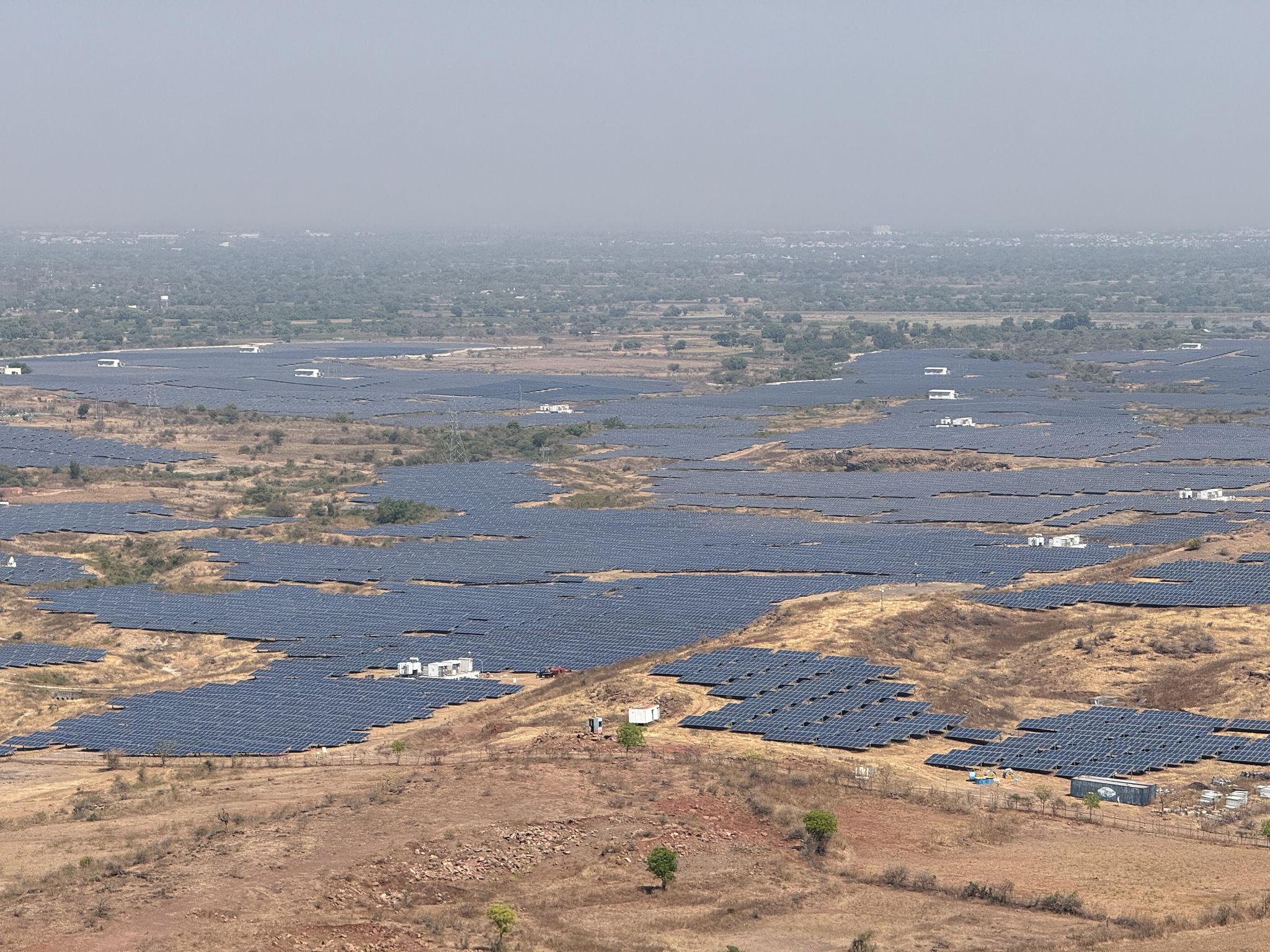
Large-scale solar farms continue expanding across multiple Indian states, particularly regions with high sunlight exposure and available land for infrastructure development.
The country’s renewable-energy goals are also attracting foreign investment from international energy firms and institutional investors seeking exposure to long-term clean-energy growth opportunities.
Coal Power Still Remains Essential
Despite the rapid rise of renewable infrastructure, coal remains deeply connected to India’s industrial economy and electricity generation system.
Supporters of the blocked coal project argue that renewable sources alone cannot yet provide the stable, continuous electricity supply required to support India’s manufacturing sector, urban expansion, and rising middle-class energy consumption.
The debate surrounding solar energy expansion therefore reflects broader questions facing developing economies worldwide as they attempt to balance environmental goals with economic growth.
Coal continues supplying a substantial portion of India’s electricity because it remains relatively affordable and domestically available compared with imported fuel alternatives.
Some infrastructure analysts caution that moving away from coal too rapidly could create risks involving:
- Electricity shortages
- Grid instability
- Rising industrial energy costs
- Manufacturing slowdowns
- Infrastructure delays
Others argue renewable technologies are now advancing quickly enough to reduce long-term dependence on fossil fuels.
Investors Increase Focus on Renewable Projects
Global investors are increasingly viewing India as one of the most important growth markets connected to solar energy expansion.
Renewable-energy developers, sovereign wealth funds, and infrastructure firms continue investing billions into:
- Solar farms
- Battery storage systems
- Smart-grid infrastructure
- Green hydrogen development
- Transmission modernization
- Clean-energy technology
Industry observers say India’s renewable sector benefits from strong long-term demand because the country’s electricity consumption is expected to continue rising significantly over the next decade.
At the same time, investors remain cautious regarding grid reliability, regulatory consistency, and financing challenges tied to large-scale infrastructure development.
The blocked coal project may nevertheless strengthen confidence among renewable investors who believe government policy is increasingly shifting toward clean-energy priorities.
“Renewable energy is no longer viewed as an alternative industry,”
one infrastructure economist explained.
“It is becoming mainstream energy policy.”
Electricity Demand Continues Climbing Rapidly
India’s electricity demand continues expanding due to population growth, urbanization, digital infrastructure, and rising industrial activity.
Data centers, manufacturing facilities, transportation systems, and residential development all require increasing amounts of reliable power generation.
The rapid pace of solar energy expansion is therefore partly driven by the urgent need to support long-term economic growth without overwhelming existing infrastructure systems.
Industry analysts say India’s future energy strategy will likely involve a mixed portfolio including:
- Solar power
- Wind energy
- Coal generation
- Hydroelectric systems
- Natural gas infrastructure
- Battery storage technologies
Balancing these energy sources remains one of the country’s largest infrastructure challenges.
Global Energy Markets Watching India Closely
International energy markets are closely monitoring India’s policy direction because the country plays a growing role in global energy demand and climate discussions.
The latest developments tied to solar energy expansion may influence investment decisions throughout Asia and other emerging markets facing similar economic and environmental pressures.
Several developing nations are attempting to expand industrial output while simultaneously reducing emissions and modernizing aging power infrastructure.
India’s energy transition strategy may therefore become a model — or warning — for how other rapidly growing economies approach future energy planning.
Some analysts believe renewable infrastructure investment could eventually improve India’s long-term energy independence and reduce exposure to global fuel-price volatility.
Artificial Intelligence and Data Centers Increase Energy Needs
The expansion of artificial intelligence infrastructure and cloud computing systems is creating additional pressure on electricity grids worldwide.
India’s technology sector continues growing rapidly, increasing demand for high-capacity power systems capable of supporting:
- AI data centers
- Cloud computing operations
- Semiconductor manufacturing
- Telecommunications infrastructure
- Smart-city technologies
The acceleration of solar energy expansion may therefore become increasingly important as India positions itself within the global digital economy.
Technology firms are also showing greater interest in renewable-energy partnerships as corporations pursue sustainability commitments and long-term energy-cost stability.
“The future digital economy will require enormous amounts of electricity,”
one technology consultant said.
“Renewable infrastructure is becoming strategically important.”
Historical Perspective on India’s Energy Evolution
Historical Cycles of Energy Development in India
| Era | Major Energy Shift | National Impact |
|---|---|---|
| 1980s | Coal Expansion | Industrial growth support |
| 1990s | Economic Liberalization | Rapid electricity demand increase |
| 2000s | Infrastructure Modernization | Urban power-grid expansion |
| 2020s | Renewable Energy Boom | Solar and clean-energy acceleration |
Energy historians note that India’s economic transformation has always been closely tied to electricity infrastructure development.
Coal powered much of the country’s industrial rise during previous decades, while solar energy expansion now represents the next major phase of modernization.
Some analysts compare India’s renewable transition to earlier periods when telecommunications and internet infrastructure rapidly reshaped the country’s economy.
Climate Goals Continue Influencing Policy
Global climate initiatives continue increasing pressure on governments to reduce fossil-fuel dependence and accelerate clean-energy adoption.
India has participated in multiple international renewable-energy agreements while also emphasizing the importance of economic development and energy accessibility.
Environmental organizations welcomed the latest regulatory decision connected to solar energy expansion, arguing it demonstrates stronger commitment to sustainable infrastructure planning.
Critics, however, continue warning that renewable systems must scale rapidly enough to prevent future energy shortages.
The debate remains politically and economically sensitive because reliable electricity access is considered essential for long-term development.