

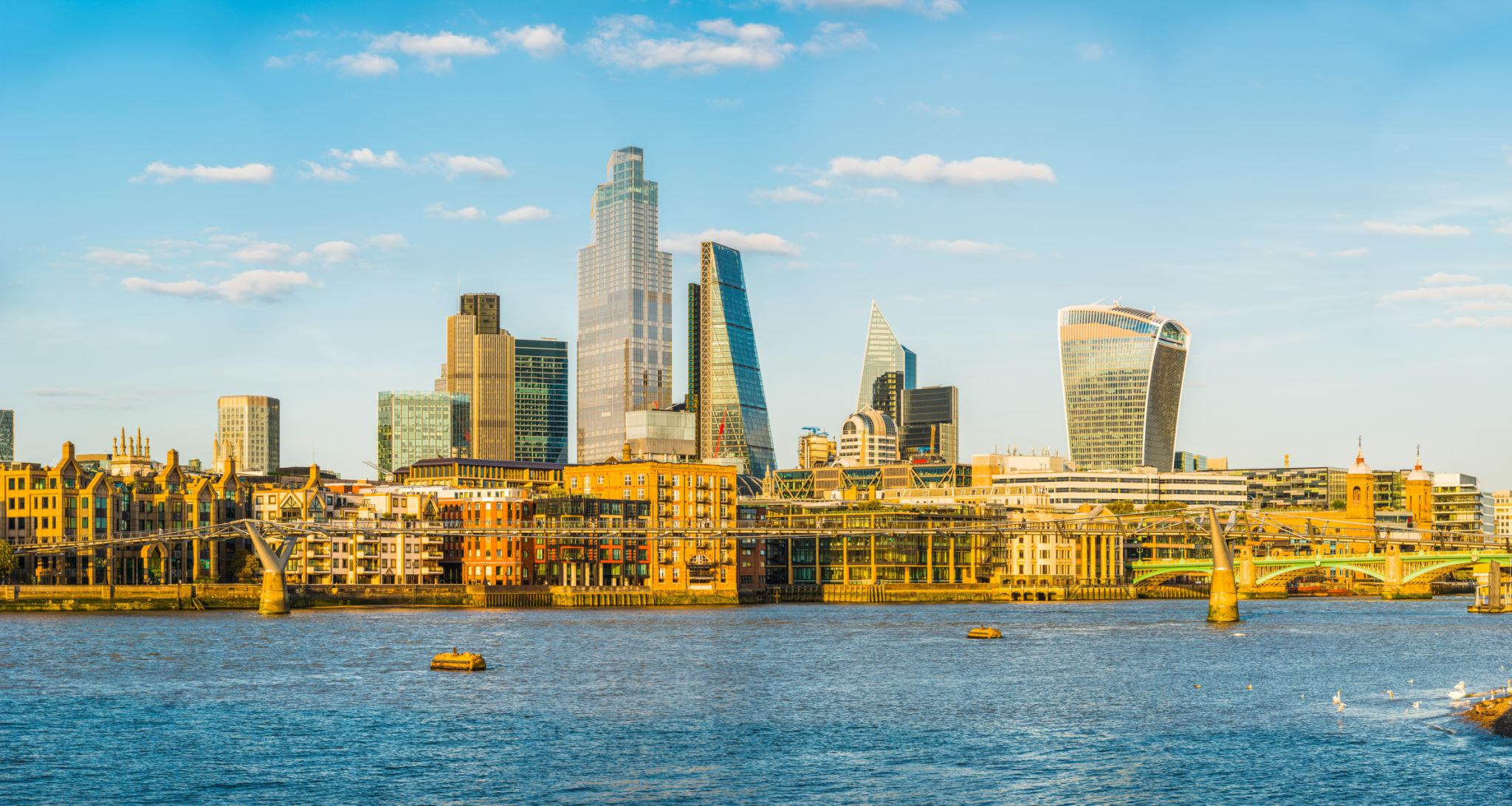
The UK investment climate remained under pressure during 2026 amid political and economic uncertainty.
Investors are closely watching inflation trends, financial reforms, and global market competition.
London continues competing with major global financial hubs for international capital and business growth.
LONDON, United Kingdom (Parliament Politics Magazine) The UK investment climate is facing renewed international scrutiny during 2026 as investors, business leaders, and policymakers evaluate Britain’s economic outlook amid rising inflation concerns, political uncertainty, financial market volatility, and growing global competition.
London remains one of the world’s largest financial centers, yet mounting economic pressure and changing investor sentiment are creating new challenges for Britain’s long-term growth strategy. Analysts say international businesses are increasingly cautious while monitoring taxation policies, banking reforms, infrastructure spending, and future interest rate decisions.
The latest economic developments have intensified debate over whether Britain can maintain its position as a leading destination for global investment during a period of slower worldwide growth.
“Investors are searching for stability, predictability, and long-term economic confidence before committing large amounts of capital,”
one London-based economist said during a financial television interview.
Key Indicators Shaping the UK Investment Climate in 2026
| Economic Indicator | Current Status | Investor Impact |
|---|---|---|
| Inflation | Elevated | Consumer spending pressure |
| Interest Rates | High | Borrowing costs increase |
| British Pound | Volatile | Currency uncertainty |
| Foreign Investment | Slower Growth | Business caution |
| London Markets | Mixed Performance | Investor uncertainty |
The latest figures demonstrated why the UK investment climate remains one of the most closely monitored economic subjects in Europe during 2026.
London’s Financial Sector Faces Growing Competition
The UK investment climate continues evolving as London competes with global financial centers including New York, Singapore, Frankfurt, Dubai, and Hong Kong for international business activity and investment capital.
While London still benefits from deep financial markets, experienced institutions, and international connectivity, some analysts warn Britain must adapt to rapidly changing global economic conditions.
Financial leaders say companies increasingly compare tax structures, regulatory policies, labor markets, and political stability before choosing investment destinations.
Several multinational firms have reportedly delayed expansion decisions while waiting for greater clarity surrounding Britain’s economic direction and future policy framework.
Political Uncertainty Adds Pressure on Investors
Political developments have become another major factor influencing the UK investment climate throughout 2026. Investors often react cautiously during periods of leadership uncertainty, fiscal debate, and policy disagreements inside government institutions.
Financial markets showed volatility this week as traders monitored discussions involving taxation, banking reforms, public spending, and economic growth strategies.
Analysts warned that prolonged political instability can weaken business confidence because companies prefer predictable regulatory and economic environments.
“Political stability is one of the most important factors international investors evaluate before entering any major market,”
one European investment strategist explained during a London conference.
The ongoing uncertainty has increased pressure on policymakers to reassure both domestic and international investors.

Inflation and Interest Rates Continue Affecting Growth
Persistent inflation remains one of the largest challenges affecting the UK investment climate. Although inflation has slowed compared to previous highs, households and businesses continue dealing with elevated costs for housing, energy, food, insurance, and financing.
Higher interest rates have also increased borrowing costs for businesses seeking expansion financing and consumers managing mortgage payments.
Economic strategists warned that prolonged high borrowing costs may continue slowing investment activity across several sectors including real estate, retail, manufacturing, and hospitality.
At the same time, central banks remain cautious about reducing interest rates too quickly due to fears inflation could return.
Major Economic Pressures Facing Britain
| Economic Issue | Business Impact |
|---|---|
| Inflation | Reduced consumer spending |
| High Interest Rates | More expensive borrowing |
| Political Uncertainty | Delayed investments |
| Global Competition | Capital movement risks |
| Weak Economic Growth | Lower investor confidence |
Economists say the balance between controlling inflation and encouraging investment will remain critical throughout 2026.
Historical Cycles of Britain’s Investment Environment
The current debate surrounding the UK investment climate has also revived comparisons to previous periods of economic transformation and financial uncertainty throughout British history.
Britain has historically experienced cycles where political events, economic crises, and regulatory changes significantly influenced investor sentiment and capital flows.
Historical Cycles Table
| Period | Major Economic Event | Investment Impact |
|---|---|---|
| 1970s | Inflation and labor unrest | Investor uncertainty |
| 1992 | Currency crisis | Market volatility |
| 2008 | Global financial crisis | Banking reforms introduced |
| Brexit Era | Trade uncertainty | Capital movement concerns |
| 2026 | Inflation and global competition | Slower investment activity |
Economic historians believe Britain’s ability to adapt to changing global conditions has historically determined its long-term financial competitiveness.
“Britain has faced economic transitions before, but confidence always returns when policymakers provide stability and long-term direction,”
one economic historian stated during a London policy forum.
Banking and Financial Reforms Under Review
Government officials are increasingly reviewing policies tied to the UK investment climate, including financial regulations, banking reforms, taxation frameworks, and business incentives.
Recent discussions surrounding banking regulation changes and potential adjustments to financial oversight rules have attracted significant attention from investors and international firms.
Supporters argue modernized regulations could improve lending activity and encourage stronger investment growth across Britain’s economy.
Critics, however, warn that weakening financial safeguards too aggressively may increase long-term economic risks.
The debate reflects broader tensions between economic competitiveness and financial stability.
Businesses Seek Greater Economic Certainty
Business leaders across Britain continue urging policymakers to provide clearer economic direction in order to improve the UK investment climate. Companies operating in sectors including technology, infrastructure, manufacturing, finance, and retail all remain focused on future policy decisions.
Industry groups say predictable tax structures, regulatory consistency, and long-term growth planning remain essential for attracting international investment.
Some executives expressed concern that continued uncertainty could eventually encourage companies to shift capital toward alternative markets with more stable outlooks.
At the same time, Britain continues benefiting from highly skilled labor markets, legal protections, and established global financial institutions.
International Investors Continue Watching Britain Closely
The UK investment climate remains globally important because Britain still plays a major role in international banking, insurance, asset management, and foreign exchange trading.
International investors continue monitoring Britain’s inflation data, economic growth figures, and government policy announcements closely.
Financial analysts noted that investor confidence often changes rapidly depending on political developments and economic performance indicators.
Several economists believe Britain retains significant long-term investment strengths despite short-term economic pressure.
Technology and Infrastructure Sectors Offer Growth Potential
Despite economic uncertainty, some analysts believe sectors including technology, renewable energy, infrastructure, and artificial intelligence may continue attracting investment under the evolving UK investment climate.
Government infrastructure initiatives and digital innovation projects could potentially support future growth if policymakers maintain stable investment conditions.
Renewable energy development and financial technology innovation also remain important areas attracting international attention.
Several market analysts believe these sectors could eventually help strengthen Britain’s broader economic outlook.
Outlook for Britain’s Economy in 2026
The future direction of the UK investment climate may ultimately depend on whether Britain can restore stronger investor confidence while balancing inflation control, economic growth, and political stability.
Investors are expected to remain highly sensitive to interest rate decisions, fiscal policy announcements, and global economic developments throughout the remainder of the year.
Financial strategists believe maintaining confidence and policy consistency will remain essential if Britain hopes to strengthen investment activity during a highly competitive global economic environment.
Britain Faces a Defining Economic Challenge
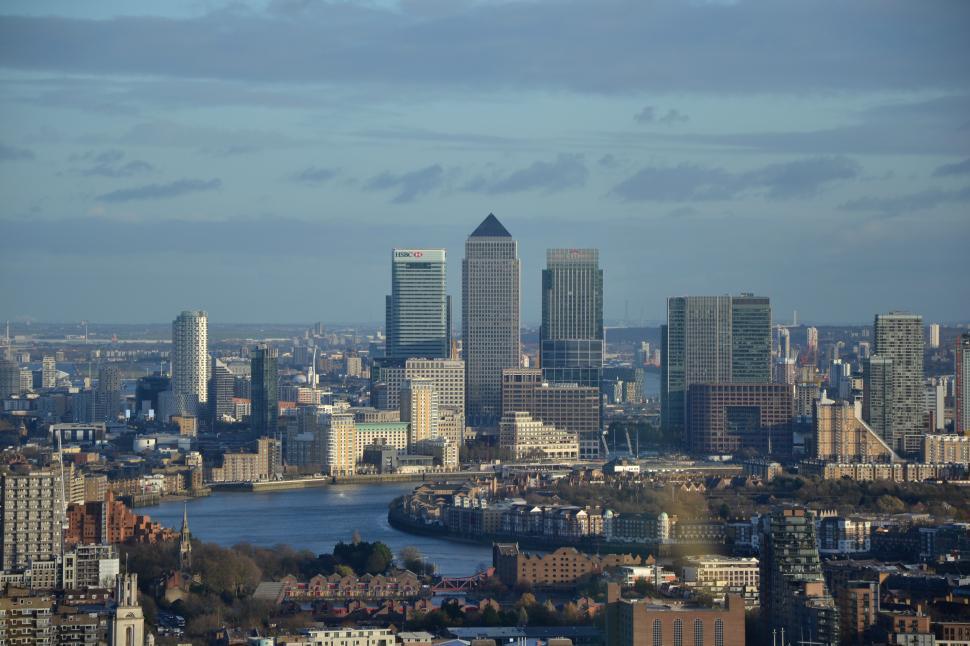
The events unfolding across Britain during 2026 highlight the growing importance of investor confidence in shaping economic performance. The UK investment climate remains under pressure from inflation, political uncertainty, global competition, and slower growth conditions, yet Britain still retains major financial advantages that could support long-term recovery.
For policymakers, businesses, and investors, the coming months may prove critical in determining whether Britain can strengthen economic stability while remaining competitive in a rapidly changing global market.