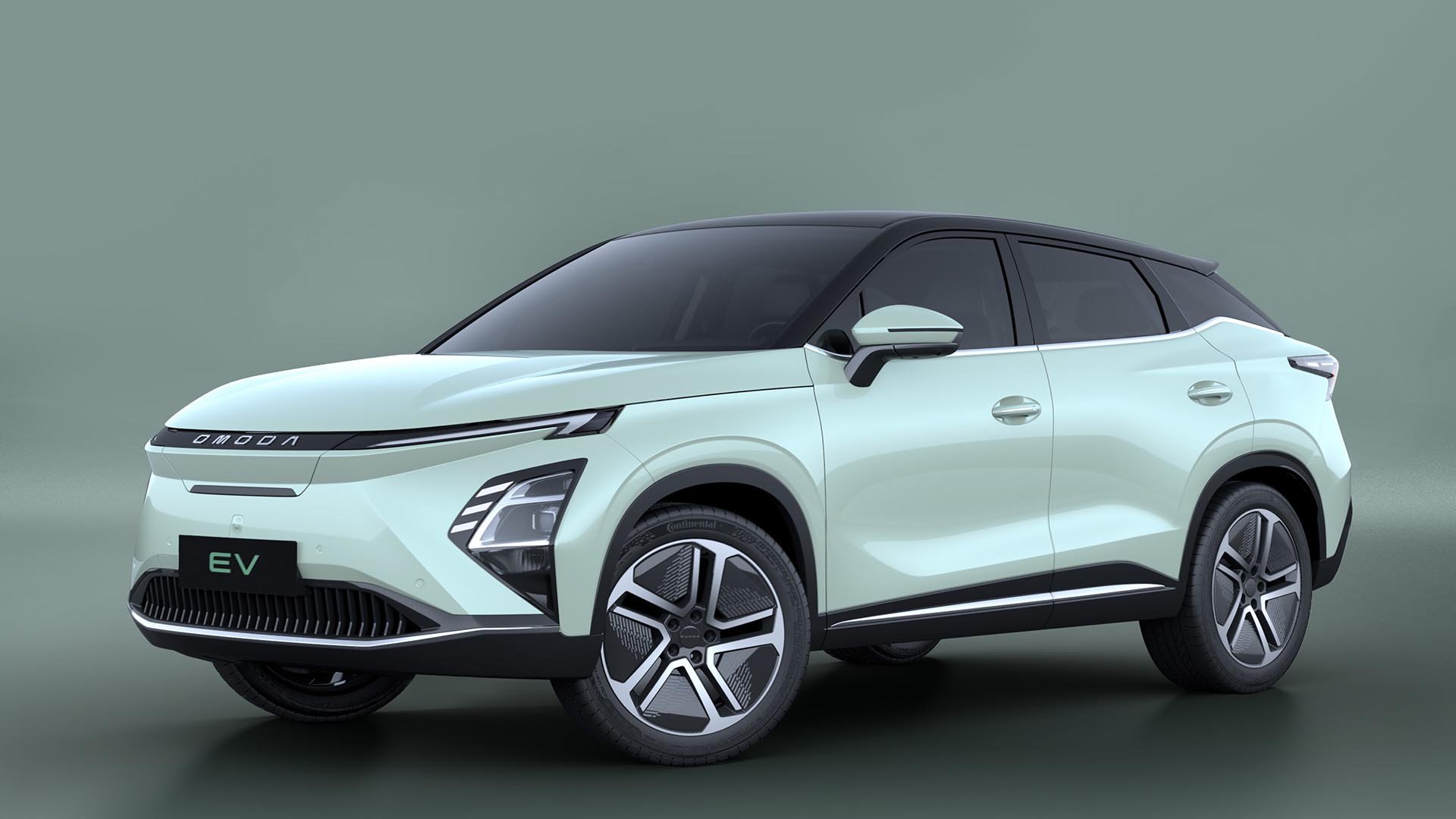
London, February 4, 2026 — According to Parliament News, that Britain’s transition toward cleaner mobility has reached a defining stage as electric vehicles UK adoption accelerates across private, commercial, and public transport sectors. What was once a gradual policy ambition has evolved into a nationwide economic and infrastructural transformation, reshaping how people travel, how industries operate, and how cities plan for the future.
In 2026, the shift is no longer speculative. It is measurable, visible, and embedded within the UK’s broader climate, industrial, and energy strategies.
National Policy Framework Driving Market Momentum
Government direction remains a central force behind the growth of electric vehicles UK adoption. Long-term regulatory clarity has provided manufacturers, investors, and consumers with the confidence needed to commit to electrification at scale.
Policies aimed at reducing tailpipe emissions, combined with phased restrictions on internal combustion engine vehicles, have positioned electric mobility as a cornerstone of national transport reform. These measures are not isolated initiatives but part of a coordinated approach linking transport, energy, and environmental objectives.
Infrastructure Investment Reshaping Accessibility
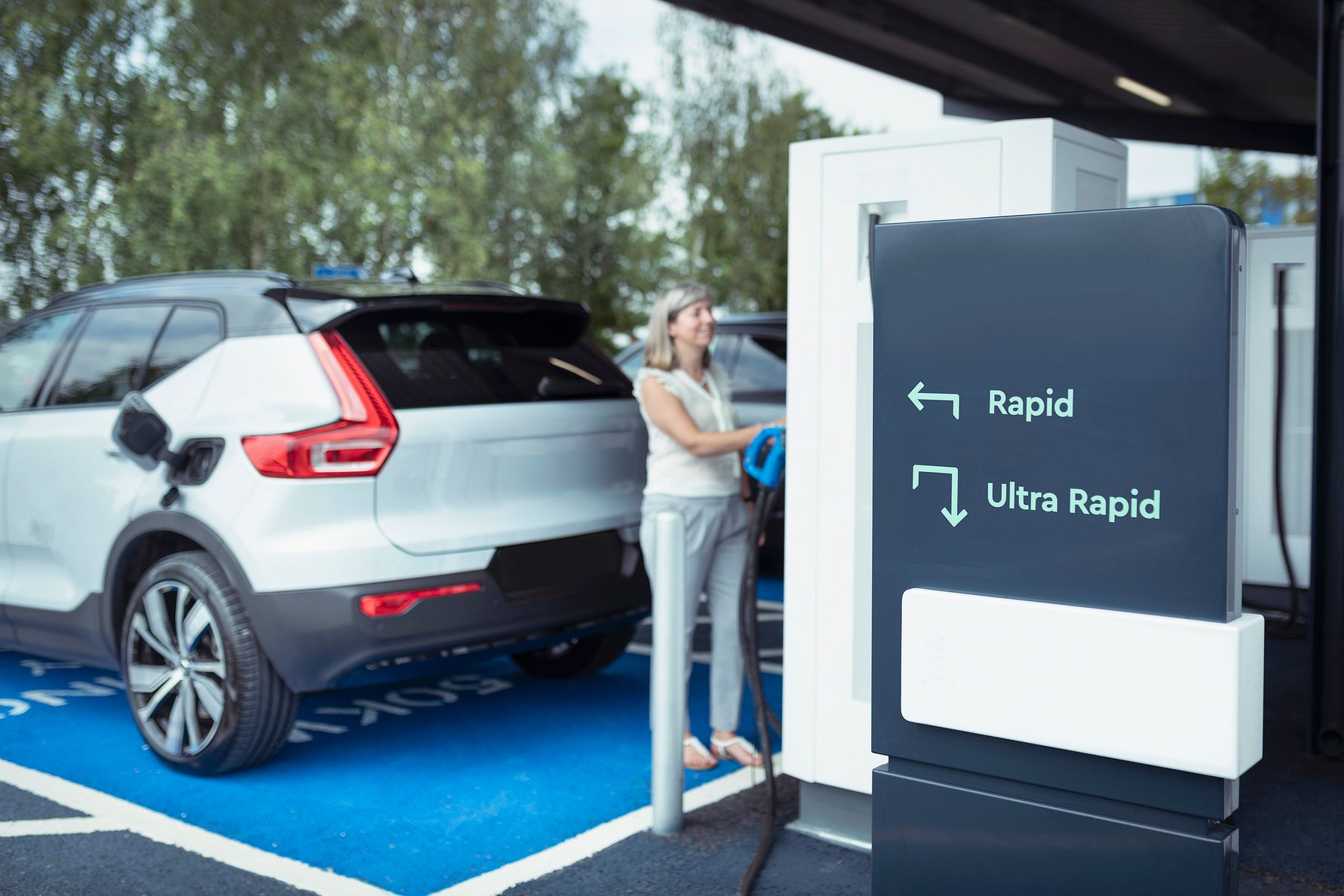
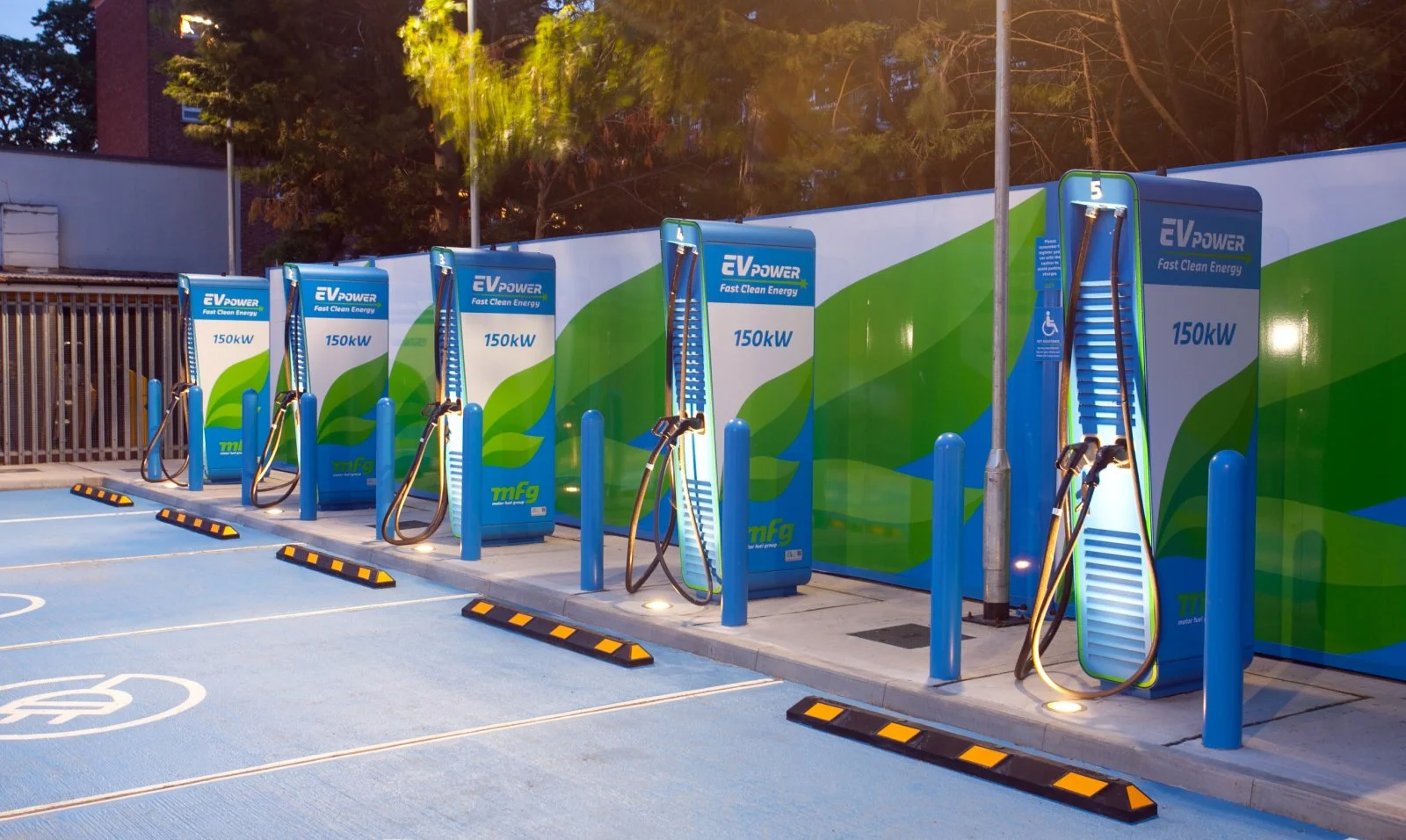
One of the most significant developments supporting electric vehicles UK expansion is the rapid growth of charging infrastructure. Investment has surged into high-capacity motorway chargers, urban rapid-charging hubs, and residential solutions designed for both homeowners and renters.
This infrastructure expansion has reduced range anxiety and increased consumer confidence, especially among drivers transitioning from traditional petrol and diesel vehicles. Local authorities have also played a role by integrating charging access into planning approvals and urban development frameworks.
Consumer Adoption Trends Across Demographics
Public perception has shifted markedly. Electric cars are no longer viewed as niche or experimental products but as practical, reliable alternatives suitable for daily use. Families, professionals, and retirees alike are increasingly factoring electrification into purchasing decisions.
Rising fuel costs, improved vehicle range, and falling battery prices have collectively strengthened the appeal of electric vehicles UK, contributing to steady growth in registrations across diverse income groups.
Automotive Industry Realignment
The UK automotive sector is undergoing structural realignment as electrification reshapes production priorities and investment strategies. Manufacturers are redirecting resources toward battery development, electric drivetrains, and digital vehicle systems.
This realignment has reinforced the long-term viability of electric vehicles UK manufacturing and supply chains, positioning the country as a competitive player within Europe’s evolving mobility ecosystem.
Supply Chain Transformation and Industrial Impact
Electrification is influencing not only vehicle assembly but also upstream industries. Battery materials, software development, power electronics, and charging technology are emerging as critical components of the automotive value chain.
The expansion of electric vehicles UK production has stimulated new partnerships between technology firms, energy providers, and traditional manufacturers, creating a more integrated industrial landscape.
Environmental and Public Health Implications
Air quality improvements represent one of the most immediate benefits of electrification. Reduced emissions from road transport are contributing to lower levels of urban pollution, particularly in densely populated cities.
Studies indicate that increased electric vehicles UK usage correlates with declining nitrogen dioxide concentrations, supporting public health objectives and reinforcing the environmental case for continued transition.
Fleet Electrification Gains Momentum
Commercial fleets have emerged as key drivers of market growth. Logistics companies, local councils, and service providers are electrifying vehicles to meet sustainability targets and reduce operational costs.
Fleet operators report that electric vehicles UK adoption offers long-term cost predictability, especially as fuel price volatility continues to affect conventional vehicle operations.
Grid Integration and Energy Planning
As electrification scales, energy infrastructure planning has become increasingly important. Grid operators are investing in smart systems capable of managing rising electricity demand while maintaining stability.
The integration of electric vehicles UK charging with renewable energy sources and off-peak pricing models is shaping a more flexible and resilient energy ecosystem.

Technological Advancements Enhancing Market Confidence
Battery efficiency, charging speed, and vehicle software have improved significantly in recent years. These advancements are extending vehicle lifespan and improving user experience.
The pace of innovation continues to strengthen confidence in electric vehicles UK, particularly among consumers concerned about depreciation and long-term reliability.
Regional Disparities and Policy Challenges
Despite national progress, adoption remains uneven. Urban centers have benefited more rapidly from infrastructure investment than rural areas, where access challenges persist.
Addressing regional disparities is essential to ensuring equitable electric vehicles UK growth and preventing a two-tier transport system from emerging.
Market Competition and Consumer Choice
The expanding range of available models has intensified competition among manufacturers. Entry-level vehicles, family SUVs, and premium electric cars are now widely available.
This diversity has broadened consumer choice and reinforced electric vehicles UK as a mainstream market rather than a specialized segment.
Workforce Development and Skills Transition
Electrification is reshaping workforce requirements within the automotive and energy sectors. Training programs are being updated to reflect new technical demands, from battery diagnostics to software maintenance.
A skilled workforce is critical to sustaining electric vehicles UK growth and ensuring long-term industry resilience.
Industry Perspective
One senior energy transition analyst said,
“Britain’s electric mobility shift is no longer about early adoption — it is about system-wide transformation that touches manufacturing, energy, and urban planning simultaneously.”
Consumer Financing and Market Accessibility
Financing models have evolved to support electrification. Leasing options, battery warranties, and competitive insurance packages are lowering barriers to entry.
Improved affordability continues to support electric vehicles UK adoption among first-time buyers and cost-conscious households.
Integration with Smart Cities and Digital Systems
Electric mobility is increasingly linked with smart city development. Connected vehicles, real-time traffic management, and intelligent charging networks are being deployed to improve efficiency.
The integration of electric vehicles UK into digital infrastructure is redefining how transport systems interact with urban environments.
Export Potential and International Positioning
The UK’s electrification strategy is also shaping its global automotive standing. Expertise in regulation, infrastructure deployment, and system integration has export potential beyond domestic markets.
International interest in electric vehicles UK policy frameworks reflects the country’s growing influence within the global transition narrative.
Long-Term Cost Dynamics
While upfront costs remain higher for some models, lifetime ownership costs continue to decline. Lower maintenance requirements and stable energy pricing improve total cost competitiveness.
These economic dynamics reinforce confidence in electric vehicles UK as a financially viable long-term option.
Regulatory Certainty and Investor Confidence
Clear timelines and policy commitments have strengthened investor confidence. Capital flows into charging networks, manufacturing facilities, and technology startups have increased accordingly.
Such certainty remains vital to sustaining electric vehicles UK momentum through the next decade.
Public Transport Electrification
Beyond private vehicles, buses and municipal fleets are undergoing electrification. Public transport plays a critical role in reducing emissions at scale.
The expansion of electric vehicles UK within public systems amplifies environmental and social benefits nationwide.
History of Electric Mobility in Britain
The UK’s relationship with electric transport dates back more than a century, with early electric car experiments appearing in the late 19th century. Interest waned as combustion engines dominated the 20th century, only to re-emerge in the early 2000s amid rising environmental concerns. Government incentives, climate commitments, and technological breakthroughs gradually revived momentum, laying the groundwork for today’s widespread electric vehicles UK adoption.
Market Outlook Beyond 2026
Looking ahead, electrification is expected to deepen across all vehicle classes. Battery recycling, second-life storage solutions, and vehicle-to-grid systems are set to shape the next phase of development.
The continued evolution of electric vehicles UK will depend on sustained policy alignment, infrastructure investment, and technological innovation.
A Structural Shift in National Mobility
The transformation underway represents a structural shift rather than a temporary trend. Transport electrification is reshaping energy systems, industrial strategies, and consumer behavior simultaneously.
As Britain advances further into its electric future, electric vehicles UK adoption stands as both a symbol and a driver of broader economic and environmental change.