

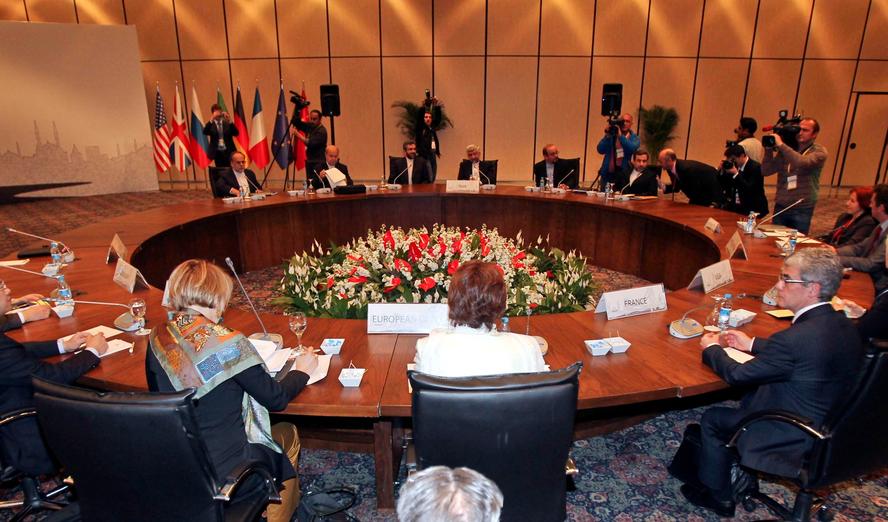
WASHINGTON / TEHRAN, March 31, 2026 (Parliament Politics Magazine) energy supply disruption risks are rapidly reshaping the direction of ongoing Iran negotiations, as global powers shift attention toward securing the Strait of Hormuz and reducing the threat of escalating conflict. The evolving diplomatic strategy signals a move away from broader political frameworks toward immediate, high-impact priorities.
Officials involved in the discussions indicate that stabilizing energy flows and preventing supply chain shocks have become the central focus, reflecting mounting concerns across international markets.
Hormuz Security Becomes Central to Talks
The growing energy supply disruption risks have pushed negotiators to prioritize the Strait of Hormuz, a critical chokepoint through which a large portion of global oil shipments passes.
Any instability in this region could trigger immediate consequences, including rising fuel prices, disrupted supply chains, and broader economic uncertainty. As a result, ensuring safe passage through Hormuz has become a shared objective among multiple stakeholders.
A geopolitical analyst noted,
“Energy supply disruption risks are no longer theoretical—they are immediate and potentially devastating if not addressed quickly.”
Shift Away from Broad Political Frameworks
The emphasis on energy supply disruption risks marks a clear departure from earlier negotiation strategies that focused heavily on comprehensive political agreements, including proposals linked to Donald Trump’s 15-point framework.
Recent developments suggest that negotiators are now narrowing their agenda to address urgent threats first. By concentrating on achievable goals, such as maritime security and conflict containment, diplomatic efforts may gain momentum.
Experts believe this targeted approach could help avoid prolonged deadlock and deliver faster results.
De-Escalation Efforts Gain Momentum
Diplomatic sources report that reducing immediate threats is seen as essential for creating the conditions necessary for broader agreements in the future.
A senior diplomat stated,
“Addressing energy supply disruption risks is the fastest way to stabilize both the region and global markets.”
Global Economic Concerns Intensify
The impact of energy supply disruption risks extends far beyond regional borders. Global markets remain highly sensitive to developments in the Strait of Hormuz, where even minor disruptions can lead to significant price volatility.
Energy-dependent economies are particularly vulnerable, making the outcome of these talks critical for international financial stability.
Market observers emphasize that maintaining consistent energy flows is essential for preventing economic shocks and sustaining growth.
International Community Responds
Reactions to the heightened focus on energy supply disruption risks have been mixed but largely supportive. Many countries view the approach as a practical step toward reducing immediate dangers, while others caution that long-term issues must not be overlooked.
Diplomatic engagement continues across multiple channels, with efforts underway to build consensus and encourage participation from key stakeholders.
Challenges Remain Despite Focused Agenda
While prioritizing energy supply disruption risks offers a clearer path forward, several challenges remain. Deep-rooted political tensions, strategic rivalries, and unresolved policy issues could complicate negotiations.
Experts warn that focusing solely on immediate concerns may leave underlying conflicts unaddressed, potentially leading to future instability.
However, proponents argue that incremental progress is necessary to achieve meaningful results.
Potential Outcomes of Hormuz-Focused Talks
If successful, addressing energy supply disruption risks could lead to immediate improvements in regional stability and global economic confidence. Securing the Strait of Hormuz would help ensure uninterrupted energy flows and reduce the likelihood of market volatility.
This progress could also pave the way for broader diplomatic discussions, creating opportunities for long-term solutions.
Broader Geopolitical Implications
The emphasis on energy supply disruption risks reflects a broader shift in diplomatic strategy, where economic stability and risk management take precedence over comprehensive but complex agreements.
This approach highlights the growing importance of targeted diplomacy in addressing modern geopolitical challenges.
What Comes Next in Iran Negotiations
Looking ahead, energy supply disruption risks are expected to remain a central theme in ongoing discussions. Future negotiations may expand to include additional issues once immediate concerns are addressed.
Observers anticipate continued diplomatic engagement, with high-level meetings aimed at building on initial progress.

A Strategic Pivot with Global Stakes
The rising energy supply disruption risks have fundamentally reshaped the direction of Iran talks in 2026. By focusing on Hormuz security and de-escalation, negotiators are prioritizing immediate stability over long-term complexity.
In summary, this targeted approach offers a realistic pathway to reducing tensions and protecting global energy flows—making it one of the most critical diplomatic efforts to watch this year.
