

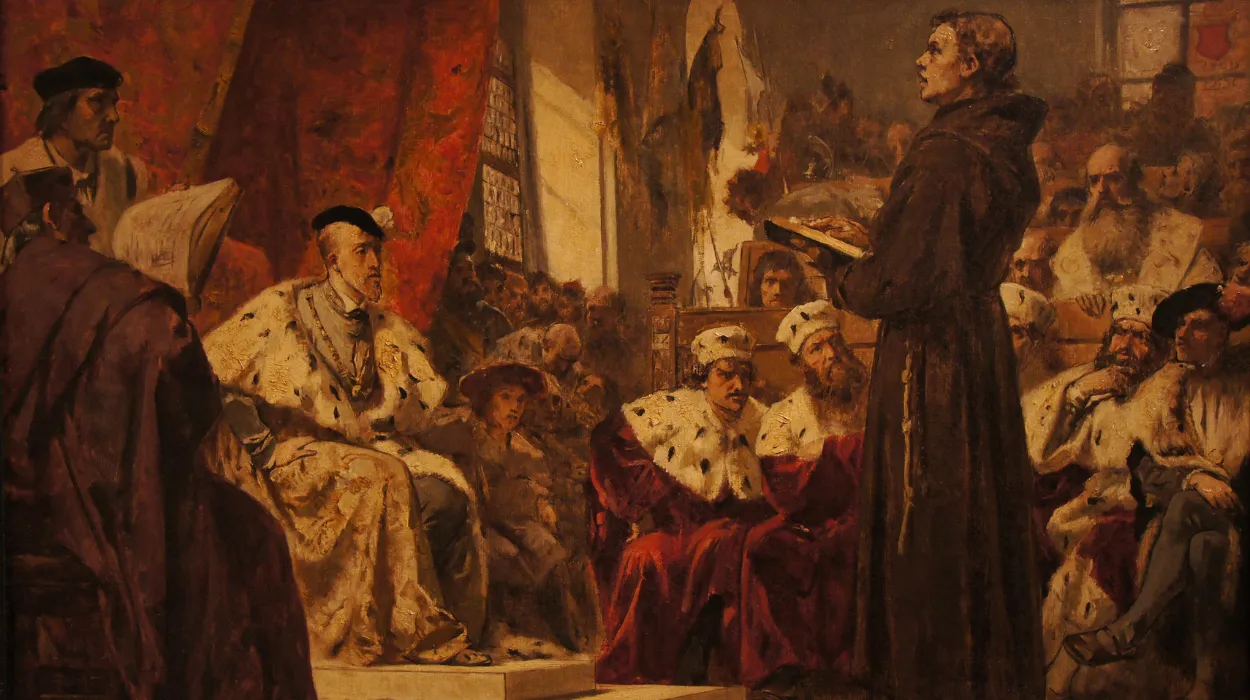
The English Reformation was one of the most important turning points in the history of England. It altered three interconnected systems: religion, politics, and the structure of society in England. What triggered such a huge change? The English Reformation became a political, religious, and social phenomenon that had been building slowly before 1534, when it became official.
There were many reasons why it developed: such activities as money and disputes over dominance were hardly rare at this time. Below, we highlight the distinct causes of the English Reformation and the context that ultimately shaped it into one of the most significant national achievements in the continuity of popularity among the public.
Political Causes of the Reformation
The main cause of the English Reformation was King Henry VIII, who wanted to end his marriage to Catherine of Aragon because she had not given him a son. When the Pope would not grant him a divorce, Henry and the Pope became embroiled in a political dispute that triggered the English Reformation.
Henry VIII was also interested in expanding his own power in England. The Pope’s authority limited the king’s independent decision-making, and separating from Rome gave Henry the religious and political authority needed to have more power over the laws, the church, and the wealth of his kingdom.
Religious Causes of the English Reformation
Long before Henry VIII, there were complaints about corruption in the Catholic Church. People believed that priests and bishops were more concerned with money and power than spiritual life, particularly with a common practice of selling indulgences, or allowing people to pay for forgiveness of sins. This started to prepare England for a religious change.
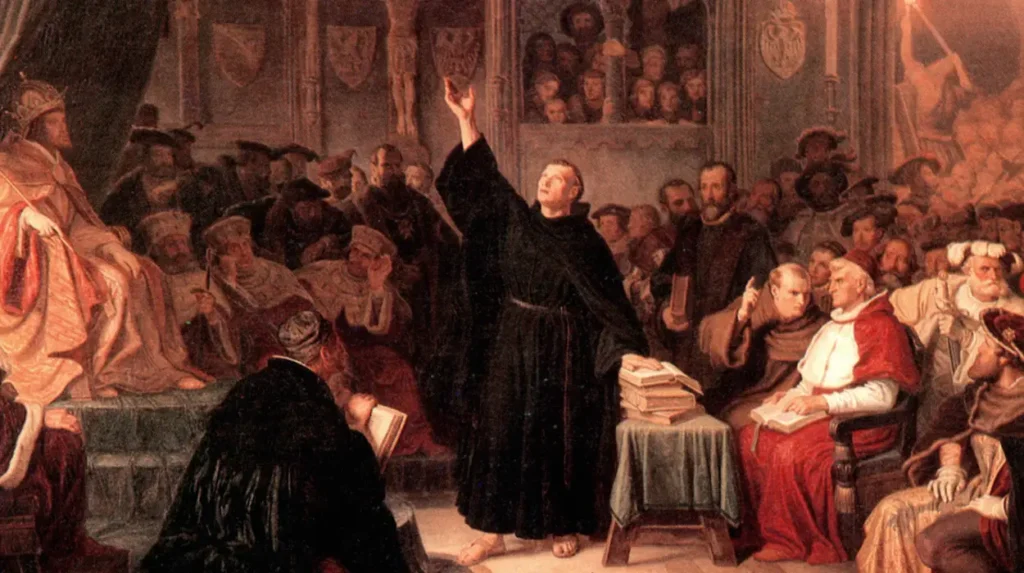
The wider European Reformation, led by people like Martin Luther, also contributed to change in England. Luther’s call for reform in Germany spread throughout Europe, along with his ideas about reading the Bible in a person’s own language and rejecting the Pope’s authority. These Protestant beliefs gave Henry VIII and others a religious justification for change.
Economic Causes of the English Reformation
The Catholic Church was one of the largest landowners and greatest sources of wealth in England. Many nobles and ordinary people did not like the amount of economic power that the church was able to control in England; by breaking with Rome, Henry VIII could take over monasteries and then redistribute their economic power. This gave the English Reformation some economic attraction for the crown and the nobility.
England was also becoming more wealth-generating and trade-focused, and the longstanding church control of land and taxes often slowed this process down. The break with Catholicism brought new economic liberties and bolstered the kingdom’s independent economic footing.
Social Causes of the English Reformation
Many people in England wanted to exert more influence in their religious lives independent of Rome. The English Reformation created a church for the kingdom. The church was national rather than international, creating a sense of religion that shared characteristics with English identity.
The introduction of printing also had an impact, as books and pamphlets allowed for the rapid dissemination of new ideas. More people could read Protestant declarations or critiques of the Catholic Church, assisting in the rising support for the English Reformation one level below the elite.
The Break with Rome
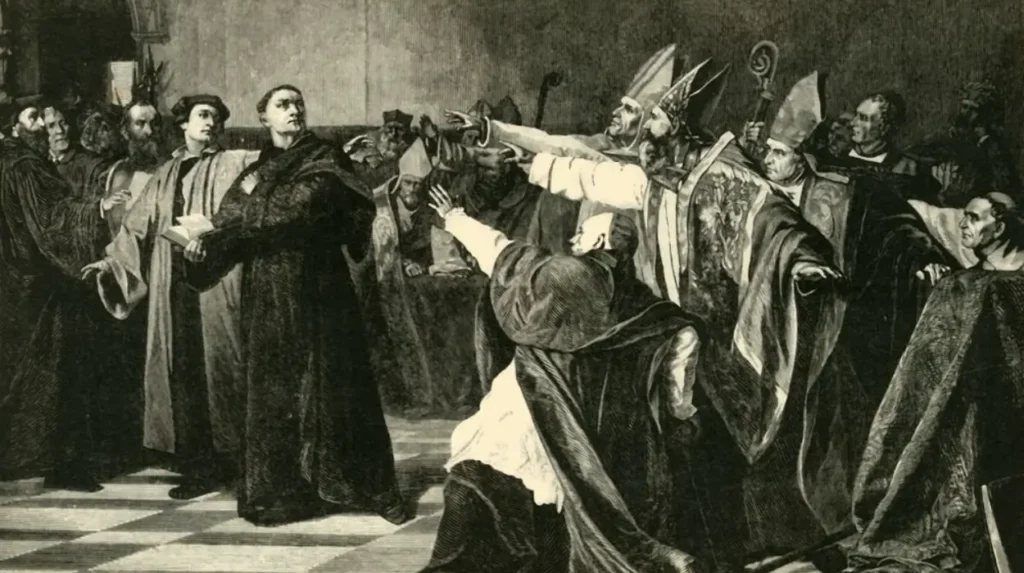
In 1534, Henry VIII declared himself head of the Church of England through the Act of Supremacy. This established the break with Rome. The English Reformation was no longer an ideology but the law of the land.
Henry also ordered closures to the monasteries everywhere in England and had the lands and wealth of the monasteries transferred to the crown. Without question, the English Reformation was accompanied by one of the more visible changes, as political, religious, and economic forces could be seen working together.
Wider Impact of the English Reformation
The English Reformation did not immediately resolve religious questions in England. It produced religious conflict that lasted for decades, as Catholics and Protestants wrestled for control of England. Each new ruler shifts to a new religious policy favoring one party and then the other.
The English Reformation produced a new sense of national identity. The Church of England emerged as a symbol of independence from Rome and the foundation of English society. This change would set into motion the long-term consequences of the Reformation in respect to culture, politics, and world history.
Long-term Effects of the English Reformation
- Determinative of Protestant England: In the end, the English Reformation produced a Protestant England. There were periods of Catholic revival, but Protestantism strengthened with every generation.
- Transforming Politics and Law: By eroding the Pope’s power over England, the Reformation enriched the monarchy and eventually directed how laws, rights, and governance transformed in England.
- Transforming the World: The English Reformation also altered the course of world history. As England expanded into the world, its version of Christianity in the explosion of England’s version of Protestantism spread into the world.
Key Figures of the English Reformation
- Thomas Cranmer: As Archbishop of Canterbury, Thomas Cranmer was one of the key figures in creating the new English church. He actively supported the translation of the Bible into the English language and was involved in the creation of new forms of worship.
- Anne Boleyn, Henry’s second wife, was a key player in the English Reformation. She provided support for reformist ideas and was important in the decision of the king to end his first marriage.
- William Tyndale: William Tyndale was responsible for translating the Bible into English. He translated the scriptures so that ordinary people would be able to read the scriptures in their own language, an emerging thread of the Protestant tradition.
The English Reformation did not arise from one isolated event but rather a combination of political, religious, economic, and social pressures. Though Henry VIII’s marital crisis sparked the Reformation, wider dissatisfaction with the Catholic Church (and the emergence of new Protestant ideas) gave the Reformation its strength. The English Reformation produced a lasting change in religion, shaping England’s future.
We can see from the story of the English Reformation the extent to which politics, faith, and society are connected. When we consider why this period arose, we can understand more clearly why it remains one of the most significant moments in English history.
