

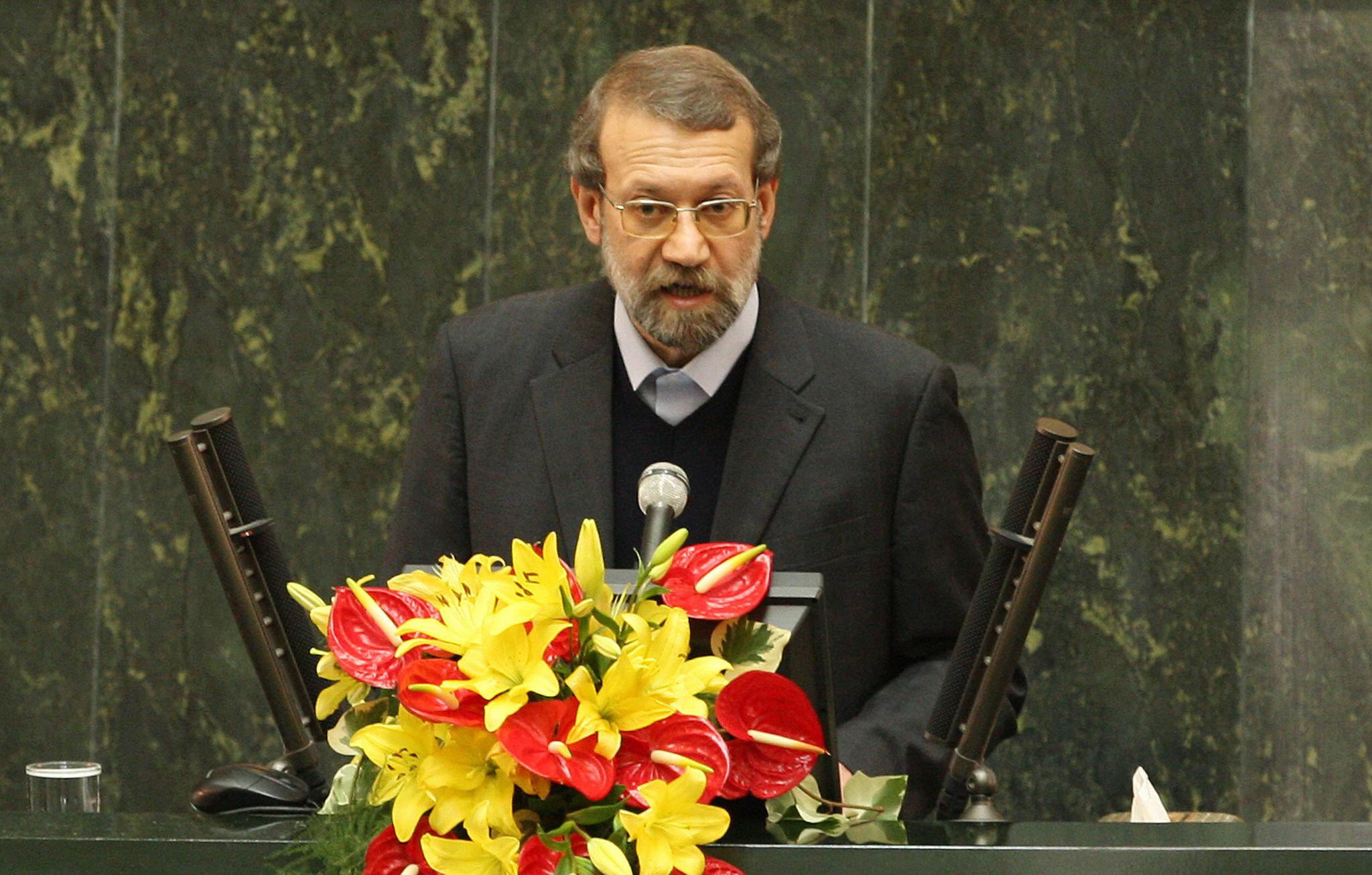
Tehran, Iran – March 15, 2026: According to Parliament Politics Magazine, International political discussions intensified this week after Iranian political figure Ali Larijani suggested that actors connected to Jeffrey Epstein’s network could attempt to create a major incident and blame Iran. The remarks quickly spread across global media, pushing the Epstein network controversy into the center of geopolitical debate.
Larijani made the comments while discussing regional security and alleged covert threats against Iran. According to his statement, certain powerful interests might attempt to orchestrate an event resembling a large scale international crisis and attribute it to Iran in order to justify political or military pressure.
While the claim remains unverified, the statement has fueled widespread conversation about international narratives and hidden networks of influence. Analysts say the Epstein network controversy continues to attract attention because of the unresolved questions surrounding the financier’s global connections.
Background of the Epstein Network Debate
Jeffrey Epstein’s case exposed a complex network of wealthy individuals and political connections that spanned multiple countries. Even after his death in 2019, investigations and public discussion about his associates have continued to surface in political and media conversations.
The Epstein network controversy has remained a subject of speculation due to the secrecy surrounding many of Epstein’s relationships with powerful figures in finance, politics, and international business. These unresolved questions often lead to renewed interest whenever political leaders reference the network.
Larijani’s remarks appear to build upon these lingering suspicions by suggesting that elements of such a network might attempt to manipulate global events. Experts caution, however, that no evidence has been presented linking Epstein’s associates to geopolitical operations.
Despite the lack of proof, the Epstein network controversy continues to generate intense public interest because it intersects with broader questions about elite influence and global power structures.
Political Reactions and International Skepticism
Officials in Western governments have largely avoided responding directly to the statement. Diplomats say that extraordinary claims require credible evidence before they can be considered part of official security discussions.
Analysts note that the Epstein network controversy often attracts sensational speculation online, making it particularly important for governments and journalists to rely on verified information.
Security experts emphasize that political rhetoric sometimes reflects domestic messaging rather than intelligence based warnings. In this case, Larijani’s remarks may be aimed at highlighting perceived threats against Iran rather than presenting confirmed intelligence.
Still, the Epstein network controversy has quickly become part of the broader conversation about information warfare and international political narratives.
Historic Pattern of Political Conspiracy Warnings
Political leaders have frequently warned about secret plots during periods of international tension. Throughout history, accusations of hidden networks and covert operations have been used to explain complex geopolitical rivalries.
During the Cold War, both Western and Soviet leaders regularly claimed that rival intelligence services were orchestrating global crises. These allegations often fueled public fear and political tension even when concrete evidence remained limited.
The current Epstein network controversy echoes that historical pattern. Governments facing external pressure sometimes frame global conflicts through narratives of covert influence or secret alliances.
Historians say these claims can shape public perception even if they are never proven.

Experts Urge Evidence Based Discussion
Many analysts say the situation highlights the importance of careful investigation and responsible journalism.
One regional security expert summarized the debate by saying,
“Claims involving powerful hidden networks may capture attention quickly, but international stability depends on evidence and transparency rather than speculation.”
The Epstein network controversy demonstrates how quickly political statements can evolve into global narratives. Experts warn that repeating unverified claims without context can contribute to misinformation and confusion.
For policymakers and journalists alike, maintaining a focus on factual reporting remains essential.
Media Amplification in the Digital Age
Modern information systems allow political statements to spread worldwide within minutes. Once Larijani’s comments appeared in regional media outlets, the story circulated across social networks and international news platforms.
As discussions expanded, the Epstein network controversy gained momentum online. Commentators and analysts began debating the broader implications of the claim, including whether it reflected deeper geopolitical tensions.
Media researchers say this rapid amplification often blurs the line between reporting and speculation. In highly connected information environments, narratives can take on a life of their own before facts are fully examined.
Geopolitical Implications for the Middle East
The Middle East remains one of the most strategically sensitive regions in the world. Political rivalries, military alliances, and economic pressures create an environment where narratives about covert plots can quickly escalate tensions.
Within this context, the Epstein network controversy has become intertwined with discussions about international influence and regional security.
Iran has long argued that foreign actors attempt to undermine its political system through sanctions, cyber operations, and strategic pressure. Statements suggesting hidden networks therefore resonate strongly with domestic audiences.
However, analysts emphasize that speculation surrounding the Epstein network controversy should not distract from the broader diplomatic challenges facing the region.
How Global Narratives Shape Political Perception
Political messaging often plays a significant role in shaping how societies interpret international events. When controversial claims enter public discourse, they can influence both domestic and international perceptions.
The Epstein network controversy illustrates how powerful narratives can travel quickly through global information networks. Whether the allegations prove accurate or not, the discussion itself has already influenced media coverage and political debate.
Experts say the challenge for governments and journalists is ensuring that public discussion remains grounded in verified information rather than speculation.
What the Debate Reveals About Modern Politics
The ongoing conversation surrounding the Epstein network controversy reflects the complexities of modern geopolitics. In an era of digital media and instant communication, political narratives can spread globally within hours.
This environment makes it increasingly difficult to separate political messaging from confirmed facts. Analysts believe that responsible reporting and transparent investigation are essential to maintaining public trust.
As international observers continue to analyze Larijani’s statement, the broader focus remains on understanding how narratives influence global political dynamics.
Final Overview of the Controversy
The debate surrounding the Epstein network controversy highlights how quickly political statements can become global news. Larijani’s remarks about a possible plot against Iran have drawn attention from analysts, journalists, and policymakers around the world.
Although no evidence currently supports the allegation, the discussion illustrates the powerful role of narratives in shaping geopolitical conversations.
In the modern media landscape, controversial claims can influence international perceptions long before they are proven or disproven. For that reason, experts stress the importance of careful verification and responsible reporting as this story continues to unfold.