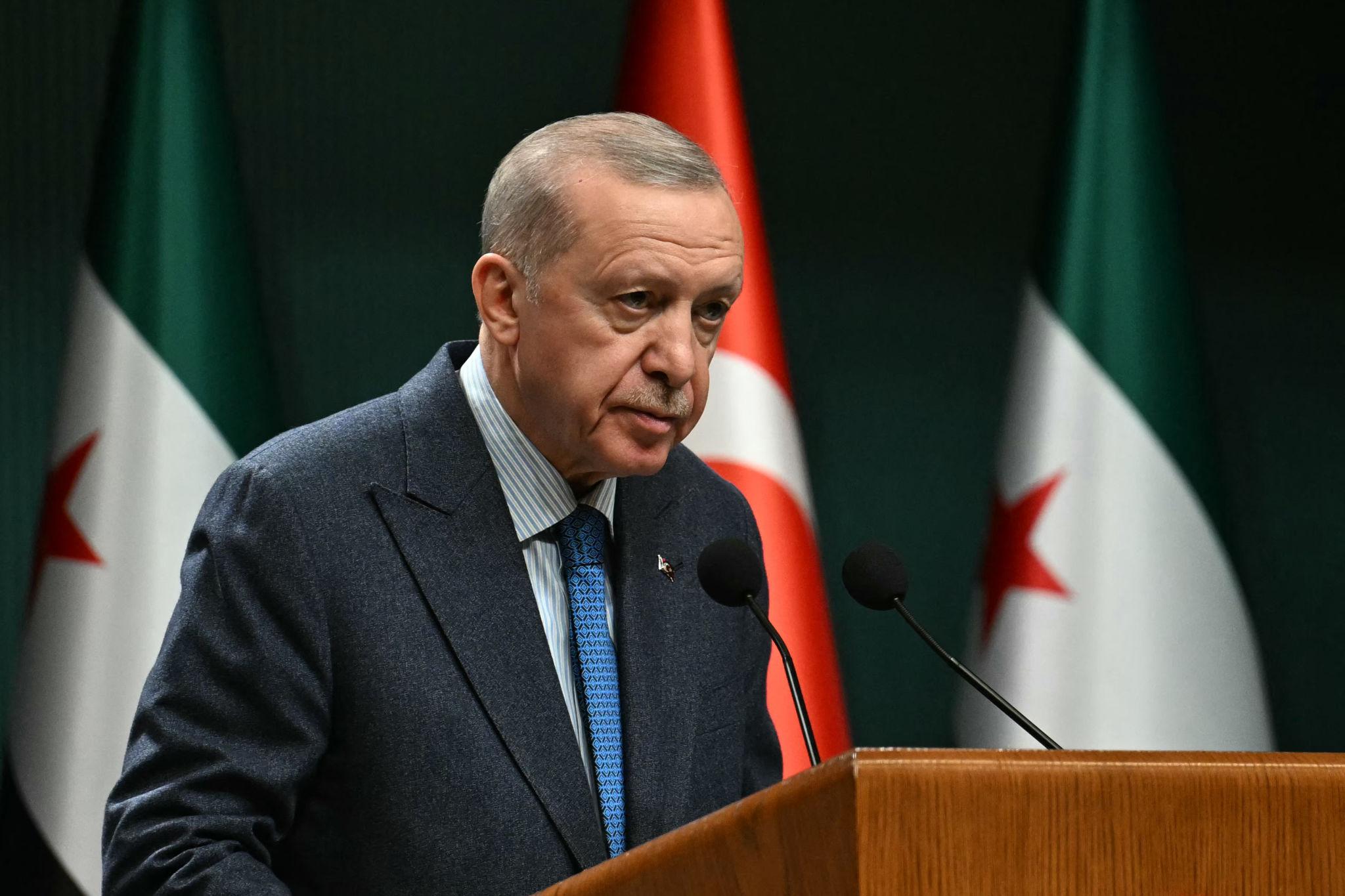
Brussels, Belgium, January 30 2026 – According to parliament news that Erdogan diplomacy has taken on renewed significance in 2026 as European policymakers closely observe Turkiye’s expanding role in easing regional tensions. From the heart of the European Union, officials and analysts alike are assessing how Ankara’s diplomatic positioning could influence stability across multiple geopolitical fault lines. Brussels has increasingly framed Turkiye as a pivotal actor capable of engaging with diverse political blocs at a time when traditional channels of dialogue remain strained.
This attention reflects broader global unease, where uncertainty has become a defining feature of international relations. Against this backdrop, diplomatic engagement is once again seen as a valuable instrument rather than a symbolic gesture.
The International Environment Driving Diplomatic Engagement
The global diplomatic environment entering 2026 remains fragmented. Longstanding conflicts persist alongside newer crises, creating overlapping layers of tension. In this context, Erdogan diplomacy has been shaped by the belief that sustained dialogue can prevent escalation even when disagreements remain unresolved.
European officials note that the return of diplomacy as a central tool aligns with broader efforts to stabilize trade routes, energy flows, and migration dynamics. Turkiye’s outreach is therefore interpreted not only as a political move but also as a response to shared economic and security concerns.
Ankara’s Strategic Role Between East and West
Turkiye’s geographic and political positioning places it between competing centers of power. This reality has long influenced Erdogan diplomacy, allowing Ankara to maintain communication channels with actors that rarely engage directly with one another.
Such positioning carries both opportunity and risk. On one hand, it enhances Turkiye’s relevance as a mediator. On the other, it demands careful balance to avoid perceptions of bias. European diplomats acknowledge that credibility in mediation depends on consistency and restraint.
Regional Tensions and the Cost of Escalation
Persistent instability across neighboring regions has underscored the urgency of diplomatic solutions. Economic disruptions, security threats, and humanitarian pressures have intensified calls for de-escalation. Within this environment, Erdogan diplomacy is increasingly framed as a preventative approach rather than a reactive one.
From Brussels, analysts stress that avoiding escalation is often less visible than crisis response, yet far more effective in preserving long-term stability. Diplomacy, in this sense, functions as risk management on a regional scale.
The Role of Leadership in Diplomatic Signaling
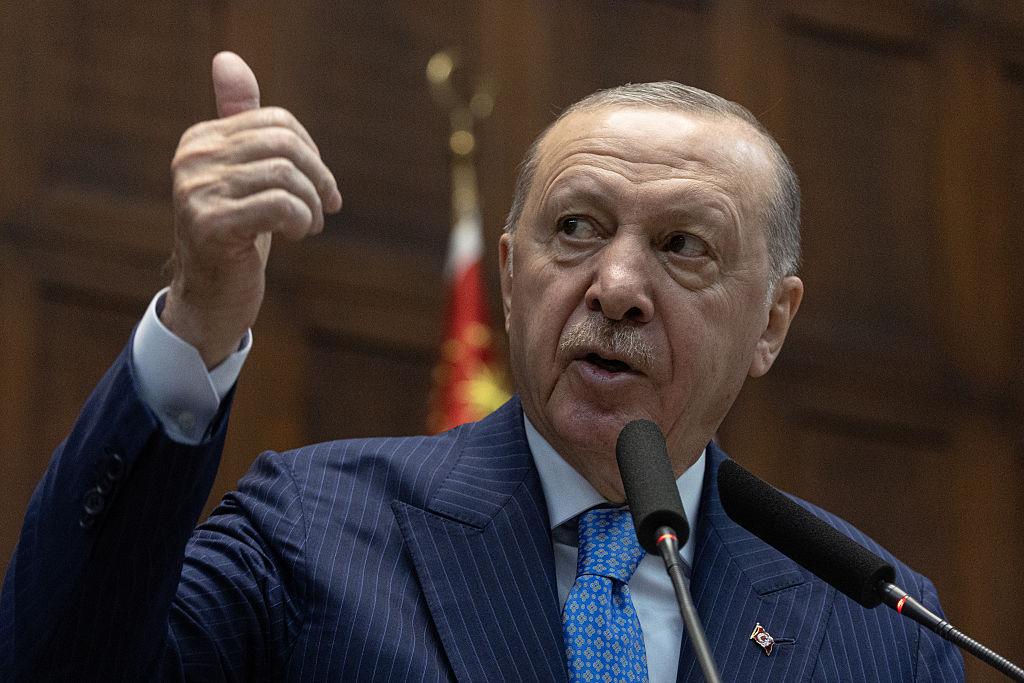
Leadership remains a defining factor in how diplomacy is perceived and executed. Public messaging, tone, and timing all shape international reactions. Erdogan diplomacy has consistently emphasized dialogue as a mechanism for safeguarding national and regional interests.
Observers point out that leadership-driven diplomacy often relies on signaling intent rather than immediate outcomes. Statements expressing openness to mediation can themselves reduce tensions by clarifying positions and lowering uncertainty.
Economic Stability as a Diplomatic Incentive
Economic considerations underpin much of Turkiye’s diplomatic outreach. Trade partnerships, foreign investment, and energy cooperation are all sensitive to geopolitical instability. By prioritizing engagement, Erdogan diplomacy aligns economic resilience with foreign policy strategy.
European economic institutions have highlighted that regional calm directly supports market confidence. In this light, diplomacy is not merely political but also a tool for sustaining economic continuity.
Security Concerns and Preventive Engagement
Security challenges remain a constant concern across the region. Border tensions, maritime disputes, and asymmetric threats contribute to a volatile environment. Erdogan diplomacy seeks to address these challenges through dialogue before they escalate into open confrontation.
Security analysts argue that preventive engagement reduces the likelihood of miscalculation. Diplomatic channels provide opportunities to clarify intentions and manage incidents that could otherwise spiral.
A Measured European Response
European reactions to Ankara’s diplomatic posture have been cautious but attentive. Brussels-based officials recognize the potential value of Erdogan diplomacy, while also emphasizing the importance of transparency and consistency.
Rather than immediate endorsement, European institutions appear focused on outcomes. The effectiveness of mediation efforts, they argue, will ultimately determine credibility.
Diplomatic Language and Media Interpretation
Media coverage plays a crucial role in shaping perceptions of diplomatic initiatives. Carefully chosen language can signal openness while maintaining strategic ambiguity. Erdogan diplomacy has relied on such calibrated messaging to project readiness for engagement without overcommitting.
From a media analysis perspective, this approach reflects a broader trend in modern diplomacy, where communication itself becomes part of negotiation.
Voices from the Diplomatic Sphere
Within diplomatic circles, the emphasis on engagement over confrontation has been widely discussed. One senior regional analyst summarized the prevailing view by stating that
“diplomacy does not eliminate disagreements, but it creates the space needed to manage them without sliding into conflict,”
a sentiment that reflects how Erdogan diplomacy is increasingly understood as a stabilizing framework rather than a quick solution.
Challenges That Limit Diplomatic Progress
Despite its ambitions, diplomacy faces structural limitations. Deep-rooted mistrust, domestic political pressures, and external interference can stall progress. Erdogan diplomacy must navigate these constraints while maintaining momentum.
Experts caution that diplomatic success is often incremental. Setbacks should not be interpreted as failure, but as part of a longer process.
Global Implications Beyond the Immediate Region
The impact of Turkiye’s diplomatic initiatives extends beyond its immediate neighborhood. Global powers monitor these developments closely, aware that regional stability influences broader geopolitical balances. Erdogan diplomacy therefore resonates within a wider international context.
In Brussels, analysts note that effective mediation can contribute to global confidence in diplomatic norms at a time when multilateralism faces challenges.
Public Opinion and Domestic Support
Domestic perception plays an important role in sustaining foreign policy initiatives. Public support for diplomacy tends to rise when citizens associate it with economic stability and security. Erdogan diplomacy is often presented domestically as a pragmatic approach that avoids the costs of confrontation.
This narrative strengthens internal legitimacy and provides political space for continued engagement.
Diplomacy in a Fragmented Global Order
The contemporary international system is increasingly fragmented, characterized by shifting alliances and competing interests. In such an environment, Erdogan diplomacy reflects an attempt to navigate complexity through engagement rather than isolation.
Scholars argue that middle powers are increasingly adopting mediation roles to enhance influence without direct confrontation.
Assessing Effectiveness Over Time
Measuring diplomatic success requires patience. Agreements may take years to materialize, and some efforts may never become public. Erdogan diplomacy should therefore be evaluated through long-term outcomes rather than immediate results.
From Brussels, policy analysts emphasize the importance of continuity in diplomatic engagement.
Looking Ahead Through the Rest of 2026
As the year progresses, expectations surrounding Erdogan diplomacy will depend on whether dialogue translates into reduced tensions. Even limited progress could reinforce Ankara’s position as a credible mediator.
European observers suggest that sustained engagement, rather than dramatic breakthroughs, is the most realistic path forward.
When Diplomacy Becomes Strategic Patience
In a world defined by rapid reactions and instant judgments, patience has emerged as a strategic asset. The renewed emphasis on dialogue highlights how diplomacy often works quietly, shaping outcomes over time rather than through sudden change. As global uncertainty persists, the willingness to talk, listen, and negotiate may prove to be one of the most enduring tools of statecraft in 2026 and beyond.