

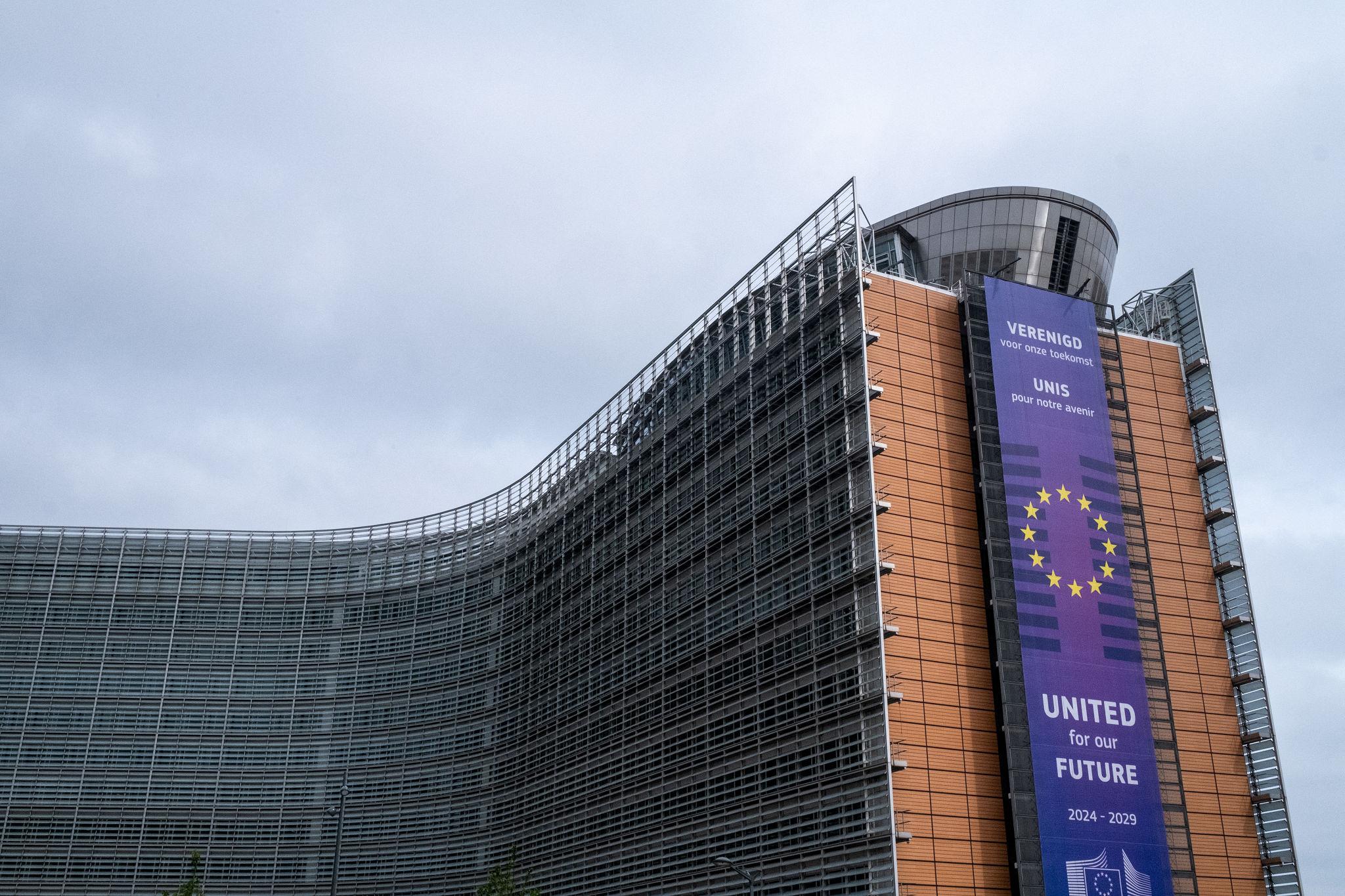
Brussels, February 16, 2026 — According to Parliament News, that EU energy policy stands at a pivotal crossroads as European leaders confront renewed supply concerns, infrastructure vulnerabilities and long term sustainability goals. In early 2026, policymakers in Brussels intensified discussions on strategic reserves, diversification strategies and cross border coordination mechanisms designed to safeguard the bloc’s energy future.
The renewed urgency reflects ongoing geopolitical tensions and shifting global supply chains. While previous reforms aimed to reduce dependency on single source imports, recent disruptions have reinforced the need for a more resilient and integrated framework. As a result, EU energy policy has reemerged as one of the most consequential policy arenas shaping economic stability across member states.
European Commission officials emphasized that coordination among member nations remains central to navigating uncertain market conditions.
Why Energy Security Dominates the Agenda
Energy security has become inseparable from economic security. Manufacturing output, transportation systems and household consumption depend heavily on stable supply chains. When interruptions occur, the ripple effects can quickly extend into inflationary pressure and political instability.
In 2026, EU energy policy is increasingly focused on building redundancy into supply networks. Diversification across liquefied natural gas imports, pipeline routes and renewable infrastructure has become a guiding principle.
Analysts say the objective is not merely to prevent short term shortages but to establish structural resilience. Strategic storage capacity, shared emergency response protocols and coordinated procurement systems are now embedded within the broader design of EU energy policy.
Diversification Beyond Traditional Suppliers
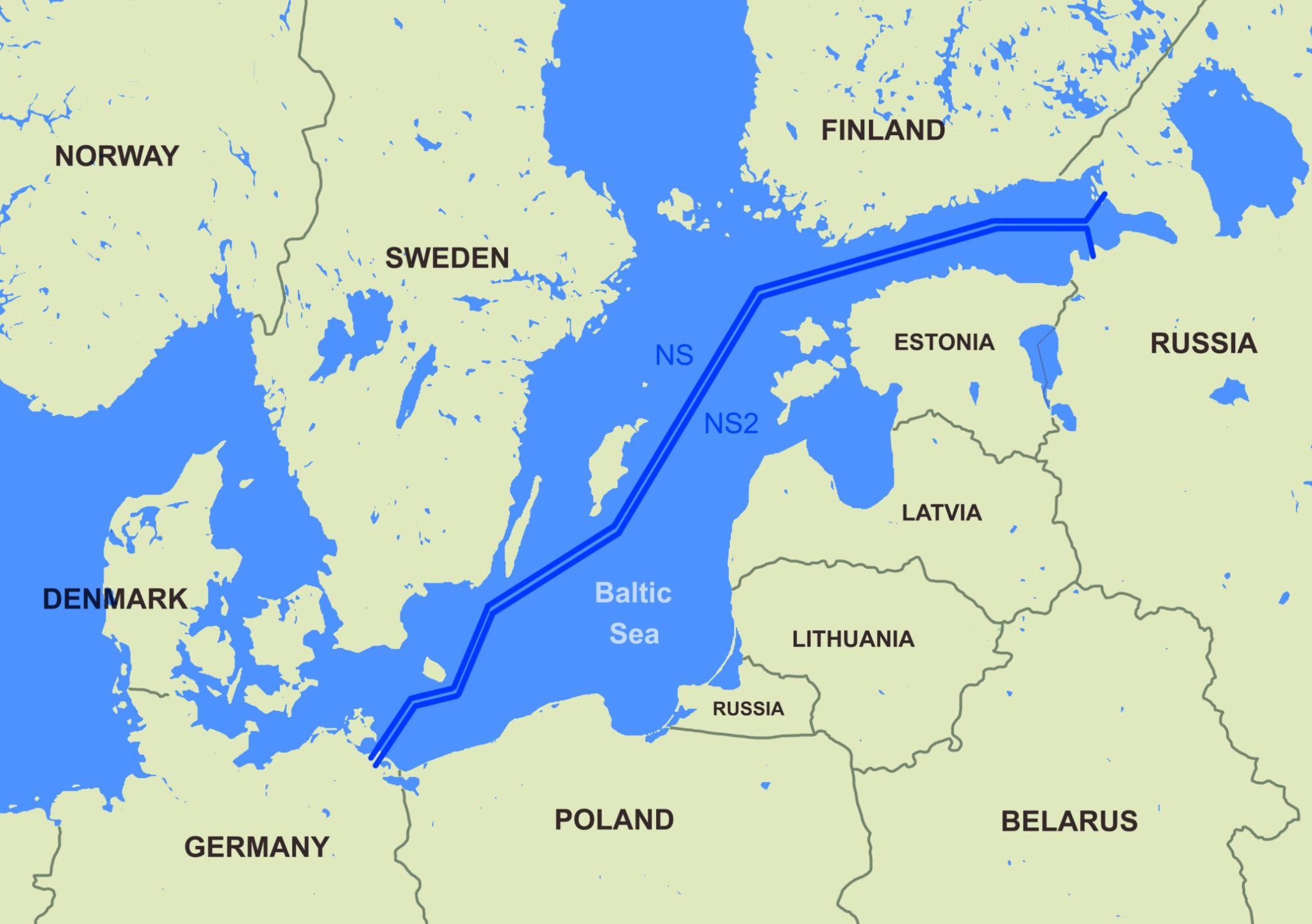
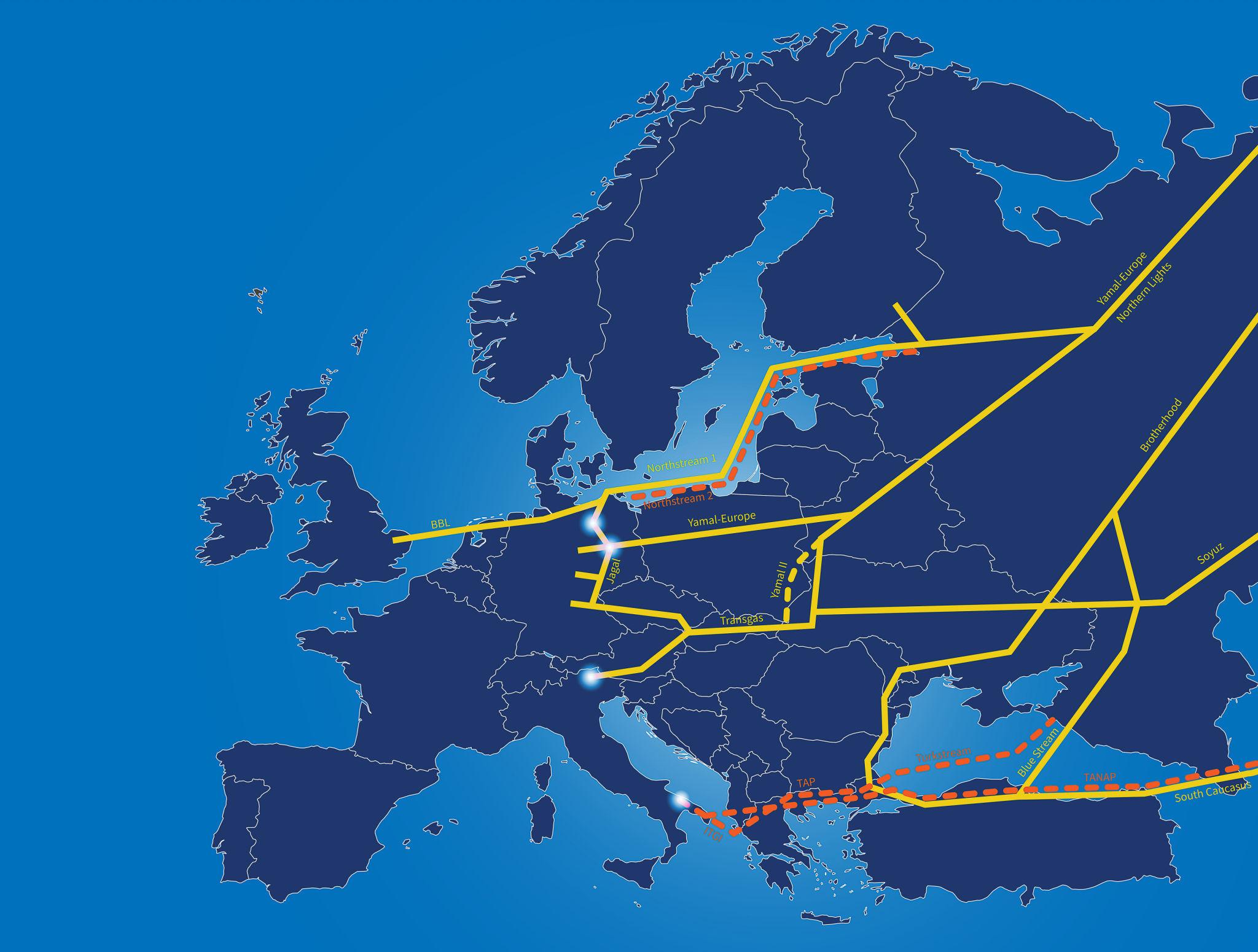
One of the most visible shifts involves reducing reliance on historically dominant suppliers. Over the past several years, member states have expanded import relationships with alternative producers while accelerating renewable deployment.
Under EU energy policy frameworks, funding mechanisms have supported liquefied natural gas terminals, interconnector pipelines and offshore wind projects. These initiatives aim to create a diversified supply mix capable of absorbing geopolitical shocks.
Energy economists note that diversification is a gradual process requiring infrastructure investment and regulatory harmonization. Nevertheless, measurable progress has occurred, particularly in coastal member states with access to maritime shipping routes.
Infrastructure Investment and Modernization
Infrastructure remains central to the energy transition. Aging pipelines, transmission grids and storage facilities must be modernized to meet contemporary demand and environmental standards.
The European Commission has allocated substantial funding through regional development instruments aligned with EU energy policy objectives. Projects include smart grid integration, hydrogen pilot corridors and cross border electricity interconnections.
Such investments serve dual purposes. They enhance energy reliability while simultaneously supporting climate commitments. By embedding modernization within EU energy policy, Brussels seeks to balance economic competitiveness with sustainability.
Private sector participation is also increasing, particularly in renewable generation and grid digitalization.
Market Stability and Price Volatility
Energy markets across Europe have experienced episodes of volatility in recent years. Wholesale electricity prices, natural gas contracts and fuel distribution networks have all responded sharply to global developments.
In response, EU energy policy has incorporated mechanisms aimed at smoothing price fluctuations. Temporary price caps, coordinated reserve releases and consumer protection measures have been deployed during periods of stress.
Financial analysts argue that regulatory clarity reduces investor uncertainty. When markets understand the parameters guiding EU energy policy, long term capital flows become more predictable.
Maintaining equilibrium between market forces and policy safeguards remains a delicate balancing act.
Environmental Commitments and Climate Goals
Climate objectives continue to shape the strategic direction of EU energy policy. The European Union remains committed to emission reduction targets and renewable energy expansion benchmarks.
Wind, solar and green hydrogen initiatives have gained momentum. Offshore wind capacity in the North Sea and Baltic regions has expanded significantly, supported by both public funding and private investment.
Environmental advocates argue that energy security and sustainability should not be viewed as competing priorities. Instead, EU energy policy increasingly integrates both objectives within a unified framework.
Transition strategies also include retraining programs for workers in traditional energy sectors, ensuring social stability during structural shifts.
Political Dynamics Within Member States
Energy decisions often reflect national political considerations. While Brussels provides overarching direction, implementation occurs within diverse domestic contexts.
Southern member states with strong solar potential may prioritize renewable expansion, while central European nations emphasize pipeline stability and industrial supply reliability. EU energy policy must therefore reconcile varying national priorities.
Consensus building has become more sophisticated over time. Coordinated negotiation platforms allow ministers to address concerns while maintaining collective objectives.
This collaborative approach strengthens the credibility of EU energy policy in the eyes of investors and international partners.
The Role of Strategic Reserves
Strategic petroleum and gas reserves play a crucial role in crisis mitigation. During sudden supply interruptions, coordinated reserve releases can stabilize markets and reassure consumers.
In 2026, reserve coordination mechanisms have been refined under EU energy policy structures. Member states share data on storage capacity and consumption trends, enabling proactive planning.
Energy security experts highlight that transparent reserve management enhances confidence among industrial operators and financial markets alike.
Such preparedness reduces the likelihood of panic driven market behavior.
Technological Innovation and Digitalization
Digital transformation is reshaping energy management across Europe. Smart meters, predictive maintenance systems and artificial intelligence driven grid balancing tools are becoming standard.
EU energy policy increasingly incorporates digitalization targets within funding frameworks. Innovation accelerates efficiency gains while reducing operational costs.
Technology partnerships between member states and private firms are expanding, particularly in battery storage and hydrogen development. These advancements strengthen the long term adaptability of EU energy policy.
International Partnerships and Diplomacy
Europe’s energy landscape extends beyond its borders. Trade agreements, supply contracts and diplomatic negotiations shape resource availability.
In recent months, Brussels has engaged in high level talks with alternative energy exporters. These efforts aim to reinforce stability while maintaining competitive pricing structures.
A senior European official stated,
“Our objective is to ensure that Europe remains resilient, diversified and forward looking in its approach to energy security.”
This perspective encapsulates the diplomatic dimension embedded within EU energy policy.
Economic Impact Across Industries
Industrial sectors such as automotive manufacturing, chemicals and heavy engineering rely heavily on predictable energy input costs. Sudden price surges can disrupt production planning and competitiveness.
By stabilizing markets and encouraging diversification, EU energy policy contributes to broader economic resilience. Infrastructure modernization projects also generate employment and stimulate regional growth.
Financial institutions monitor these policy shifts closely, recognizing that energy stability underpins investment confidence across multiple sectors.
Public Sentiment and Consumer Protection
Household energy bills remain a politically sensitive issue. Policymakers must balance fiscal responsibility with affordability concerns.
Recent adjustments under EU energy policy have included targeted subsidies and consumer protection mechanisms during periods of elevated prices. Transparency in communication has helped mitigate public anxiety.
Maintaining public trust is essential for sustaining long term reform initiatives.
Historic Comparison
Energy coordination in Europe has evolved significantly since the oil crises of the 1970s. At that time, fragmented national responses exposed structural weaknesses across the continent.
Today’s EU energy policy reflects decades of institutional learning. Integrated markets, shared storage frameworks and coordinated diplomacy represent advancements over earlier approaches.
While challenges persist, the bloc’s collective capacity to respond to disruptions has strengthened considerably compared to historical precedents.
Outlook for the Remainder of 2026
Looking ahead, policymakers expect continued debate over balancing affordability, sustainability and security. Market participants will assess how effectively reforms translate into measurable stability.
EU energy policy remains central to shaping Europe’s economic trajectory in 2026. Further infrastructure funding decisions and regulatory updates are anticipated before year end.
Energy analysts believe sustained cooperation among member states will determine the long term success of these initiatives.
A Continental Blueprint for Resilience
As Europe navigates complex global dynamics, EU energy policy stands as a blueprint for coordinated resilience. Through diversification, modernization and diplomatic engagement, the bloc aims to secure a stable energy future.
The coming months will reveal how swiftly reforms materialize into tangible outcomes. For now, Brussels continues refining strategies designed to shield European economies from external shocks while advancing sustainability goals.
In 2026, the evolution of EU energy policy is more than regulatory adjustment. It represents a foundational shift toward integrated security, technological innovation and collective responsibility across the European Union.