

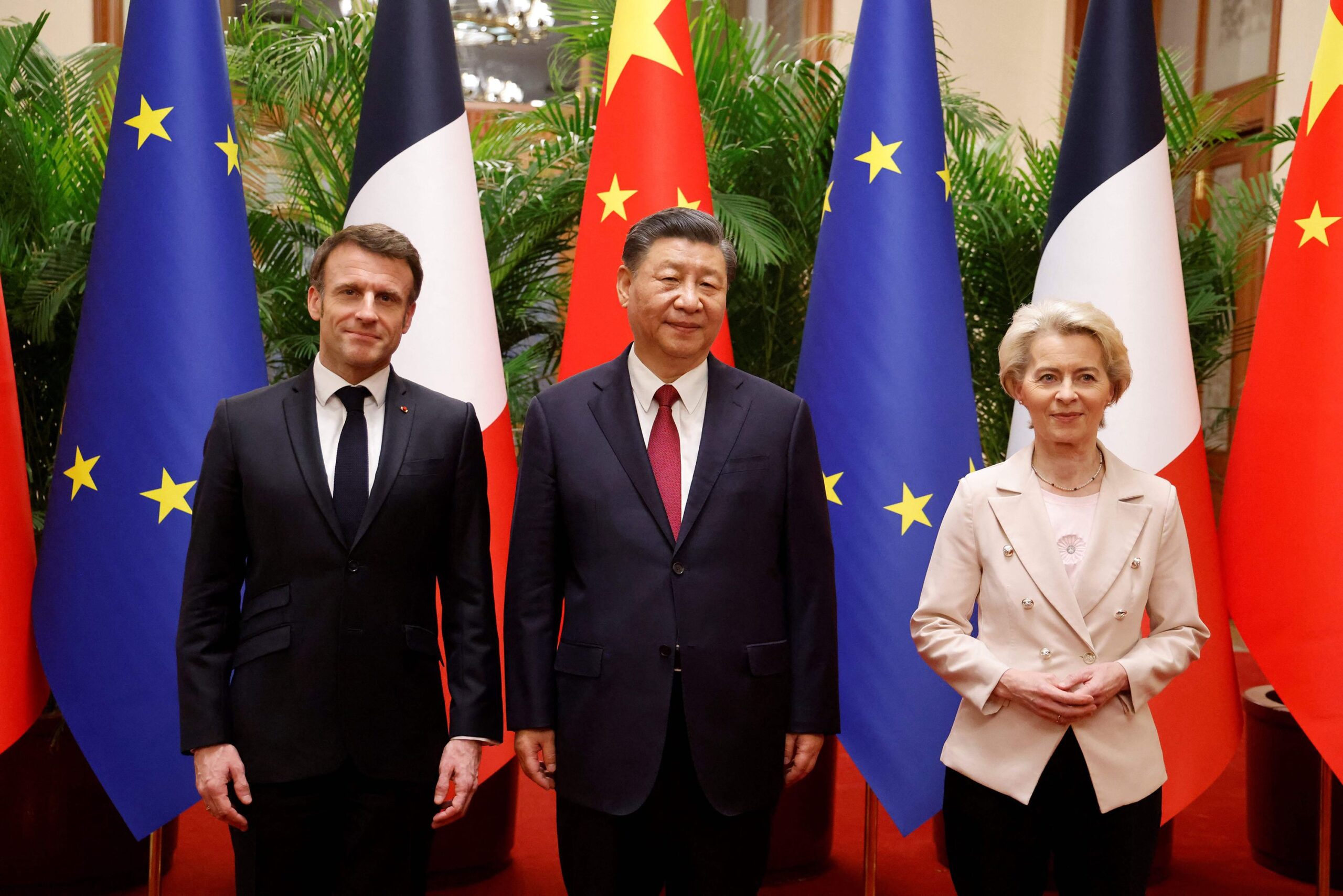
Berlin, Germany, April 2, 2026 (Parliament Politics Magazine) EU Iran negotiations are gaining urgency as Germany calls on China to play a stronger role in encouraging Iran to return to diplomatic talks amid escalating global tensions linked to the ongoing conflict. European leaders are increasingly focused on preventing further instability through coordinated international pressure.
Germany’s latest diplomatic outreach reflects growing concern that without immediate dialogue, the situation could spiral into a broader geopolitical and economic crisis. Officials believe China’s influence could be critical in shaping Iran’s willingness to engage.
A senior European diplomat said,
“The success of EU Iran negotiations may depend on whether global powers act together now.”
Germany Pushes for Diplomatic Coordination
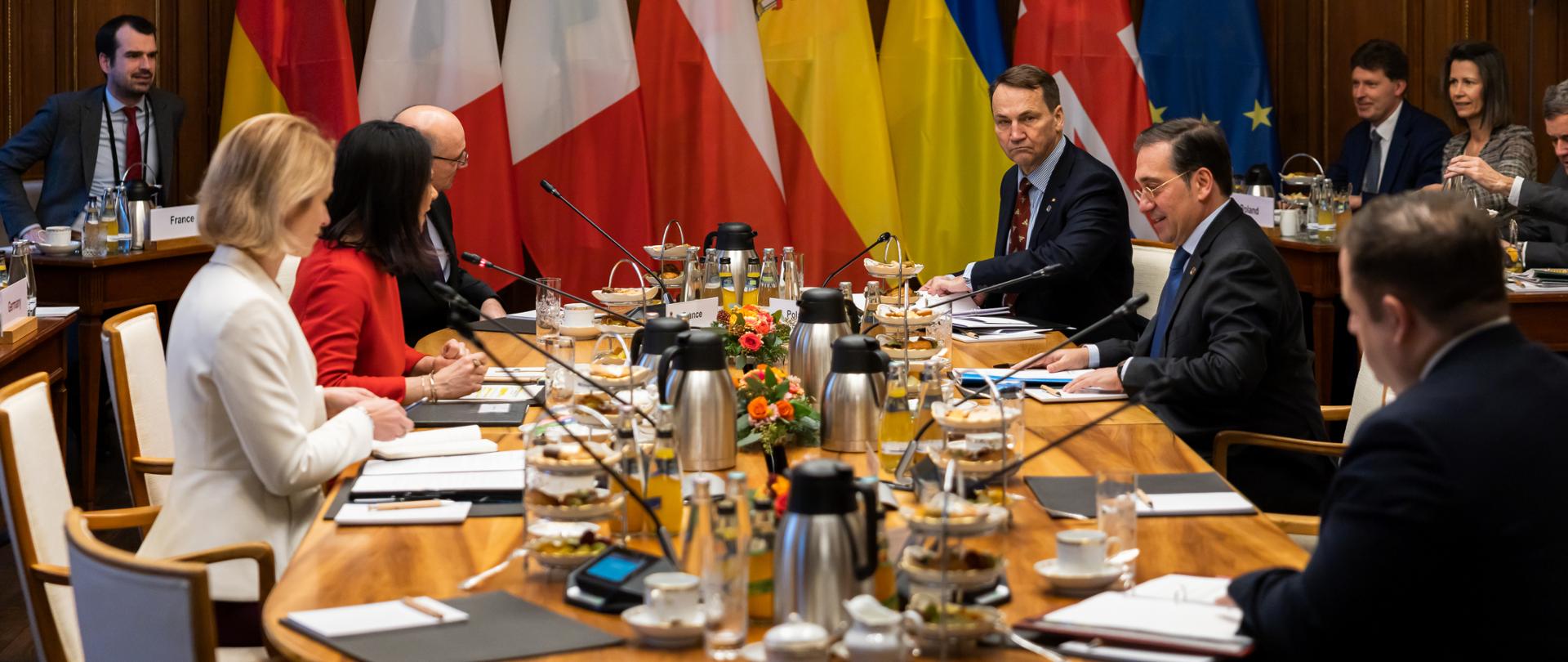
Germany has intensified its efforts within the European Union to promote a negotiated solution. Officials are actively engaging with global partners, including China, to build a unified front aimed at de-escalation.
At recent international meetings, German representatives emphasized that diplomacy remains the only viable path forward. Calls for restraint and renewed talks have become central to the EU’s foreign policy approach.
European leaders have repeatedly urged Iran to enter meaningful discussions, highlighting the risks of continued confrontation.
China’s Influence Seen as Critical
China’s relationship with Iran places it in a unique position to influence the outcome of the crisis. Beijing has already called for peace talks and emphasized dialogue over conflict.
Analysts suggest that China’s involvement could significantly strengthen EU Iran negotiations by encouraging Iran to consider diplomatic solutions.
At the same time, China has shown cautious neutrality, balancing its strategic interests while advocating for stability in the region.
Global Push for Negotiations Intensifies
International efforts to promote dialogue are accelerating. China and Pakistan have jointly called for immediate peace talks and a ceasefire, reinforcing the global demand for diplomacy.
This growing consensus reflects widespread concern that prolonged conflict could disrupt global trade, energy supplies, and economic stability.
EU Iran negotiations are now part of a broader international push to prevent further escalation and restore stability.
Economic and Energy Concerns Drive Urgency
The ongoing conflict has already impacted global markets, particularly energy supplies. European economies are facing rising costs and inflation due to disruptions linked to the crisis.
Germany, one of Europe’s largest economies, has seen growth forecasts decline as energy prices surge.
These economic pressures are adding urgency to EU Iran negotiations, as leaders seek to avoid deeper financial consequences.
Challenges to Reaching a Diplomatic Solution
Despite increased efforts, significant obstacles remain. Differences in political priorities, regional tensions, and mutual distrust continue to complicate negotiations.
Iran has shown mixed signals regarding its willingness to engage, while global powers have differing strategic objectives.
Experts caution that achieving meaningful progress will require sustained diplomatic engagement and compromise from all sides.
European Union’s Strategic Approach
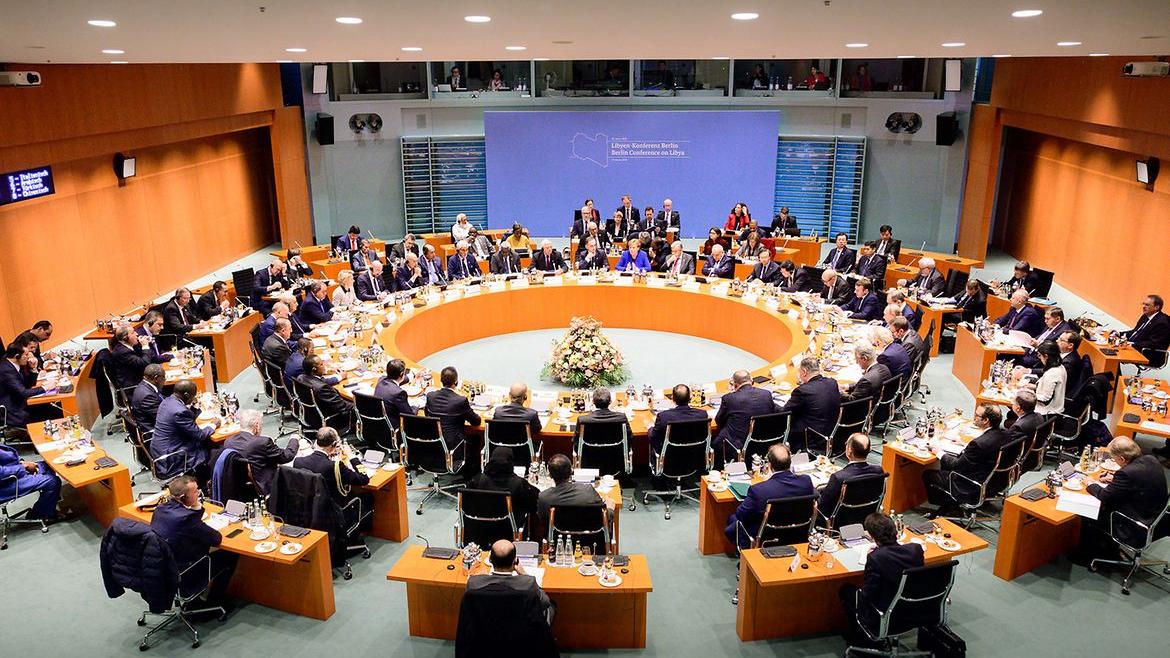
The European Union is coordinating closely to ensure a unified diplomatic strategy. Leaders are working through multiple channels, including international organizations and bilateral talks, to strengthen EU Iran negotiations.
The EU’s approach focuses on reducing tensions, promoting dialogue, and maintaining stability in the region.
This coordinated effort reflects the bloc’s commitment to preventing further escalation and protecting global interests.
Public and Political Reactions
Public reaction across Europe and beyond has been mixed. While many support diplomatic efforts, others remain skeptical about their effectiveness.
Political leaders continue to stress the importance of cooperation, warning that failure to act could lead to long-term consequences.
The situation remains a key topic in global political discussions, with EU Iran negotiations at the center of attention.
Future Outlook Remains Uncertain
The coming weeks will be critical in determining the success of diplomatic efforts. Germany and its allies are expected to continue engaging with China and other global players.
If successful, EU Iran negotiations could lead to a reduction in tensions and a path toward stability.
However, uncertainty remains, and the outcome will depend on the willingness of all parties to engage constructively.
Voices from the Crisis: A Defining Moment
“EU Iran negotiations represent the last real opportunity to prevent a deeper global crisis—failure is not an option,”
said a European policy analyst.
Crisis at a Glance: What It Means for Global Stability
EU Iran negotiations are emerging as a central effort to stabilize an increasingly volatile geopolitical environment. Germany’s call for China’s involvement highlights the need for global cooperation.
With economic risks rising and tensions escalating, diplomatic solutions remain the most effective path forward.
Key Takeaways from EU Iran Negotiations
EU Iran negotiations are now at a critical stage as Germany urges China to play a decisive role in pushing Iran toward dialogue. With global markets under pressure and geopolitical tensions rising, the need for coordinated diplomatic action has never been greater.
The success of these negotiations could determine the trajectory of the crisis, shaping both regional stability and global economic outcomes.
