MARANELLO, Italy May 25 (Parliament Politics Magazine) Ferrari EV transition is entering one of its most important phases as the legendary Italian automaker prepares to launch its first fully electric vehicle, known as the Luce. The shift represents far more than a technological upgrade. It marks Ferrari’s attempt to adapt to a changing automotive world without losing the emotional identity that made the brand globally iconic. Industry analysts say Ferrari EV transition could reshape how luxury performance automakers approach electrification as global emissions regulations tighten and demand for premium electric vehicles continues growing. The company now faces the challenge of proving that a Ferrari can remain thrilling even without the signature sound of a combustion engine.
Ferrari built its reputation on roaring engines, precision engineering, and a driving experience that became deeply connected to automotive passion and exclusivity. For decades, Ferrari represented more than transportation. It symbolized emotion, prestige, and mechanical artistry admired by enthusiasts worldwide.
Now Ferrari EV transition is moving the company into unfamiliar territory.
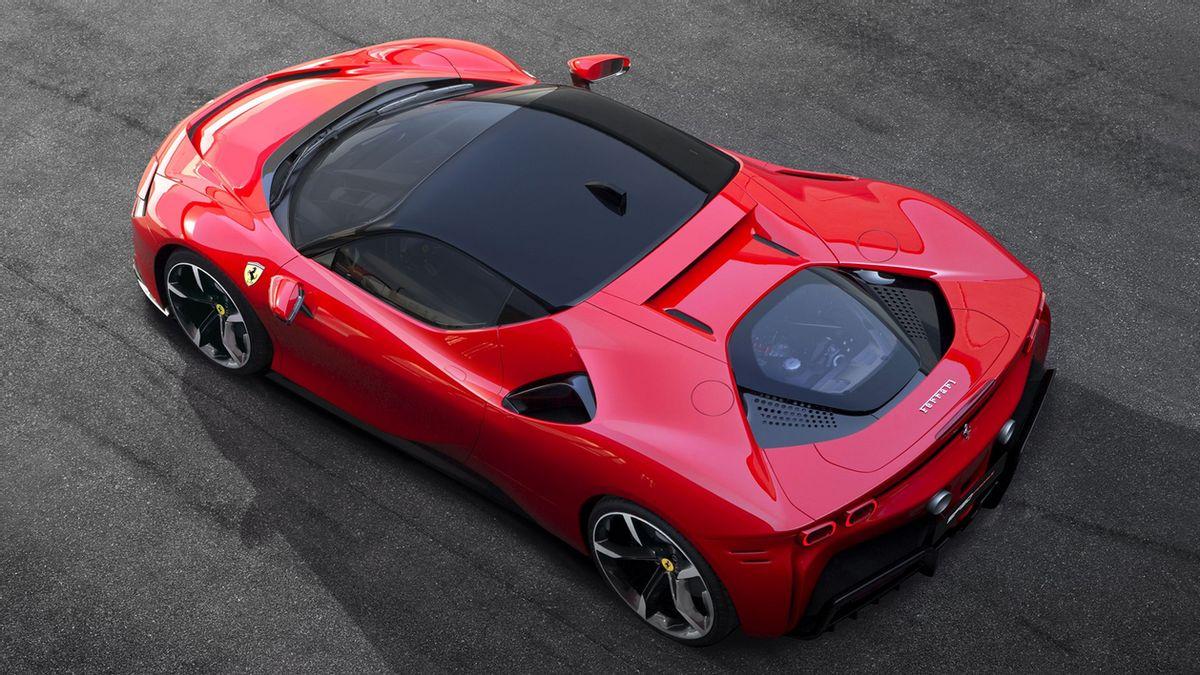
The automaker’s upcoming electric model, the Luce, reflects one of the boldest changes in Ferrari’s modern history. While the company has already introduced hybrid technology through models like the SF90 Stradale and 296 GTB, a fully electric Ferrari represents a much larger shift in philosophy.
The transition comes as governments across Europe, North America, and Asia continue pushing automakers toward lower-emission technologies and sustainable transportation systems.
For Ferrari, however, electrification carries unique risks because the company’s identity has always depended heavily on sound, mechanical feel, and emotional engagement behind the wheel.
That reality makes Ferrari EV transition one of the most closely watched transformations in the luxury automotive sector.
Luxury Automakers Are Being Forced to Adapt
Electric Vehicles Are Changing Performance Standards
Electric vehicles are reshaping the global automotive industry faster than many analysts expected. Advanced battery systems, instant torque delivery, and sophisticated software integration now allow EVs to compete directly with traditional supercars in terms of acceleration and overall performance.
Companies such as Porsche, Rimac, Tesla, and Lucid Motors already demonstrated how electric drivetrains can achieve extraordinary speed and efficiency.
Ferrari now enters a market where luxury buyers increasingly expect advanced technology alongside traditional craftsmanship.
Ferrari EV transition therefore involves more than building a new electric car. It requires redefining how performance and emotion are delivered in the electric era.
Ferrari Is Protecting Its Identity Carefully
Ferrari executives repeatedly stated that future electric models must still feel unmistakably “Ferrari” despite lacking traditional combustion engines.
The company reportedly invested heavily in preserving emotional engagement through advanced driving dynamics, sound engineering, and performance tuning technologies designed specifically for electric vehicles.
Industry observers believe Ferrari EV transition will prioritize exclusivity and driving experience over large production volumes.
“Ferrari’s biggest challenge is maintaining emotional identity while embracing electrification,”
said Felipe Munoz, global analyst at JATO Dynamics, during discussions involving luxury EV trends.
“Customers expect innovation, but they also expect Ferrari to remain unique.”
That balance could determine whether Ferrari succeeds in the evolving luxury electric vehicle market.
Ferrari EV Transition Extends Beyond Engineering
Software Is Becoming More Important
Modern electric vehicles increasingly rely on software systems as much as traditional mechanical engineering. Battery management, AI-assisted controls, cloud connectivity, and digital performance systems are transforming how vehicles are designed and experienced.
Ferrari EV transition reportedly includes major investments in advanced software integration aimed at enhancing both performance and user experience.
That evolution reflects broader automotive trends where digital capabilities now influence vehicle value as much as horsepower or acceleration.
The Luce is expected to combine Ferrari’s traditional craftsmanship with cutting-edge technology intended to compete against rapidly advancing luxury EV rivals.
Battery Technology Still Creates Challenges
Despite advances in electric vehicle performance, battery systems continue presenting major engineering challenges for luxury sports car manufacturers.
Battery weight, thermal management, charging infrastructure, and range efficiency remain critical issues for automakers focused on speed and handling precision.
Ferrari’s engineering teams reportedly worked extensively to preserve lightweight driving characteristics while adapting to electric drivetrains.
The company understands that Ferrari buyers expect more than technical performance figures alone. They expect an emotional driving experience that feels distinct from other luxury vehicles.
Ferrari EV transition must therefore bridge the gap between technological innovation and emotional tradition.
Global Markets Are Closely Watching Ferrari
Investors View Electrification as Essential
Ferrari remains one of the world’s most profitable automotive companies because of its limited production model, pricing power, and highly loyal customer base.
Investors now see Ferrari EV transition as one of the company’s most important long-term strategic decisions.
The luxury EV market continues expanding rapidly in Europe, China, and North America as affluent consumers increasingly seek sustainable technologies combined with premium design and performance.
If Ferrari successfully adapts to electrification while preserving brand prestige, analysts believe the company could strengthen its long-term market position.
Failure, however, could risk weakening the exclusivity and emotional identity that made Ferrari legendary.
China and Europe Continue Driving EV Demand
China remains one of the world’s largest luxury automotive markets, particularly for electric vehicles. European environmental regulations are also accelerating the shift toward cleaner transportation technologies.
Those trends are heavily influencing Ferrari EV transition.
Luxury automakers increasingly recognize that younger consumers often prioritize sustainability, software integration, and advanced technology alongside traditional automotive prestige.
Ferrari must therefore attract a new generation of buyers while retaining long-time enthusiasts who still value combustion-engine performance.
Ferrari Enthusiasts Remain Divided Over Electrification
Tradition and Innovation Are Colliding
Among Ferrari enthusiasts, opinions regarding electric vehicles remain sharply divided.
Some supporters believe electrification represents necessary progress and an opportunity for Ferrari to redefine performance for a modern generation. Others worry that removing combustion engines could weaken the emotional connection associated with the Ferrari driving experience.
That debate reflects broader tensions throughout the global automotive industry.
Electric vehicles deliver extraordinary acceleration and advanced digital capabilities, but many enthusiasts still value the sound, vibration, and mechanical personality of traditional supercars.
Ferrari EV transition must navigate those competing expectations carefully.
The Luce Represents More Than a Product Launch
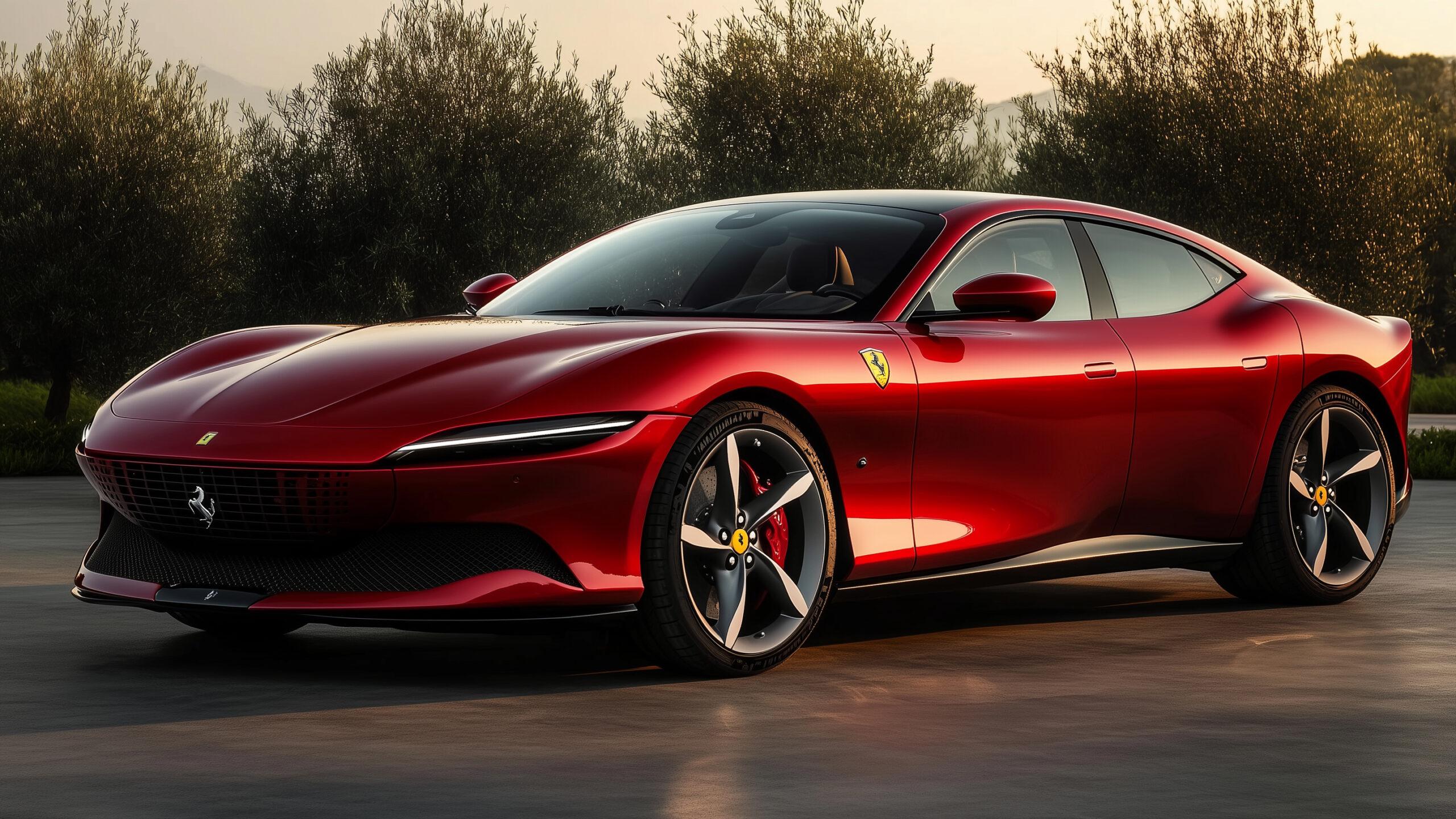
For Ferrari, the Luce represents far more than another vehicle release.
It symbolizes whether one of the world’s most tradition-driven luxury brands can successfully adapt to technological disruption while preserving its heritage.
The outcome could influence how other performance automakers approach electrification in the years ahead.
Ferrari EV Transition Could Shape the Future of Luxury Supercars
Ferrari’s move into the electric era arrives during one of the most transformative periods in automotive history. Artificial intelligence, software integration, sustainability goals, and battery innovation are reshaping the future of transportation worldwide.
Ferrari EV transition now sits at the center of the company’s future strategy.
The automaker must prove that electric vehicles can still deliver the passion, exclusivity, and emotional engagement expected from one of the world’s most iconic automotive brands.
For the broader automotive sector, Ferrari’s electric journey represents more than a business decision. It reflects the growing reality that even the most heritage-focused companies must evolve to remain competitive in a rapidly changing technological landscape.
As the luxury EV race accelerates globally, Ferrari EV transition could become one of the defining stories shaping the future of high-performance automotive innovation.