

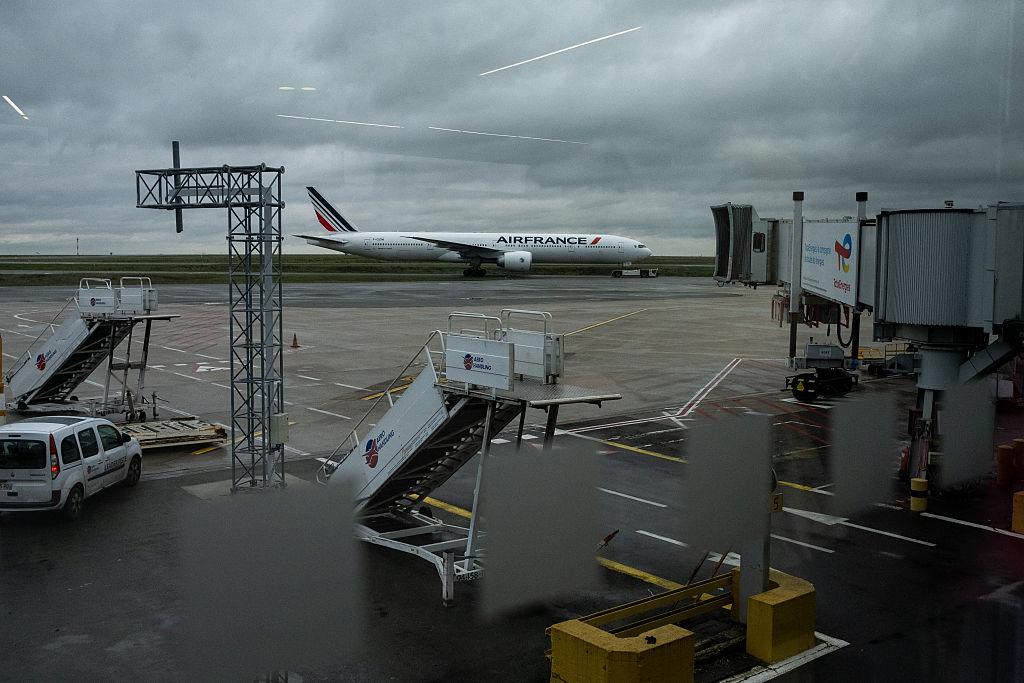
European airline earnings rise sharply in London 2026 as major carriers report stronger than expected annual profits.
Higher passenger demand, premium bookings, and disciplined cost control drive improved financial performance.
Investors view the results as a sign of sustained recovery and renewed confidence in the aviation sector.
London, United Kingdom – February 27, 2026 — According to Parliament News, that European airline earnings have become a focal point for investors and policymakers as major carriers across the continent post stronger financial results than many analysts predicted. In London 2026, executives, regulators, and market observers are closely evaluating how European airline earnings reflect the resilience of travel demand, operational reform, and strategic adaptation in a competitive global aviation market.
The steady rise in European airline earnings signals a maturing recovery phase following years of turbulence caused by pandemic disruptions, volatile fuel prices, and staffing shortages. What distinguishes the 2026 performance is not merely revenue growth, but disciplined execution and improved structural stability across the sector.
Strong Passenger Demand Drives Revenue Momentum
The foundation of improved profitability lies in consistent passenger demand across short haul and long haul routes. Throughout 2026, booking data across major European hubs indicates robust leisure travel and gradually strengthening corporate mobility.
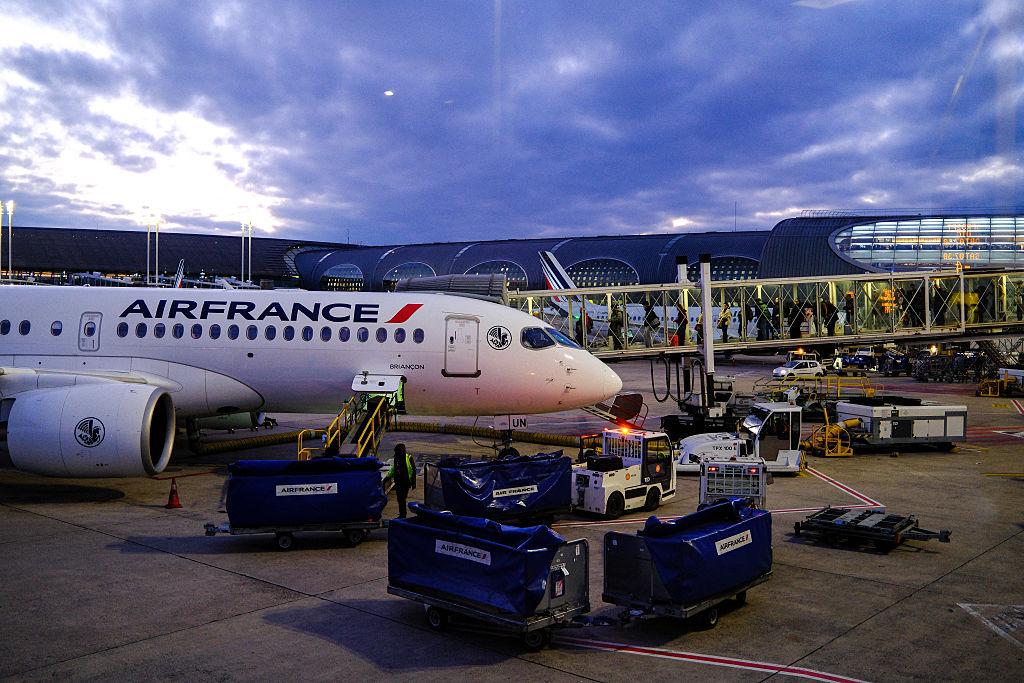
High load factors remain central to rising European airline earnings. Flights departing from London Heathrow, Paris Charles de Gaulle, Frankfurt, Madrid, and Amsterdam have maintained occupancy levels that support pricing stability. Airlines have resisted aggressive capacity expansion, preferring measured growth aligned with demand signals.
Premium cabin performance has proven particularly important. Business and first class bookings generate higher margins and contribute disproportionately to overall profitability. Corporate travel budgets have partially rebounded, while affluent leisure travelers continue prioritizing comfort and flexibility on transcontinental routes.
This combination of disciplined capacity and premium pricing has reinforced European airline earnings across flagship carriers and alliance networks.
Operational Efficiency and Fleet Modernization
Airlines across Europe have intensified efforts to control operating expenses. Investment in next generation aircraft models has lowered fuel consumption and maintenance costs. Modern fleets not only improve environmental performance but also reduce long term cost per seat mile.
Strategic fuel hedging has mitigated sudden energy price fluctuations. While global oil markets remain sensitive to geopolitical events, hedging programs implemented over recent quarters have stabilized expense projections.
Punctuality improvements also play a critical role. Reduced cancellations and streamlined ground handling operations enhance customer satisfaction while limiting compensation payouts. Operational reliability directly strengthens European airline earnings by protecting revenue integrity.
Additionally, digital transformation has optimized route planning and maintenance forecasting. Artificial intelligence tools now assist airlines in predicting component wear and minimizing unscheduled downtime.
Competitive Dynamics Across the Continent
The European aviation landscape remains highly competitive. Low cost carriers continue expanding aggressively, offering affordable fares on short haul routes. Traditional airlines, however, leverage premium services, global alliances, and hub connectivity to maintain strategic advantages.
European airline earnings among legacy carriers reflect a balanced network approach. Short haul routes provide feeder traffic to long haul operations, where higher margins can be achieved. Joint ventures with North American and Asian airlines further diversify revenue streams.
Loyalty programs strengthen customer retention. Frequent flyer memberships create predictable revenue channels through credit card partnerships and reward redemption models. These supplementary income streams reinforce financial performance.
Despite intense competition, established airlines demonstrate resilience through brand recognition and service differentiation.
Investor Confidence and Market Performance
Financial markets have responded favorably to earnings releases throughout 2026. Airline stocks traded on London exchanges have shown upward momentum following quarterly announcements.
Analysts interpret the consistent improvement in European airline earnings as evidence that consumer spending on travel remains a priority even amid inflationary pressures. Investors value the combination of revenue growth and disciplined cost management.
Institutional stakeholders also assess balance sheet health. Debt reduction efforts undertaken during recovery phases have strengthened credit profiles. Improved liquidity positions enhance flexibility for fleet investments and shareholder returns.
Market confidence, however, remains contingent on sustained operational discipline. Investors remain cautious about overexpansion or sudden macroeconomic shocks.
Labor Stability and Workforce Investment
Previous years saw labor disputes and staffing shortages disrupt schedules across Europe. In 2026, improved labor agreements have restored operational predictability.
Airlines have invested in pilot recruitment, training academies, and workforce retention strategies. Competitive compensation packages and clearer career progression pathways reduce turnover risk.
Stable staffing enhances punctuality and service quality, indirectly supporting European airline earnings through improved passenger satisfaction.
Digital crew scheduling systems further streamline operations. Automated allocation tools ensure optimal staffing levels while minimizing overtime expenses.
Sustainability and Environmental Responsibility
Environmental accountability increasingly shapes corporate strategy. European regulators continue advancing emissions reduction targets and sustainable aviation fuel adoption.
Airlines incorporate environmental commitments into annual reporting. European airline earnings are now frequently analyzed alongside sustainability metrics. Investors seek evidence that profitability aligns with long term environmental stewardship.
Fleet renewal programs reduce carbon intensity per passenger. Partnerships with fuel producers aim to expand availability of sustainable aviation fuel across major hubs.
While environmental initiatives may increase near term costs, executives view them as investments in long term competitiveness and regulatory compliance.
Transatlantic and Intercontinental Growth
Long haul routes, particularly transatlantic services, have delivered substantial contributions to European airline earnings in 2026. Demand between Europe and North America remains strong, supported by business travel and tourism flows.
Joint venture agreements allow airlines to coordinate schedules and share revenue, stabilizing profitability across networks. Expanded connectivity to Asia and the Middle East further diversifies route portfolios.
Currency movements influence ticket pricing and revenue translation. Airlines actively manage foreign exchange exposure to protect margins.
Intercontinental demand highlights Europe’s enduring appeal as both a tourism destination and business hub.
Regulatory Environment and Policy Considerations
European aviation operates within a comprehensive regulatory framework that includes passenger rights protections and environmental compliance requirements.
Policy discussions in Brussels and national capitals focus on balancing consumer protection with airline competitiveness. Excessive regulatory burdens could strain margins, while insufficient oversight risks reputational damage.
European airline earnings therefore evolve within a tightly supervised environment. Compliance investments form an integral component of financial planning.
Governments also recognize aviation’s economic importance. Airports generate employment, tourism revenue, and trade connectivity.
Historic Comparison
The current performance invites comparison with earlier cycles in European aviation. During the early 2000s, airlines grappled with consolidation pressures, fluctuating oil prices, and financial instability. Following global economic crises, restructuring efforts reshaped cost bases and alliance structures.
Compared with those periods, 2026 reflects greater strategic cohesion. Airlines now emphasize data driven planning, alliance coordination, and disciplined growth strategies.
The stability seen in European airline earnings today contrasts sharply with volatility experienced during previous downturns. Structural improvements implemented over two decades have strengthened resilience.
Lessons from past crises have informed present strategy. Leaner operations and diversified networks position airlines more effectively against external shocks.
Consumer Experience and Brand Evolution
Passenger expectations have evolved significantly. Digital booking platforms, mobile boarding passes, and real time updates are now standard features.
Airlines invest in cabin redesigns and enhanced in flight connectivity to differentiate service offerings. Premium travelers expect privacy, comfort, and seamless transfers.
Such enhancements support pricing strength and reinforce European airline earnings growth. Brand loyalty remains critical in a competitive environment.
Customer experience metrics increasingly influence corporate strategy. Positive service reviews correlate with repeat bookings and ancillary revenue opportunities.
Economic Ripple Effects Across Europe
Aviation acts as a catalyst for economic activity. Tourism sectors across Southern Europe depend heavily on reliable air access. Business hubs such as London and Frankfurt rely on global connectivity to maintain financial prominence.
Rising European airline earnings therefore signal broader economic vitality. Increased passenger movement stimulates hospitality, retail, and trade industries.
Regional airports also benefit from improved financial stability among carriers. Route expansions generate employment and infrastructure investment.
Governments monitor aviation trends as indicators of economic confidence and mobility patterns.
Risk Factors and Forward Outlook
Despite positive indicators, risks remain present. Fuel price volatility, geopolitical tensions, and currency fluctuations could impact profitability.
Airlines remain cautious about overexpansion. Capacity discipline continues to underpin stable European airline earnings performance.
Executives emphasize scenario planning to address potential disruptions. Flexible fleet allocation and diversified route networks enhance adaptability.
Analysts project moderate growth into 2027, provided economic conditions remain stable and energy markets avoid extreme shocks.
One aviation economist noted,
“The trajectory of European airline earnings shows that disciplined management can transform volatility into sustainable growth.”
That observation encapsulates the cautious optimism surrounding the sector.
A Defining Phase for Continental Aviation
As 2026 progresses, the strength of European airline earnings reflects not only recovery but structural transformation. Airlines have embraced modernization, sustainability, and digital innovation while maintaining financial discipline.
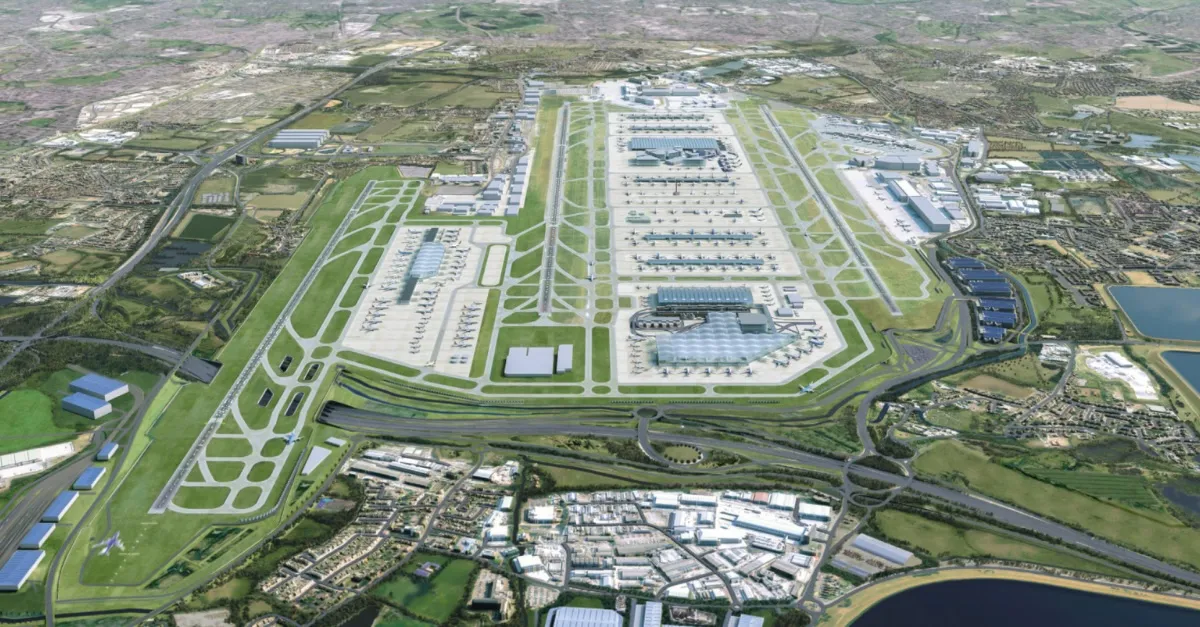
London remains a focal point for industry analysis, yet the impact extends across the continent. From Mediterranean leisure hubs to northern financial centers, aviation performance shapes economic opportunity.
The sector’s resilience demonstrates that strategic foresight and adaptive management can restore profitability after profound disruption.
European airline earnings now symbolize a broader narrative of renewal. While external risks persist, the industry appears better prepared than in previous cycles.
The coming years will test whether this upward trajectory can be sustained. Continued collaboration, prudent investment, and measured expansion will determine whether aviation remains one of Europe’s most dynamic economic pillars.
For now, the results emerging from London 2026 underscore a clear message: Europe’s airlines have regained financial altitude, and the path forward rests on maintaining balance between ambition and discipline.