

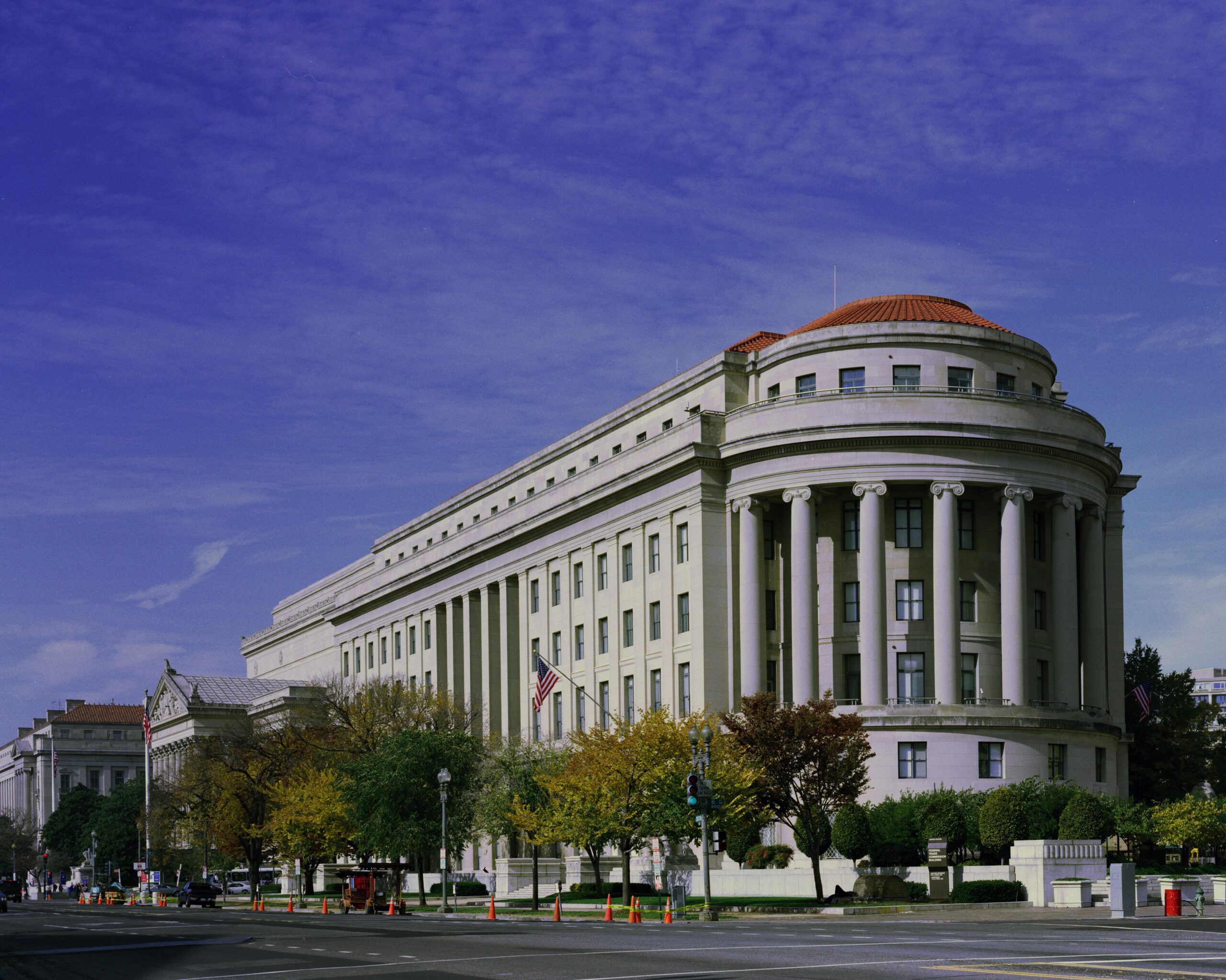
US trade commission camera decision allows continued camera imports in 2026.
Washington ruling removes uncertainty for manufacturers and retailers.
Consumers can expect uninterrupted product availability nationwide.
Washington, February 27, 2026 — According to Parliament News, that The US trade commission camera decision issued this year has cleared the way for continued importation and sale of camera products across the United States. The ruling, delivered in Washington following a structured federal review, resolves months of uncertainty that had hovered over the consumer imaging market. Regulators determined that the products under examination did not warrant import bans or sales restrictions, allowing companies to proceed without interruption.
The US trade commission camera decision is being described by industry observers as a stabilizing development for both manufacturers and retailers. After evaluating intellectual property claims and trade compliance standards, federal officials concluded that exclusion measures were not justified. As a result, distribution networks can continue operating normally across the country.
Background of the Federal Investigation
Trade investigations conducted by the United States International Trade Commission often involve detailed examination of patent rights, product design elements, and alleged unfair competition. In this case, the review focused on whether imported camera systems violated protected intellectual property or breached established trade regulations.
The US trade commission camera decision followed submission of technical documentation, legal briefs, and expert testimony. Investigators assessed hardware configurations, software functions, and licensing arrangements before reaching a conclusion. Such reviews are designed to protect innovation while ensuring open market competition.
By declining to impose restrictions, regulators reaffirmed that the evidentiary threshold required for import limitations had not been met.
Scope of the Market Impact
The American consumer camera market spans action cameras, compact digital systems, 360 degree imaging devices, and hybrid professional units. Retailers depend on steady imports to maintain inventory for both brick and mortar stores and online marketplaces.
With the US trade commission camera decision finalized, suppliers can continue shipping products to US ports without disruption. Warehousing operations, distribution centers, and retail supply chains now have renewed predictability. Market analysts suggest that the absence of trade barriers may help stabilize pricing and encourage promotional activity.
Uncertainty during federal reviews often prompts companies to pause expansion plans. The conclusion of this case removes those constraints.
What the Ruling Means for Manufacturers
Global electronics manufacturers operate within complex supply chains that span multiple continents. Even the possibility of exclusion orders can affect procurement strategies and production timelines.
The US trade commission camera decision provides clarity that allows companies to maintain established shipping schedules. It also enables executives to redirect resources from legal contingencies toward research and development.
Manufacturers emphasize that regulatory transparency supports long term innovation. With trade concerns resolved, engineering teams can focus on enhancing resolution quality, improving battery efficiency, and refining stabilization technologies.
Implications for Retailers and Distributors
Retail partners were closely monitoring the investigation. Potential import restrictions could have limited product selection or delayed seasonal launches.
Now that the US trade commission camera decision has been issued, distributors can confidently restock inventory ahead of peak shopping periods. National electronics chains and independent retailers alike benefit from consistent product availability.
Stable import flows also protect customer service commitments, including warranty replacements and accessory compatibility.
Consumer Perspective
For consumers, regulatory disputes can create confusion regarding product availability. Buyers may hesitate if they fear a device could soon be removed from shelves.
The US trade commission camera decision reassures customers that camera models currently available will remain in the market. This stability supports purchasing confidence among travelers, filmmakers, athletes, and social media creators who rely on advanced imaging tools.
Industry analysts note that uninterrupted competition fosters innovation and competitive pricing, ultimately benefiting consumers.
Legal Standards and Trade Compliance
Trade commission proceedings operate within clearly defined statutory frameworks that establish what qualifies as infringement or unfair competition. Petitioners are required to provide substantial and verifiable evidence demonstrating a violation of valid intellectual property protections or federal trade provisions.
In evaluating the case, officials determined that the threshold for exclusion had not been met. As one trade policy analyst explained,
“Trade enforcement must balance innovation protection with fair competition to maintain confidence in global commerce.”
The conclusion of the US trade commission camera decision reflects that principle. By relying on documented findings rather than speculation, regulators reinforced trust in a transparent, evidence driven review process that remains central to federal trade governance.
Market Reaction and Financial Outlook
Equity markets often respond to regulatory clarity with measured optimism. While the camera segment represents only part of the broader technology industry, stability within any consumer electronics category can influence investor sentiment.
Following the US trade commission camera decision, analysts reported improved outlooks for retailers and distributors with exposure to the imaging sector. Predictable import conditions reduce volatility associated with sudden supply chain disruptions.
Economic observers emphasize that stable trade frameworks contribute to long term growth within the technology ecosystem.
Regulatory Transparency and Institutional Credibility
Public trust in trade institutions depends on transparency and procedural consistency. Investigations typically include opportunities for public comment, submission of technical exhibits, and formal hearings.
The US trade commission camera decision illustrates how complex disputes can be resolved within established legal boundaries. Rather than escalating into prolonged trade conflict, the process concluded with a clear determination grounded in documented findings.
Institutional credibility strengthens when outcomes are communicated openly and supported by detailed reasoning.

Innovation and Competitive Balance
The consumer imaging market thrives on rapid technological advancement. Manufacturers invest heavily in sensor development, artificial intelligence enhancements, and user interface design.
By preserving open competition, the US trade commission camera decision supports continued innovation. Companies now have incentives to compete through feature improvements rather than legal maneuvering.
Industry experts predict that competition will drive enhancements in image stabilization, low light performance, and real time editing tools throughout 2026 and beyond.
Economic Ripple Effects
The impact of trade rulings extends beyond manufacturers and retailers. Logistics providers, advertising agencies, and software developers all depend on predictable product flows.
The US trade commission camera decision therefore influences a network of related industries. Warehouse operators maintain staffing levels, marketing teams proceed with campaigns, and technology resellers sustain revenue projections.
Economists note that regulatory clarity reduces systemic risk across interconnected sectors.
Historic Comparison
Trade disputes within the technology sector are not new. In previous decades, similar investigations involving consumer electronics sometimes resulted in temporary import bans or extended litigation.
Compared to those episodes, the current US trade commission camera decision represents a measured outcome that avoided widespread market disruption. Advances in digital documentation and international patent licensing have improved the precision of modern trade reviews.
Historical precedent demonstrates that transparent adjudication processes often preserve competitive markets while respecting intellectual property rights. This comparison underscores the evolution of trade governance in an increasingly interconnected global economy.
Broader Context of International Trade
Global commerce depends on predictable legal frameworks that balance innovation protection with fair access. Trade commission rulings serve as mechanisms for resolving disputes without resorting to broader economic confrontation.
The US trade commission camera decision reaffirms the principle that evidence based review can address complex claims effectively. By declining to impose exclusion measures, regulators maintained equilibrium between enforcement and openness.
Such balance supports collaborative research partnerships and cross border technological development.
Industry Outlook for the Coming Year
With regulatory uncertainty resolved, companies are expected to accelerate product development initiatives. Analysts anticipate expanded camera portfolios featuring enhanced artificial intelligence editing capabilities and higher frame rate performance.
The US trade commission camera decision removes constraints that may have delayed distribution agreements or promotional events. Retailers are preparing to highlight new releases during major shopping seasons.
Forecasts suggest that demand for immersive imaging tools will continue rising as digital content creation expands across platforms.
Strategic Lessons for Technology Companies
This case underscores the importance of comprehensive documentation and proactive compliance. Manufacturers operating internationally must maintain clear licensing agreements and rigorous internal audits to withstand trade scrutiny.
The US trade commission camera decision illustrates how preparation and transparency can influence favorable outcomes. Companies that anticipate regulatory review often position themselves more effectively during investigations.
Legal experts advise continued vigilance in intellectual property management and supplier oversight.
The Role of Consumer Demand
Strong consumer demand for compact and versatile cameras has shaped the industry’s trajectory. From travel videography to professional filmmaking, imaging devices have become essential creative tools.
By affirming open market access, the US trade commission camera decision ensures that demand can be met without artificial limitation. This continuity supports both economic activity and creative expression.
Consumer confidence often hinges on product availability and stable pricing, both of which benefit from regulatory clarity.
Long Term Implications
Looking beyond immediate market stabilization, the US trade commission camera decision may influence how future trade disputes are approached. Clear procedural standards and evidence based reasoning reinforce predictability within international commerce.
Manufacturers and retailers can draw lessons regarding compliance preparation and risk assessment. Regulators likewise demonstrate commitment to balanced oversight rather than reactive restriction.
As technology evolves, such frameworks will remain essential to sustaining innovation.
A Defining Moment in Trade Governance
The resolution of this case represents more than a procedural conclusion. The US trade commission camera decision symbolizes how modern trade institutions navigate complex technological disputes with measured judgment.
Rather than allowing uncertainty to linger, regulators delivered clarity that supports economic continuity. This outcome strengthens confidence among businesses, investors, and consumers alike.
In 2026, Washington’s ruling stands as an example of structured governance maintaining equilibrium within a rapidly advancing global technology marketplace.